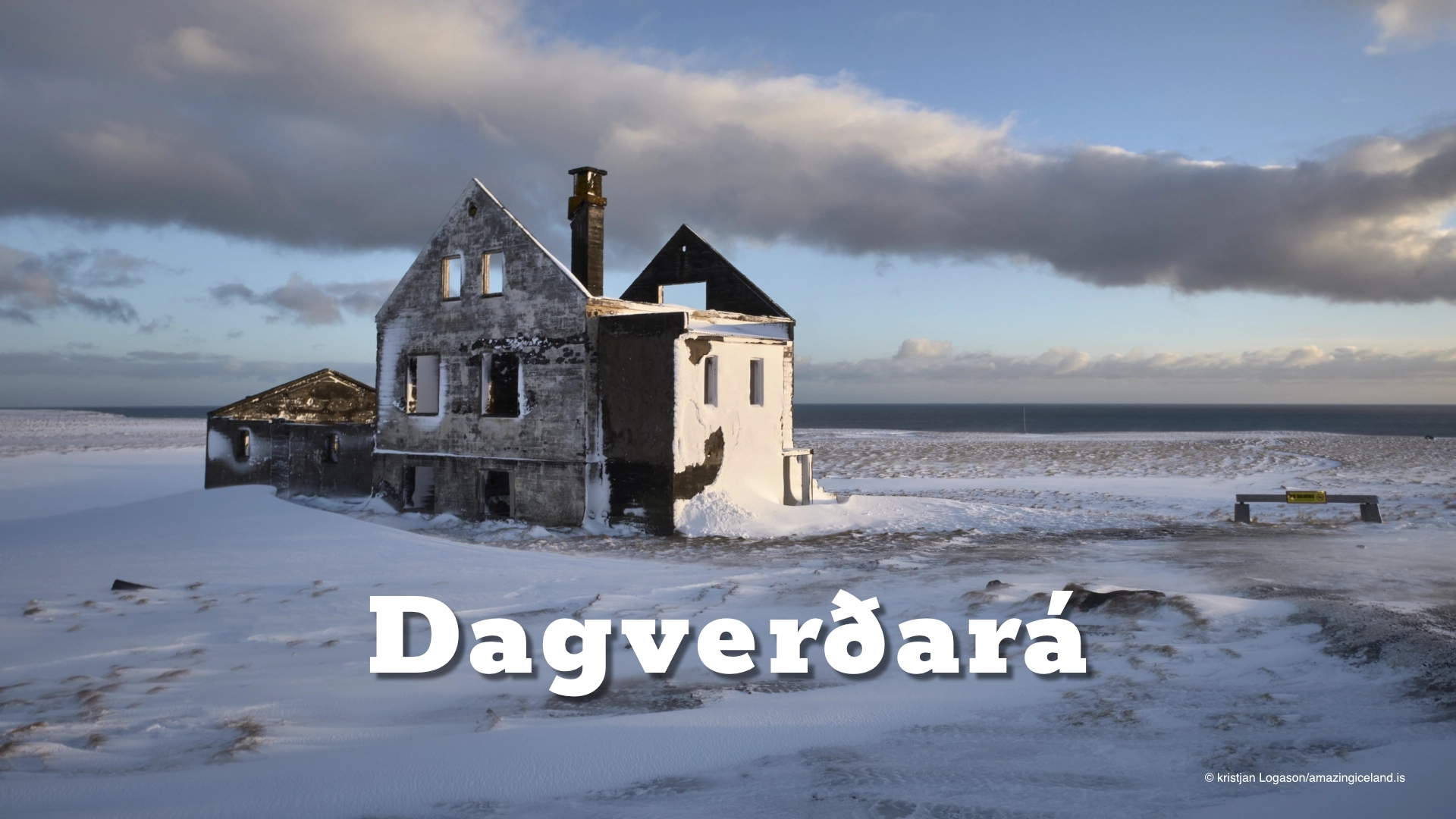
Dagverðará farm on Snæfellsnes peninsula
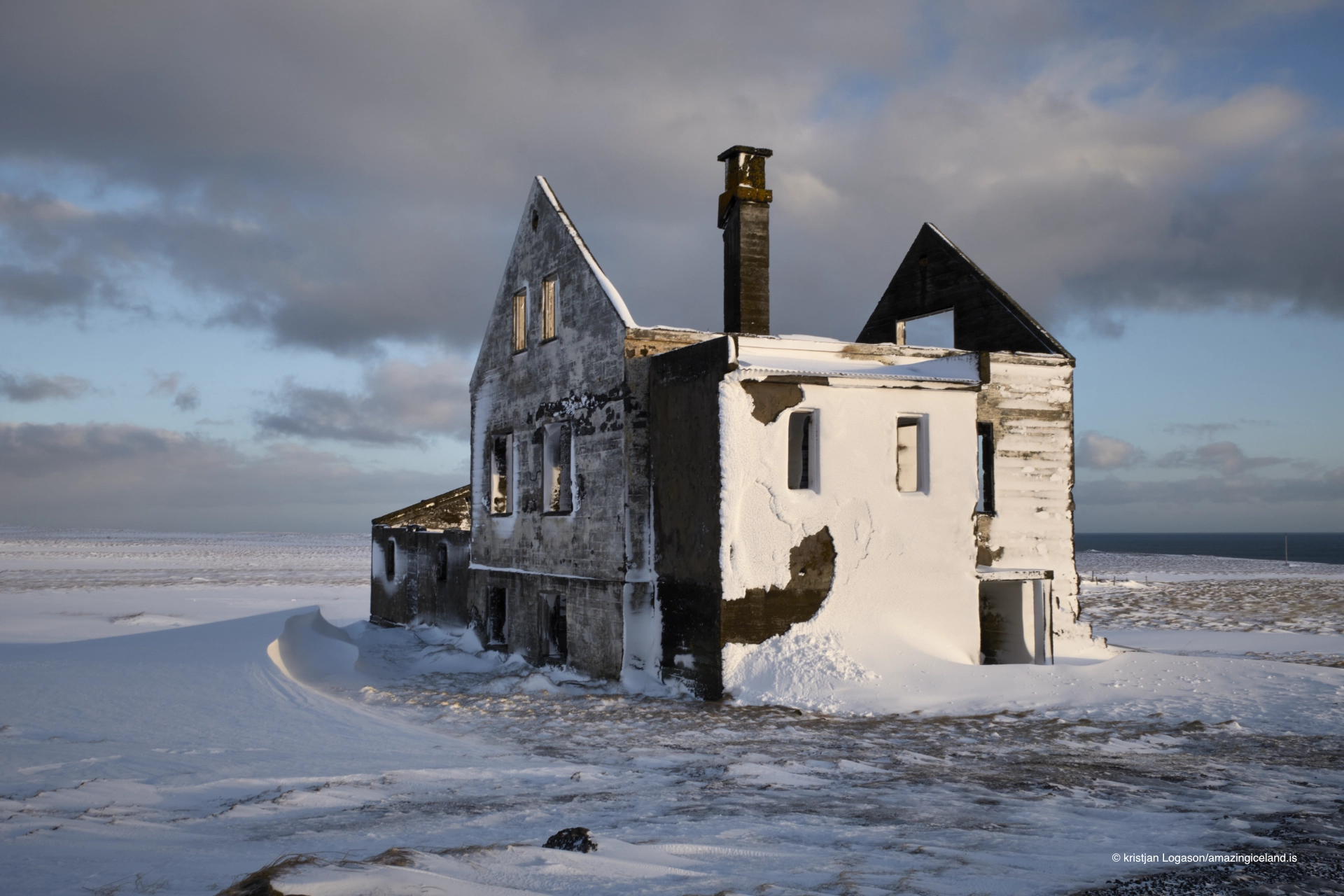
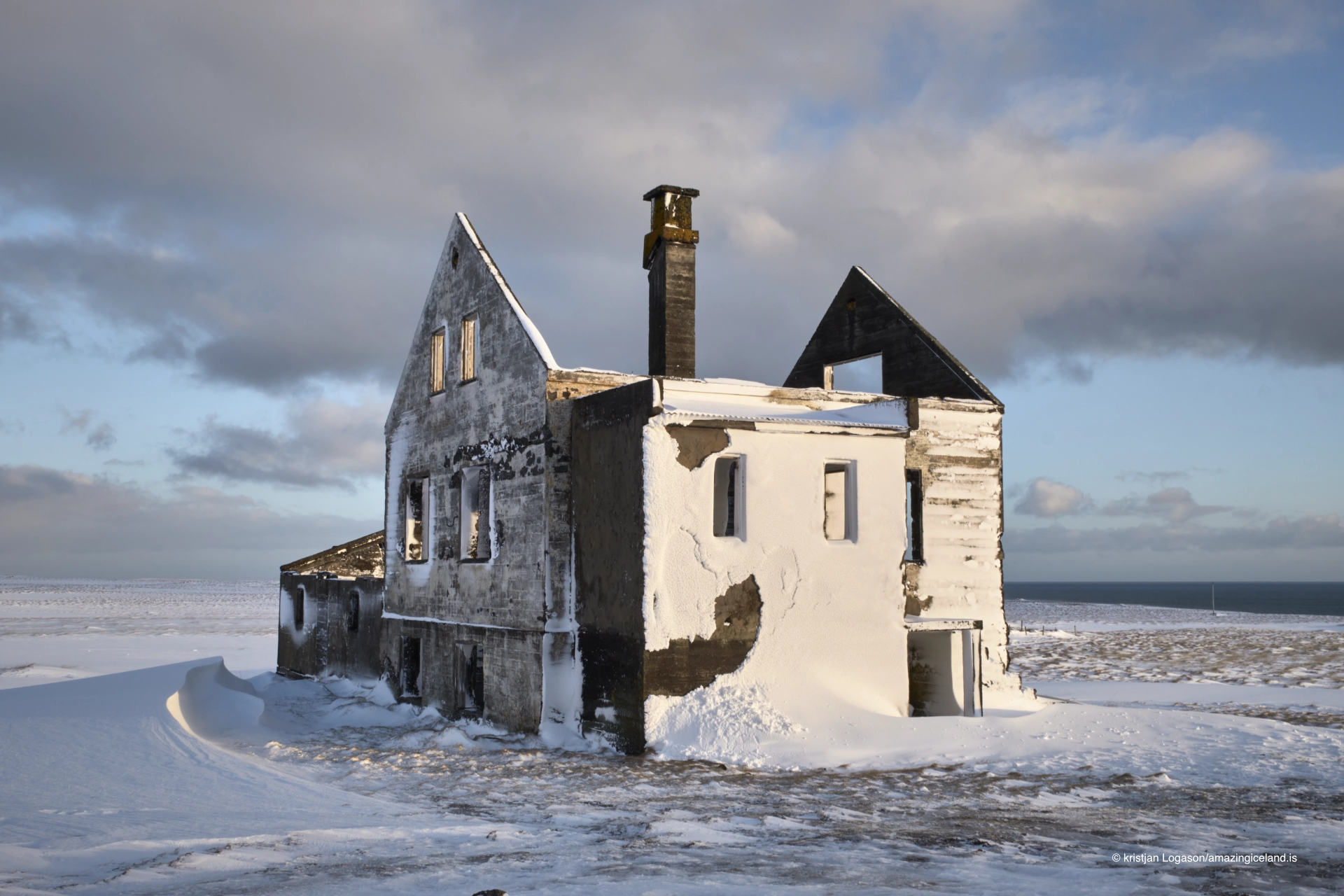
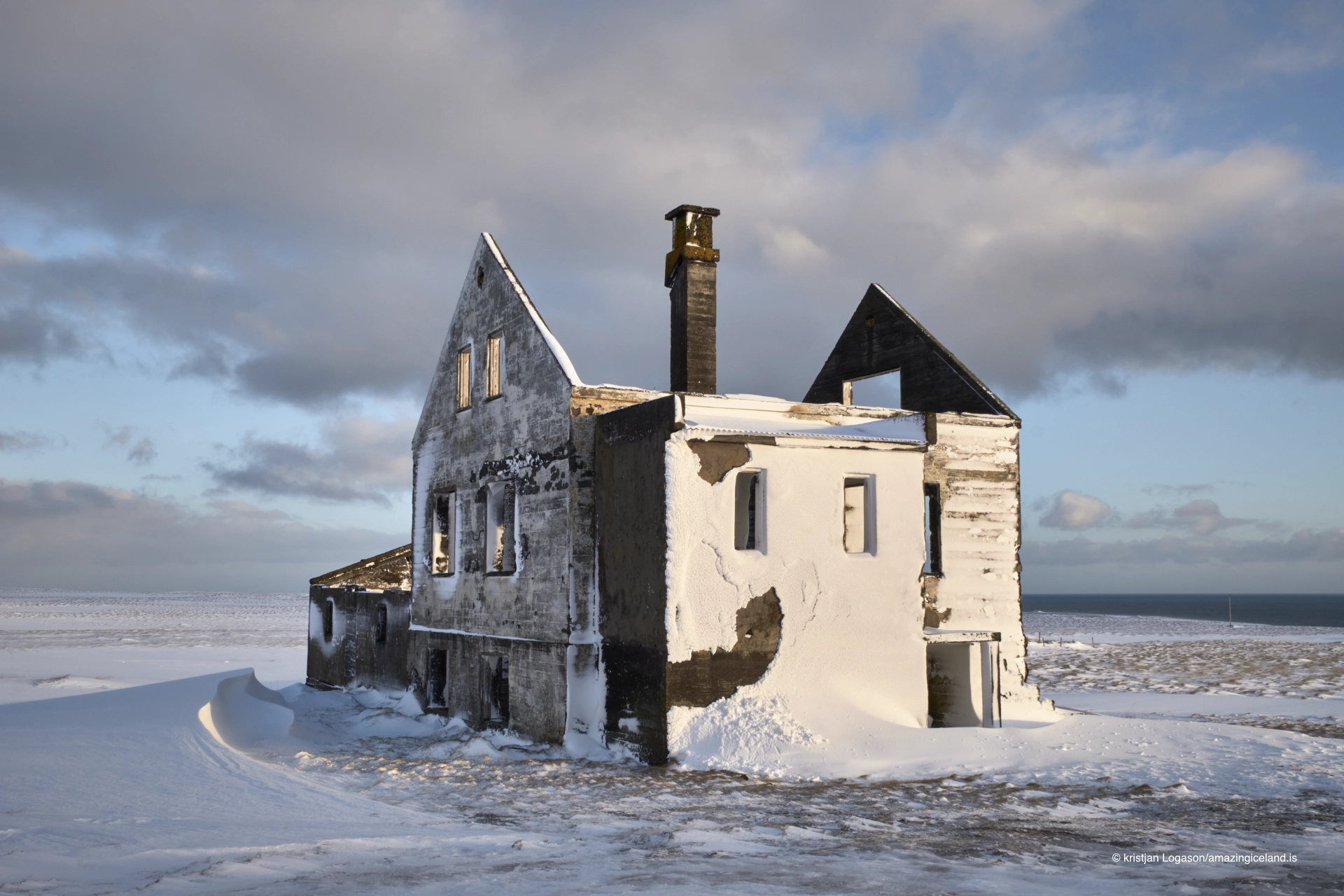
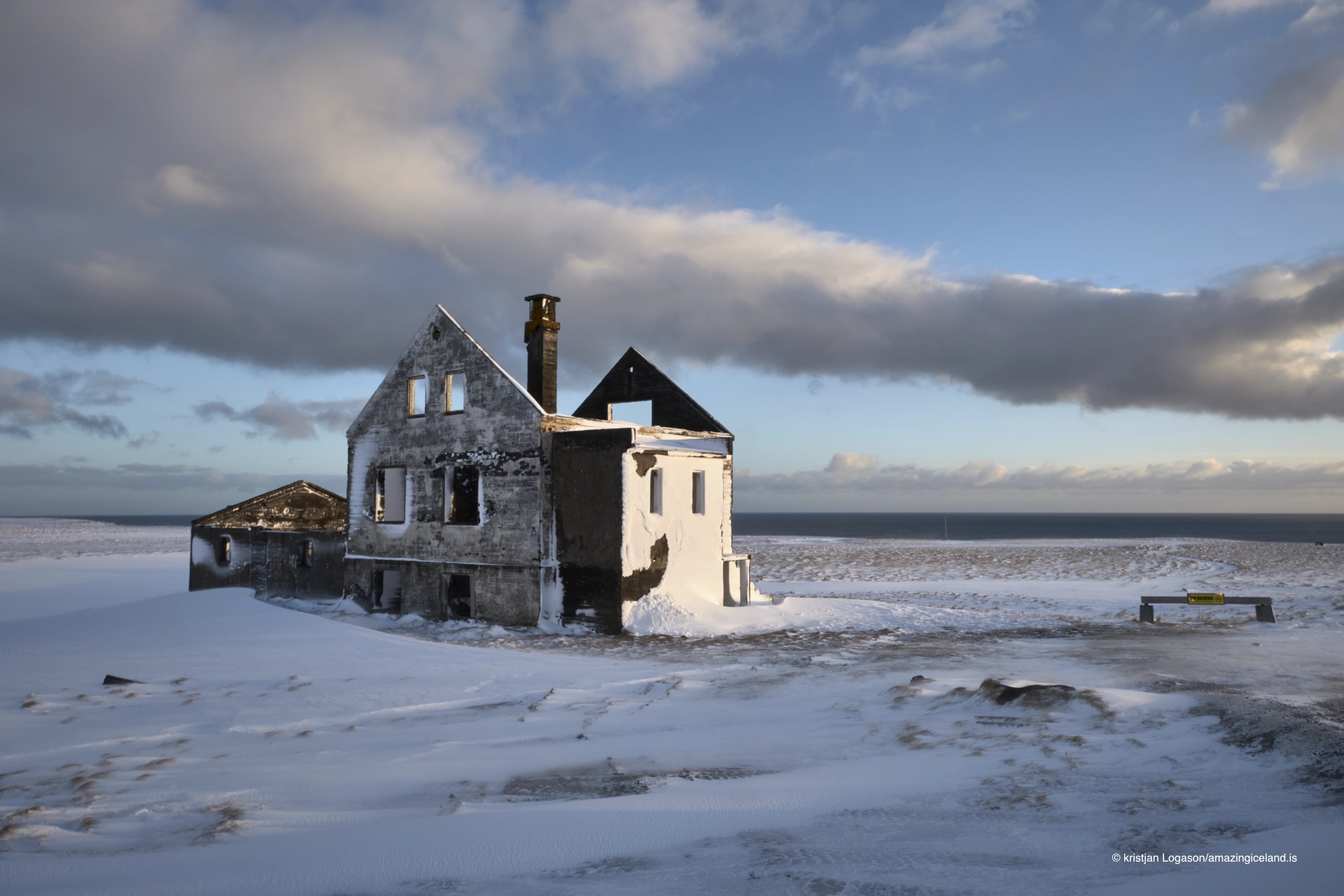
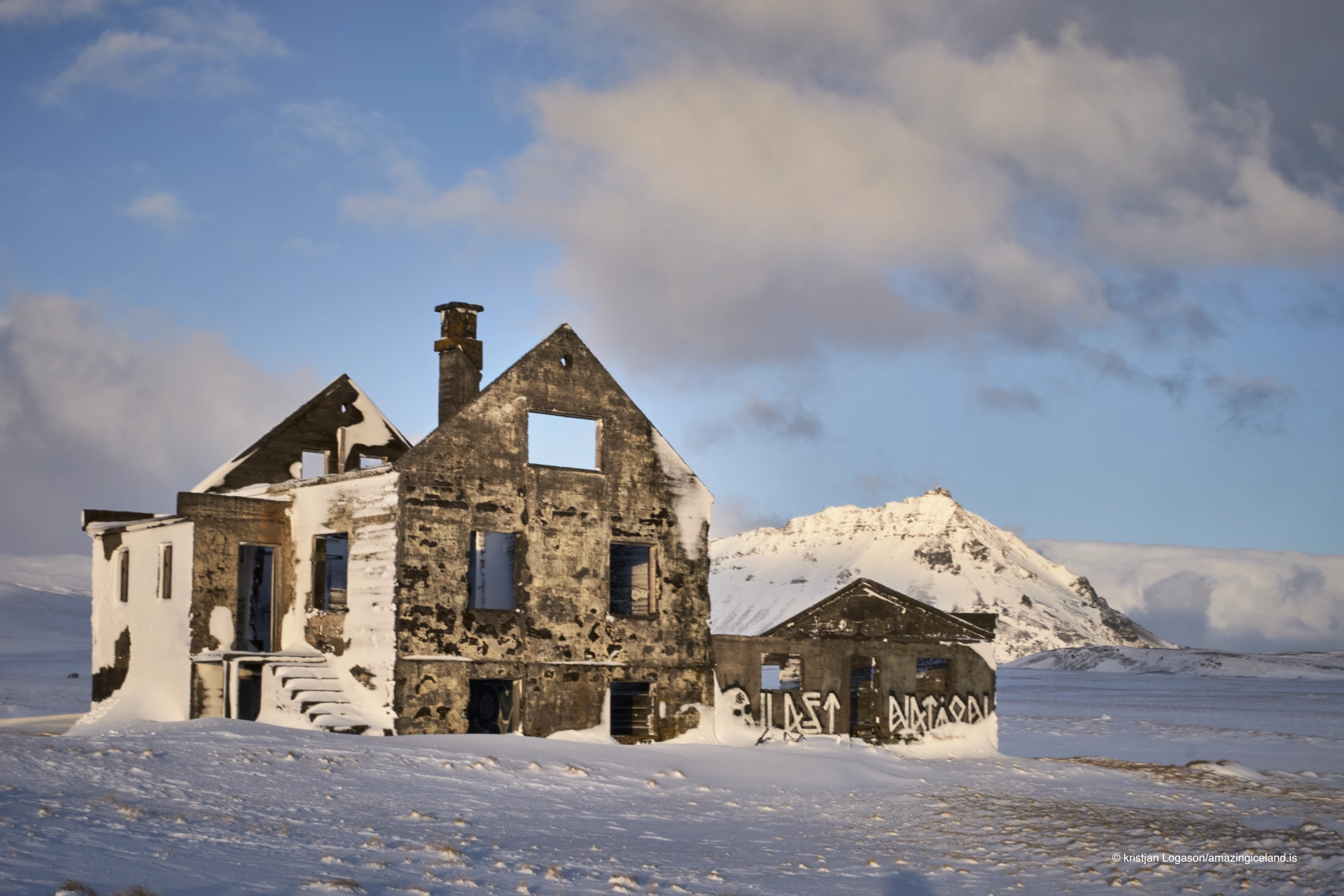
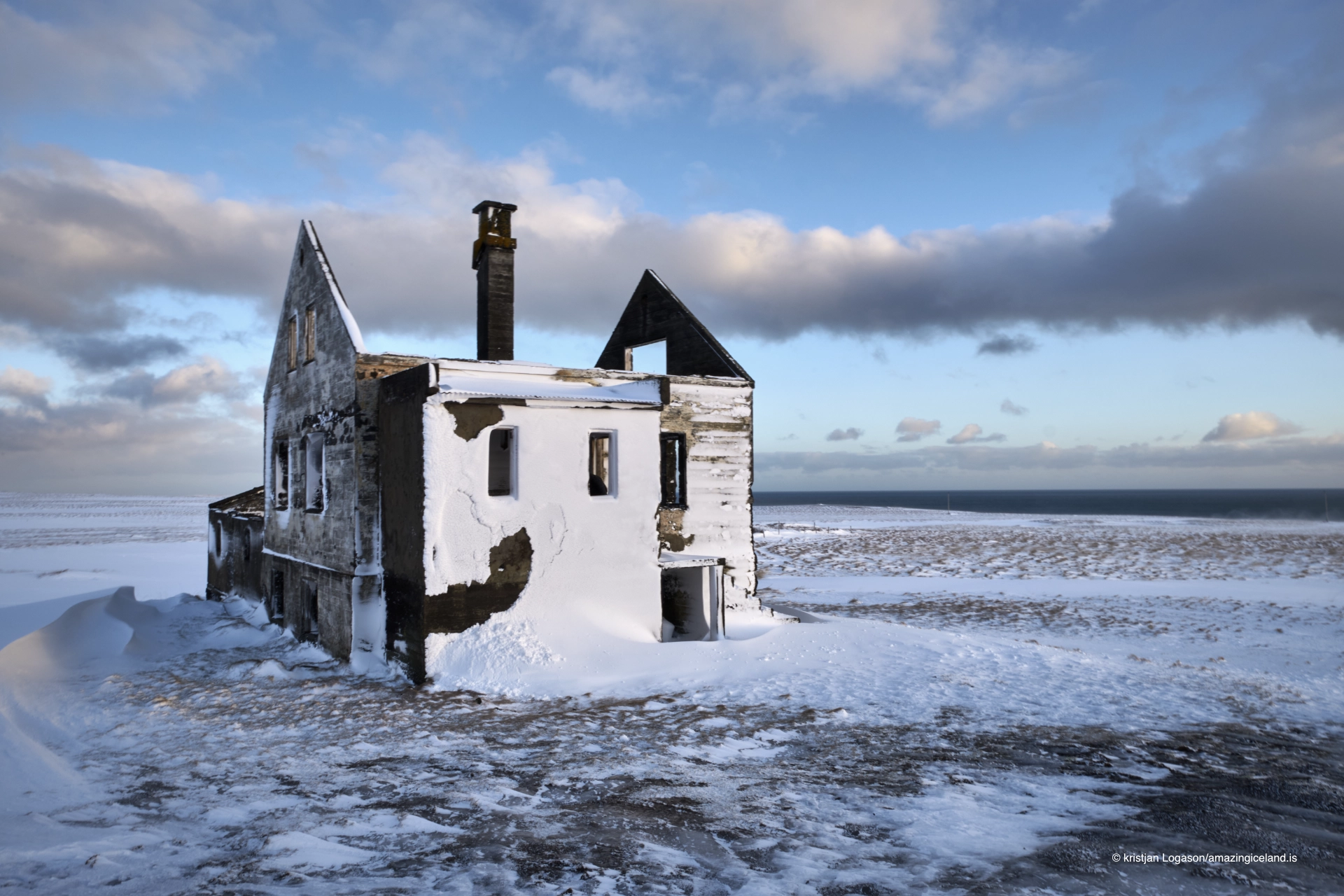
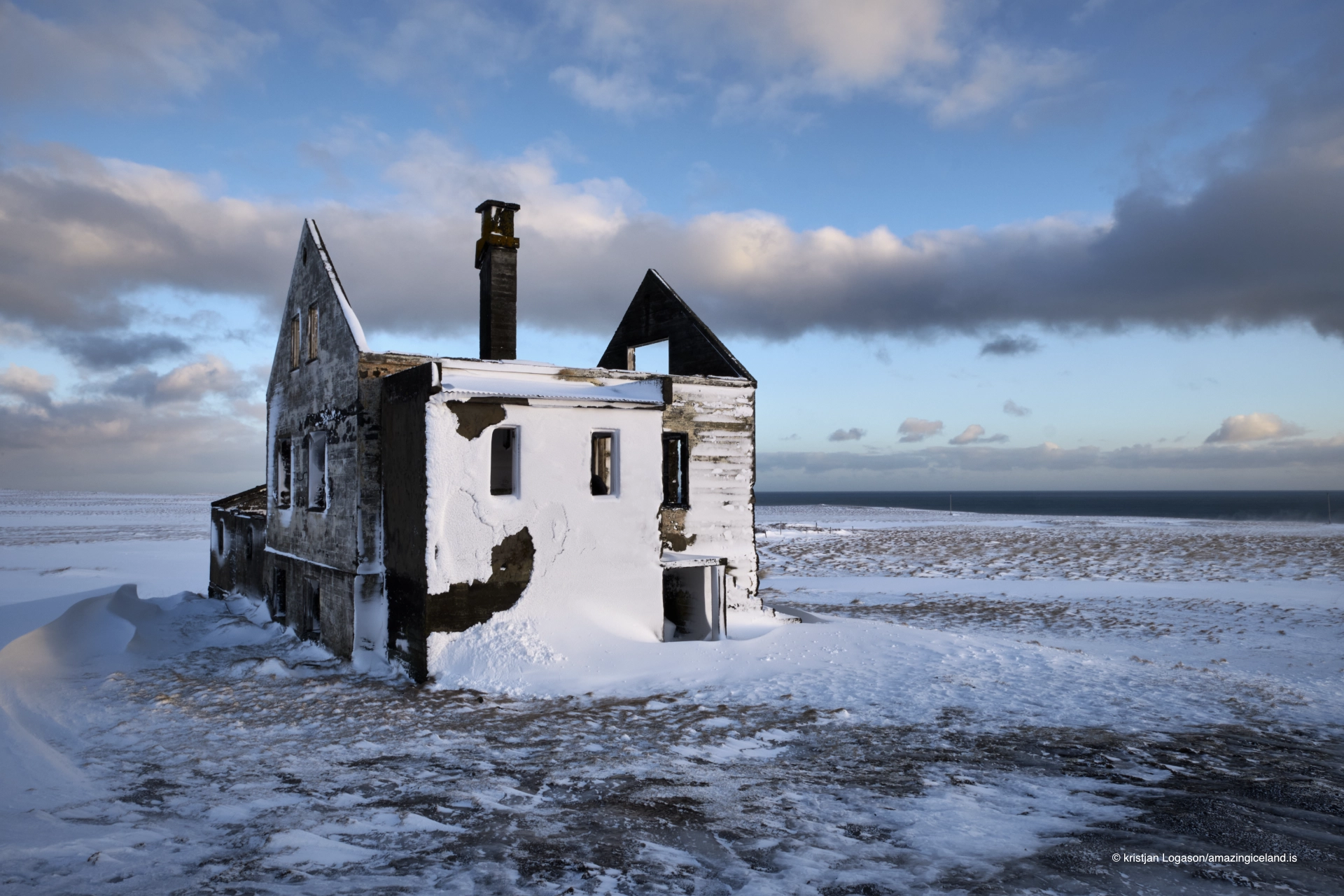
Dagverðará is an abandoned farm on the southern side of the Snæfellsnes Peninsula, immediately east of Snæfellsjökull National Park. What remains today is a weathered concrete farmhouse standing in open country beneath Snæfellsjökull.
The reason Dagverðará deserves more than a passing photograph of a ruin is **Þórður Halldórsson from Dagverðará**. He became known far beyond the farm as a fisherman, fox hunter, poet, painter, writer and storyteller, a man surrounded by stories about hunting, shipwrecks, premonitions, curses and the strange world beneath Snæfellsjökull.
The ruin gives those stories a place. Without Þórður and the family connected to Dagverðará, the farmhouse would be one of many abandoned rural buildings around Iceland. With them, it becomes part of the cultural landscape of Snæfellsnes.
The location of Dagverðará farm on Snæfellsnes peninsula
Latitude
64.8046
Longitude
-23.7764
Dagverðará farm on Snæfellsnes peninsula
Þórður from Dagverðará
Þórður Halldórsson was born in 1905 and lived until 2003. He belonged to a generation that knew the western end of Snæfellsnes through direct experience rather than through maps, marked trails and interpretation boards.
Þórður farmed, fished and hunted foxes. He also painted, wrote poetry and became known as an exceptional storyteller whose interests extended far beyond everyday farm life.
Stories associated with him include shipwrecks, hunting, premonitions, curses, supernatural forces and the folklore surrounding Snæfellsjökull. That reputation sometimes led to Þórður being described as a kind of modern Icelandic sorcerer, but it is better understood as part of his character and the storytelling tradition around him than as a literal description.
He published poetry and other writing during his lifetime, including Er allt sem sýnist? and Ennþá dugar rímað stefið, while his memories and stories were also preserved in Setið á Svalþúfu.
Þórður is therefore the main reason Dagverðará is more than an abandoned farm. The place survives physically through the house, but culturally through the stories attached to him.
A family of stories and poetry
Þórður was not the only member of the family associated with Dagverðará who wrote or composed verse. His sister Helga Halldórsdóttir lived at Dagverðará with her husband, Hallgrímur Ólafsson, and their daughter Aðalheiður grew up at the farm.
The family had a strong tradition of poetry and verse-making, and Helga later published the book Öll erum við menn.
That tradition gives Dagverðará a more specific identity than general rural history. This was not simply a farm where people worked the land and sea.
It was a place where the landscape was talked about, remembered, turned into verse and stories, and carried forward after farming itself had ended. The cultural memory of Dagverðará therefore outlived the practical purpose of the farm.

The house and the end of farming
The surviving farmhouse is a concrete building dating from around 1930. That places it in a period when concrete houses were replacing older Icelandic farm buildings and rural families were adopting more modern forms of housing.
Farming at Dagverðará appears to have ended around 1957. The house remained in use for some time afterwards but was abandoned by approximately 1971.
Those dates should be treated as approximate rather than as exact turning points, but they describe the broad sequence well: first the end of farming, then the eventual abandonment of the house itself.
Concrete has allowed the building to survive in a form that older turf structures rarely do. Walls, window openings, doorways and the basic shape of rooms remain readable even after decades of exposure to wind, rain, snow and frost.
The building is therefore still recognisable as a home rather than simply as an archaeological ruin.
The ruins today
Dagverðará stands close to the boundary of Snæfellsjökull National Park, but the farm itself lies immediately outside the park.
There is no interpretation centre or formal presentation of the ruins. The building can be approached and walked around, and access has traditionally been accepted.
The structure is weathered but remains substantial enough to understand as a former home rather than as a pile of debris. Doors, windows and rooms can still be read in the remaining walls.
That distinction is important. Standing there, it is possible to imagine the house as part of a working farm rather than as something reconstructed for visitors.
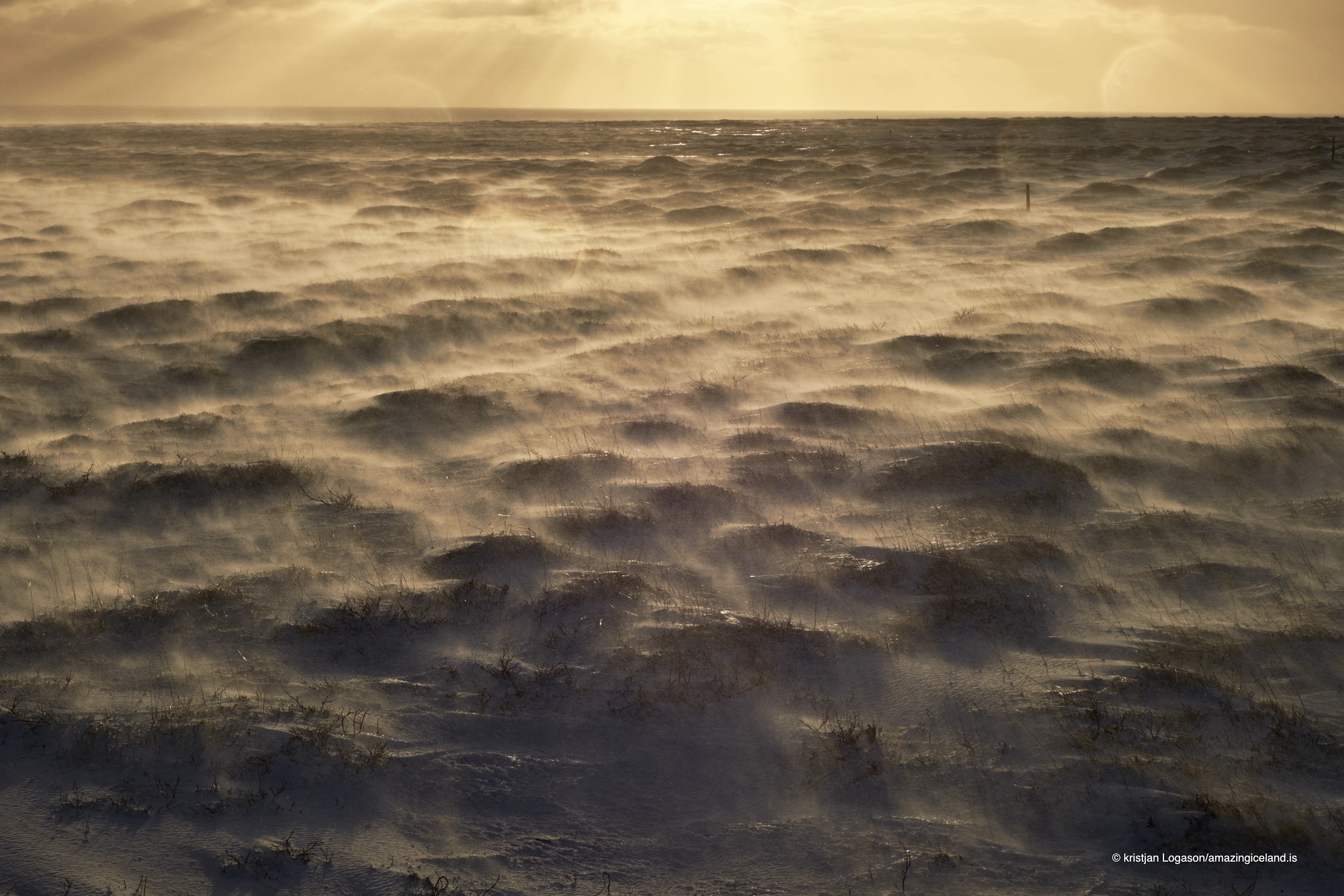
The surrounding land remains open and exposed, with Snæfellsjökull dominating the wider setting. The ruin only makes full sense when seen within that landscape.
More than an abandoned farm
It would be easy to use Dagverðará merely as an example of the widespread abandonment of marginal Icelandic farms during the twentieth century. That is part of the story, but it is not the most interesting part.
The farm matters because people are attached to it. Þórður gives the ruins one voice, while Helga and the family’s poetry give them another.
Without those stories, Dagverðará would be an anonymous concrete house slowly weathering beside the road. With them, the farm becomes part of the cultural landscape of Snæfellsnes.
It is a place where farming, fishing, hunting, storytelling and belief were still closely connected, and where the memory of the people who lived there has survived longer than the work that once sustained the farm.
Interesting facts:
-
- Þórður Halldórsson from Dagverðará lived from 1905 to 2003.
- He was known as a farmer, fisherman, fox hunter, poet, painter, writer and storyteller.
- His stories included hunting, shipwrecks, premonitions and supernatural traditions associated with Snæfellsjökull.
- Þórður published poetry and other writing during his lifetime.
- His sister Helga Halldórsdóttir also became a published writer.
- The surviving concrete farmhouse dates from around 1930.
- Farming appears to have ended around 1957.
- The house was abandoned by approximately 1971.
- Dagverðará lies immediately east of Snæfellsjökull National Park, rather than inside it.
- There is no formal interpretation at the ruins.
Image Gallery
Photography tips:
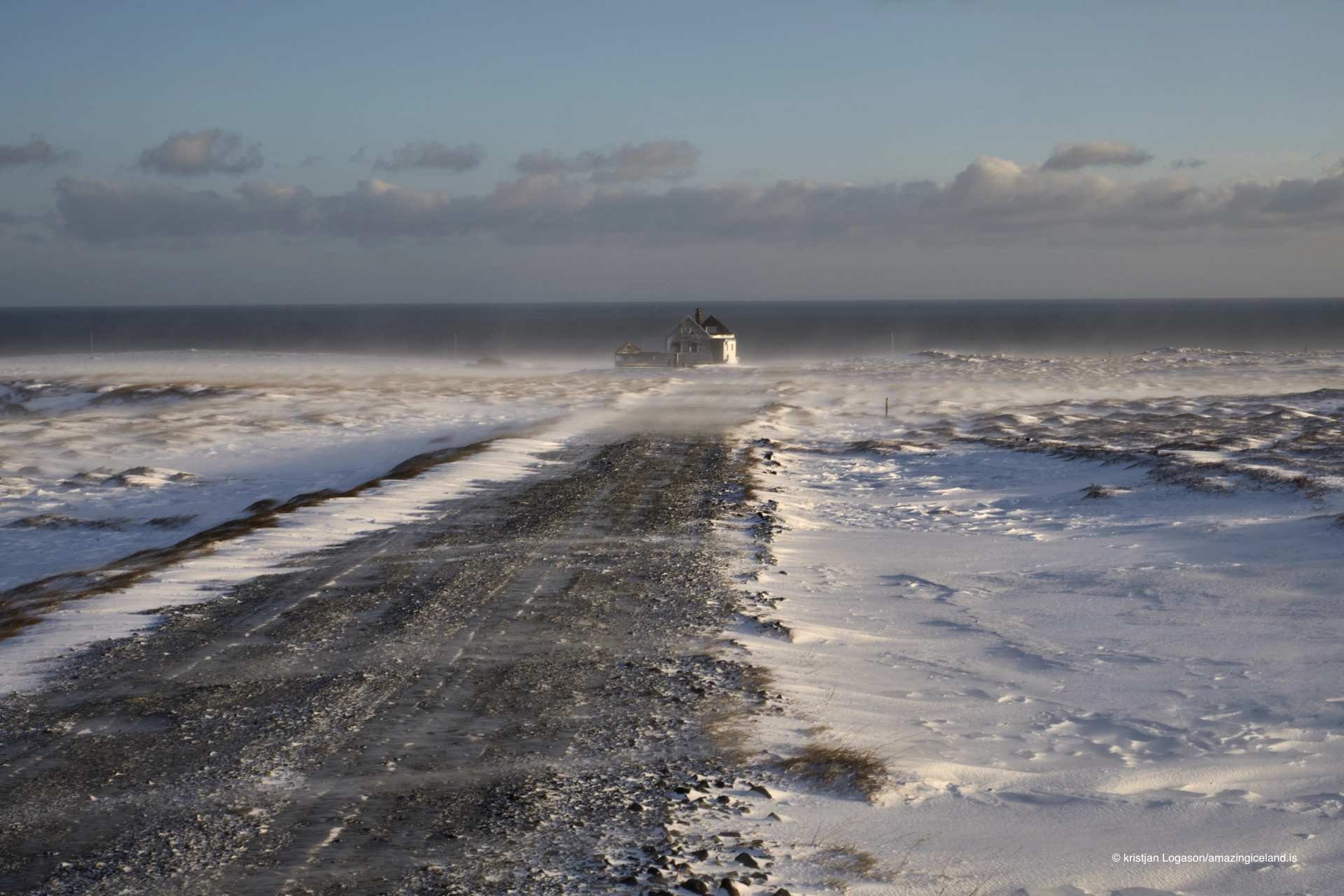
- Keep the ruin within the landscape rather than turning it into an exaggerated dramatic object. The surrounding open country is essential to understanding the place.
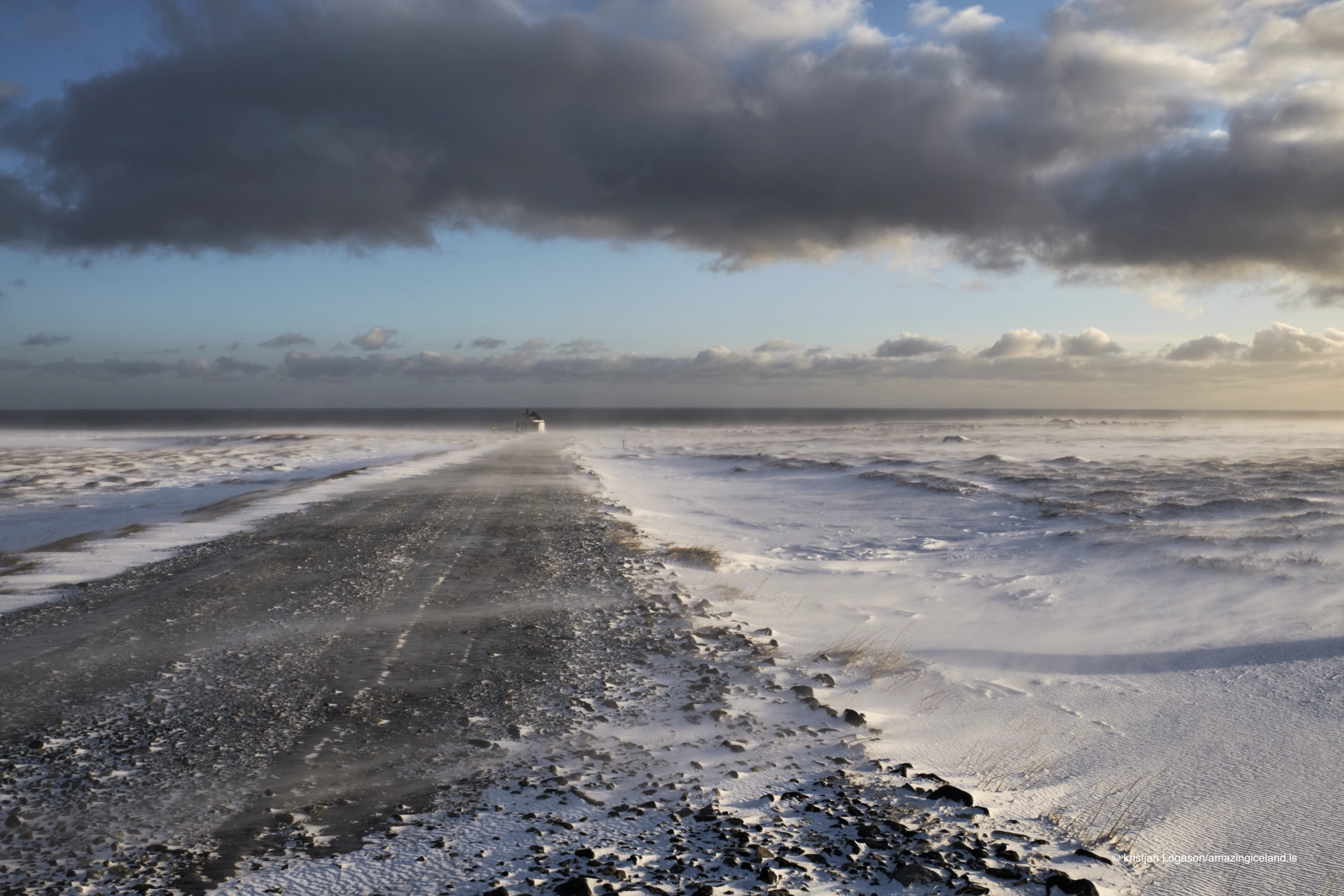
- Wide compositions work especially well because they show the isolation of the farmhouse and its relationship with Snæfellsjökull.
- Use the empty window openings, doorways and remaining walls as simple geometric elements without overworking them.
- Avoid dramatization. This is erosion, not collapse. The building is slowly weathering rather than presenting a scene of sudden destruction.
- Flat or overcast light can work very well because it keeps attention on the relationship between the structure and the land.
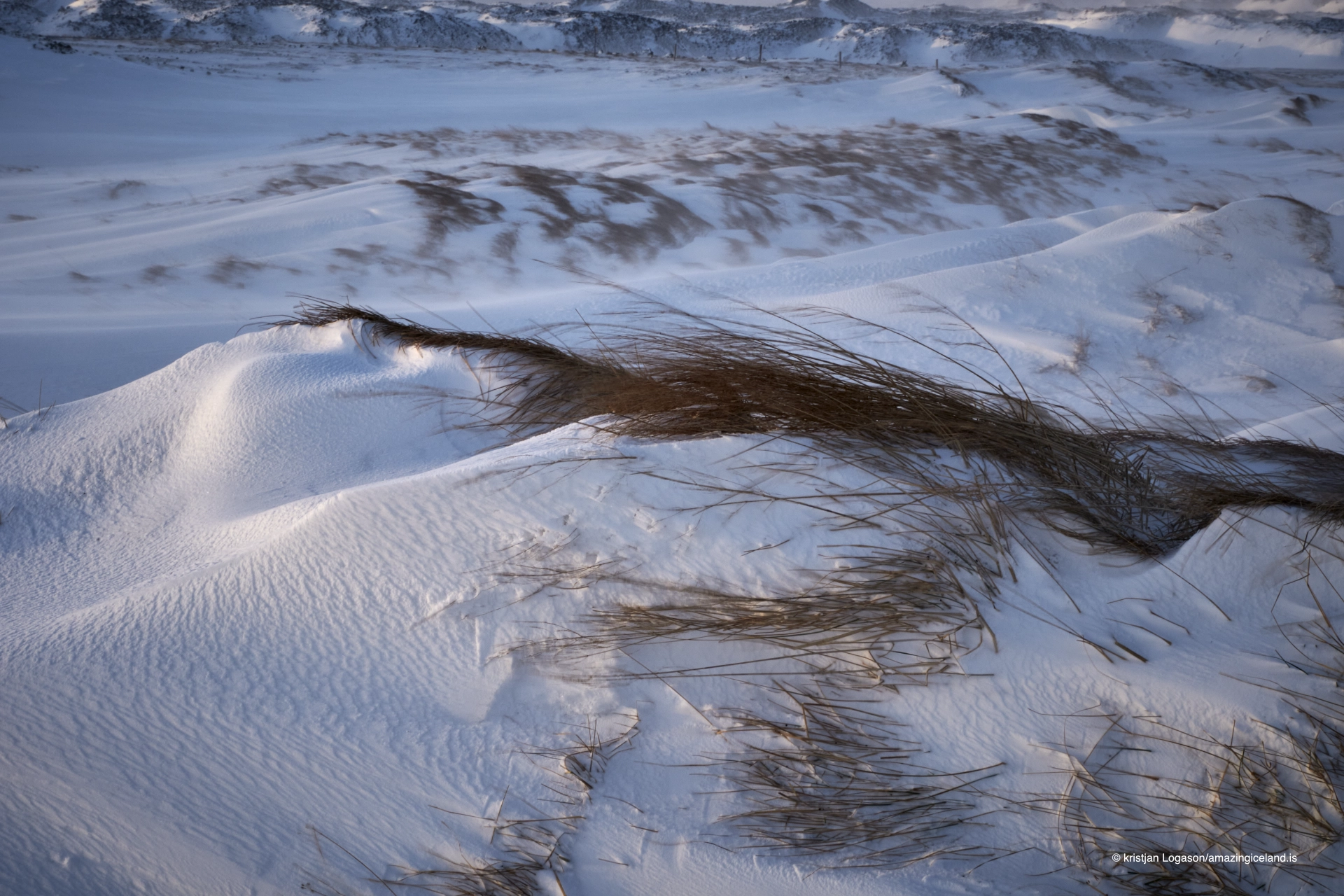
- Snow simplifies the landscape and separates the darker building from the ground, which makes winter particularly effective photographically.
- Include Snæfellsjökull when conditions allow, but let the farm remain the main subject rather than allowing the mountain to dominate the frame.
- Details of worn concrete, openings and interior surfaces can complement wider views, but they work best as part of a small sequence rather than as isolated ruin photography.
Destinations nearby