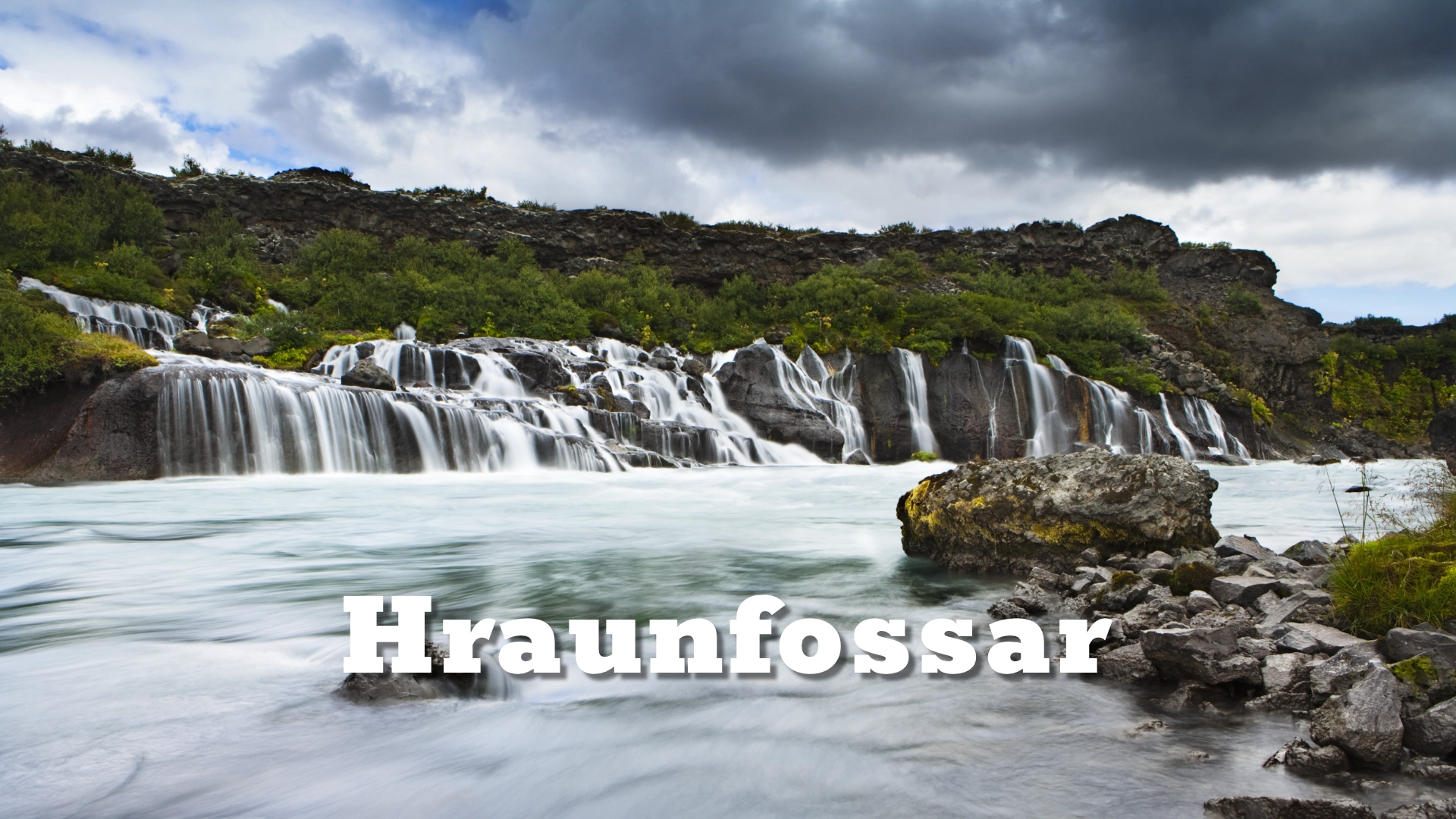
Bifröst university village in West Iceland
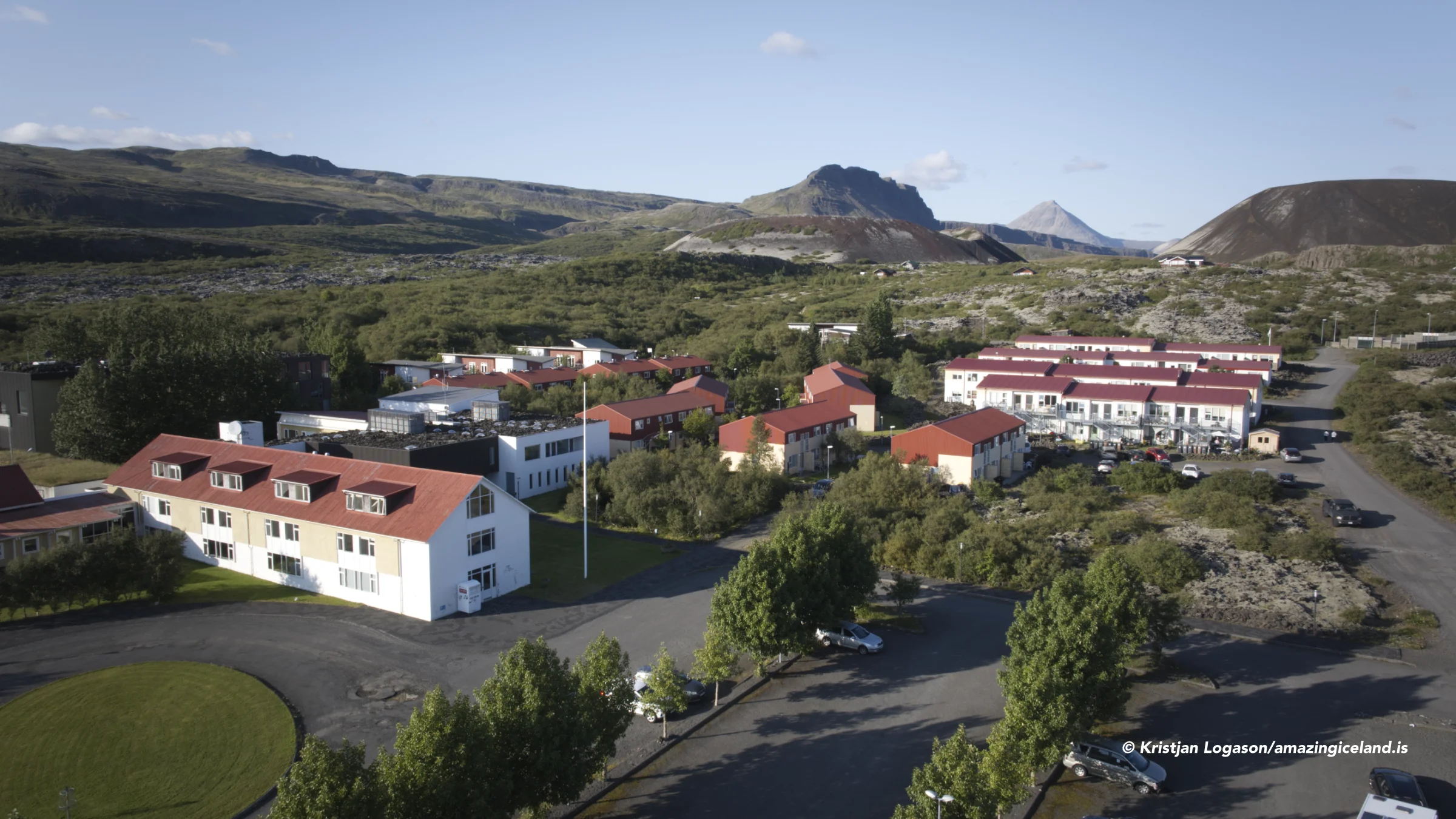
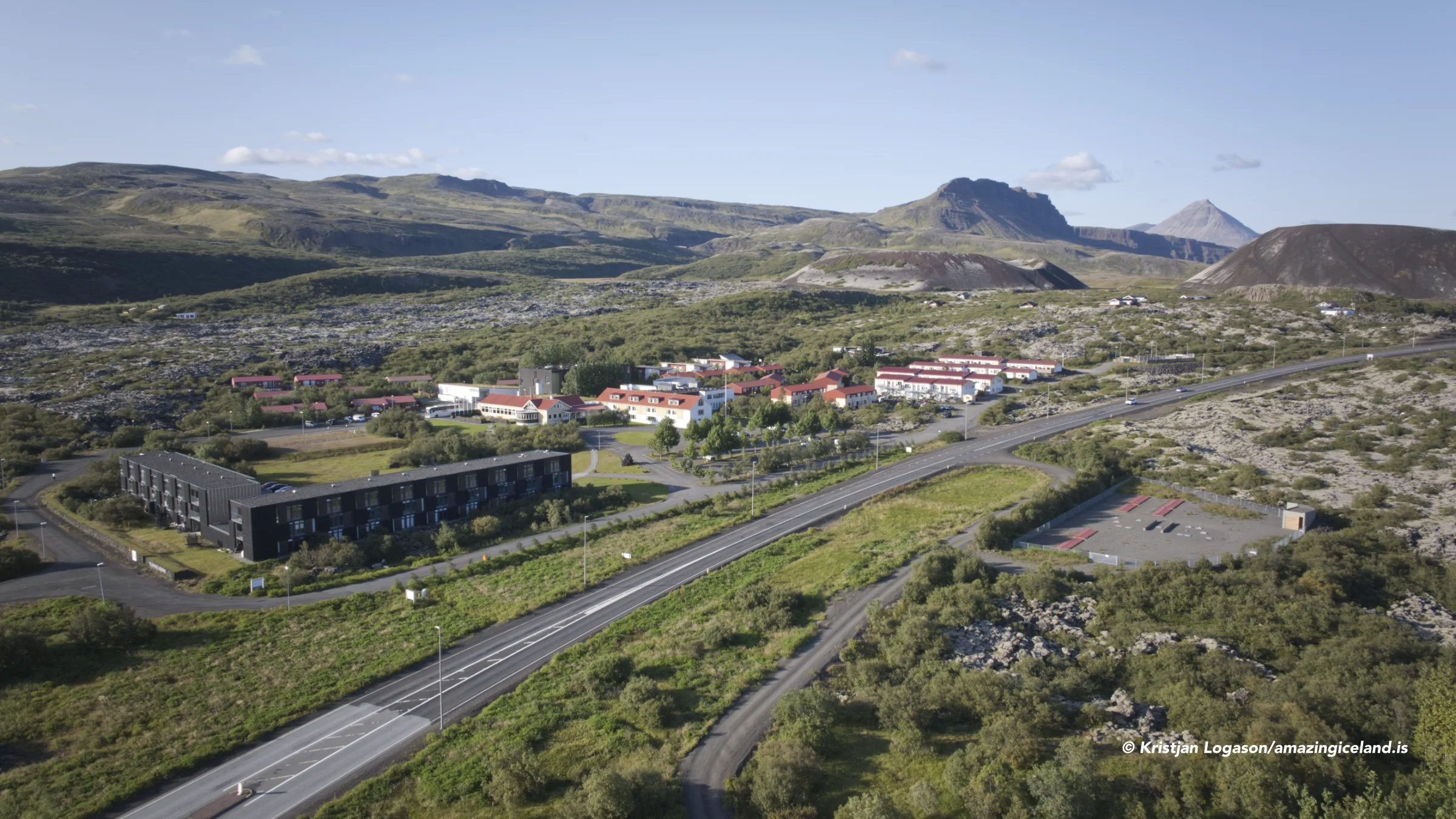
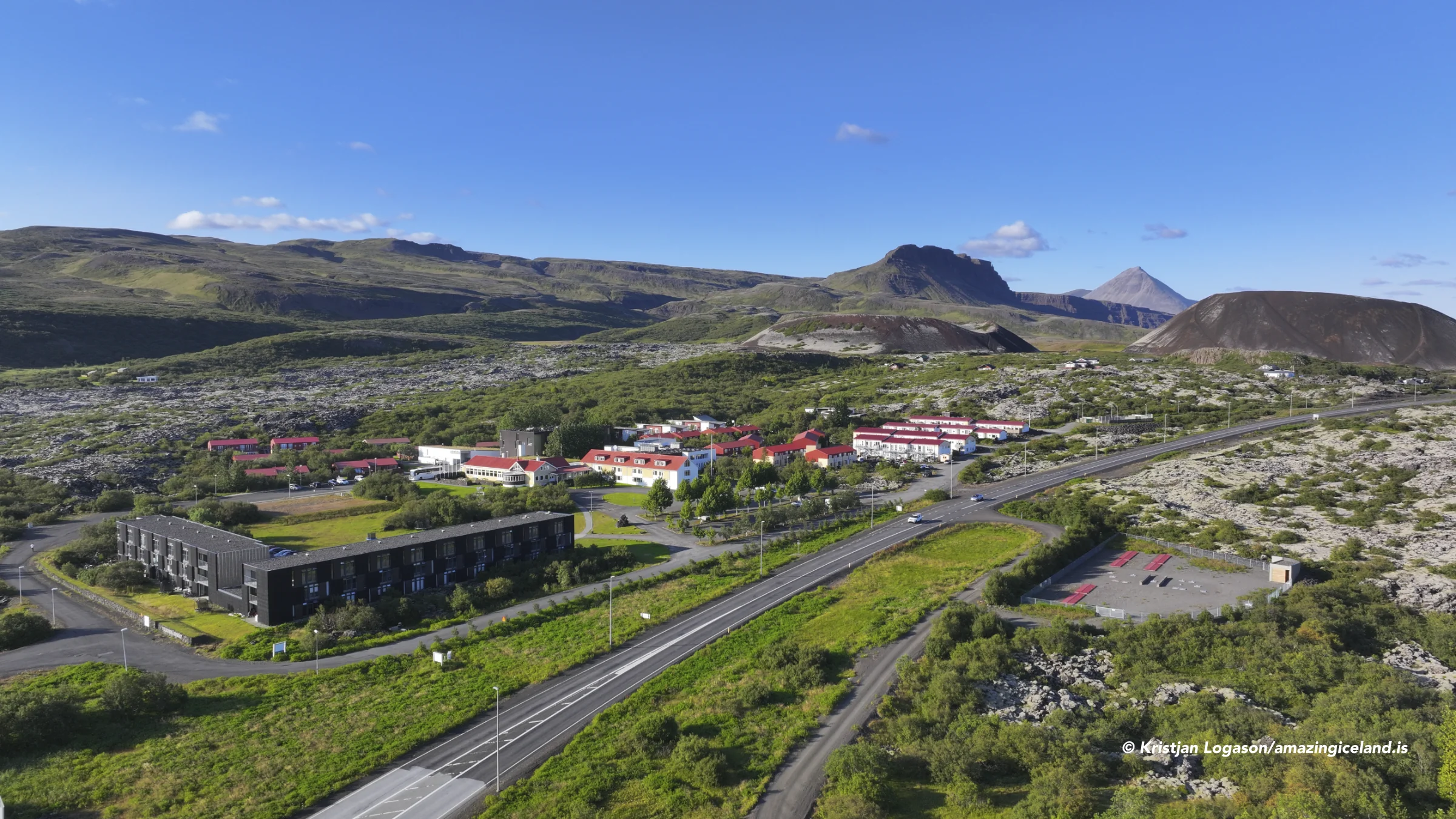
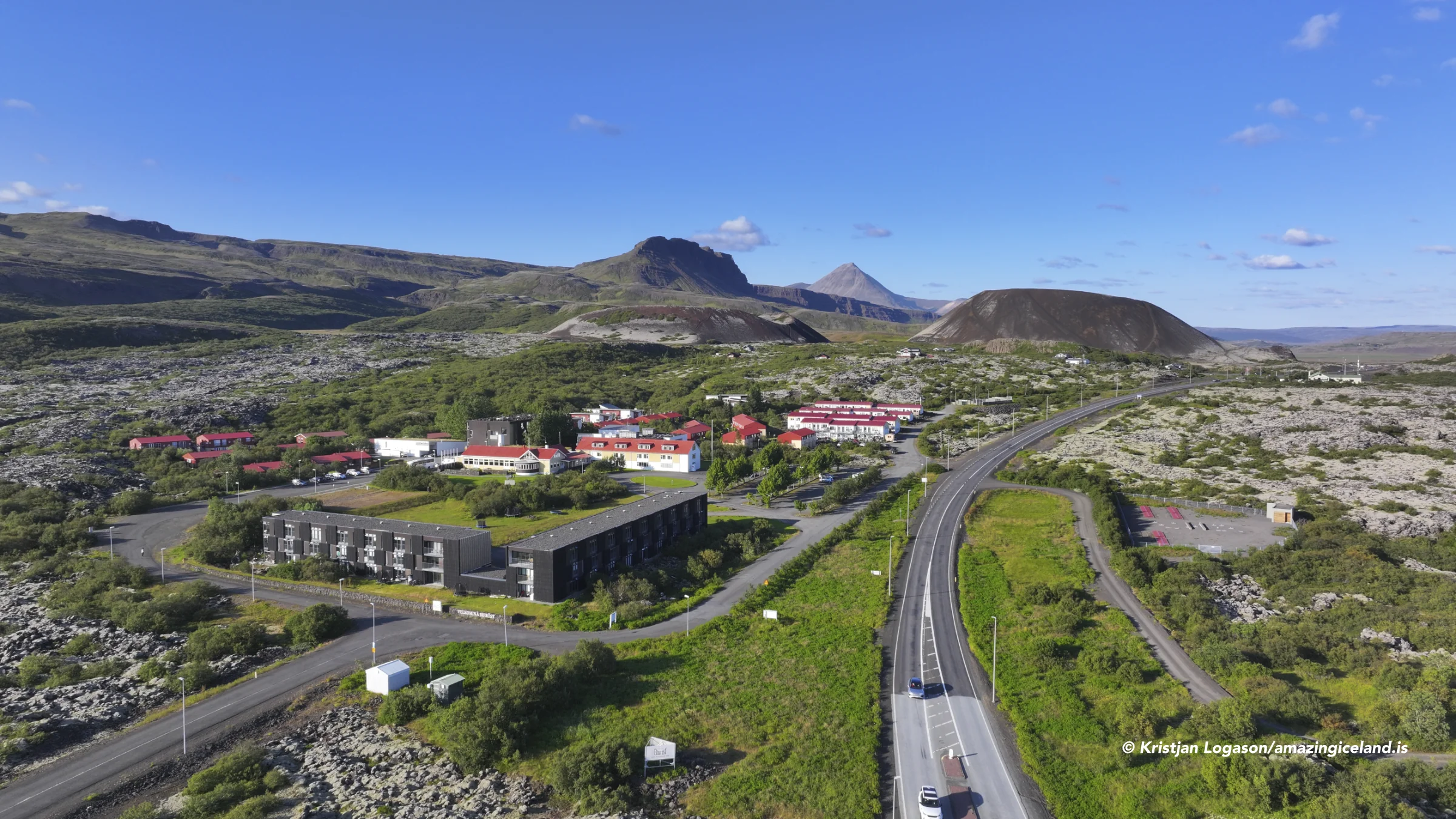
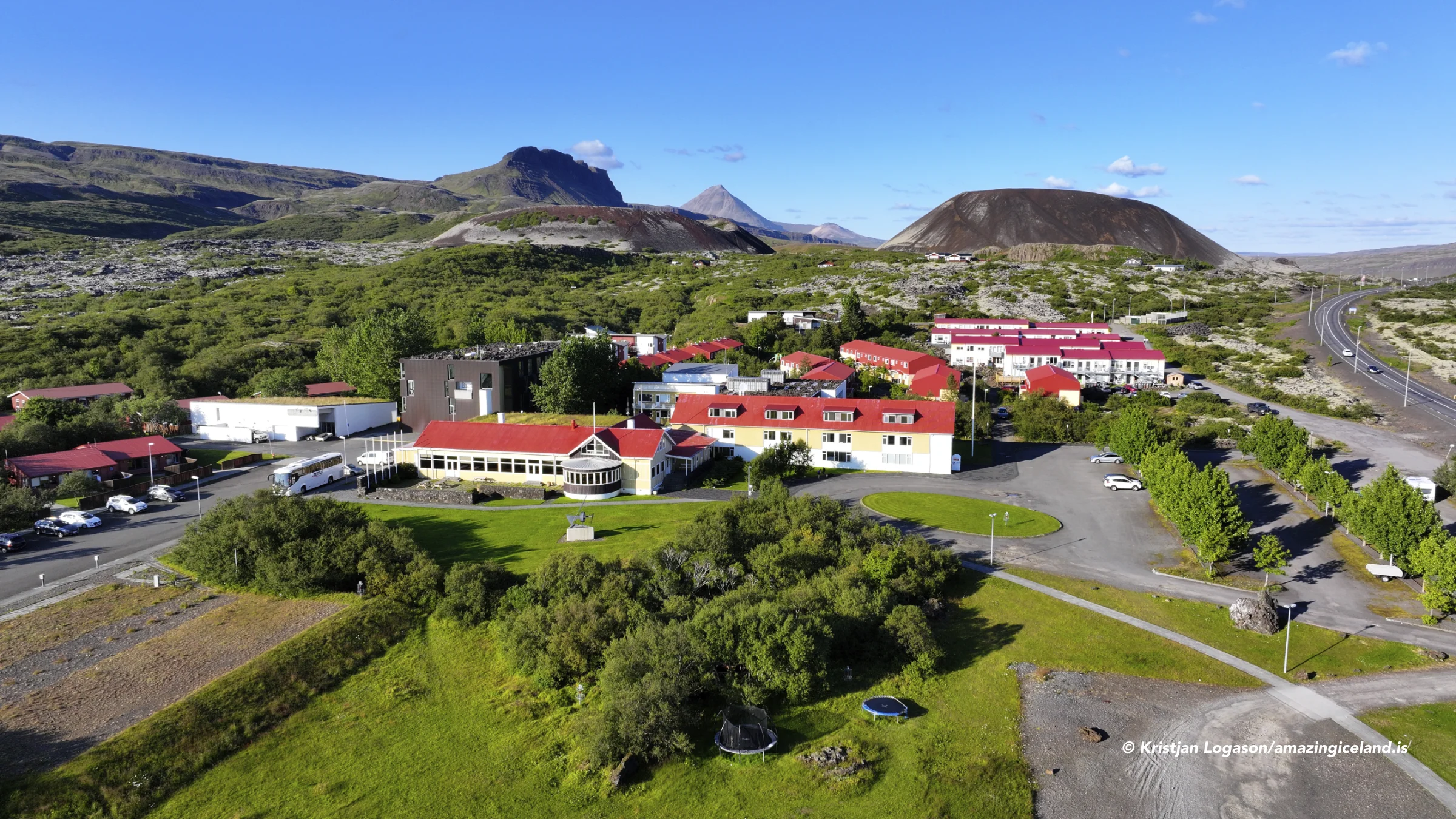
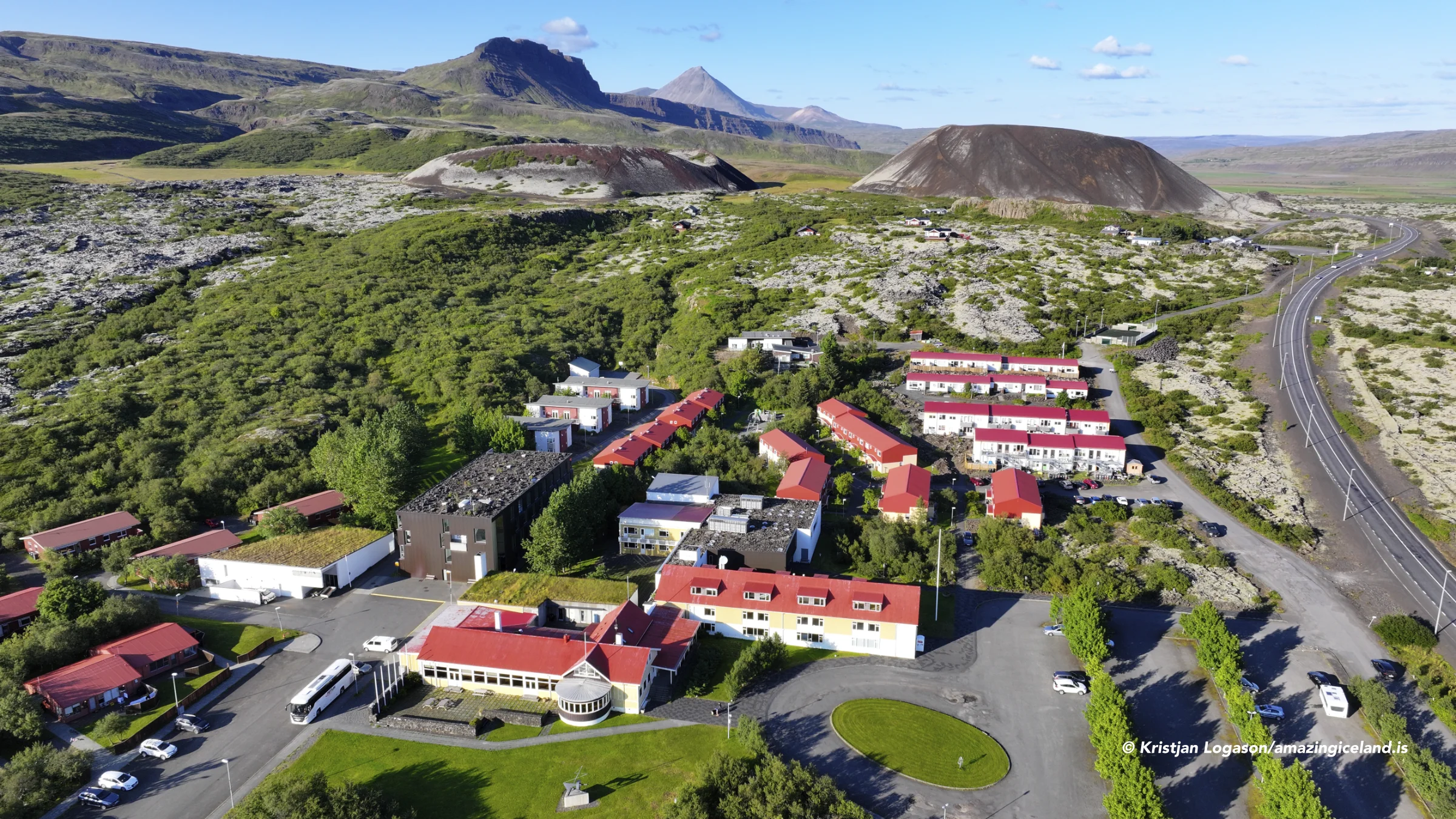
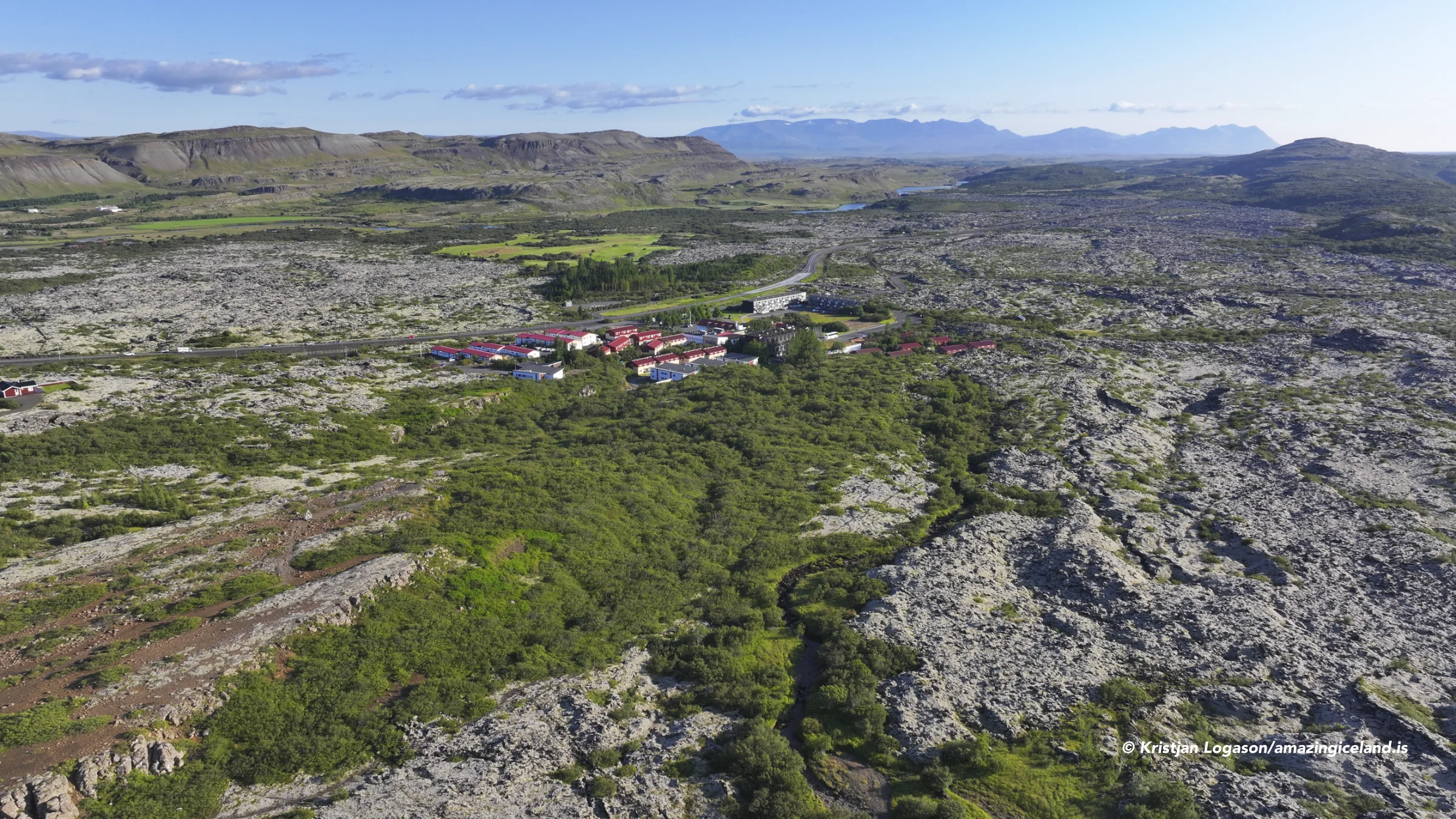
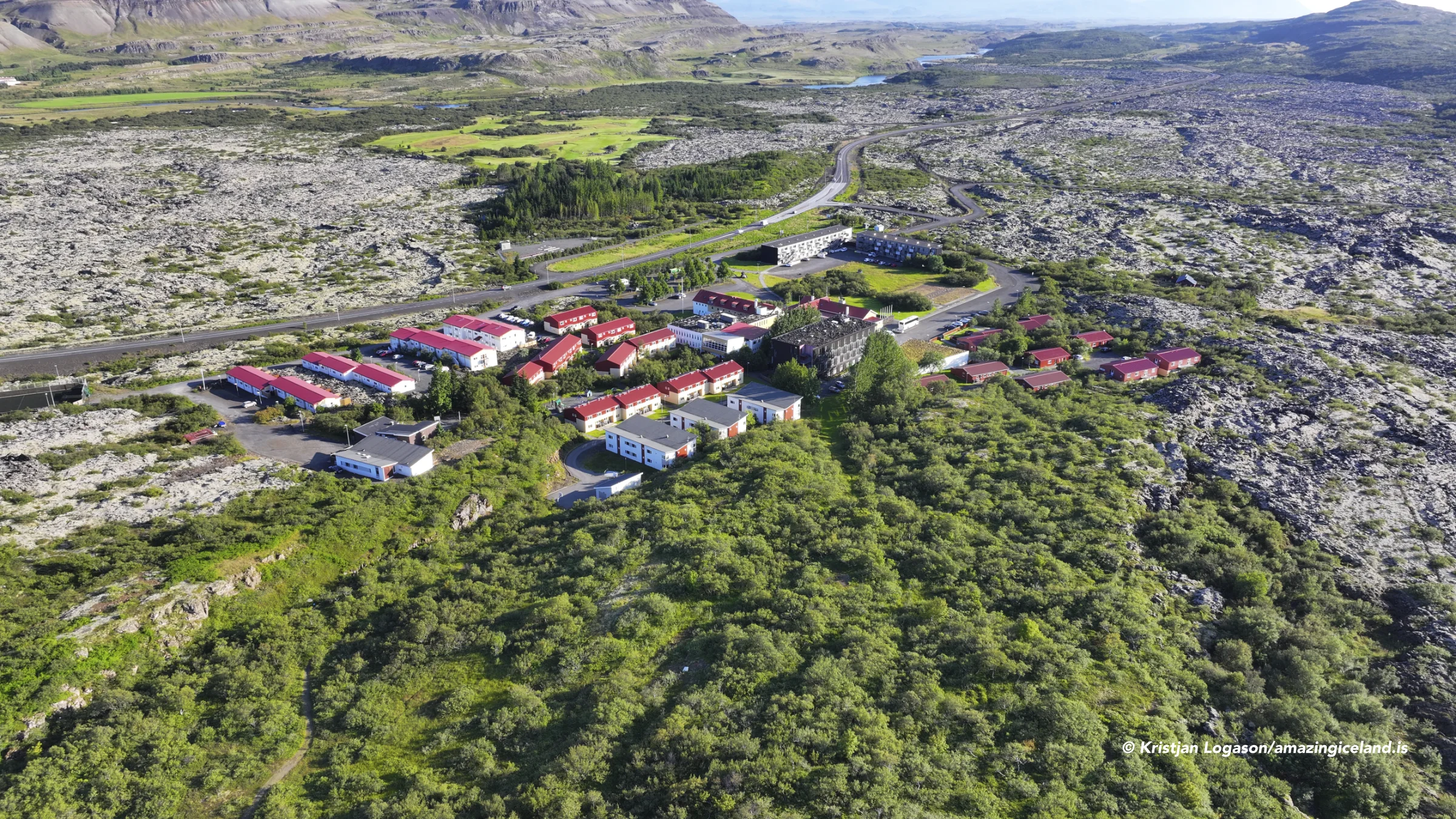
Bifröst is a small settlement in Norðurárdalur, approximately 30 kilometres north of Borgarnes. It stands beside Route 1 in a landscape formed by Grábrókarhraun, with the Grábrók craters rising immediately above the settlement and Hreðavatn nearby. Unlike most Icelandic villages, Bifröst did not develop around fishing, farming or a trading harbour. It was created around a school.
The Icelandic Cooperative College moved here in 1955 and developed into Bifröst University. For decades, students, teachers and their families gave the place the character of a residential academic community. The university became particularly associated with business and management education before the financial crash of 2008. Its later move toward online teaching gradually removed the need for a permanent campus population.
The former university village has since undergone another transformation. Housing originally intended for students and staff was offered to people fleeing Russia’s invasion of Ukraine. What began as temporary reception accommodation developed into a substantial Ukrainian community, even though Bifröst is isolated from employment and many essential services. The result is a settlement whose physical form remains recognisably academic while the purpose and population of its buildings have changed.
The location of Bifröst university village in West Iceland
Latitude
64.7660
Longitude
-21.5520
Bifröst university village in West Iceland
A village created by a school
The institution behind Bifröst began as Samvinnuskólinn, the Icelandic Cooperative College, in Reykjavík in 1918. It was established by the Federation of Icelandic Cooperative Societies to educate people who would work within Iceland’s growing cooperative movement. Its first headmaster, Jónas Jónsson frá Hriflu, partly based the school on Ruskin College in Oxford, where he had studied.
In 1955, the school moved from Reykjavík to land belonging to the farm Hreðavatn in Norðurárdalur. It became a residential school under a new headmaster, Reverend Guðmundur Sveinsson, and the buildings, student accommodation and services gradually formed a settlement around it. The school initially leased the land. In 1985, the heirs of Sigurlaug Daníelsdóttir and Kristján Gestsson donated the site to the institution in memory of their parents.
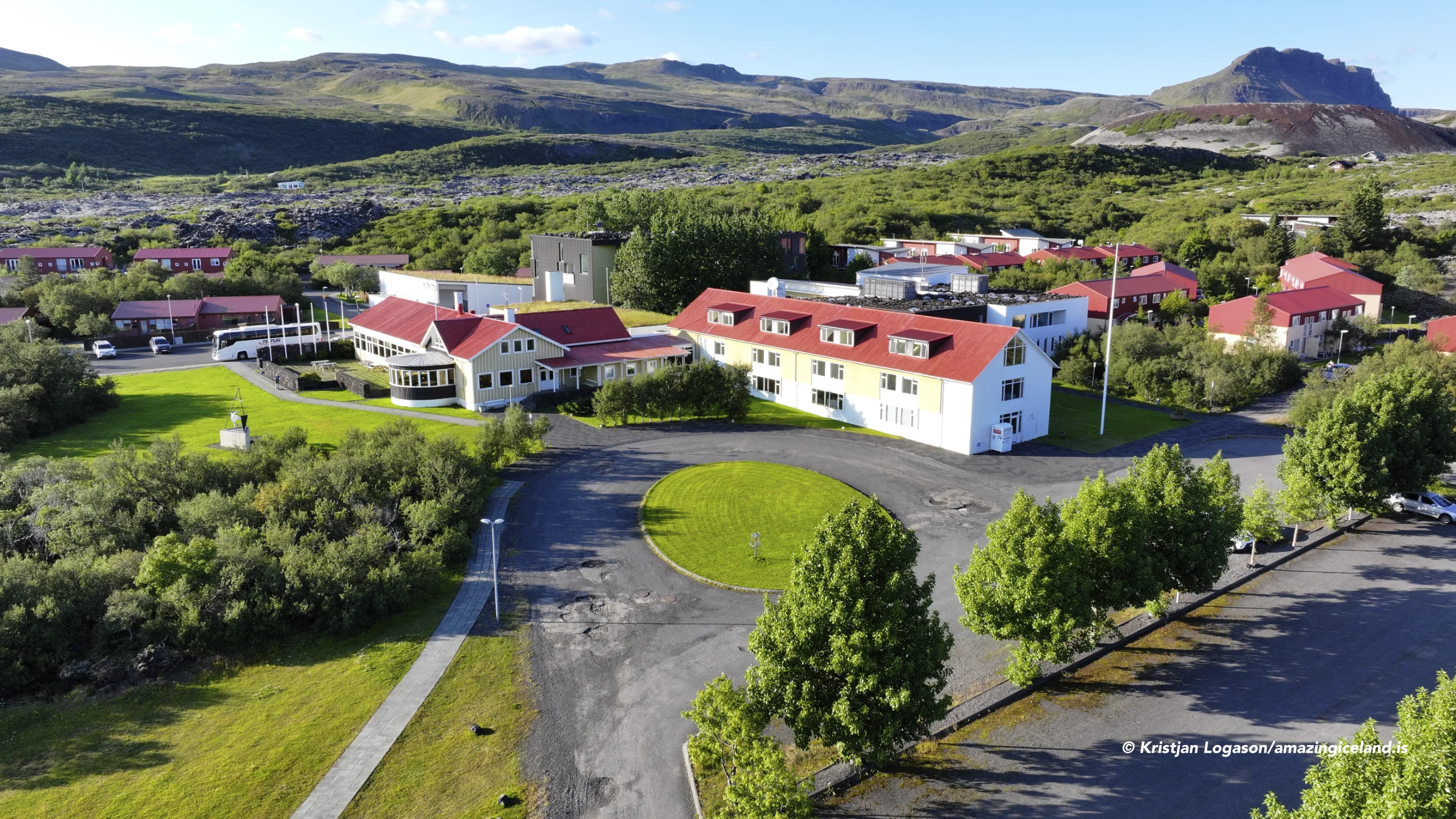
This origin explains why Bifröst feels different from a conventional rural village. Its buildings were planned around teaching, accommodation and shared institutional life rather than around an older collection of farms or commercial streets. The campus created the settlement, and changes within the school repeatedly altered the community around it.
From the cooperative movement to the MBA years
The school changed as the cooperative movement lost its former position within Icelandic society. It developed from Samvinnuskólinn into Samvinnuháskólinn, later became Viðskiptaháskólinn á Bifröst and finally took the name Háskólinn á Bifröst. It became independent of the Federation of Icelandic Cooperative Societies in 1990 and began offering master’s-level education in 2003.
In the years before Iceland’s financial crash, Bifröst became particularly associated with business education and MBA studies. The rural campus, residential character and concentration on management created a distinct identity. Students did not simply attend lectures there; they lived within a small academic community removed from the main urban centres.
That period is important because it explains both the physical scale of Bifröst and the contrast with the settlement today. Buildings, student residences and services were developed for a university population that no longer needs to live permanently on site. The university still teaches business, law and social sciences, but it has moved fully into online education. In-person teaching sessions are now held at Hvanneyri, and the former school buildings and university housing at Bifröst have been offered for sale.

From student housing to a Ukrainian community
After Russia launched its full-scale invasion of Ukraine in 2022, Bifröst University offered vacant rooms and apartments as temporary accommodation for people fleeing the war. The national government, Borgarbyggð and the university established a reception arrangement that was originally intended as a short-term measure.
Many of the people placed there remained and established homes at Bifröst. By January 2026, around 270 people lived in the settlement, of whom approximately 210 had a refugee background. This made the former student village one of Iceland’s most unusual new communities, with Ukrainians forming a large majority of the population.
Bifröst provided peaceful surroundings and available housing, but its location also created serious difficulties. Employment is limited, public transport and everyday services are restricted, and people without cars can become isolated. As the temporary arrangement developed into long-term residence, responsibility for social support increasingly fell on Borgarbyggð. The transformation should therefore not be presented as a simple success story. It provided shelter during an emergency, but it also exposed the problems created when displaced people are housed far from work, transport and established services.
The change has nevertheless given the former university settlement a new human purpose. Buildings once occupied by Icelandic students and teachers now contain families who arrived through war and displacement. Bifröst has moved from a cooperative school to a residential university, from a business-education centre to an online institution, and then into an uncertain new phase as a place of refuge.
Services beside Route 1
Bifröst remains a useful stopping place on Route 1 through Norðurárdalur. A gasoline station and shop were operating in July 2026, and the settlement also has a hotel, restaurant, parking and toilets. The hotel and golf course continue to give travellers reasons to stay rather than simply refuel and continue north or south.
The university campus itself is no longer an open visitor attraction. Travellers should not assume that former teaching buildings or residential areas can be entered or explored. The importance of the campus is historical and social, while the public visitor experience lies mainly in the surrounding paths, services and landscape.
Around 45 minutes is sufficient for a practical stop and a brief look at the settlement. Visitors planning to walk to Glanni and Paradísarlaut, climb Grábrók or explore Hreðavatn will need considerably longer. Current services should still be checked before relying on them, particularly outside the main travel season.
Walking through the lava landscape
Grábrókarhraun surrounds Bifröst and gives the settlement its strongest visual setting. The lava originated from the nearby Grábrók crater system approximately 3,400 years ago. It altered the course of Norðurá and contributed to the formation of Hreðavatn by blocking the valley drainage. Grábrók and Hreðavatn deserve their own destination pages, so their geology, trails and visitor information are kept concise here.
The principal activity around Bifröst is hiking. Glanni waterfall lies in Norðurá south of the settlement and is reached by a short walk from the area around the golf course. The waterfall spreads across the river in several channels, partly enclosed by vegetation and lava. Nearby Paradísarlaut is a small, sheltered pool reached as a short detour from the same walking area.
Glanni and Paradísarlaut can be visited together, while longer routes connect the settlement with the wider lava field. Grábrók provides the clearest elevated view over Bifröst, Hreðavatn and Norðurárdalur, but its climb and protected landscape will be covered separately. Paths can become icy or snow-covered in winter, and conditions should be considered before setting out.
Interesting facts:
- Bifröst developed around a school rather than from an older farming or fishing settlement.
- Samvinnuskólinn was founded in Reykjavík in 1918 and moved to Norðurárdalur in 1955.
- The school initially leased its site from the farm Hreðavatn before receiving the land as a gift in 1985.
- The institution has operated as Samvinnuskólinn, Samvinnuháskólinn, Viðskiptaháskólinn á Bifröst and Háskólinn á Bifröst.
- Bifröst became particularly associated with business and MBA education before the 2008 financial crash.
- The university now operates through online education and no longer uses Bifröst as its residential teaching campus.
- Former student and staff housing was first offered to people fleeing the Russian invasion of Ukraine in 2022.
- In January 2026, approximately 210 of Bifröst’s roughly 270 residents had a refugee background.
- In Norse mythology, Bifröst is the bridge connecting the human world with the world of the gods.
- The lava field surrounding the settlement was formed by the Grábrók crater system.
Image Gallery
Photography tips:
- The strongest landscape photographs connect Bifröst with Grábrók and the surrounding lava rather than isolating the modern buildings.
- Early morning and late evening light can give the lava greater texture and create separation between the crater, valley floor and distant mountains.
- Dramatic weather suits Norðurárdalur. Broken cloud, low mist and shafts of light can reveal the structure of the valley more effectively than uniformly clear conditions.
- Use a wide lens to show the settlement enclosed by lava and mountains.
- A telephoto lens can compress Grábrók, campus buildings and the surrounding slopes into a more coherent composition.
- The elevated route on Grábrók provides the clearest overview, but visitors must remain on the constructed and marked trail within the protected area.
- Glanni is partly enclosed by vegetation, making overcast light useful for controlling contrast between water, dark lava and foliage.
- The residential areas are people’s homes. Photograph the landscape and public spaces without treating the Ukrainian community as a spectacle.
Destinations nearby