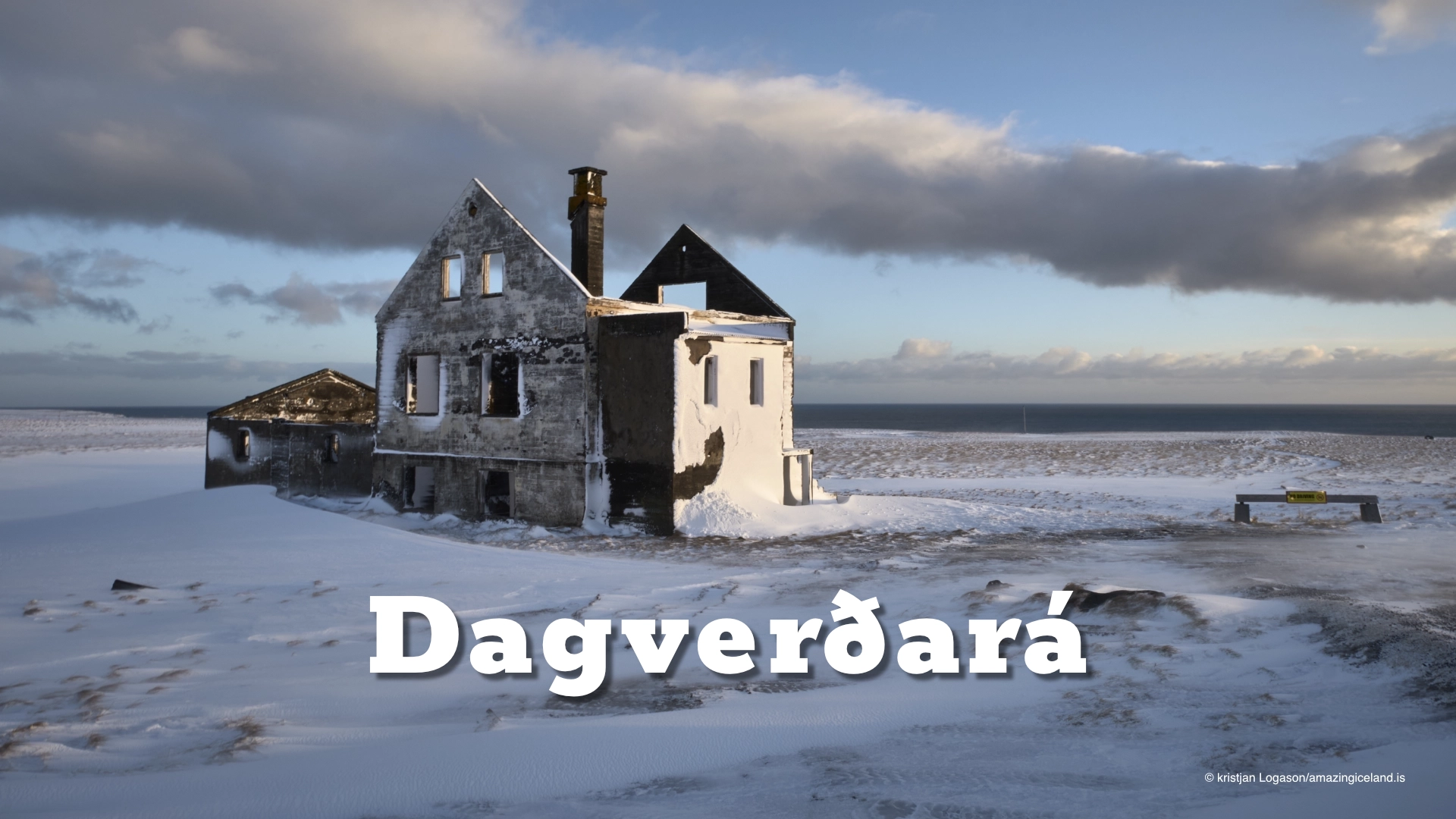
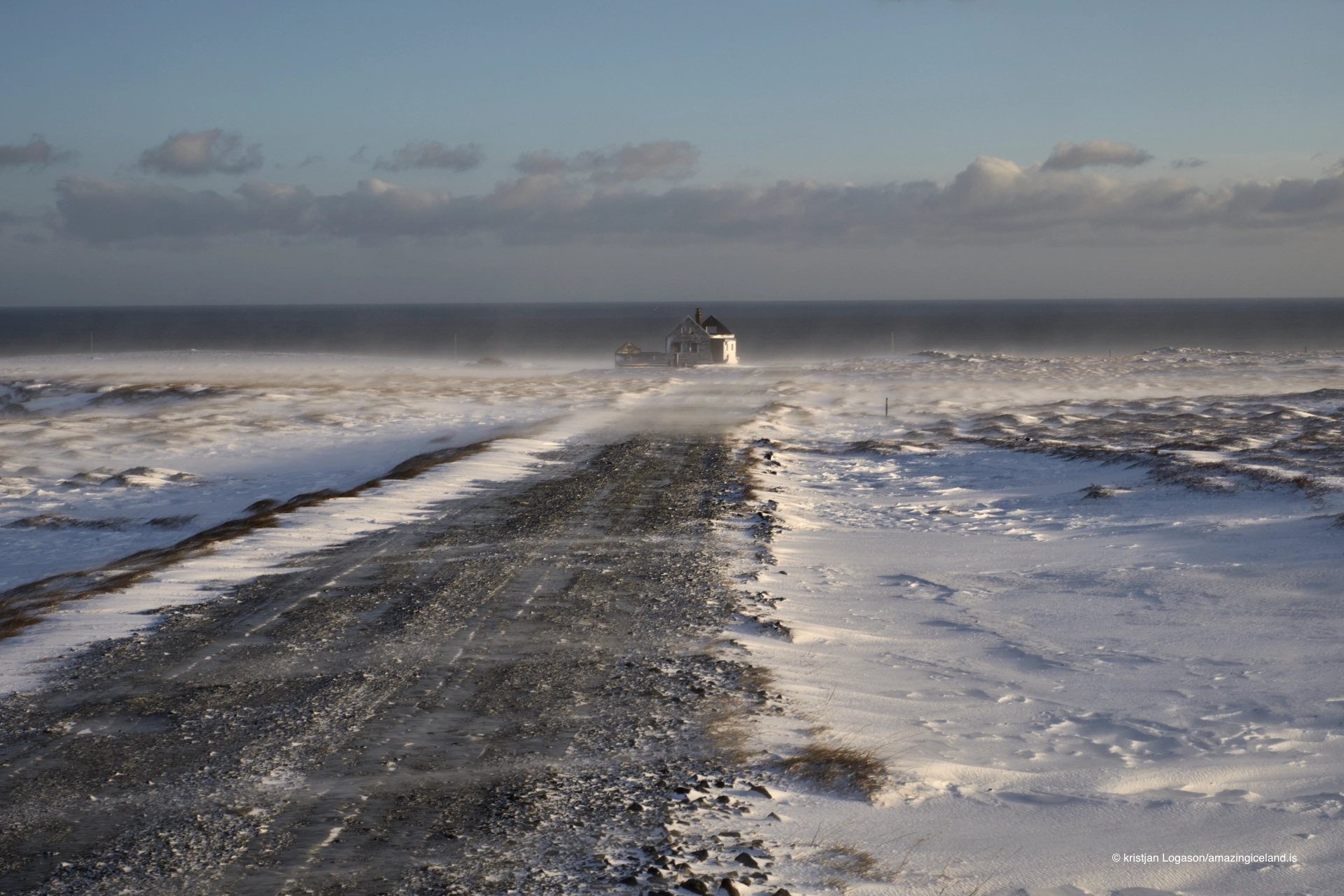
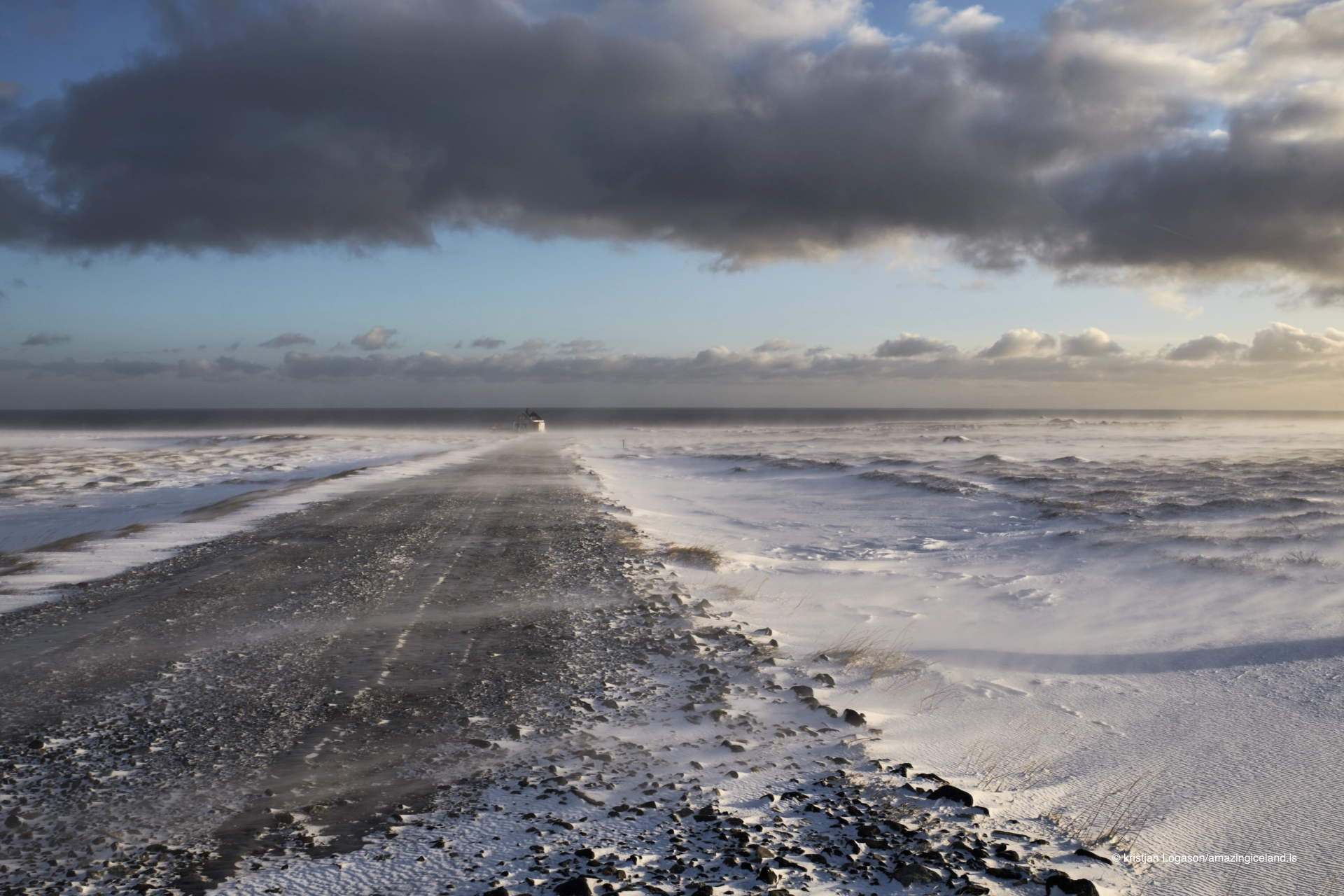
On the Snæfellsnes peninsula, beneath the broader geological presence of Snæfellsjökull, Dagverðará exists today only as a fragment. The farm is no longer active; its landscape is quiet, open, and defined by absence rather than use.
The location of Dagverðará farm on Snæfellsnes peninsula
Latitude
64.8046
Longitude
-23.7764
Dagverðará farm on Snæfellsnes peninsula
Dagverðará was once a small rural farmstead on Snæfellsnes, operating within the marginal agricultural conditions typical of the peninsula. Like many farms in the region, its viability depended on limited hay production, livestock grazing, and strict seasonal rhythm. Over time, these conditions proved insufficient to sustain permanent habitation.
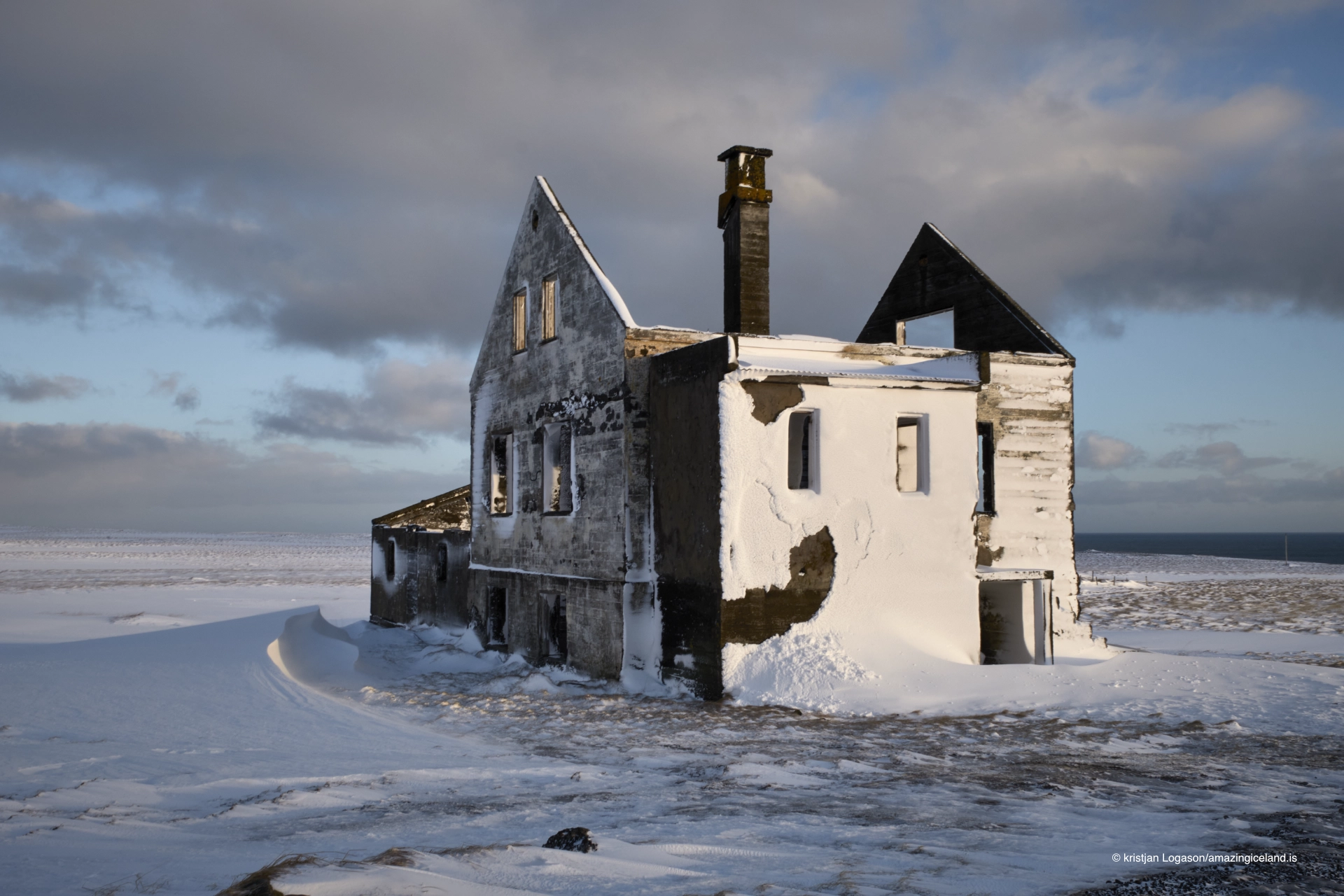
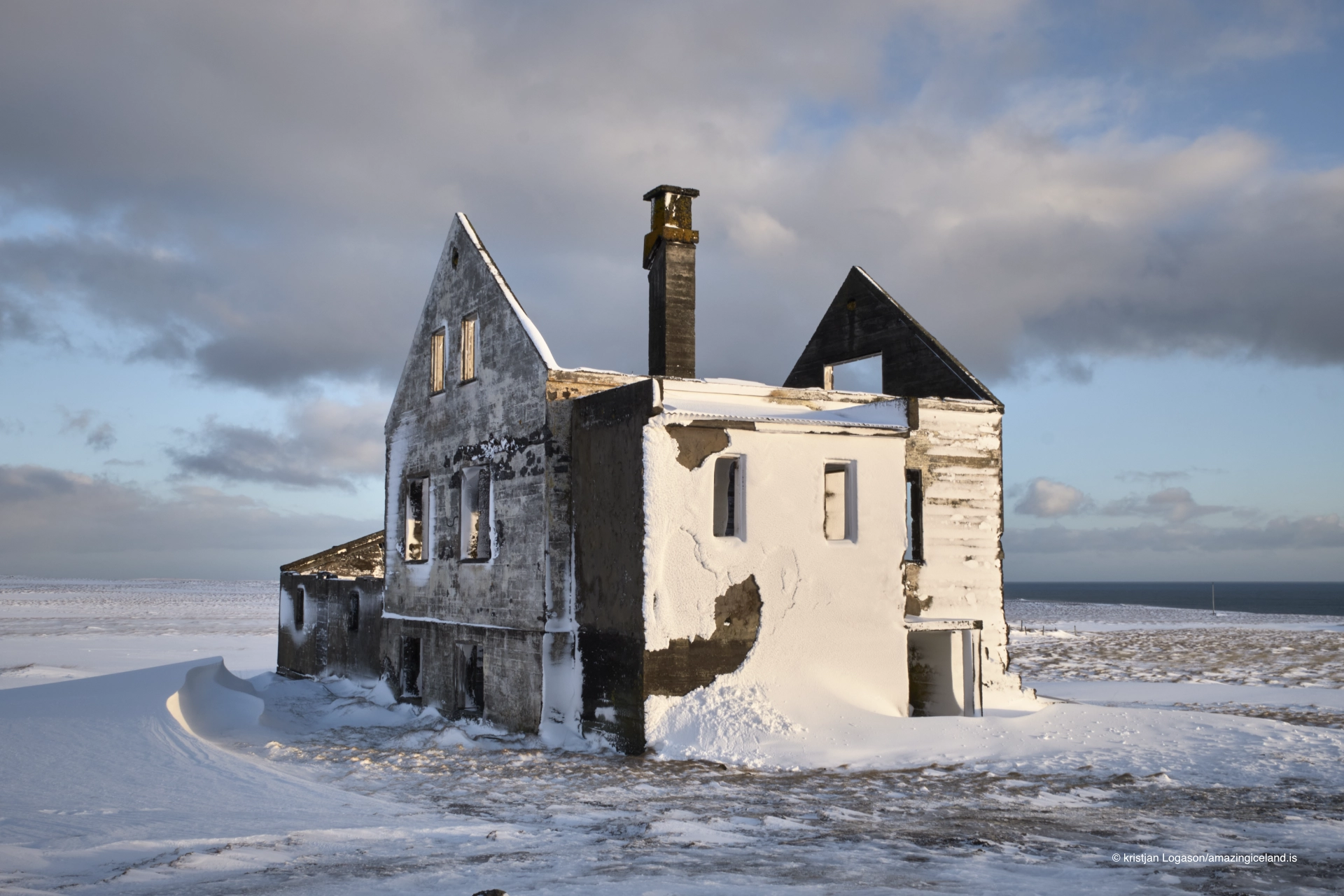
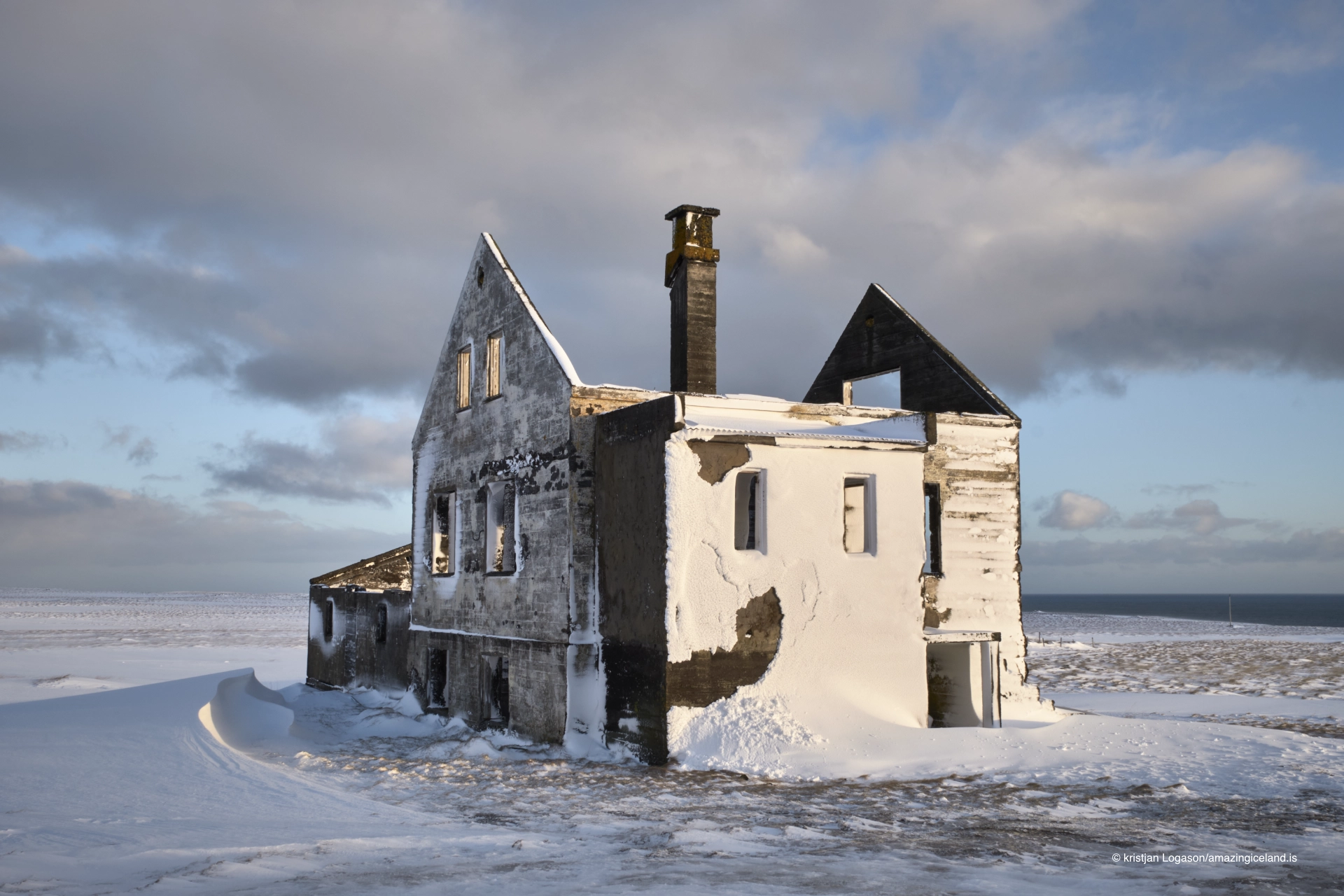
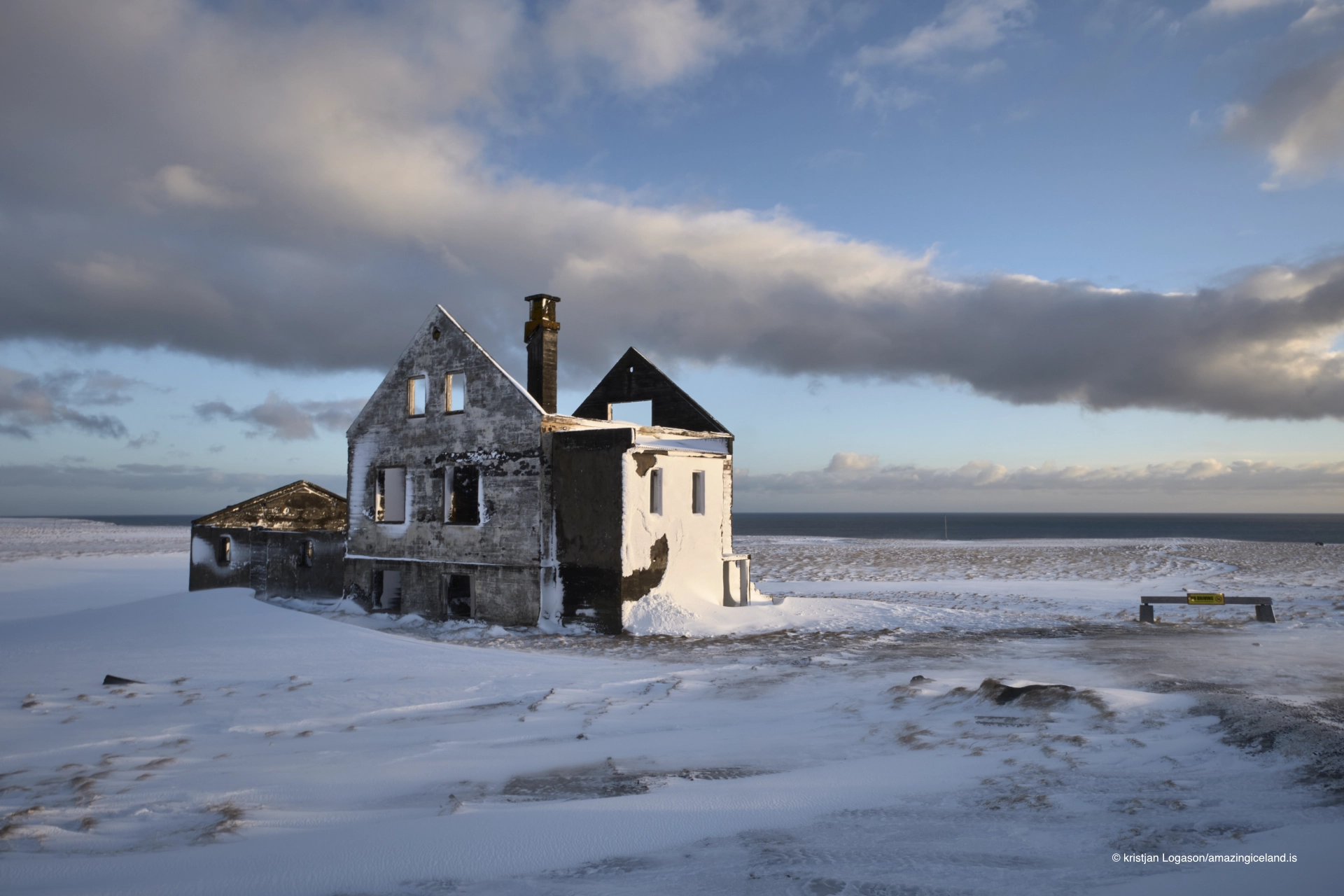
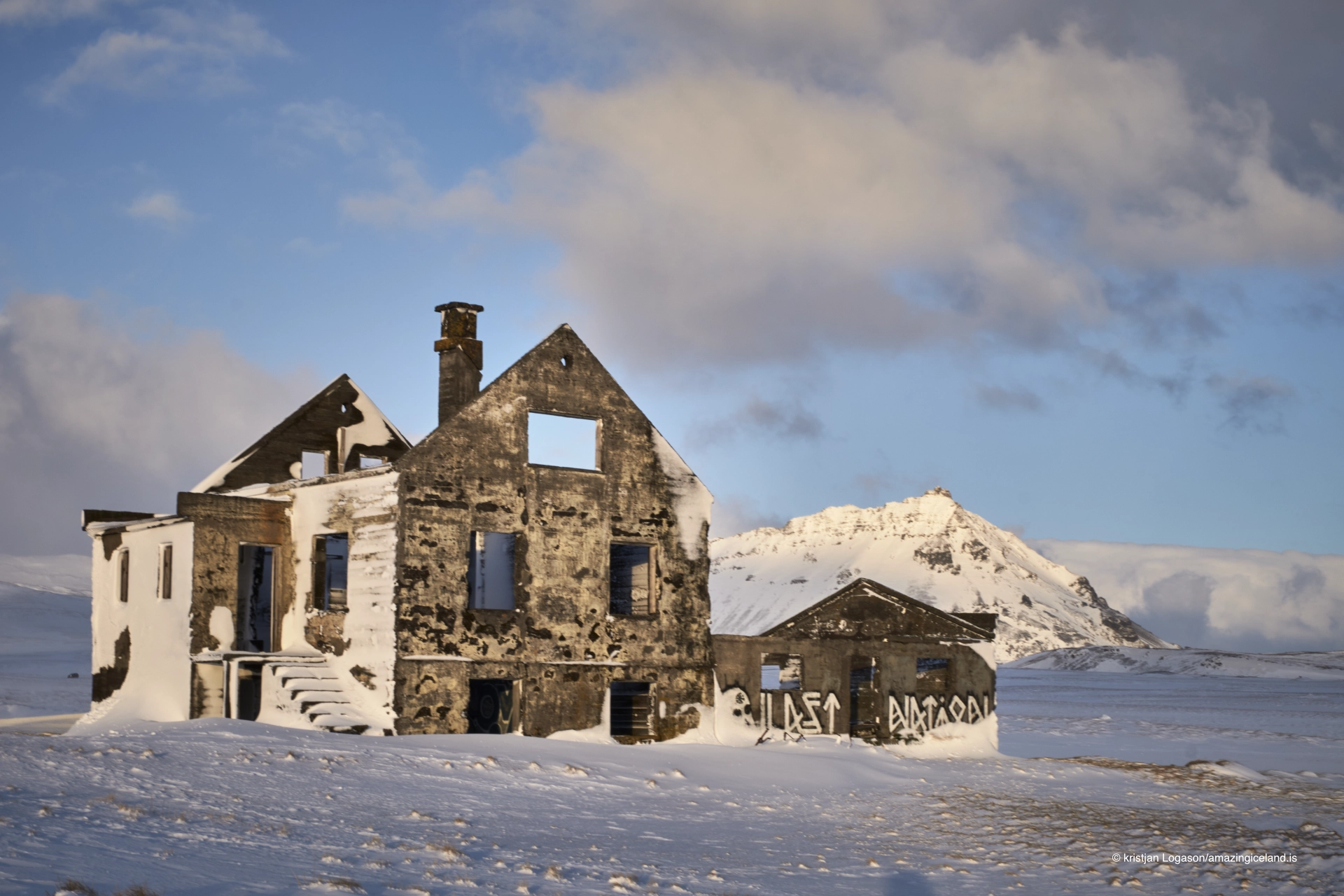
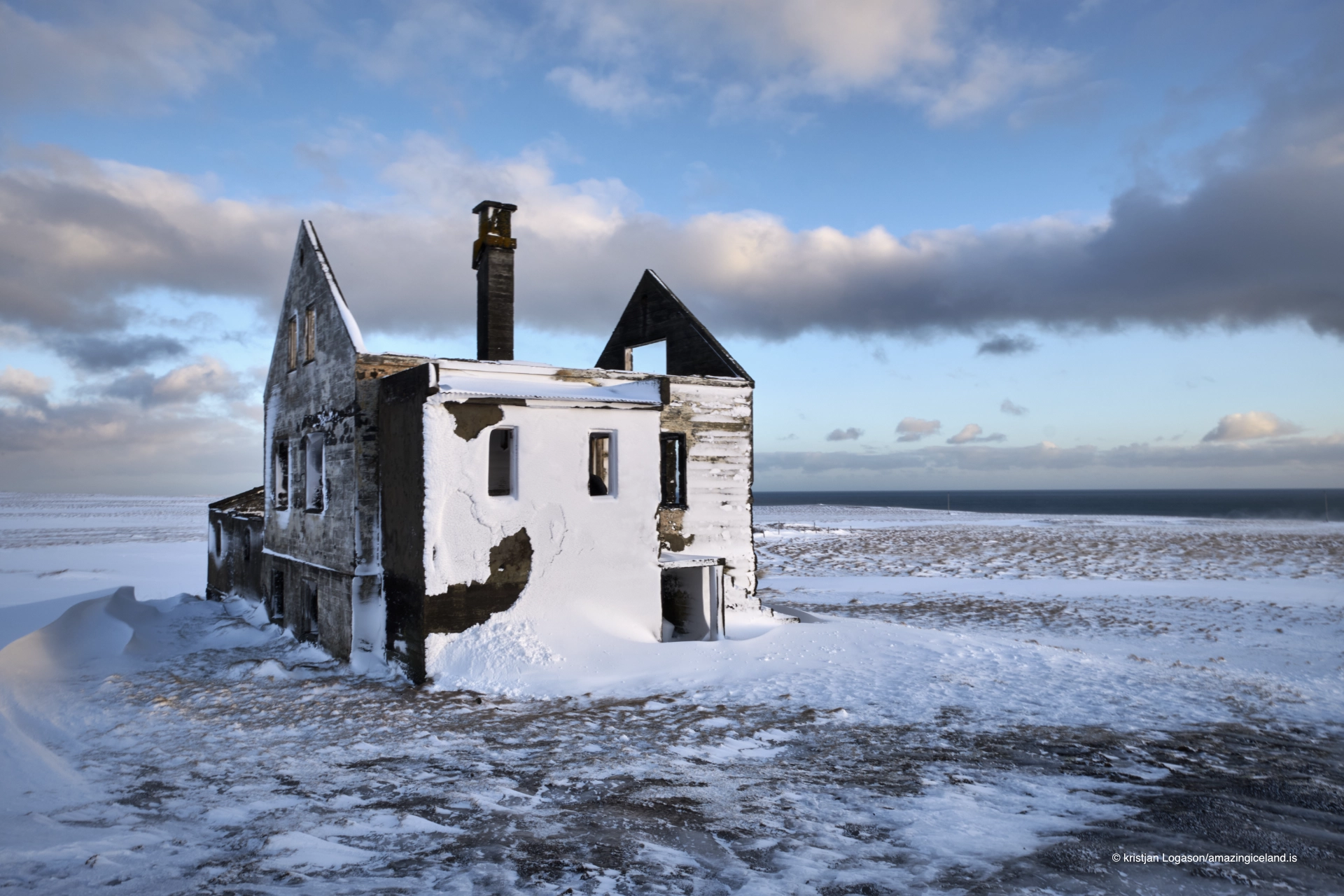
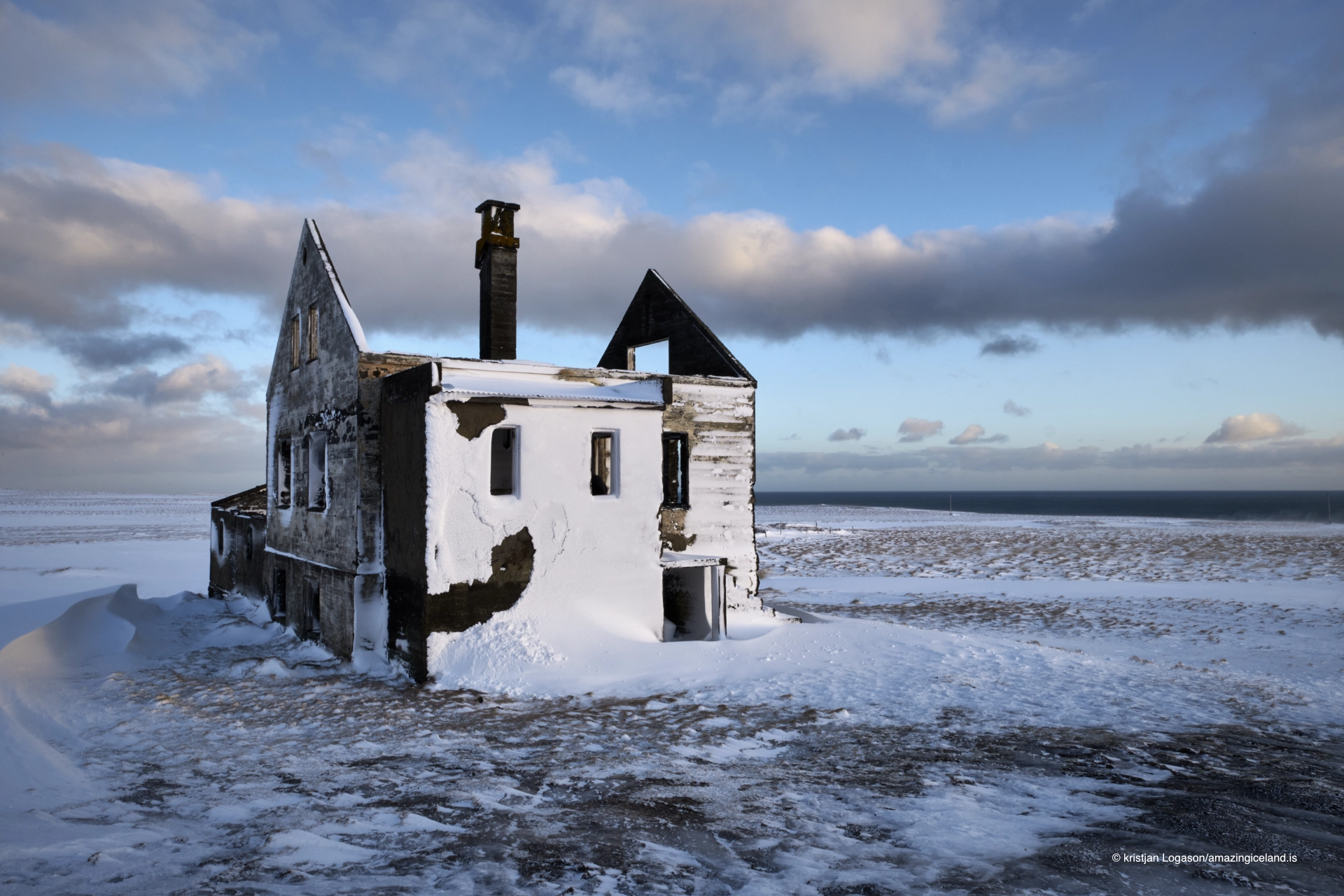
Today, the site is abandoned, and the only clearly visible structure is the remains of a concrete house, dating from the 20th century. The building stands partially intact, weathered by wind and freeze–thaw cycles, its presence stark against the surrounding open land. No active fields, fencing, or maintained infrastructure remain.
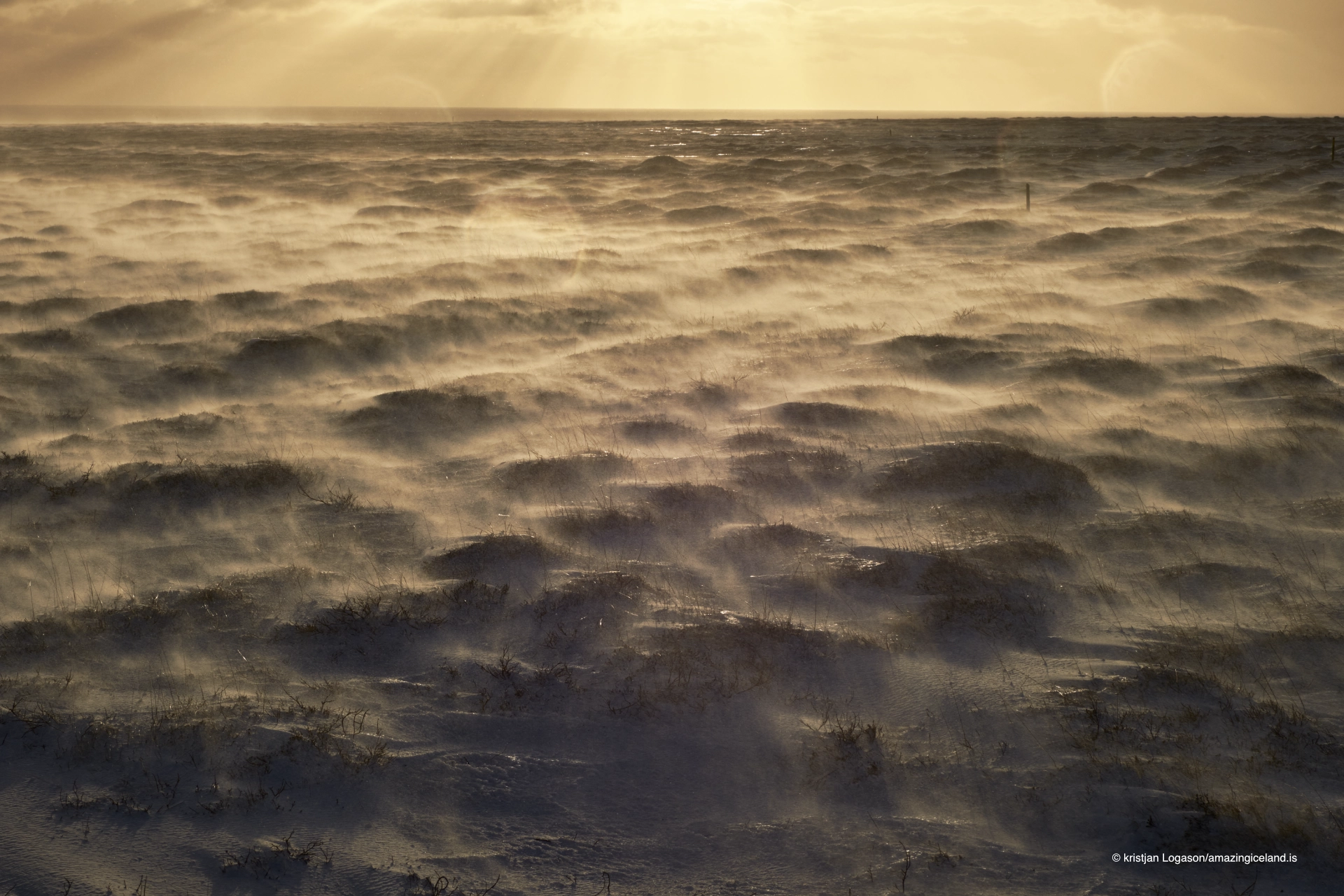
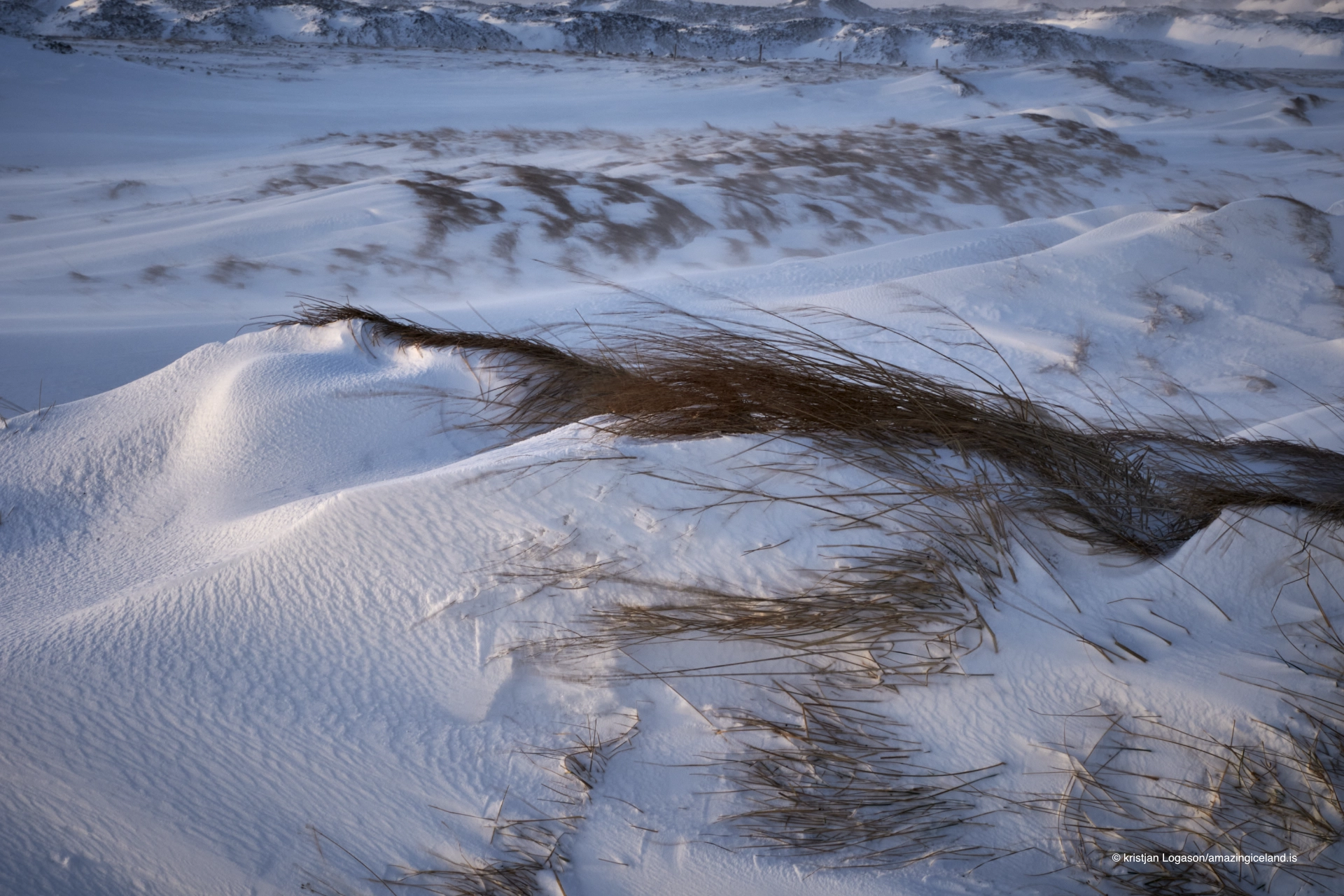
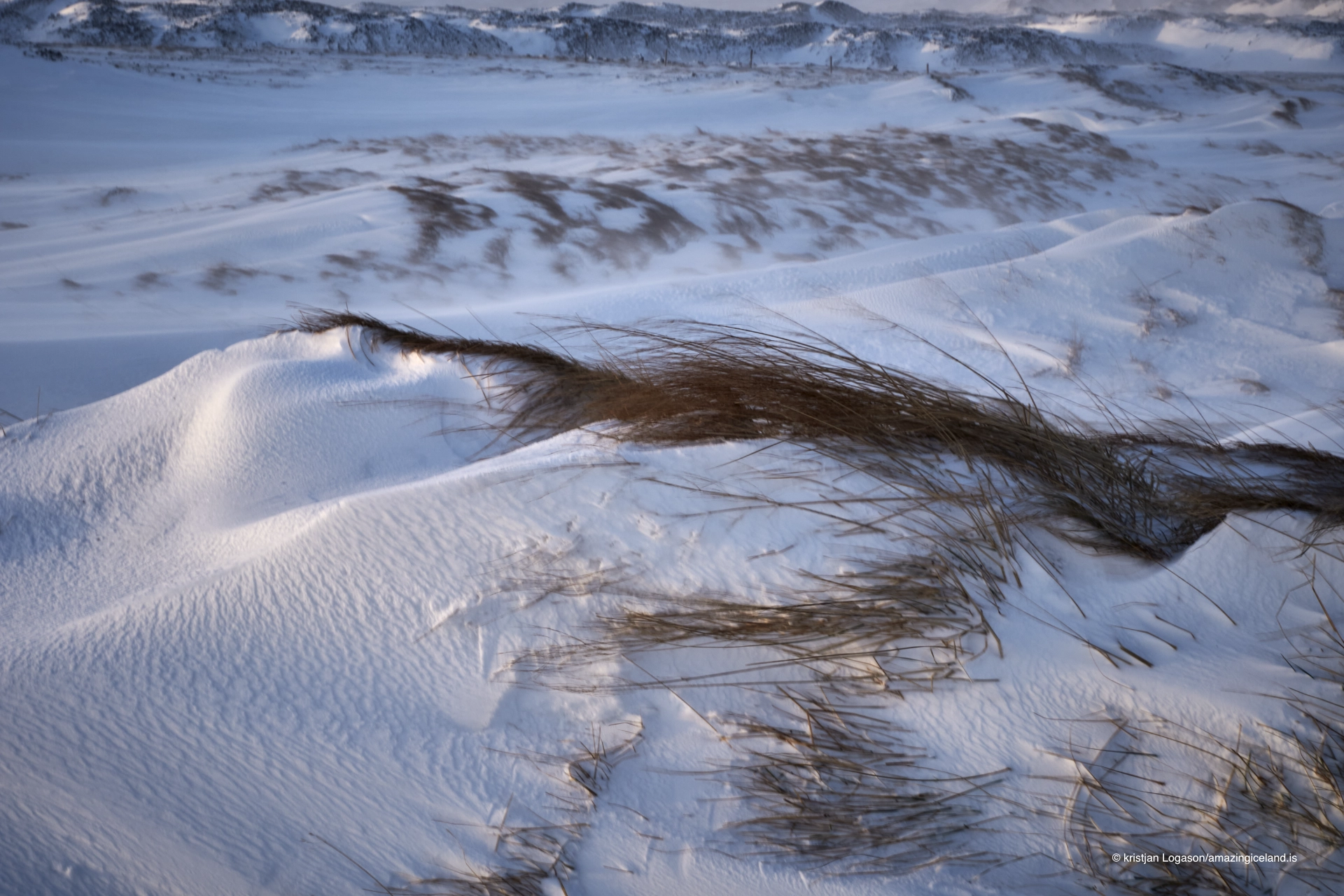
From a landscape perspective, Dagverðará has reverted from managed land to transitional terrain. Grasses, moss, and volcanic substrates now dominate, gradually obscuring traces of former use. The site illustrates how quickly agricultural logic dissolves once maintenance ends.
The abandonment of Dagverðará is not exceptional within Icelandic rural history. Throughout the 20th century, many marginal farms were gradually vacated as mechanization, consolidation, and urban migration reshaped settlement patterns. Snæfellsnes, with its exposed climate and limited arable land, was particularly affected.
Concrete houses such as the one at Dagverðará represent a late phase of rural optimism — an attempt to modernize farm life using durable materials and improved living standards. Their ruins now function as chronological markers, signaling the final period of habitation before withdrawal.
Unlike turf structures, which decompose back into the land, concrete persists. This persistence gives Dagverðará its current visual identity: a hard, angular remnant embedded in an otherwise softening landscape.
Geologically, the site remains defined by volcanic processes rather than agriculture. The surrounding ground is composed of basaltic material, shaped by erosion and aeolian deposition. Soil development is shallow and fragile, limiting regeneration of cultivated land without intervention.
The nearby presence of Snæfellsjökull is contextual rather than functional. While the glacier dominates the peninsula symbolically and visually, it no longer supports agricultural activity here through meltwater or shelter. Dagverðará sits within its broader shadow, but without direct benefit.
Dagverðará has no formal interpretation, signage, or protection as a heritage site. Its significance lies precisely in this lack of framing. The remains are uncurated, allowing erosion, vegetation, and weather to proceed without interruption.
This absence invites a different kind of reading. Rather than reconstructing narratives of endurance or continuity, Dagverðará documents withdrawal—the point at which human occupation no longer aligns with environmental or economic reality.
Such sites are increasingly important for understanding Iceland’s modern rural history. They mark not catastrophe, but quiet decision-making spread across decades.
Dagverðará ultimately represents a closing rather than an origin. It is not a story of settlement, but of retreat — and of how quickly land begins to erase use once it ends.
Interesting facts:
- Dagverðará is a fully abandoned farm on the Snæfellsnes peninsula.
- The main visible structure is a ruined 20th-century concrete house.
- No active agriculture or maintained infrastructure remains.
- The site reflects widespread rural abandonment in Iceland during the 20th century.
- Concrete ruins persist longer than traditional turf structures, shaping modern rural memory.
Image Gallery
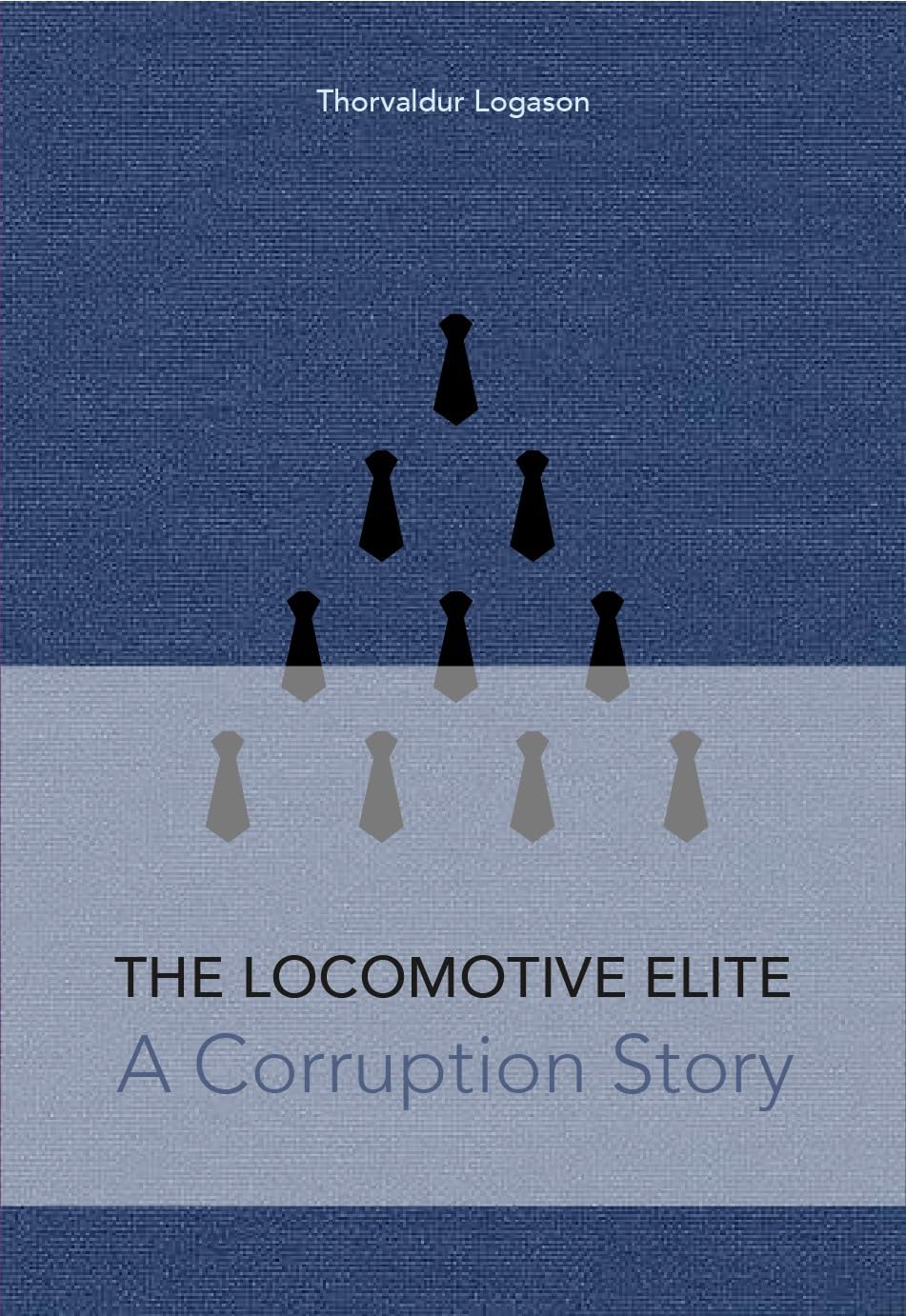
The Locomotive Elite
What do Donald Trump and Iceland’s Locomotive Elite have in common?
Far more than you think.
In The Locomotive Elite, you’ll uncover how a tiny clique in Iceland captured extensive control—of banks, courts, media, and even the central bank.
For decades they ruled, first democratically, then through corruption and in the end through crime, enriching themselves and their cronies while dismantling oversight.
The result?
One of the most spectacular financial collapses in modern history.
Photography tips:
- Embrace absence: Wide compositions emphasize isolation rather than detail.
- Use the ruin sparingly: Let the building anchor scale without dominating the frame.
- Flat light works: Overcast conditions suit abandonment and material honesty.
- Avoid dramatization: This is erosion, not collapse.
- Context over subject: Show how the land is reclaiming the site.
Good cameras for Iceland
Sony A7R V

Sony A7s lll

Canon R6

Nikon Z6 lll

Destinations nearby
Good to have in Iceland