Djúpivogur
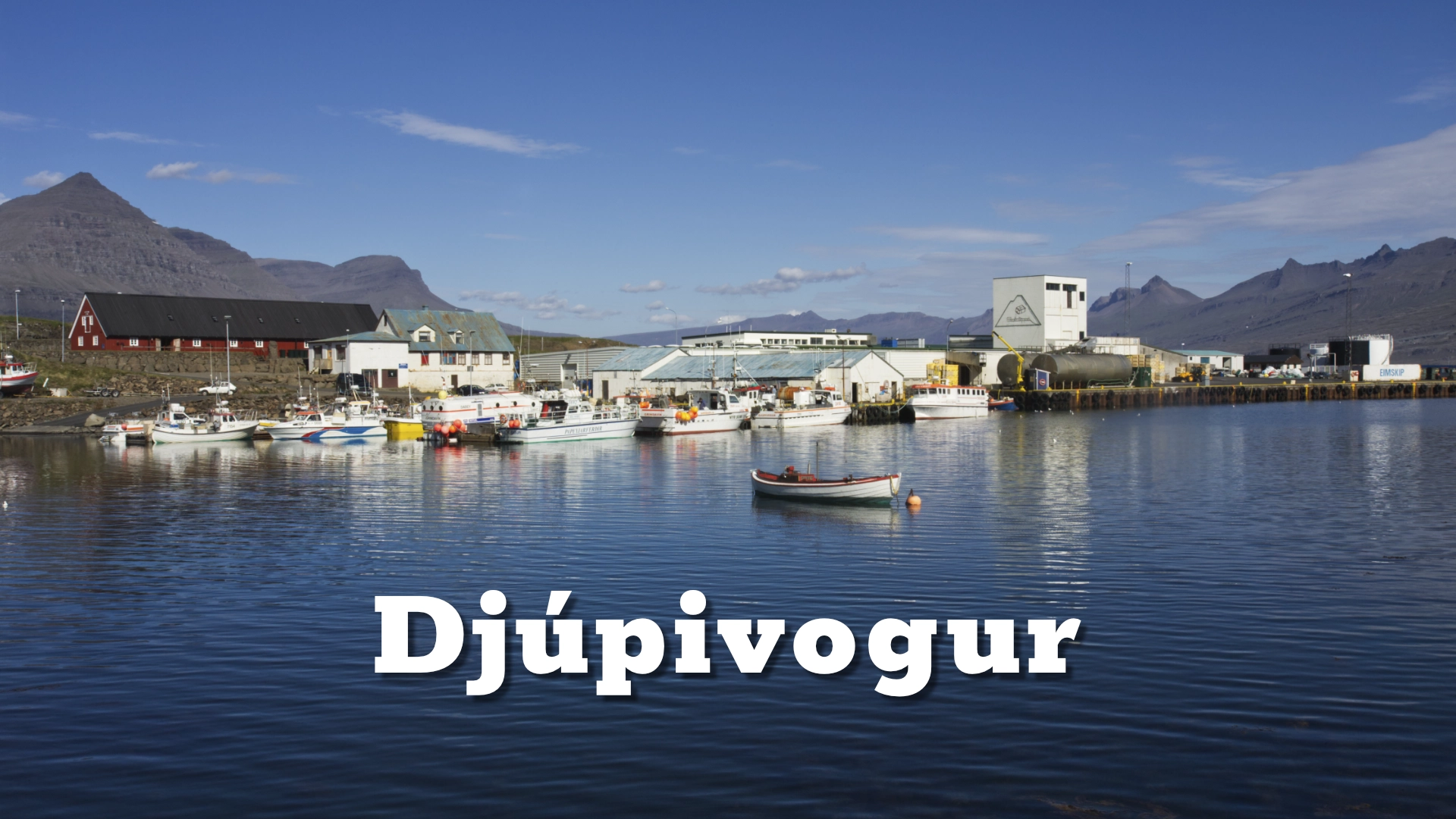
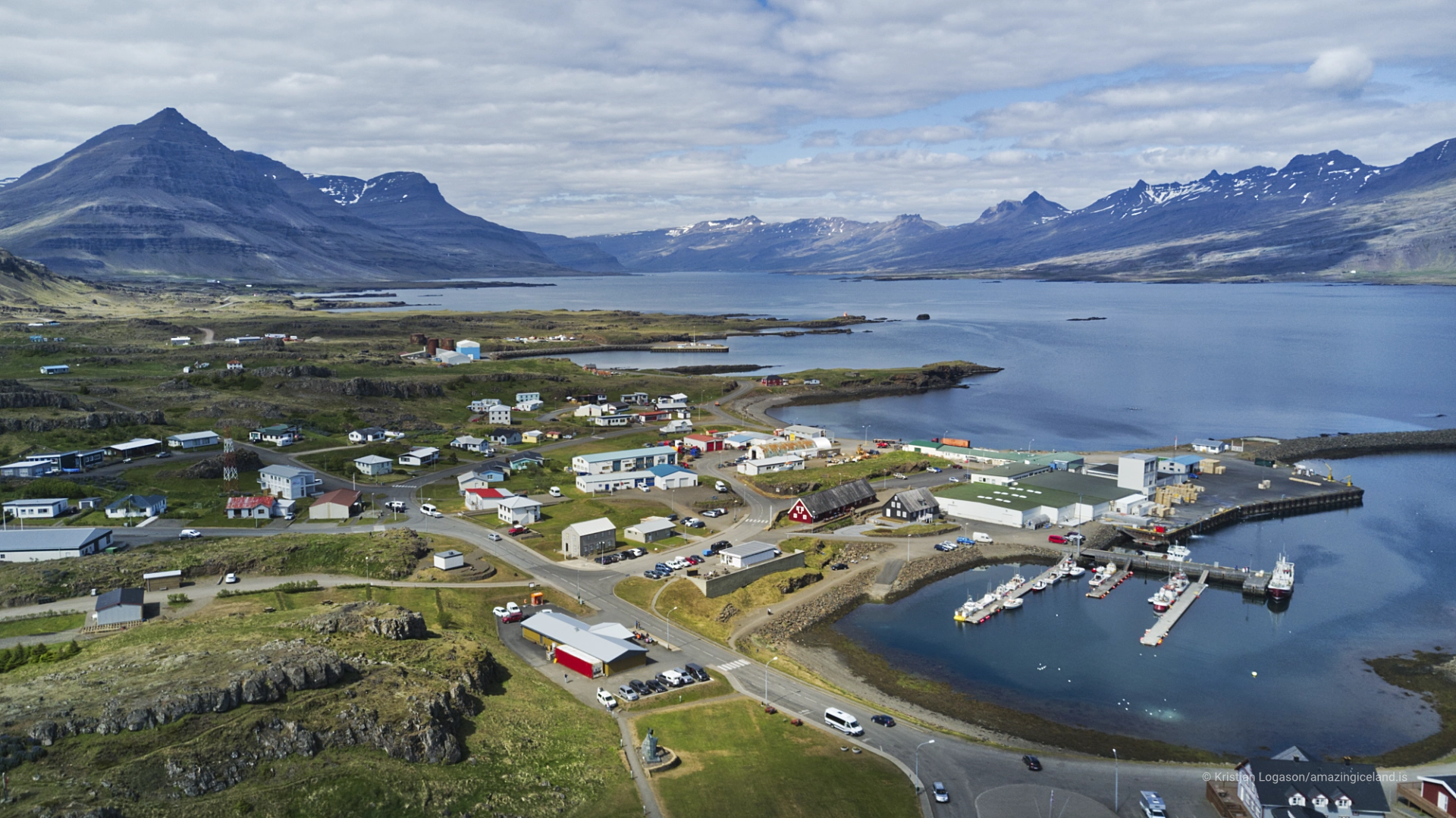
Djúpivogur stands on the southern side of Berufjörður, gathered around a natural harbour beneath the layered summit of Búlandstindur. German merchants established a trading post here in 1589, and trade and fishing have shaped the settlement ever since.
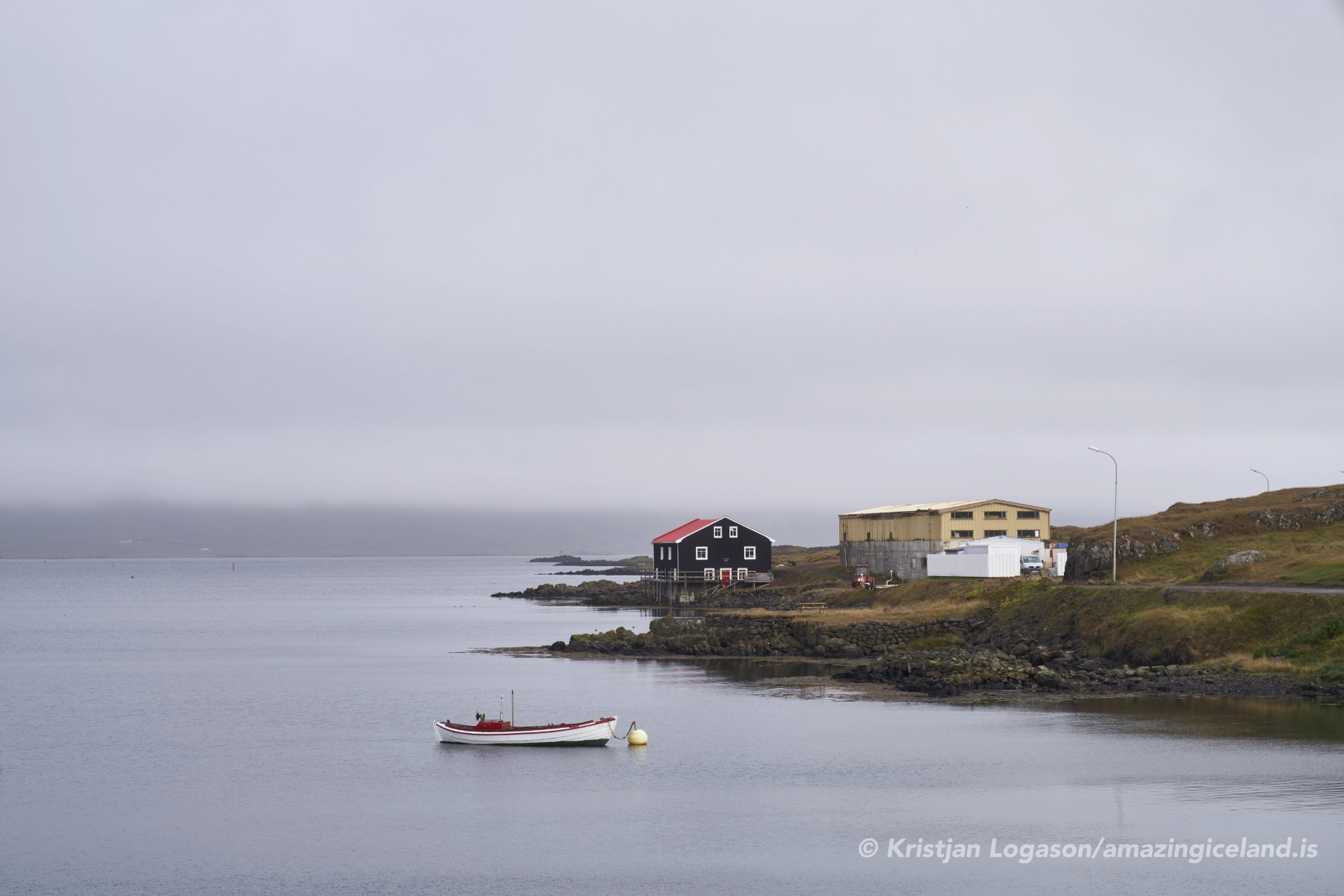
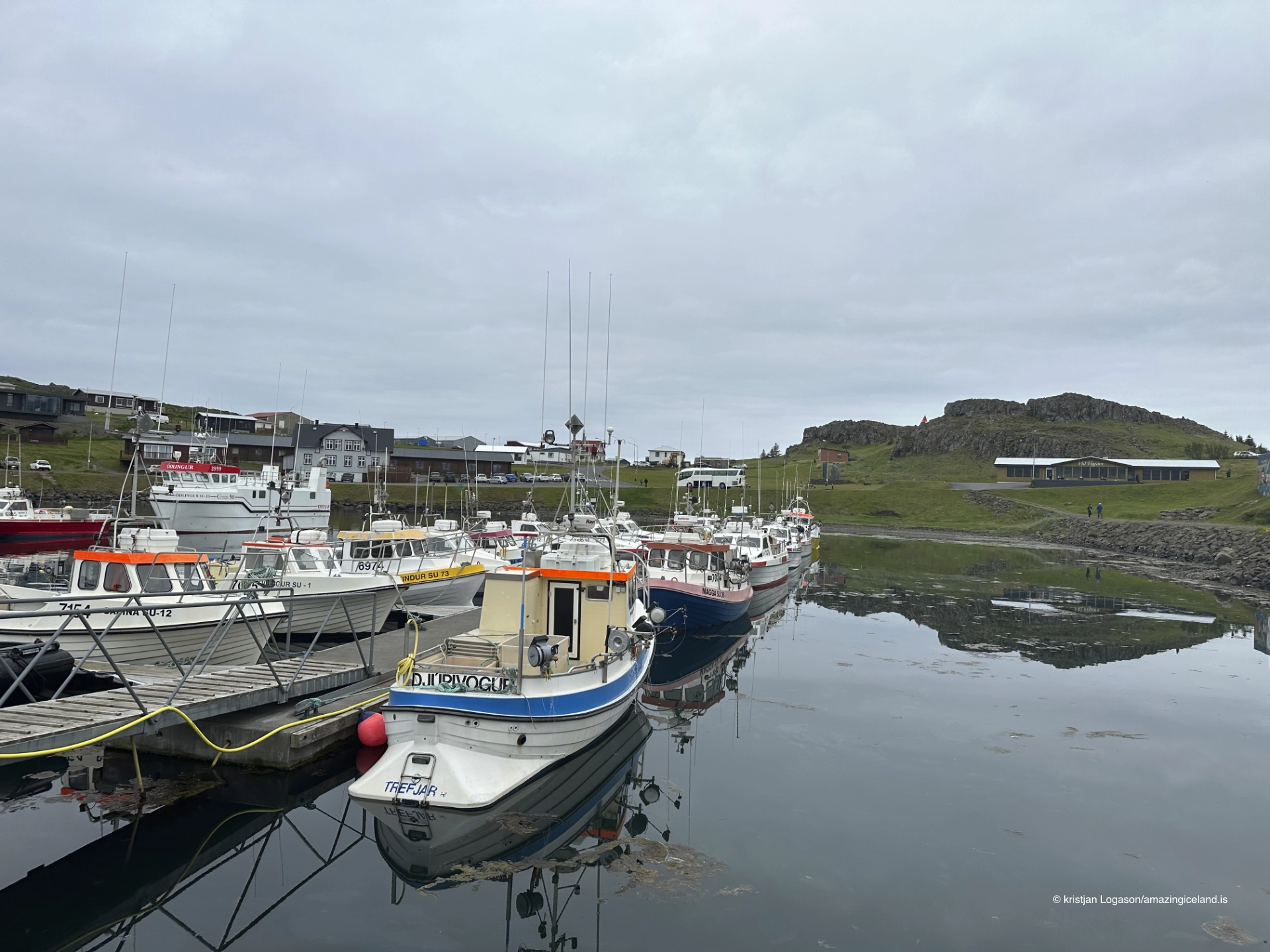
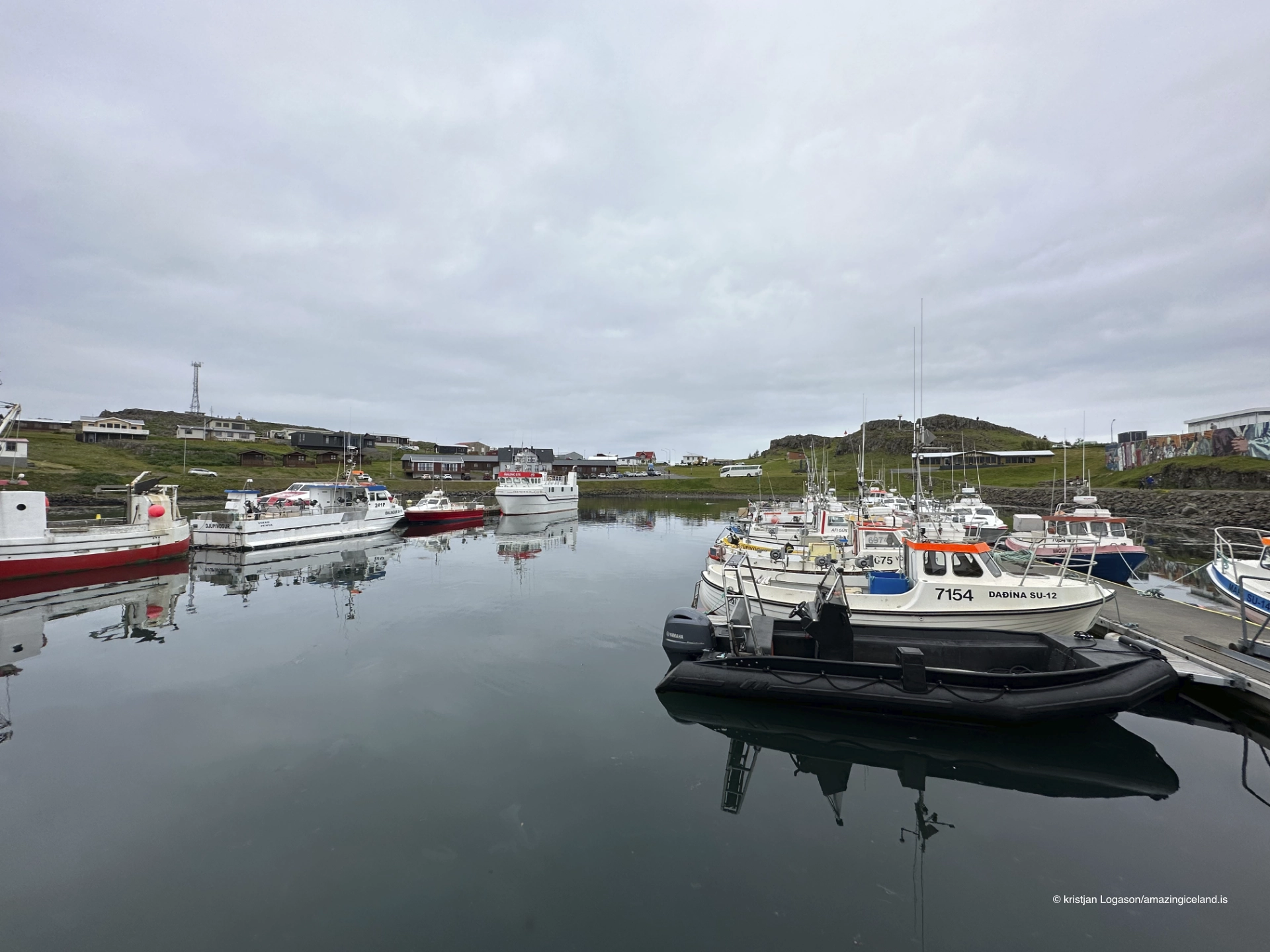
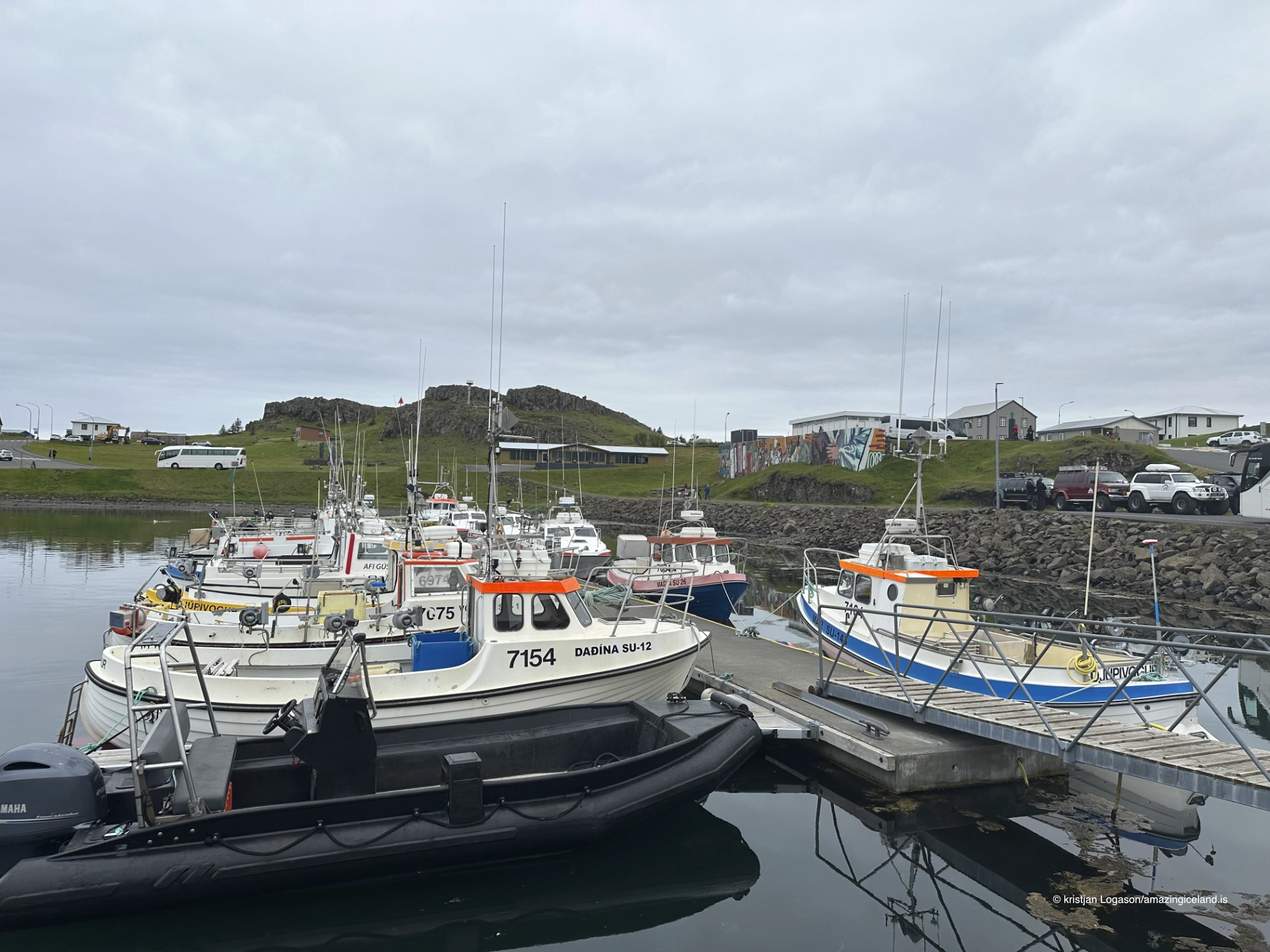
Today, it remains a tranquil fishing village facing the same question as many of Iceland’s smaller coastal communities: how to remain viable after changes in fisheries management and the distribution of fishing quotas altered the economic foundations on which they had depended. The harbour still works, but the nature of that work has changed. Salmon farming has brought service vessels, employment and renewed activity, while tourism and culture have assumed larger roles in the life of the village.
Historic Langabúð, contemporary public art and the rediscovered story of Hans Jónatan all belong to the same place as fishing boats, aquaculture vessels, shoreline ponds and birdlife. Djúpivogur is not defined by one attraction. Its character lies in the relationship between the harbour, the community adapting around it, and the landscape of Búlandsnes and Berufjörður.
The location of Djúpivogur
Latitude
64.6574
Longitude
-14.2829
Djúpivogur
A trading place since 1589
Djúpivogur exists because of its harbour. Merchants from Hamburg established a trading post here in 1589, making it one of the oldest trading places in East Iceland. After the Danish Crown imposed its trade monopoly in 1602, Djúpivogur became one of the designated places through which commerce with Iceland was controlled. The monopoly continued until the end of 1787.
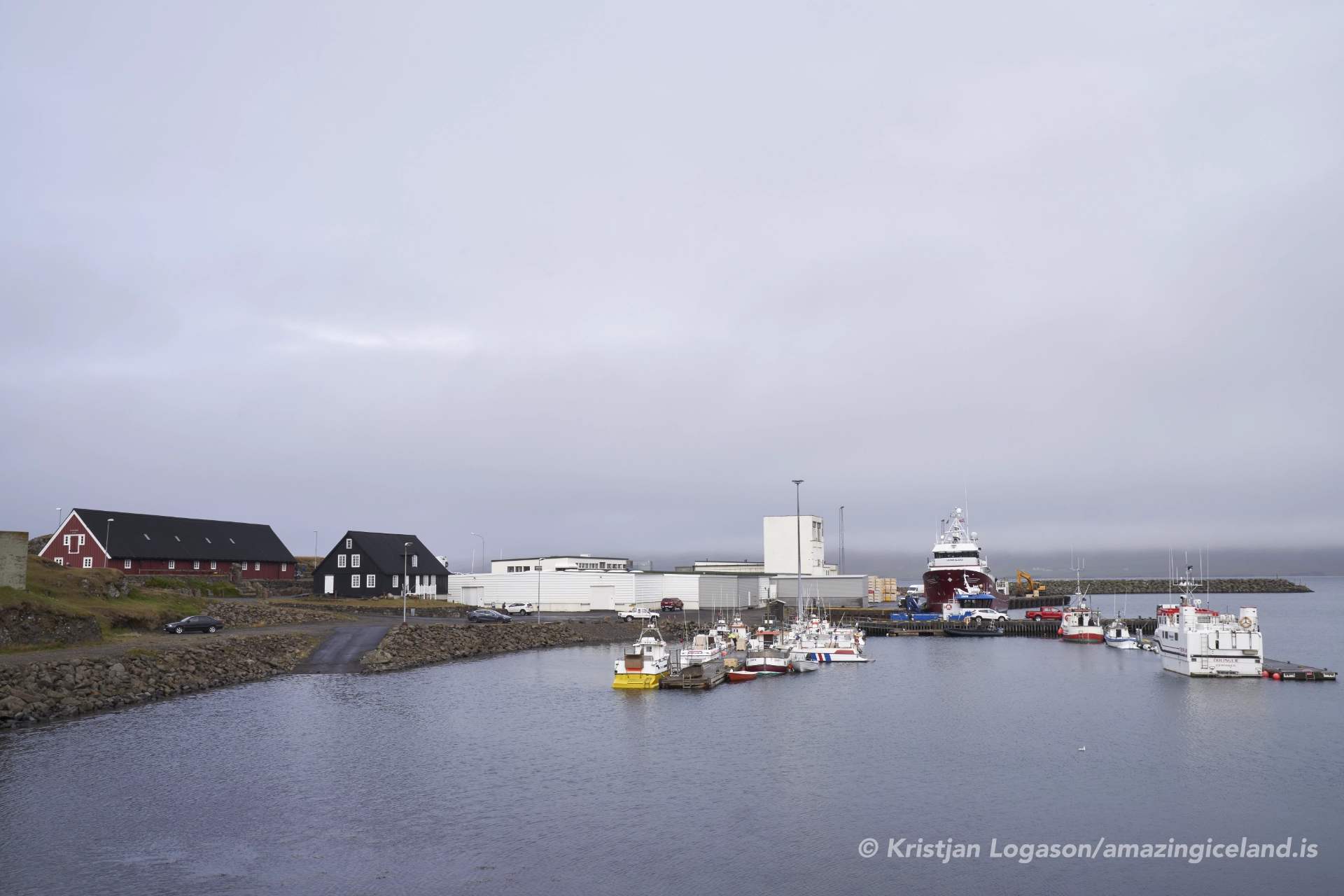
Langabúð stands beside the harbour on this much older trading site. The long red timber building dates from 1790 and is the oldest building in the village. It now serves as a cultural centre, containing local-history material and exhibitions connected with sculptor and woodcarver Ríkarður Jónsson, politician Eysteinn Jónsson and Sólveig Eyjólfsdóttir.
Although the present building was constructed shortly after the monopoly ended, it continued the history of a site where trade had already taken place for two centuries. Its position beside the modern harbour makes that history part of the present village rather than something separated from it.
A fishing village adapting to change
Fishing remained the basis of Djúpivogur long after the age of the trading post. The harbour supported boats, fish processing and the network of jobs and services that allowed a small community on the outer Eastfjords coast to survive.
Changes in Iceland’s fisheries laws and quota system placed increasing pressure on communities such as Djúpivogur. As fishing rights and economic activity became concentrated elsewhere, the effects extended beyond individual boats. Processing work, harbour activity and the services surrounding the industry were also reduced. The village remained, but the economic conditions under which it had developed were fundamentally altered.
Salmon farming in Berufjörður has since brought a different form of fisheries-related work to Djúpivogur. The sea cages require crews, service vessels, maintenance, transport and other support. This has returned activity to the harbour and created employment connected with aquaculture, including work that continues throughout the year. It has not recreated the former structure of locally based fishing and fish processing, but it has materially changed working life in the village.
Open-net salmon farming is also the subject of considerable debate in Iceland. Concerns include its effects on the marine environment, fish welfare and the possible consequences of farmed salmon escaping into the wild. For Djúpivogur, the industry is therefore neither a simple replacement for what was lost nor something remote taking place out in the fjord. Its employment, harbour activity and controversies are all part of the village’s present story.
Fishing and aquaculture remain important, while tourism, culture and other activity also help sustain the community. Djúpivogur’s tranquillity exists alongside the continuing work required for a small coastal village to survive and adapt.
In 2013, Djúpivogur became Iceland’s first member of the international Cittaslow network, reflecting a local emphasis on community, culture and the surrounding environment. The designation fits the village, but it did not create its character; that developed over centuries around the harbour and landscape.

Hans Jónatan: a life reclaimed
One of Djúpivogur’s most remarkable histories connects the village with the Danish colonial world and the Caribbean island of St Croix. Hans Jónatan was born into slavery on St Croix in 1784. His mother, Emilia Regina, was an enslaved woman of West African ancestry, and he was later taken to Copenhagen.
After a Danish court rejected his claim to freedom and treated him as property, Hans Jónatan escaped and travelled to Iceland. He settled in Djúpivogur, where he worked at the trading post, married Katrín Antoníusdóttir and became part of the local community. He later lived as a farmer and died in 1827.
Elements of his story remained known among his descendants and within the region, but later research returned its wider significance to public attention. His life reveals that the history of this small East Icelandic trading village was connected with slavery, colonial commerce and questions of freedom extending far beyond Iceland’s shores.
The outdoor sculpture Frelsi—Freedom—by Sigurður Guðmundsson was unveiled in Djúpivogur in 2021 in memory of Hans Jónatan. It gives his story a visible place in the village where he built a life after taking his freedom for himself.
Eggin í Gleðivík and cultural life
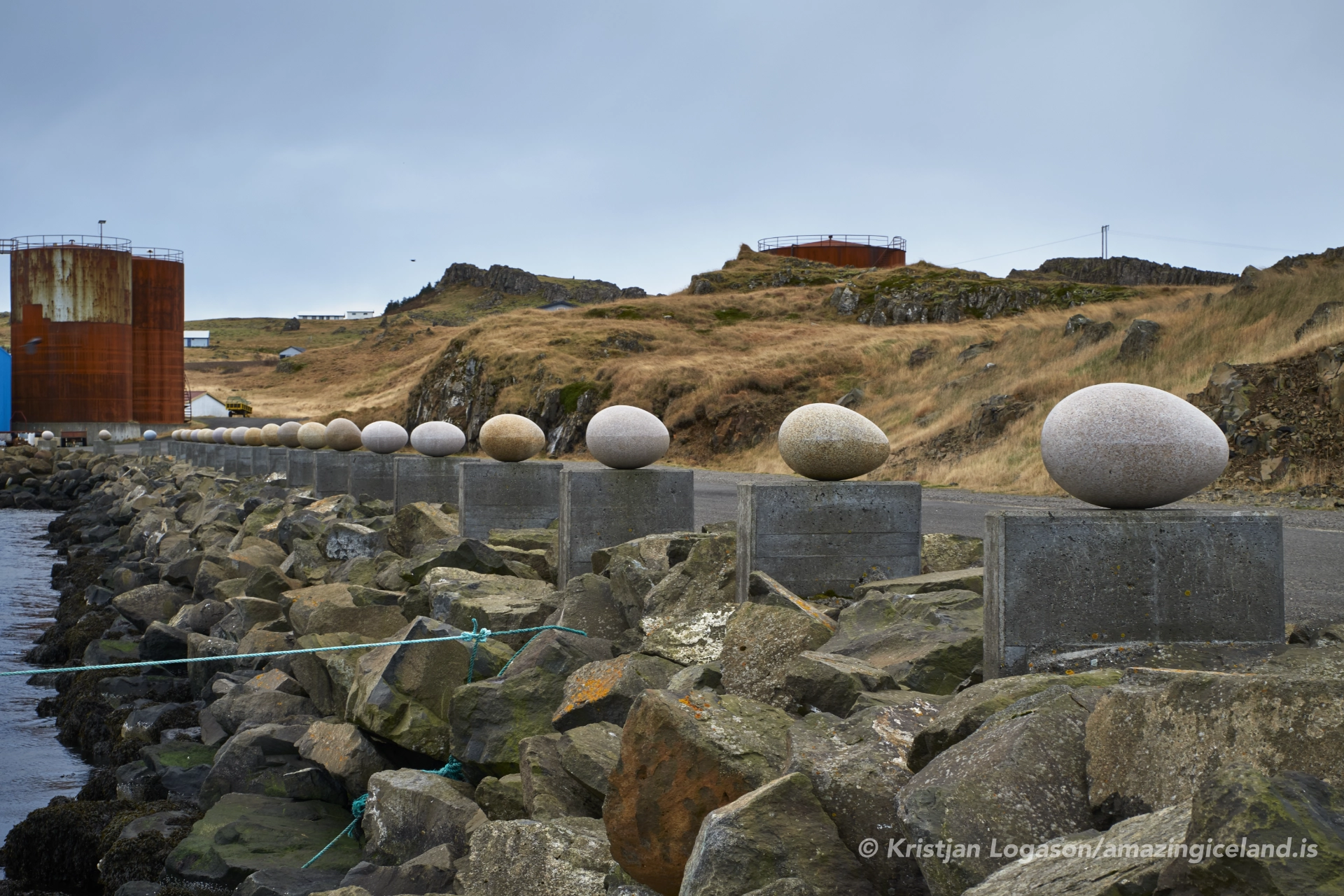
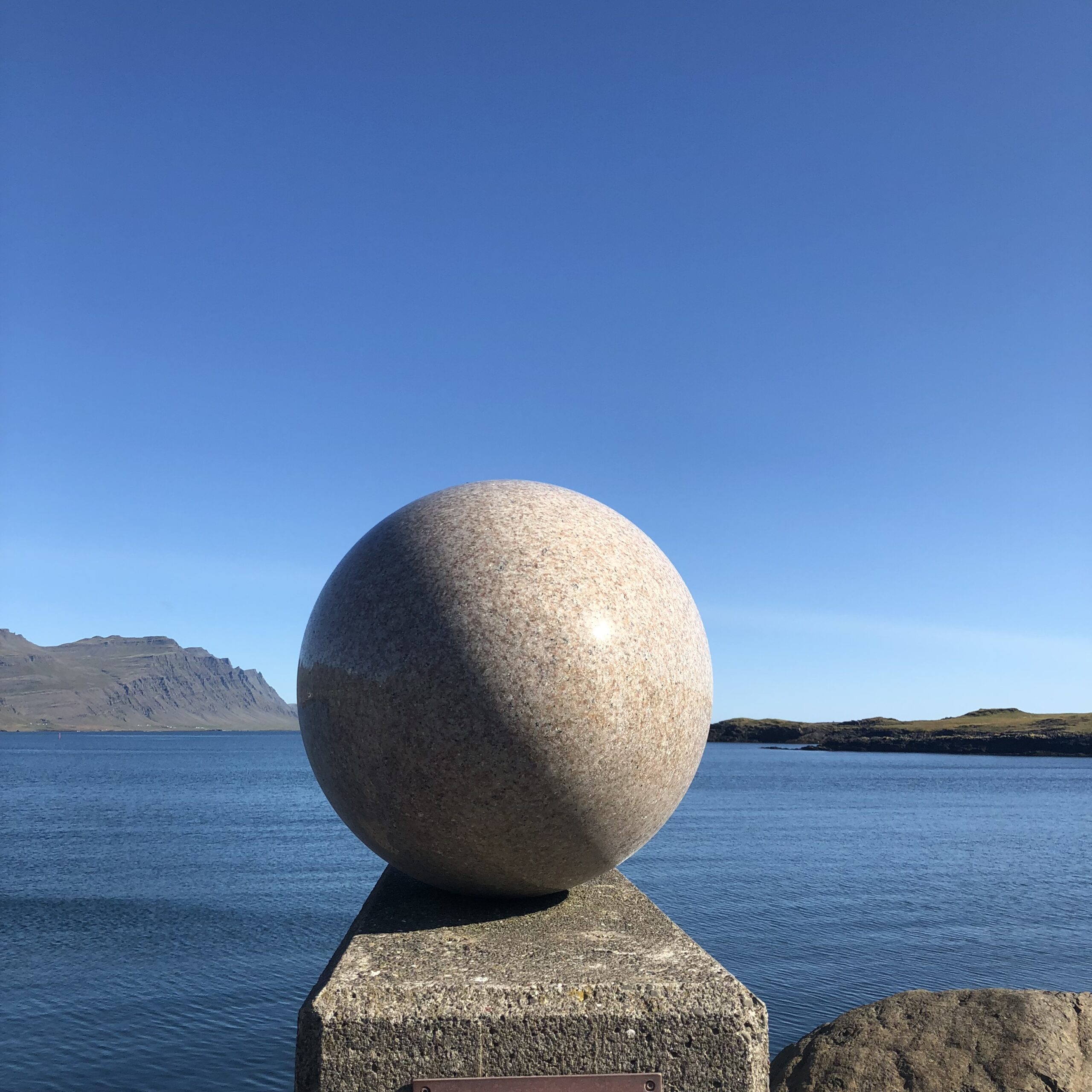
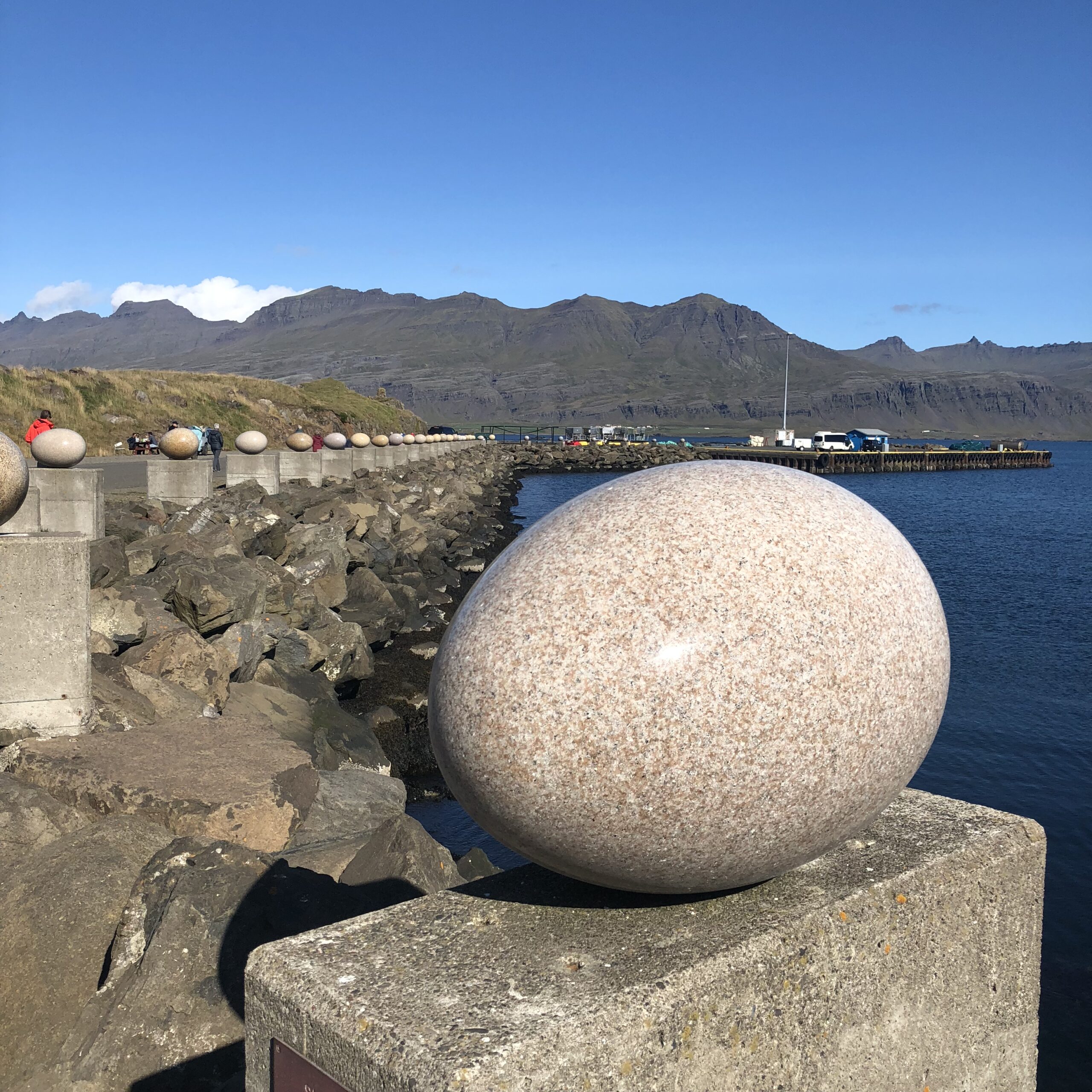
Along the shore at Gleðivík stands Eggin í Gleðivík, an outdoor artwork by Sigurður Guðmundsson. It consists of 34 enlarged granite replicas of eggs belonging to bird species that nest around Djúpivogur. Installed in 2009, the eggs form a line beside the water on concrete supports that once carried a landing pipe between the quay and a former fish-processing plant.
The old industrial foundations give the work a direct connection with the village. Forms modelled on the surrounding birdlife now occupy structures left by the fishing industry, bringing the natural and working histories of Djúpivogur together along the shoreline. The installation can be seen as a complete line within the landscape or as 34 individual forms, each differing in size, shape and stone.
Djúpivogur’s cultural life extends beyond the eggs. Ríkarður Jónsson, born in the village in 1888, became known for sculpture, portrait busts and woodcarving, and his work is represented in Langabúð. Former industrial spaces have also acquired cultural uses, allowing parts of the village’s fishing infrastructure to take on new roles without erasing what they once were.
Búlandstindur and Búlandsnes
Búlandstindur rises immediately west of Djúpivogur on Búlandsnes, between Berufjörður and Hamarsfjörður. The 1,069-metre mountain is formed from clearly layered basalt and has a near-pyramidal profile from several directions. It is one of the defining landforms of the area and a constant presence above the village.
Djúpivogur itself occupies Búlandsnes. Beyond the built-up village, ponds, shallow water, wetlands, beaches and low coastal ground support varied birdlife and provide places to walk. The landscape changes over short distances: the working harbour gives way to sheltered water, rocky shore and open views across Berufjörður.
Papey lies offshore. Its name has traditionally been connected with the papar, Irish monks said to have reached Iceland before the Norse settlement, although the name and tradition are not archaeological proof that monks lived on the island. Papey nevertheless remains a distinct part of the seaward landscape and later human history of the region. Access and boat services can change and should be checked locally.
A village understood slowly
Djúpivogur lies on the Ring Road between Höfn and the central Eastfjords, but its history and present life reward more than a short pause. The harbour, Langabúð, shoreline artworks and the landscape of Búlandsnes lie close together, revealing different parts of the same community.
Public facilities and visitor services support residents and travellers, but the enduring experience is the settlement itself: a small community beside a working harbour, carrying more than four centuries of trading history while finding new ways to remain viable after fundamental changes in Icelandic fishing.
The quietness of Djúpivogur is not evidence that nothing happens there. It is the character of a village whose scale still allows the harbour, shoreline, art and mountain to remain part of everyday life—and whose survival depends upon its ability to change without losing that relationship.
Interesting facts:
-
- Merchants from Hamburg established a trading post at Djúpivogur in 1589.
- Djúpivogur became a designated trading place during the Danish trade monopoly, which lasted from 1602 until the end of 1787.
- Langabúð dates from 1790 and is the oldest building in the village.
- Hans Jónatan, born into slavery on St Croix in 1784, escaped the Danish colonial system and made his life in Djúpivogur.
- Frelsi, a memorial to Hans Jónatan by Sigurður Guðmundsson, was unveiled in 2021.
- Eggin í Gleðivík comprises 34 granite replicas of eggs belonging to bird species that nest around Djúpivogur.
- The eggs stand on former industrial supports that once carried a landing pipe between the quay and a fish-processing plant.
- Búlandstindur rises 1,069 metres immediately west of the village on Búlandsnes.
- Djúpivogur became Iceland’s first member of the Cittaslow network in 2013.
Image Gallery
Photography tips:
-
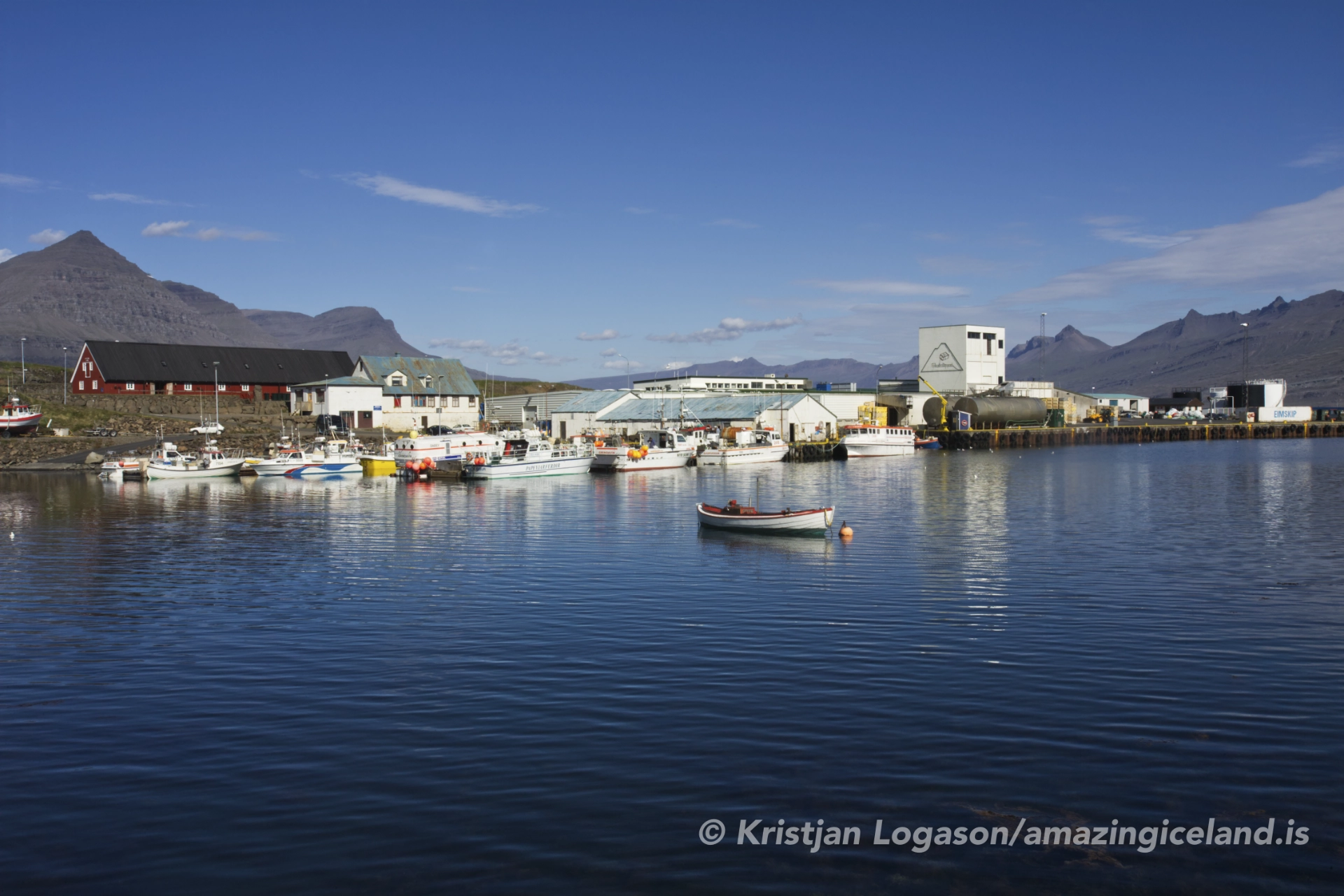
- The harbour brings together working vessels, waterfront buildings and the mountains surrounding Berufjörður.
- Langabúð can be photographed as an individual historic building or within the continuing harbour landscape around it.
- Eggin í Gleðivík offers possibilities ranging from the complete line of the installation to individual stone forms against water, shore or sky.
- The polished granite changes with the surrounding light and may reflect colours and details from the sky in different weather conditions.
- Wider views can show the relationship between Djúpivogur, Búlandsnes and Búlandstindur, while longer focal lengths can isolate details in the mountain's basalt layers.
- Ponds, wetlands and shorelines offer opportunities to photograph birds closely or as part of their coastal habitat.
- Former industrial structures and newer artworks can be brought together to explore the relationship between Djúpivogur's fishing history and its cultural life
Destinations nearby