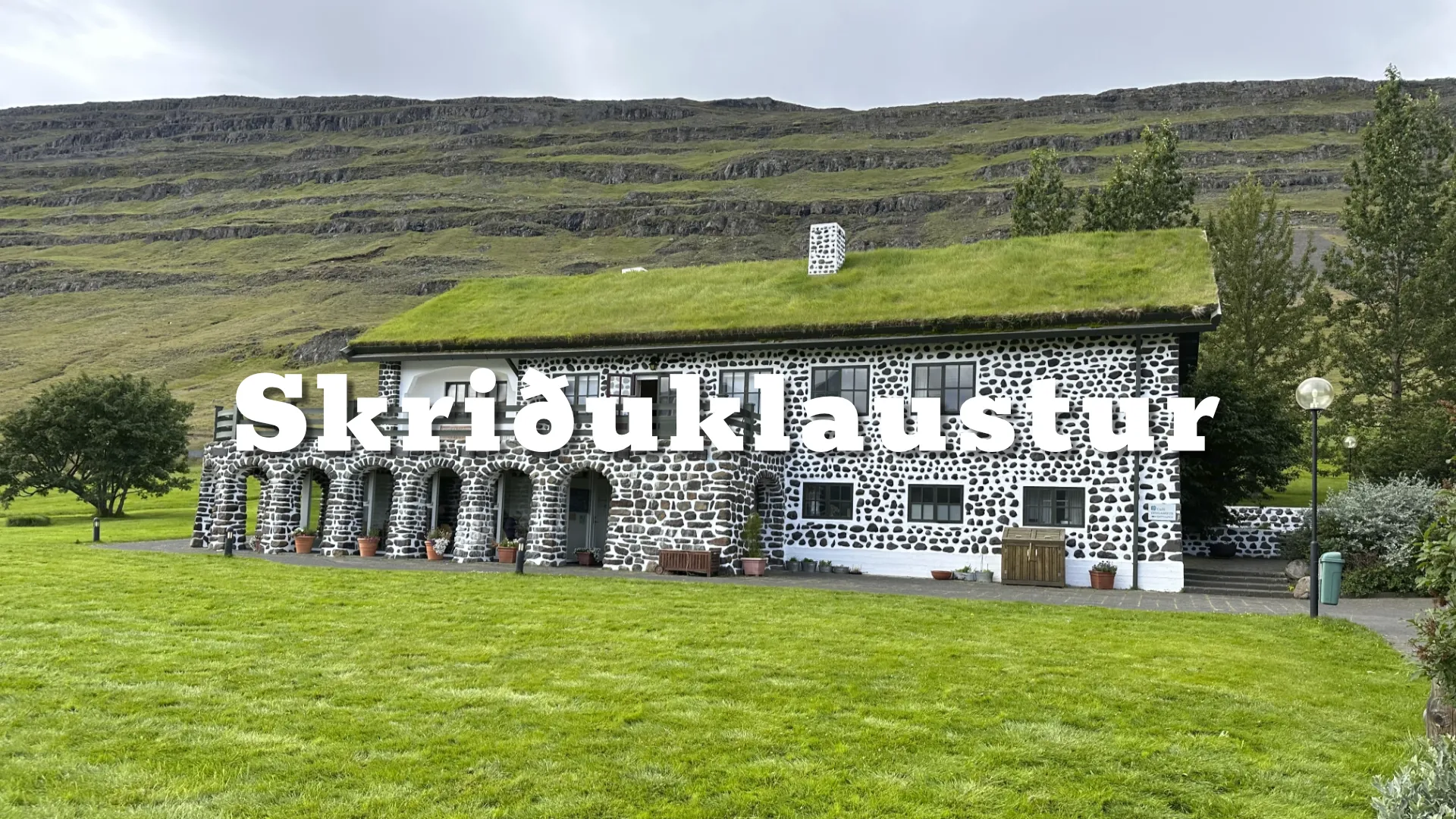
In the interior of East Iceland, near Fljótsdalur, Skriðuklaustur represents one of the most significant archaeological discoveries in modern Icelandic history. Excavated in the early 21st century, the site has transformed understanding of medieval life in Iceland, revealing a structured religious and medical institution operating far from Europe’s political and academic centers.
The location of Skriðuklaustur in east Iceland
Latitude
65.0236
Longitude
-15.3832
Skriðuklaustur in east Iceland
Skriðuklaustur was a monastery and hospital complex founded in 1493, operating until the Icelandic Reformation in the mid-16th century. It was associated with the Order of St. Augustine, reflecting broader European religious networks that extended even to Iceland’s remote eastern valleys. For decades, Skriðuklaustur existed primarily as a place name in written sources, its physical location uncertain and its function debated.
Archaeological excavations conducted between 2002 and 2012 confirmed the site’s identity and revealed extensive structural remains. Foundations of buildings, internal rooms, and activity areas demonstrated that Skriðuklaustur was not a small hermitage but a substantial institutional complex. The layout suggested organized daily routines, spatial hierarchy, and defined functional zones—characteristics consistent with continental monastic traditions.
The site’s location in Fljótsdalur was not accidental. The valley offered relative shelter, access to water, and arable land, while remaining sufficiently isolated to support contemplative life. From a geographic perspective, Skriðuklaustur illustrates how medieval institutions balanced seclusion with logistical necessity.
One of the most consequential discoveries at Skriðuklaustur was the cemetery and skeletal remains, which fundamentally altered understanding of healthcare in medieval Iceland. Analysis revealed evidence of medical treatment, including surgical procedures, trauma care, and long-term illness management. These findings confirm that Skriðuklaustur functioned as a hospital monastery, providing care not only to monks but also to laypeople.
Several skeletons displayed signs of chronic disease, healed injuries, and in some cases amputations—indications of sustained care rather than temporary refuge. Isotopic and pathological studies suggest that some individuals traveled considerable distances to reach the monastery, reinforcing the idea that Skriðuklaustur served a regional role.
From an academic standpoint, these findings reposition Iceland within medieval European medical history. Rather than existing at the periphery of medical knowledge, Iceland participated—albeit selectively—in broader practices of care, diagnosis, and treatment.
Material culture recovered from the site further supports this interpretation. Excavations uncovered imported ceramics, glassware, coins, and religious artifacts, indicating trade connections that extended beyond Iceland. Botanical remains revealed the use of medicinal plants, some of which were not native to the immediate area, implying intentional cultivation or import.
This evidence complicates assumptions about medieval Iceland as isolated or technologically limited. Skriðuklaustur functioned as a node in transnational networks, where ideas, materials, and practices moved alongside people. The monastery’s existence demonstrates that intellectual and medical exchange reached even remote valleys.
Importantly, the site’s abandonment following the Reformation was systematic rather than violent. Structures were dismantled or repurposed, and over time, soil and vegetation concealed the remains. The landscape absorbed the institution quietly, preserving it for rediscovery centuries later.
Today, Skriðuklaustur is presented as a managed archaeological site with interpretive elements designed to emphasize context rather than reconstruction. The outlines of buildings are visible, but the site resists theatrical restoration. This restraint aligns with contemporary archaeological ethics, prioritizing evidence and interpretation over visual completion.
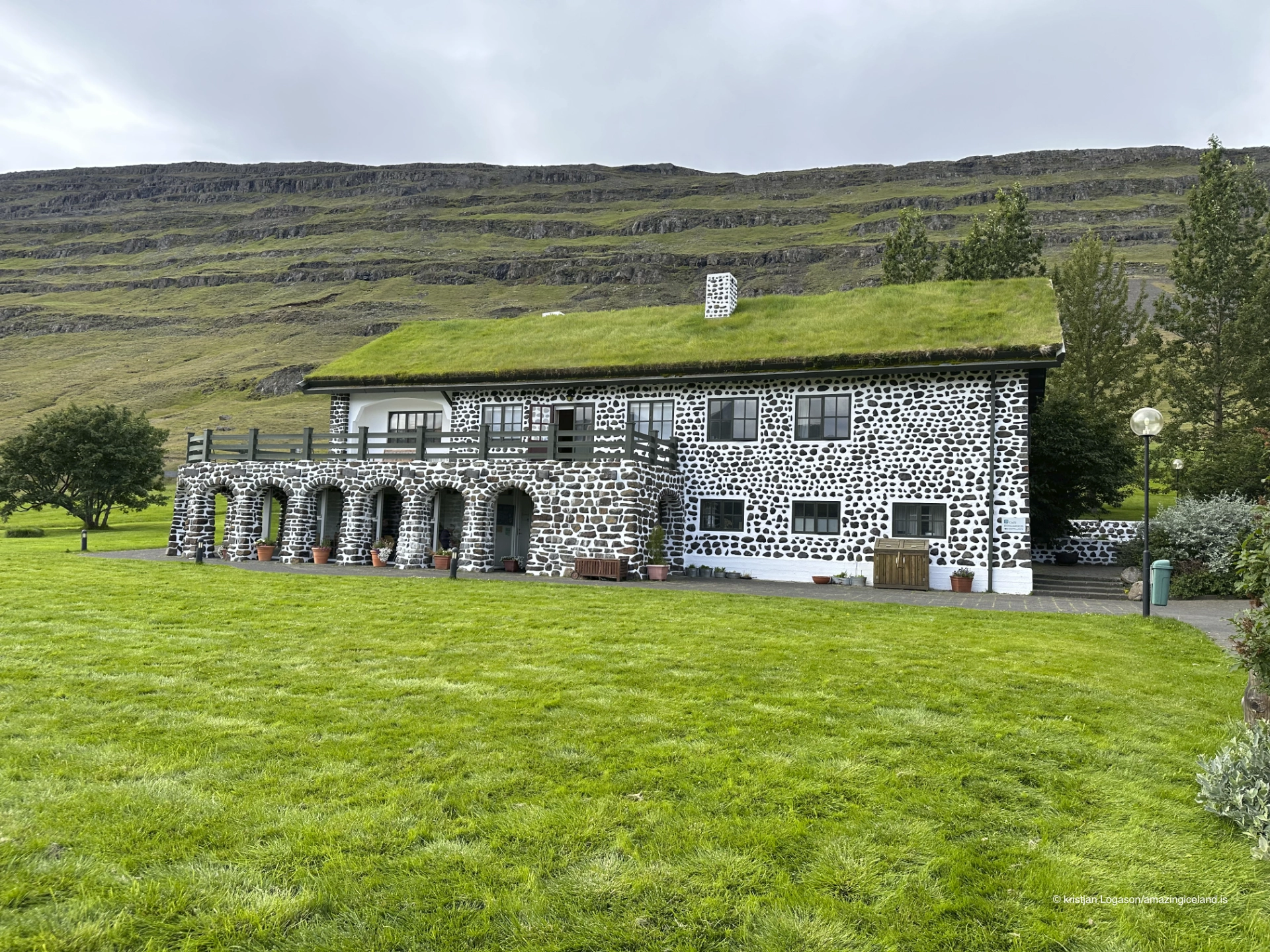
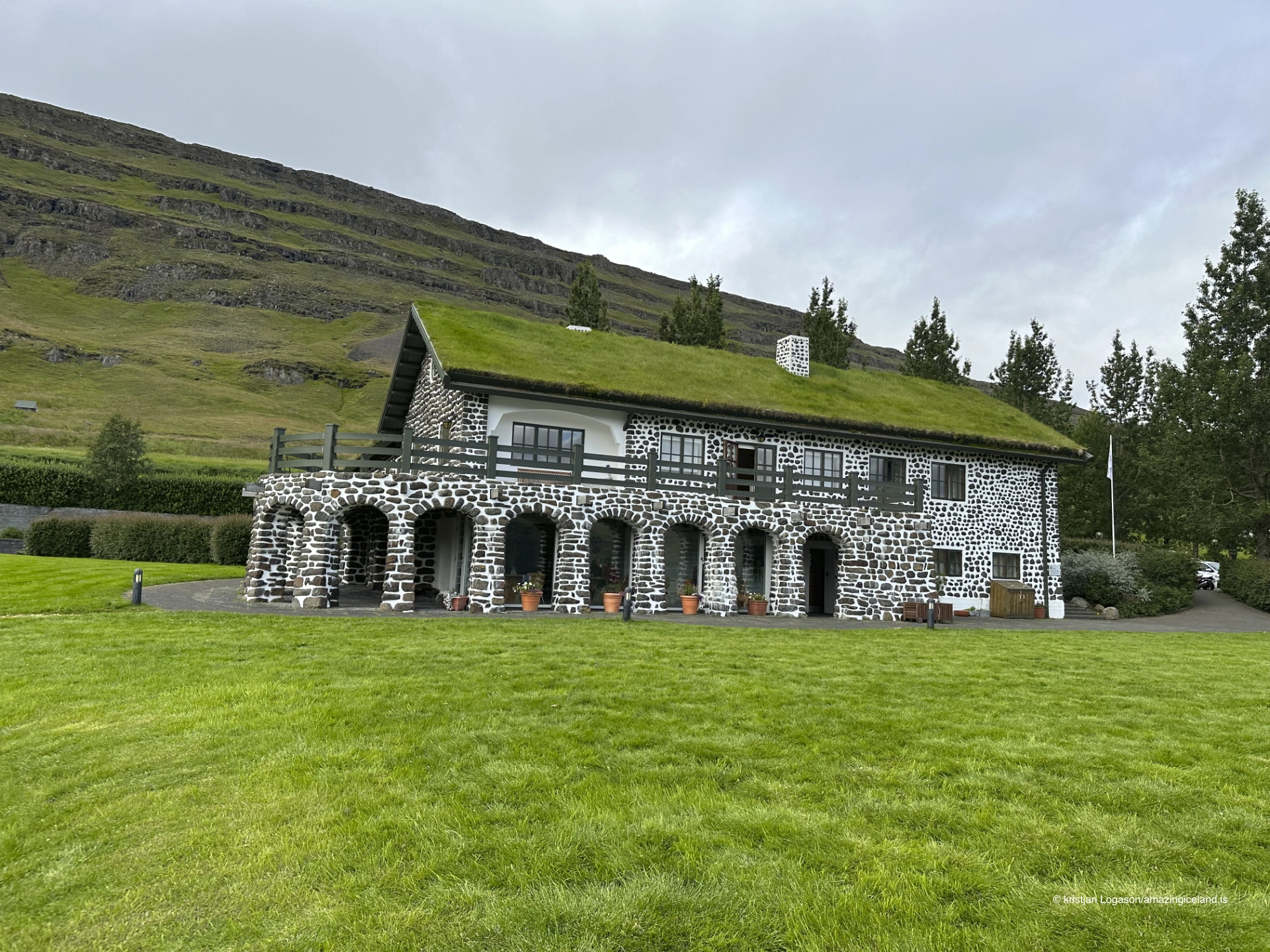
Skriðuklaustur is also inseparable from the literary legacy of Gunnar Gunnarsson, one of Iceland’s most internationally influential authors of the 20th century. Gunnar Gunnarsson built his home, Skriðuklaustur (Gunnar Gunnarsson house), adjacent to the archaeological site in the 1930s, deliberately positioning himself within a landscape shaped by history, memory, and silence.
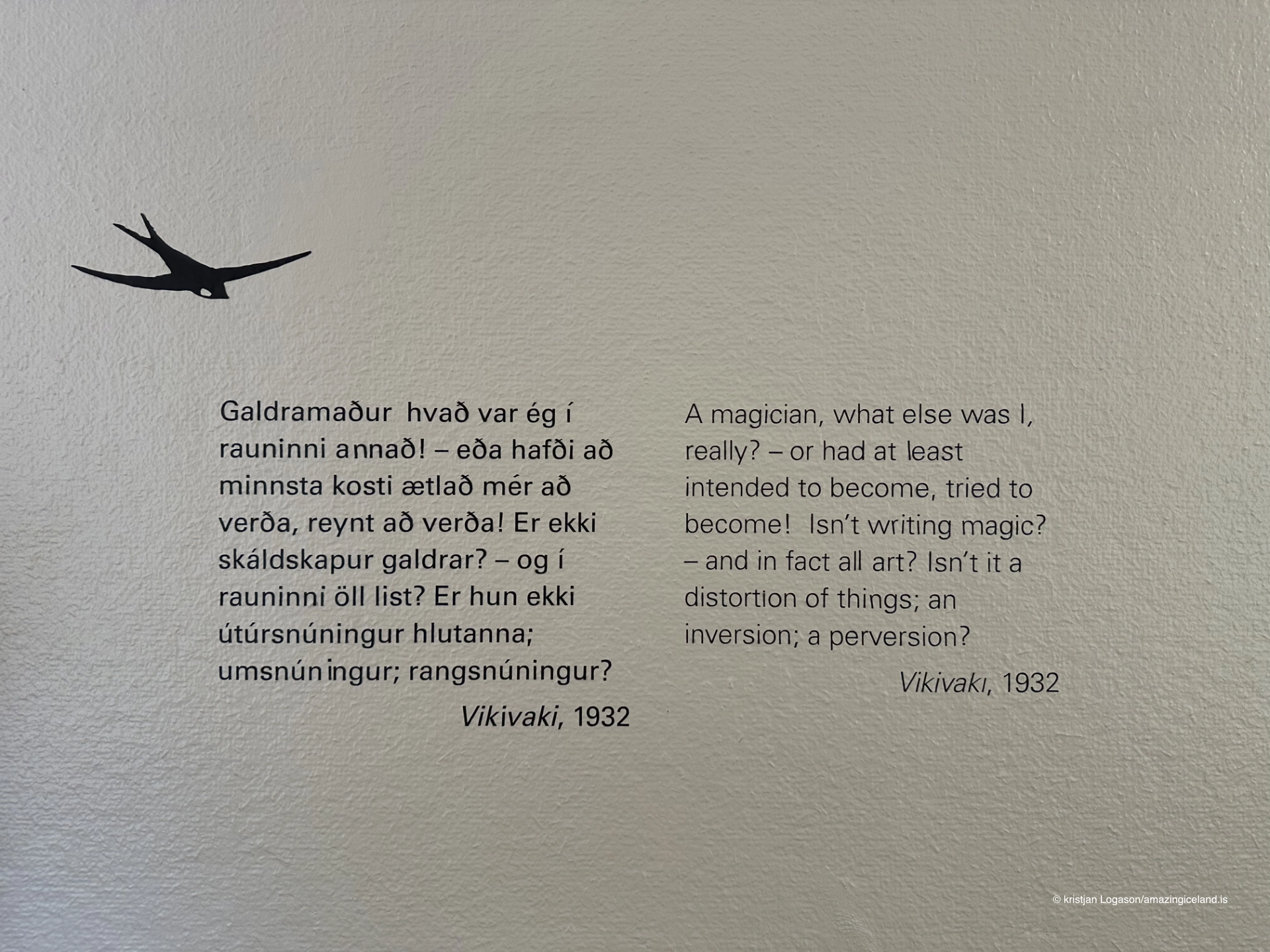
Although the medieval monastery had not yet been excavated during Gunnar’s lifetime, its presence as a named place and cultural echo informed his relationship with the land. Gunnar’s work consistently explores themes of isolation, moral endurance, faith, and the psychological weight of environment—concerns that align closely with what Skriðuklaustur has since revealed archaeologically.
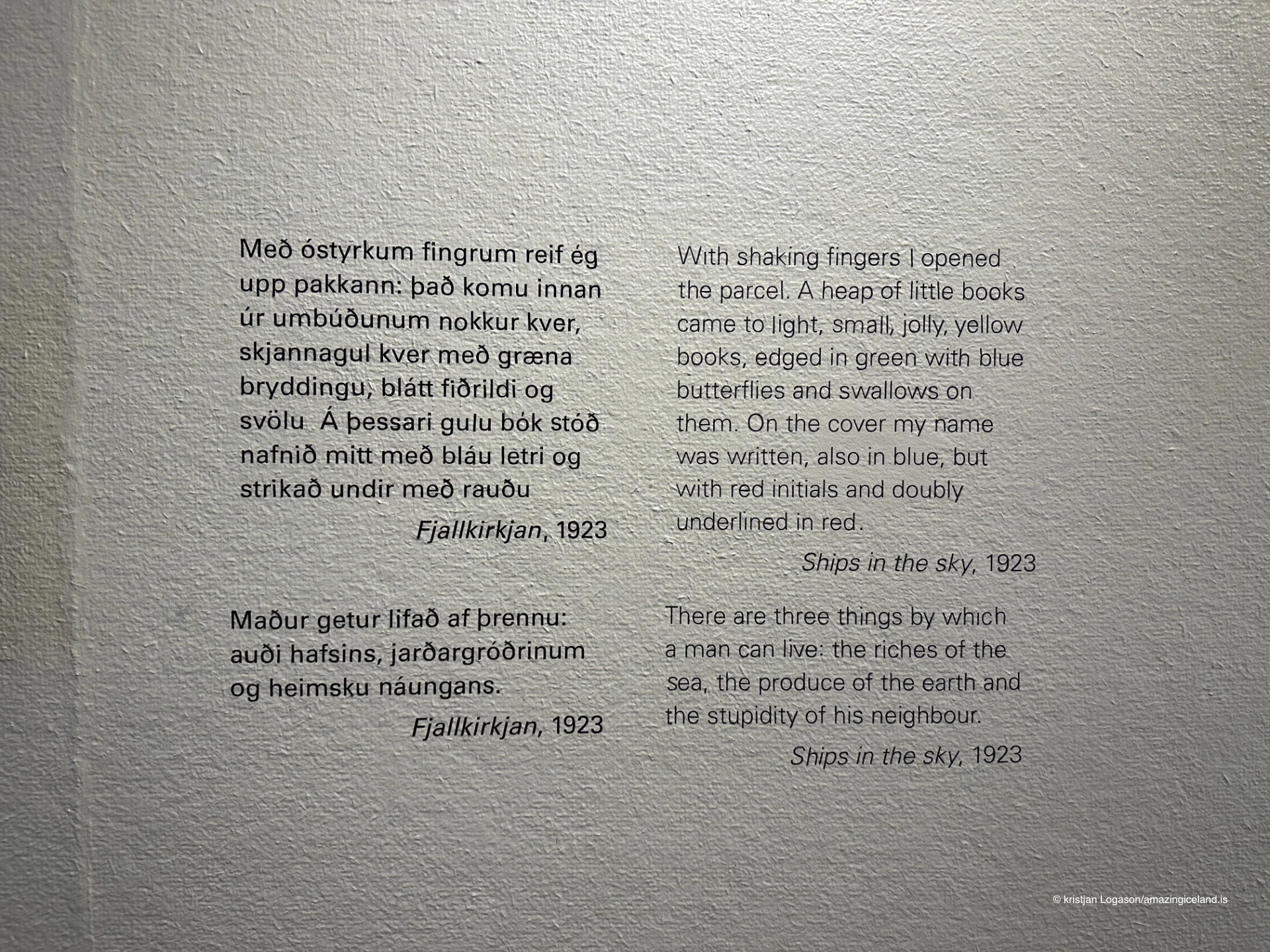
Gunnar Gunnarsson wrote extensively about East Iceland and the human condition within marginal landscapes. His internationally known works, including Advent (Aðventa), The Black Cliffs (Svartfugl), and The Church on the Mountain (Kirkjan á fjallinu), are not descriptive landscapes in a touristic sense, but ethical and existential studies rooted in place. Nature in his writing is neither backdrop nor antagonist; it is a formative force shaping character, responsibility, and belief.
From a cultural-geographical perspective, Gunnar’s residence at Skriðuklaustur represents a continuity of purpose. Where the medieval monastery functioned as a place of care, discipline, and contemplation, Gunnar’s Skriðuklaustur functioned as a place of intellectual labor and reflection. Both occupy the same valley not by coincidence, but by suitability.
Skriðuklaustur ultimately reframes medieval Icelandic history. It demonstrates that structured healthcare, religious discipline, and international connection were present even at Iceland’s eastern edge. The site challenges narratives of isolation and simplicity, replacing them with evidence of complexity and intentionality.
Seen through Gunnar Gunnarsson’s presence, Skriðuklaustur becomes more than an archaeological recovery. It becomes a layered site of continuity, where medieval care, modern literature, and landscape intersect. The valley holds not one history, but several—each shaped by the same conditions of remoteness, responsibility, and restraint.
Interesting facts:
- Skriðuklaustur was founded in 1493 and abandoned during the Reformation.
- It functioned as a monastery and hospital, not solely a religious site.
- Excavations revealed evidence of surgical and long-term medical care.
- Artifacts indicate international trade connections.
- The site was excavated extensively between 2002–2012.
- Gunnar Gunnarsson, one of Iceland’s most internationally read authors, lived at Skriðuklaustur from the 1930s onward.
- His home stands beside the medieval monastery ruins, linking literary and archaeological history in a single landscape.
- Gunnar’s works are widely regarded as foundational in interpreting human ethics within Icelandic environments.
Image Gallery
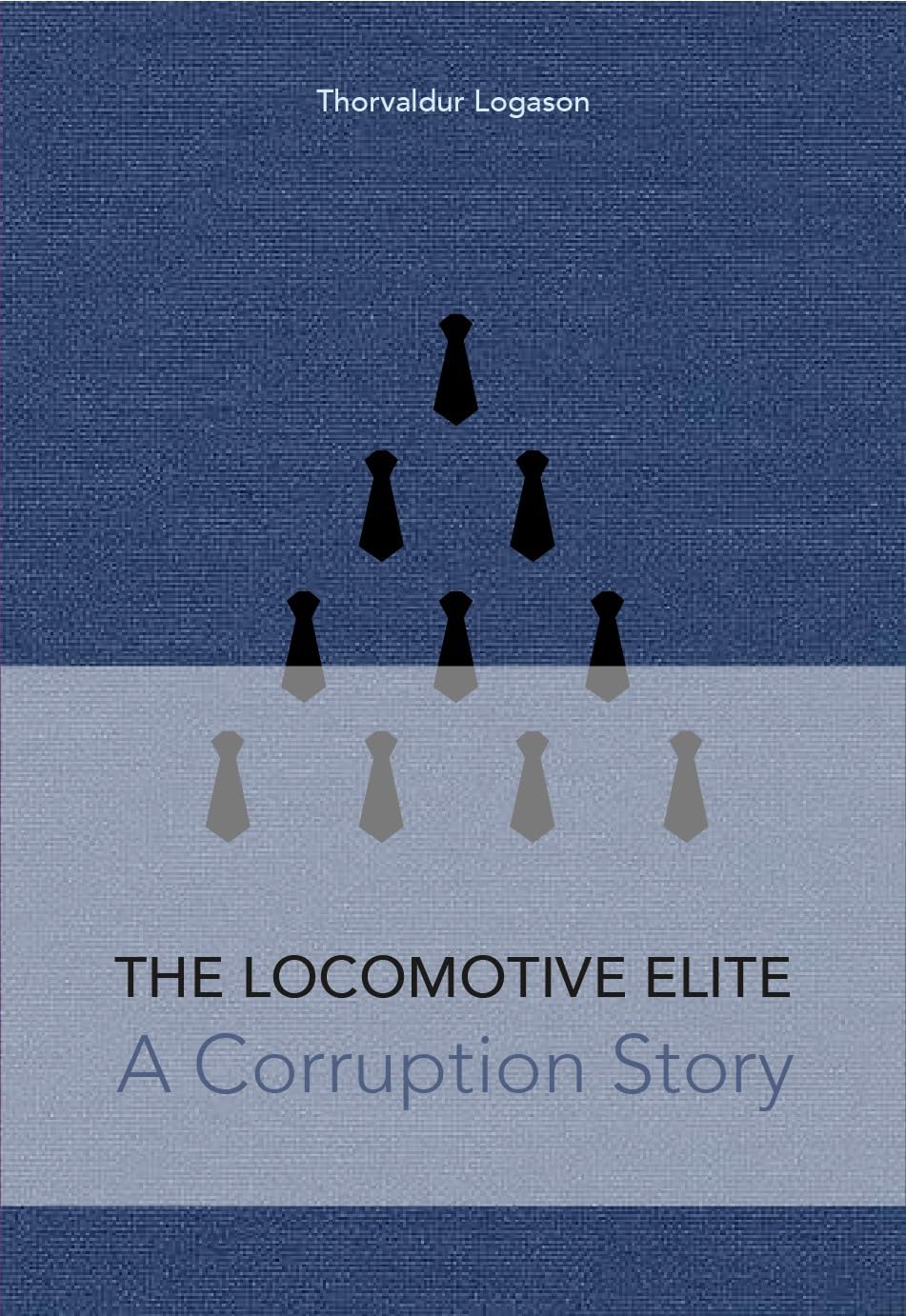
The Locomotive Elite
What do Donald Trump and Iceland’s Locomotive Elite have in common?
Far more than you think.
In The Locomotive Elite, you’ll uncover how a tiny clique in Iceland captured extensive control—of banks, courts, media, and even the central bank.
For decades they ruled, first democratically, then through corruption and in the end through crime, enriching themselves and their cronies while dismantling oversight.
The result?
One of the most spectacular financial collapses in modern history.
Photography tips:
- Work low and wide: Emphasize foundations within the surrounding landscape.
- Avoid dramatization: Neutral light suits archaeological honesty.
- Include context: River, valley, and slopes are part of the site’s meaning.
- Detail studies: Stonework, layout patterns, and textures reward close observation.
- Seasonal restraint: Snow simplifies form; summer clarifies structure—both are valid.
Good cameras for Iceland
Sony A7R V

Sony A7s lll

Canon R6

Nikon Z6 lll

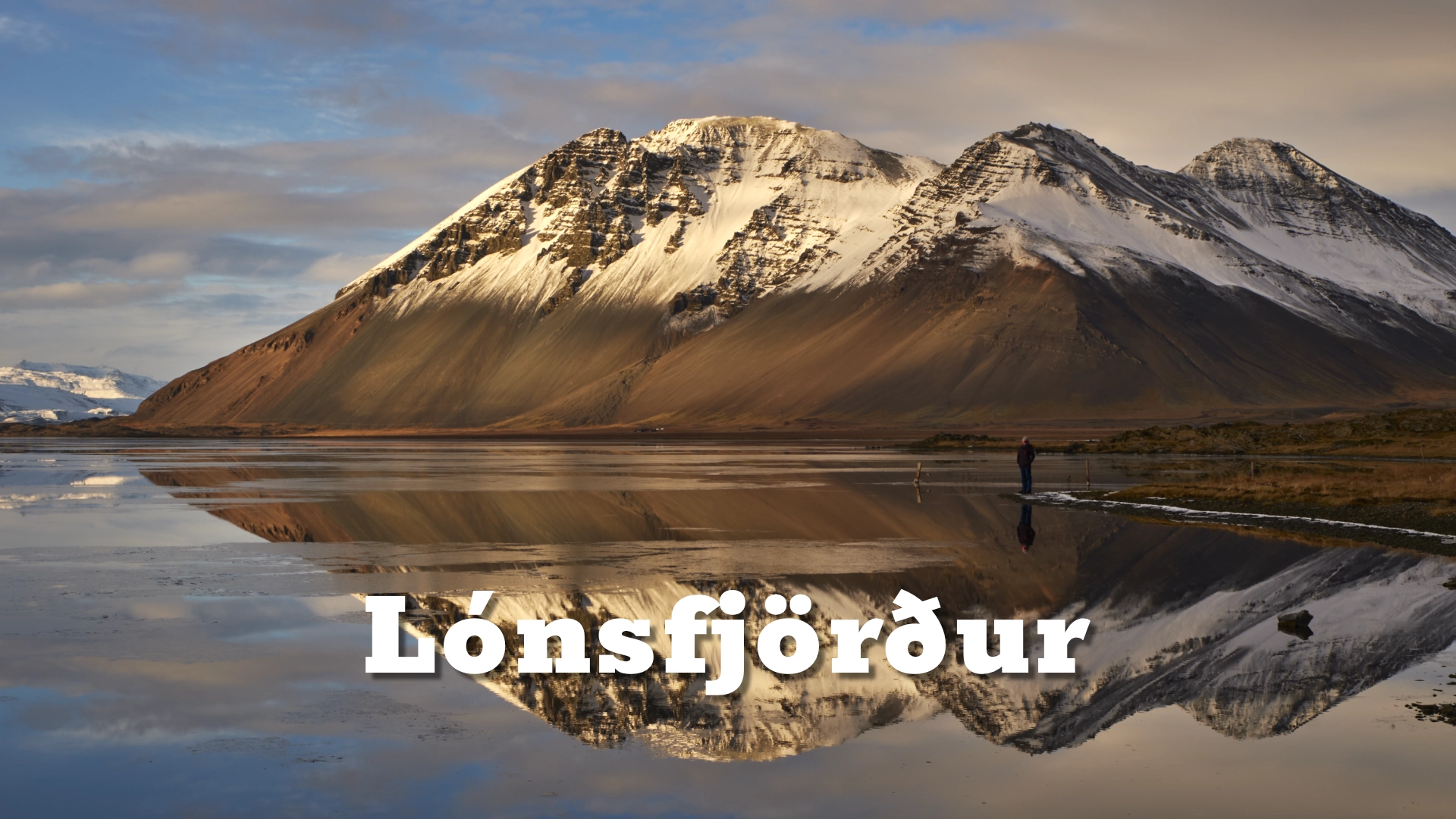
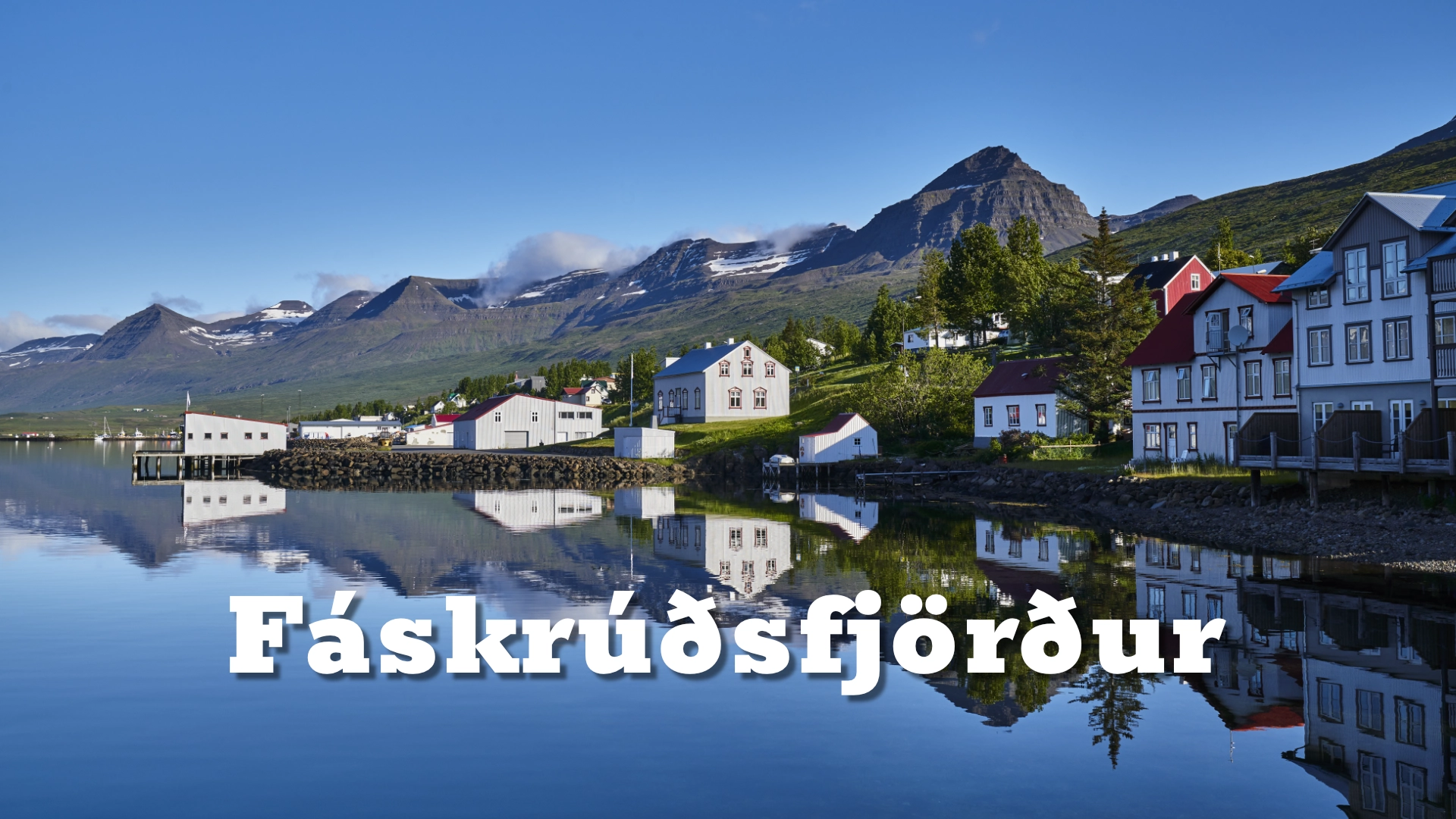
Destinations nearby

Good to have in Iceland