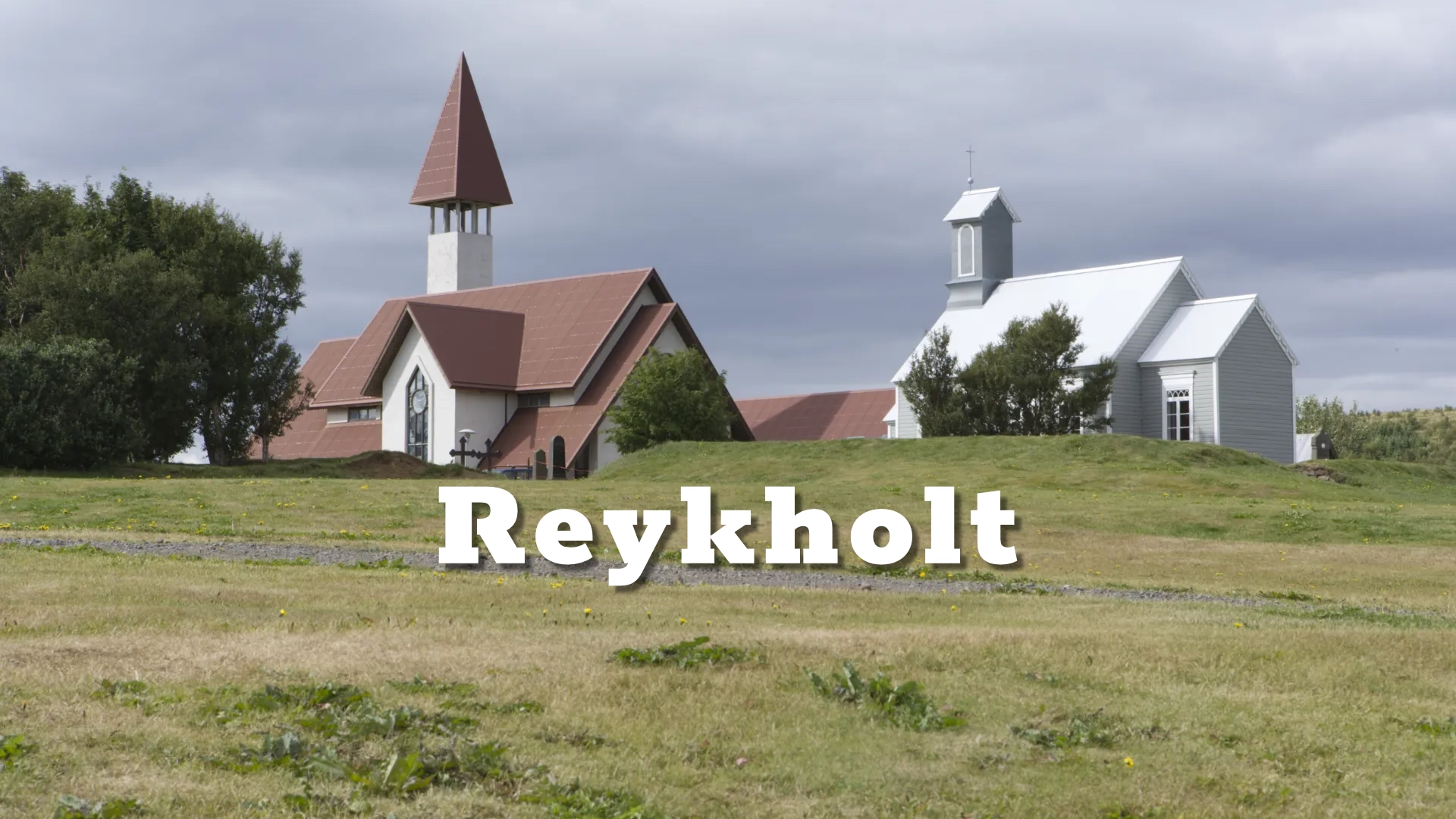
In the Borgarfjörður region of West Iceland, Reykholt occupies a sheltered inland position shaped by geothermal activity and fertile lowland terrain. Best known as the former residence of Snorri Sturluson, Reykholt stands as a foundational site for Icelandic literature, law, and historical memory.
The location of Reykholt in Borgarfjörður
Latitude
64.6631
Longitude
-21.2927
Reykholt in Borgarfjörður
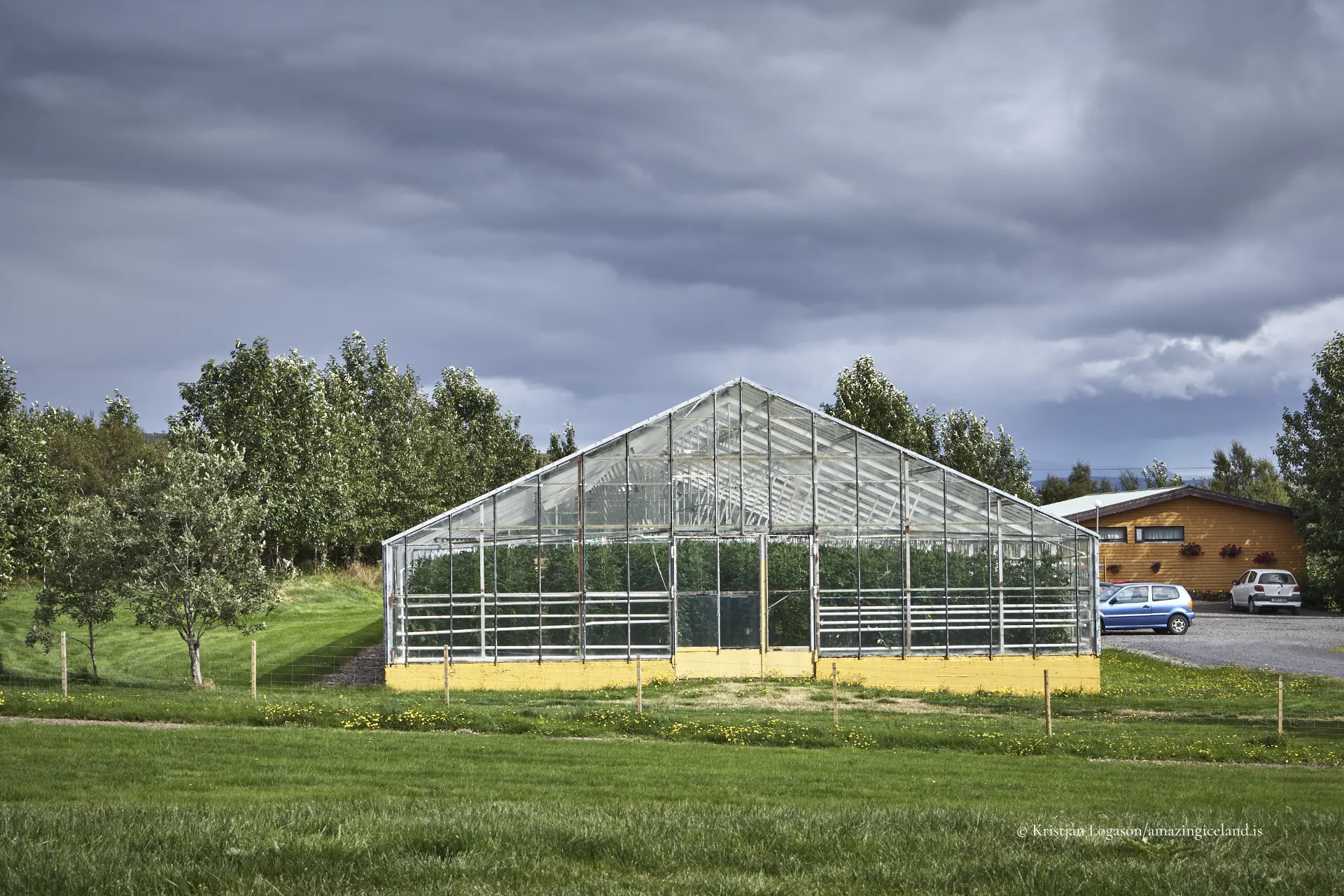
Reykholt is situated in a shallow valley north of Borgarfjörður, where geothermal heat rises naturally through fractured bedrock. This geothermal activity has influenced settlement at the site since early habitation, providing warmth, bathing facilities, and agricultural advantages in an otherwise cool climate. The name Reykholt—often interpreted as “smoky hill”—reflects this geothermal presence.
From a geographical perspective, Reykholt occupies favorable land. The surrounding area offers relatively fertile soils, reliable water access, and shelter from harsh coastal winds. These conditions supported sustained habitation and allowed Reykholt to develop into a center of influence rather than a marginal farmstead.
The site’s importance, however, is not primarily environmental. Reykholt’s significance emerges from its role as a seat of knowledge and power during Iceland’s medieval Commonwealth period.
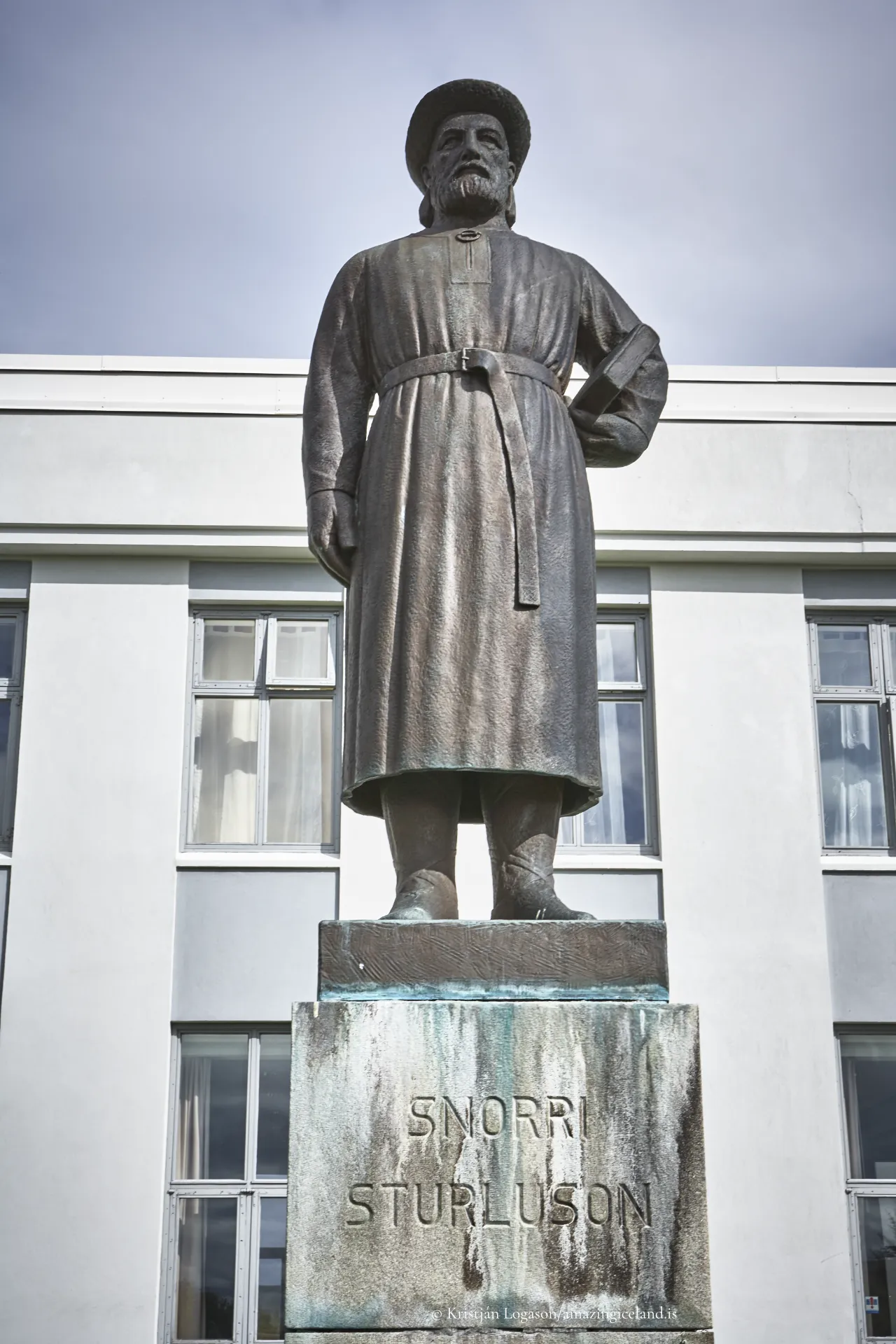
Reykholt is inseparable from Snorri Sturluson (1179–1241), one of the most influential figures in Icelandic and European medieval culture. A chieftain, lawspeaker, historian, and poet, Snorri lived at Reykholt during his most productive years. It was here that he wrote major works including the Prose Edda and Heimskringla, texts that preserve Norse mythology, skaldic poetry, and the history of Scandinavian kings.
These works are not merely literary achievements; they are structural documents of cultural memory. Without Snorri’s efforts, much of what is known about pre-Christian Norse belief and early Scandinavian history would have been lost. Reykholt thus functions as a physical anchor for texts that shaped understanding far beyond Iceland.
The site also reflects political complexity. Snorri was deeply involved in the power struggles of the Sturlung Age, and Reykholt served as both residence and political base. His assassination in 1241 underscores how closely knowledge and power were intertwined.
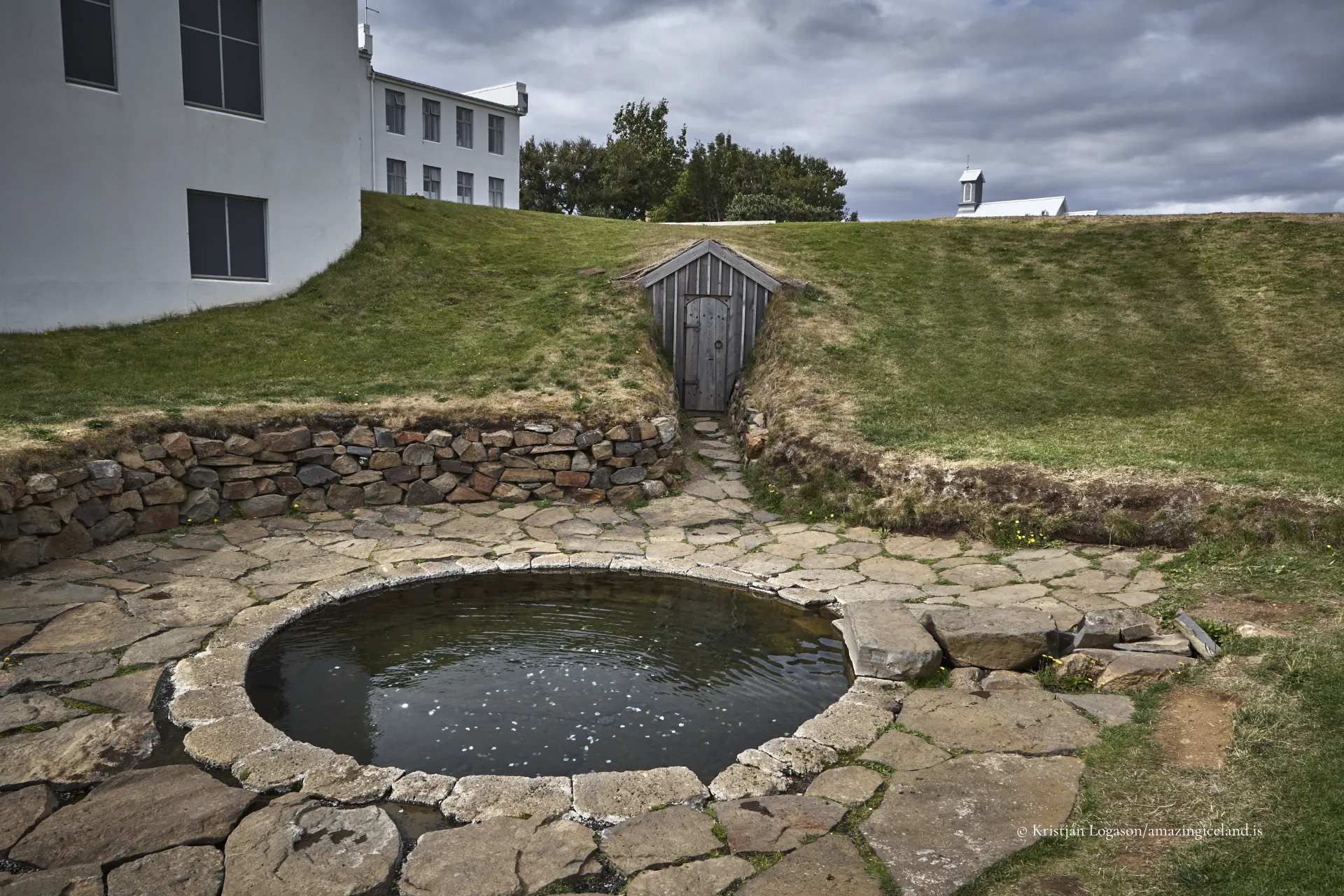
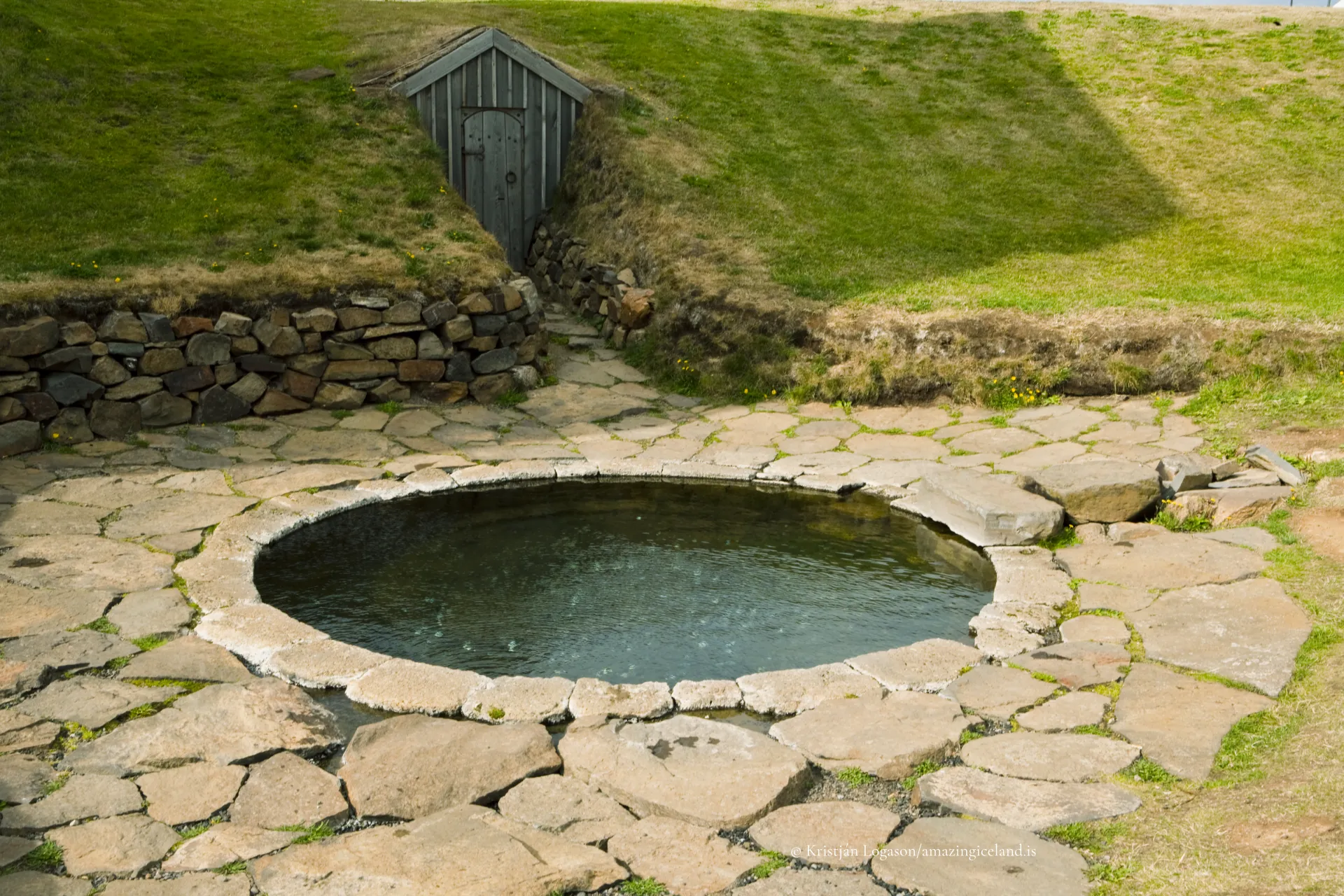
Archaeological remains at Reykholt reveal a sophisticated settlement. Excavations have uncovered structures associated with bathing and heating, including Snorralaug, a stone-built hot pool traditionally linked to Snorri himself. A subterranean passage connects the pool to the main residence area, demonstrating early architectural integration of geothermal resources.
These features illustrate advanced use of local energy long before modern geothermal exploitation. Reykholt’s inhabitants understood and managed heat, water, and space in ways that enhanced comfort, hygiene, and social status.
The site’s archaeological layers also document continuity and adaptation, showing how Reykholt evolved through medieval, post-medieval, and modern periods without losing its core identity.
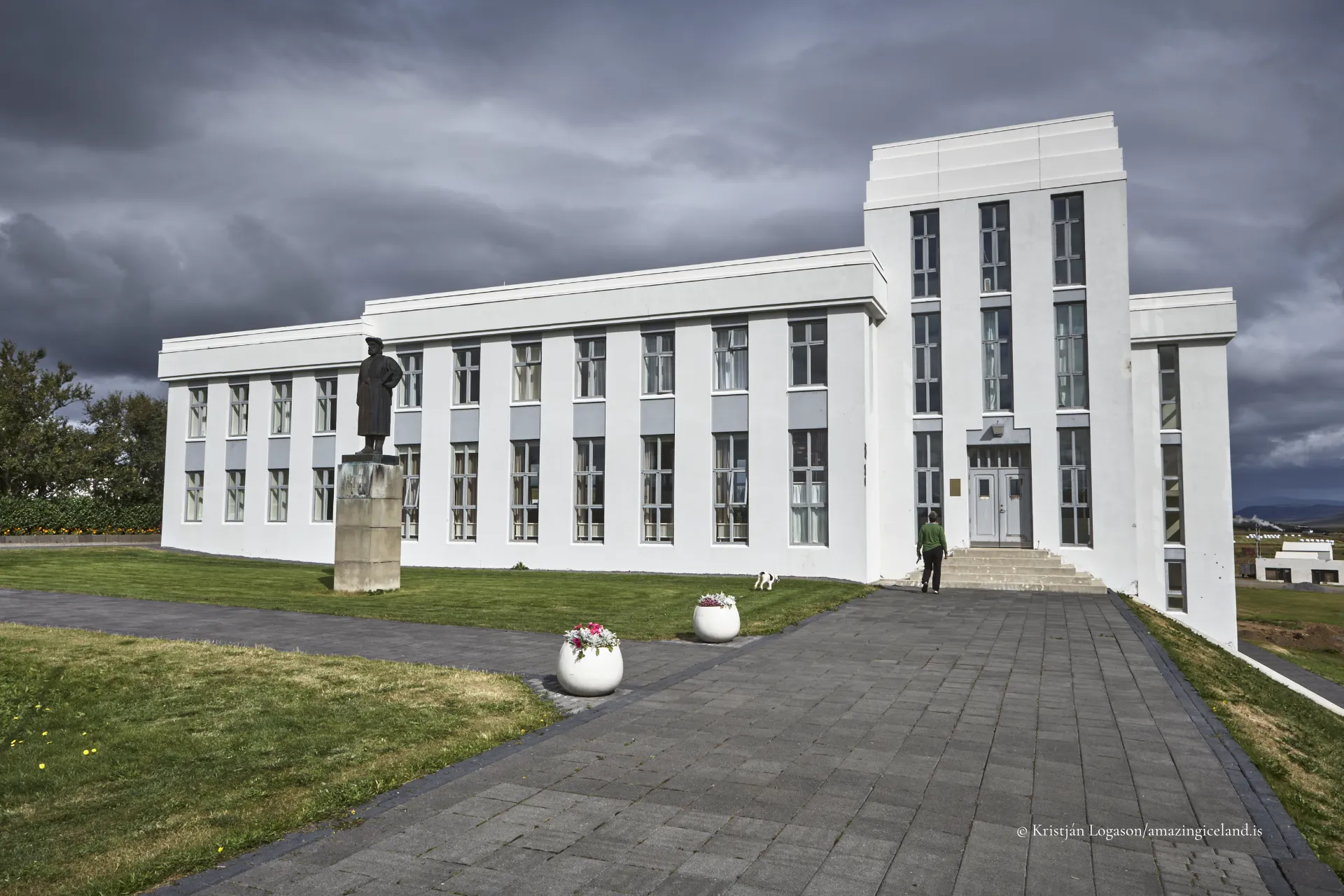
Today, Reykholt is both a research center and a commemorative landscape. Snorrastofa functions as an academic institute dedicated to medieval studies, literature, and history, while also serving as a museum and cultural venue. This dual role reinforces Reykholt’s historical function as a place of learning.
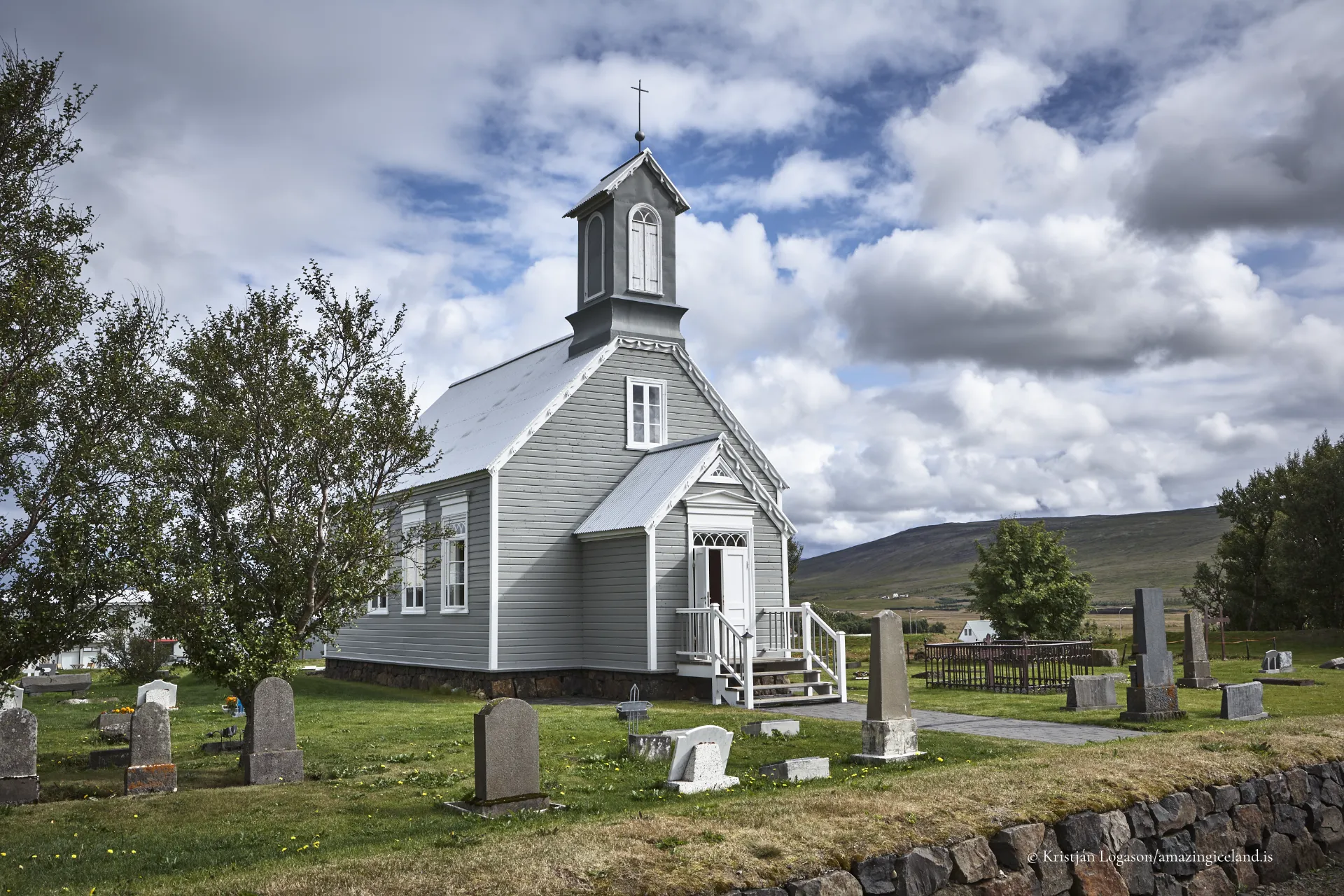
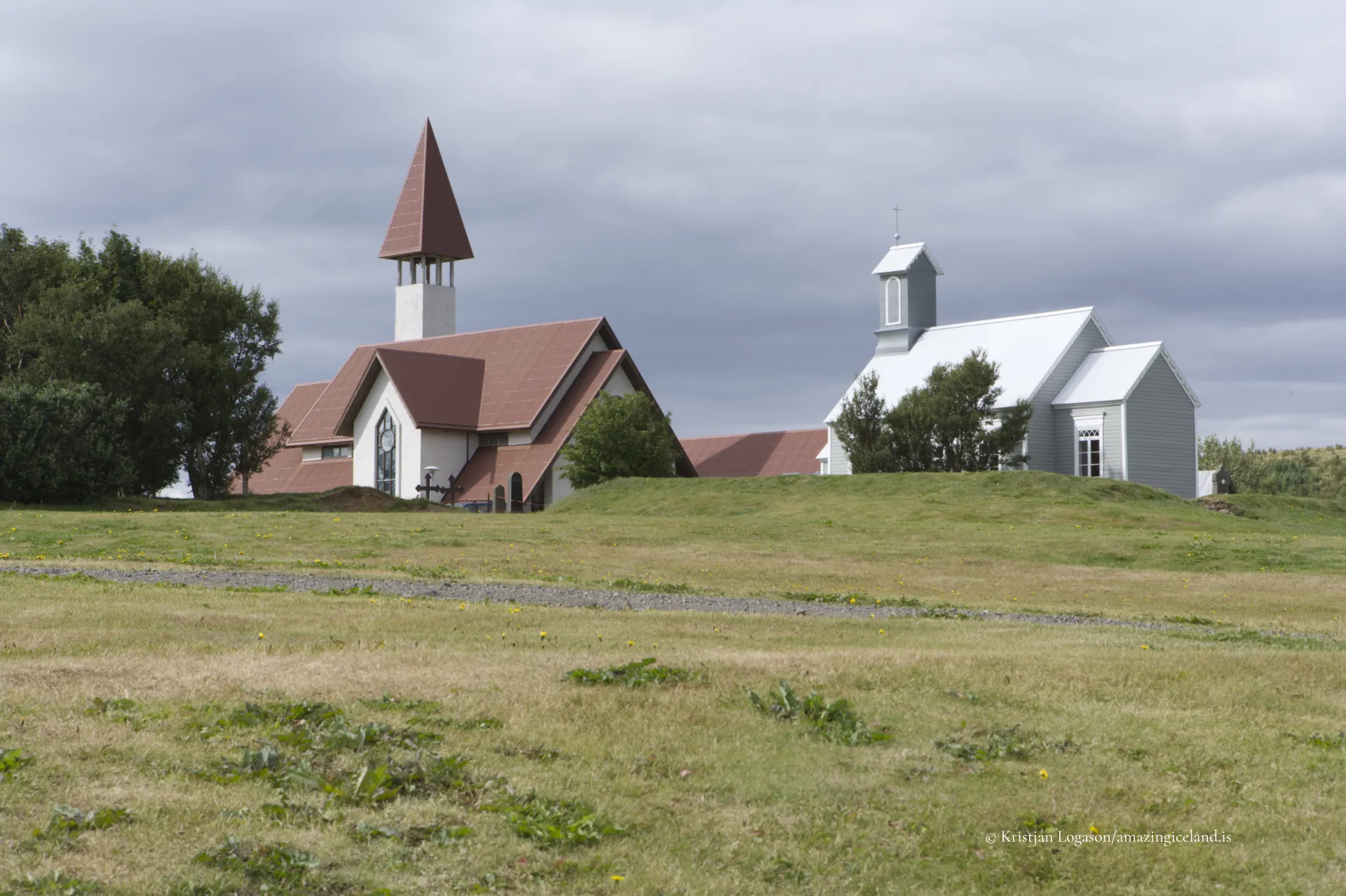
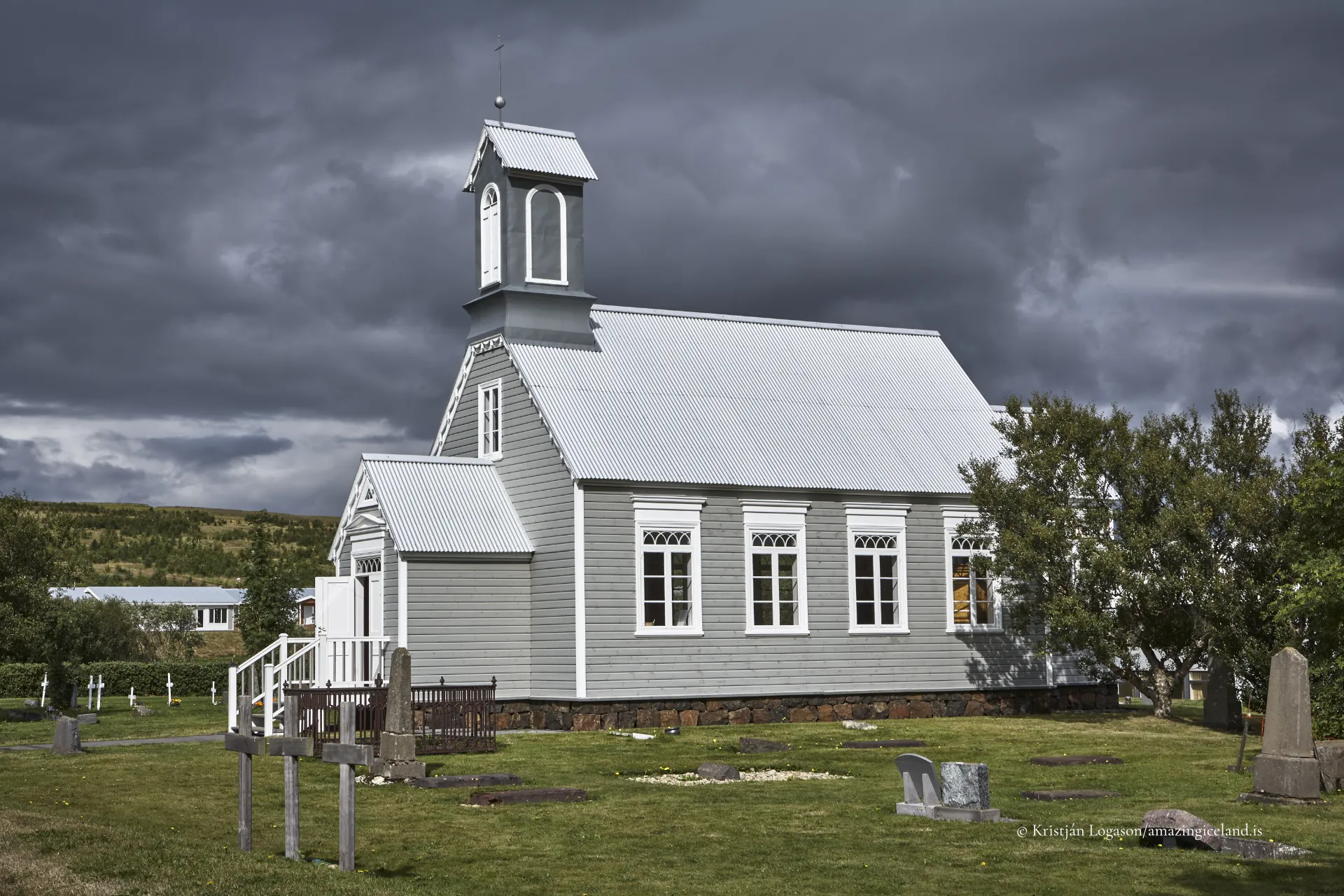
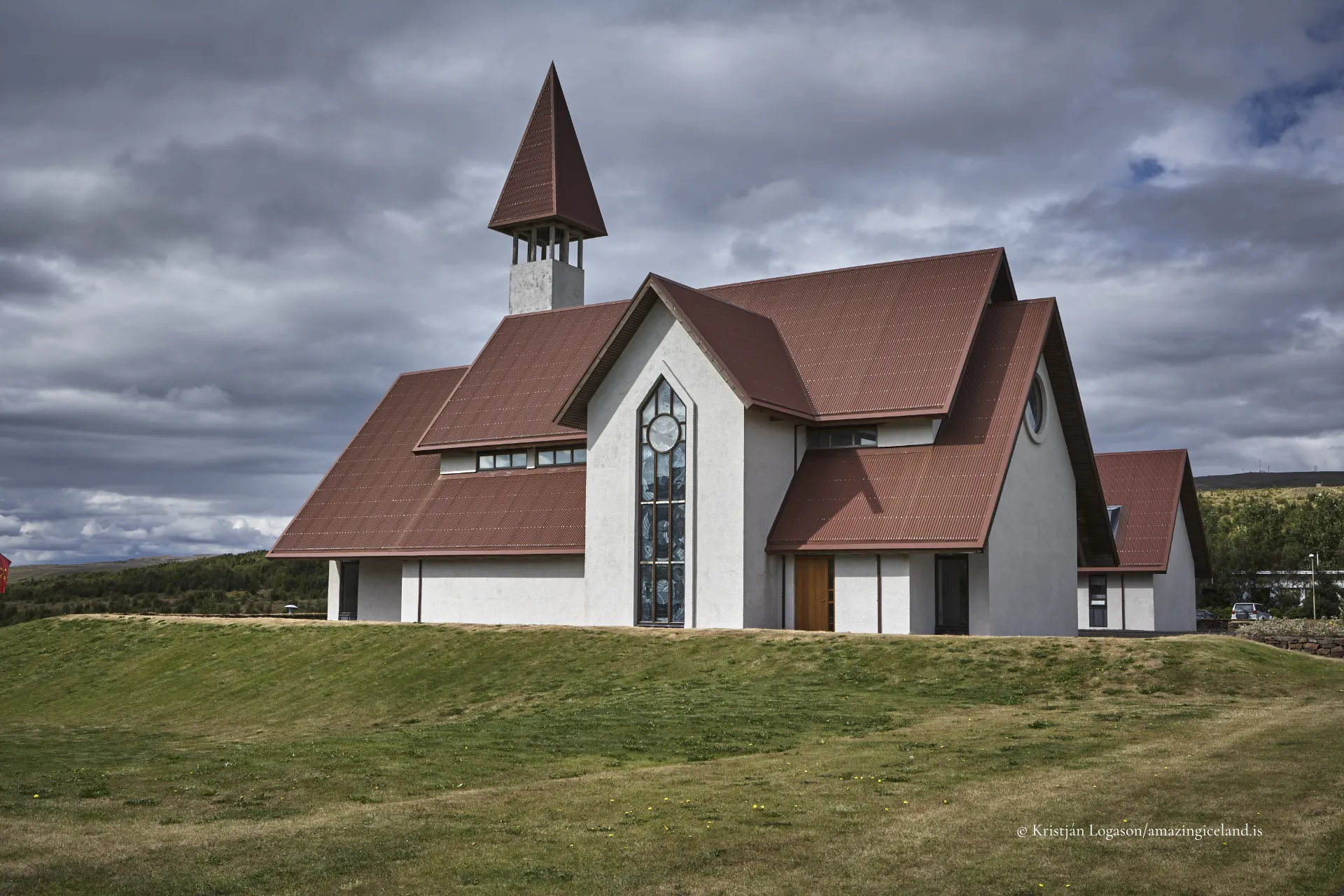
The modern church at Reykholt stands near earlier ecclesiastical sites, maintaining spiritual continuity without reconstructing the medieval environment theatrically. Interpretation at Reykholt emphasizes context and scholarship rather than spectacle.
Reykholt ultimately represents the rare alignment of environment, intellect, and authority. It is not dramatic in appearance, nor monumental in scale, yet its influence is disproportionate to its physical footprint.
Interesting facts:
- Reykholt was the home of Snorri Sturluson in the 13th century.
- Snorri wrote the Prose Edda and Heimskringla at Reykholt.
- The site includes Snorralaug, a medieval geothermal bath.
- Reykholt remains an active research and cultural center.
- Geothermal activity has shaped settlement at the site for centuries.
Image Gallery
The Locomotive Elite
What do Donald Trump and Iceland’s Locomotive Elite have in common?
Far more than you think.
In The Locomotive Elite, you’ll uncover how a tiny clique in Iceland captured extensive control—of banks, courts, media, and even the central bank.
For decades they ruled, first democratically, then through corruption and in the end through crime, enriching themselves and their cronies while dismantling oversight.
The result?
One of the most spectacular financial collapses in modern history.
Photography tips:
- Restraint over drama: The site’s power is intellectual, not visual.
- Include context: Fields, hills, and hot spring features explain placement.
- Detail work: Stonework and ground textures carry more meaning than wide views.
- Soft light suits best: Overcast conditions emphasize material honesty.
- Avoid reconstruction framing: Focus on what remains, not what is imagined.
Good cameras for Iceland
Sony A7R V

Sony A7s lll

Canon R6

Nikon Z6 lll

Destinations nearby
Good to have in Iceland