Hoffell and Hoffellsjökull Glacier – Hot Springs and Ice in Southeast Iceland
Hoffell lies around 20 kilometres from Höfn at the inland edge of Hornafjörður. The area extends from cultivated land and naturally heated bathing tubs near the farms to the moraines, lagoon and broken glacier front of Hoffellsjökull.
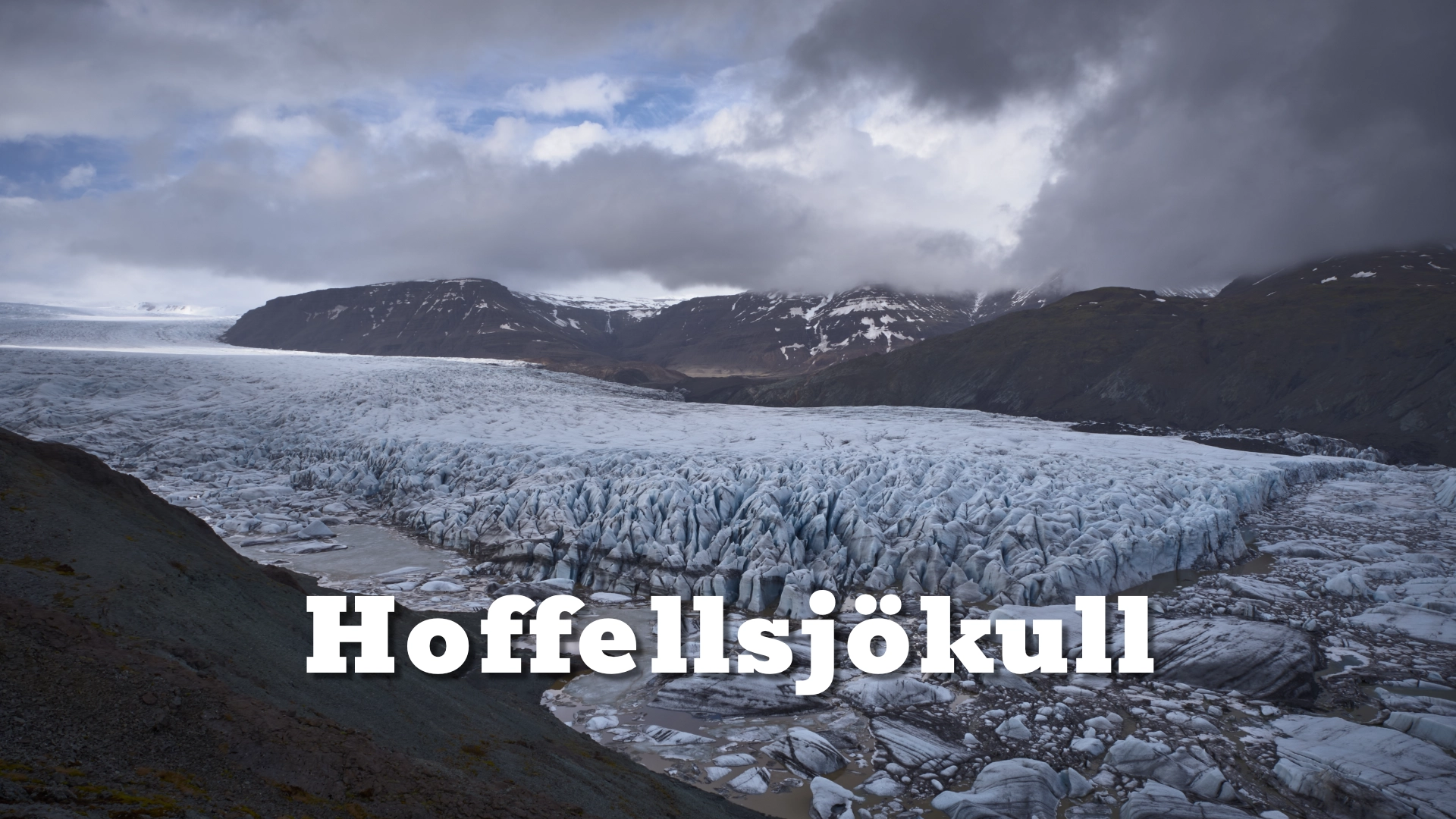
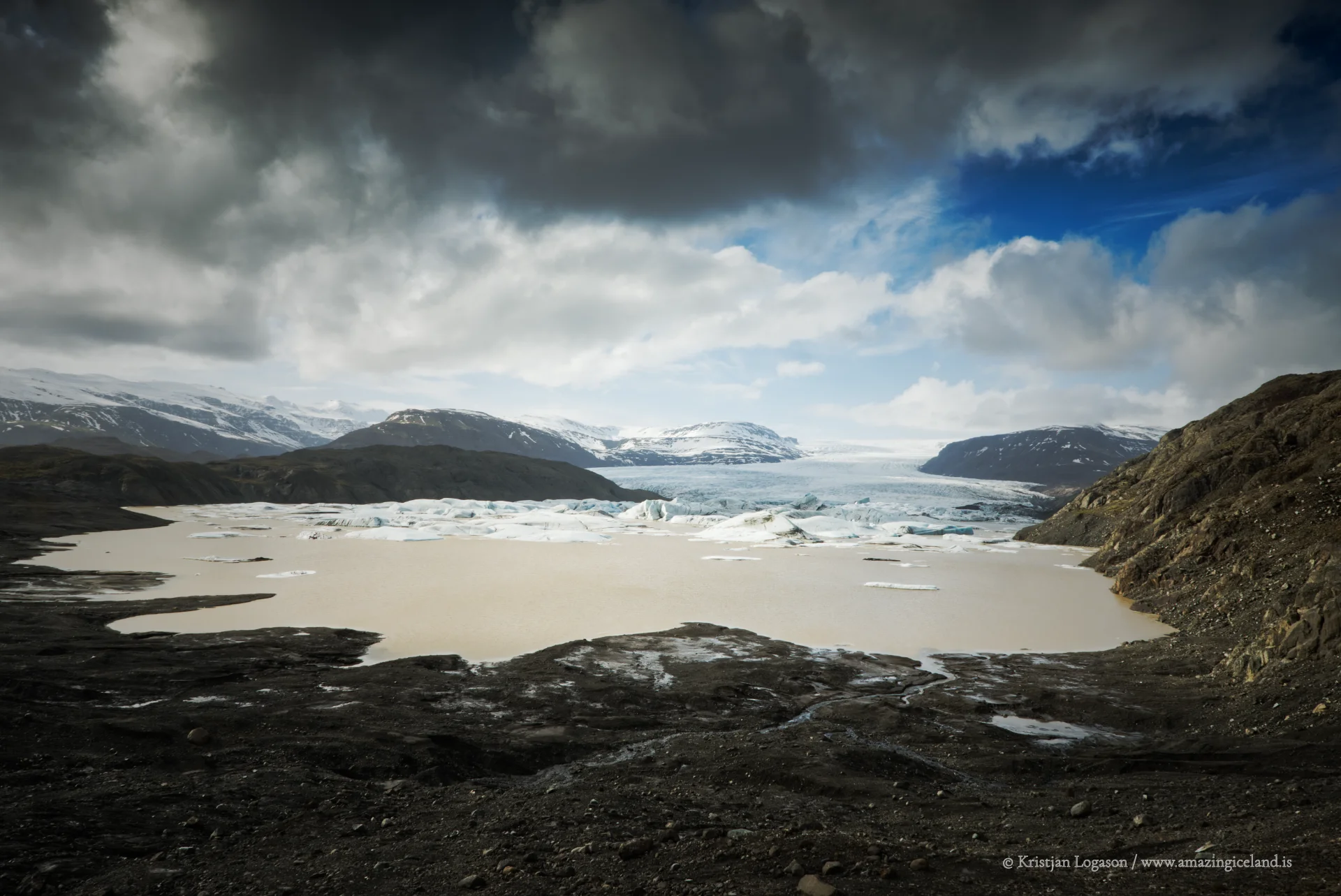
The glacier and Hoffellslón form the central visitor experience. From the glacier parking area, visitors climb onto a gravel moraine for the full view across the lagoon. The valley also exposes the remains of the ancient Geitafell central volcano, including unusual gabbro cliffs and the former Hoffell Iceland-spar mine.
The first road section reaches the farms and Hoffellslaugar in an ordinary vehicle and is maintained during winter. The final four-kilometre gravel road to Hoffellsjökull is rougher, requires a 4×4 and is not maintained through winter.
The location of Hoffell and Hoffellsjökull Glacier – Hot Springs and Ice in Southeast Iceland
Latitude
64.4181
Longitude
-15.3973
Hoffell and Hoffellsjökull Glacier – Hot Springs and Ice in Southeast Iceland
Hoffellsjökull and its two glacier lobes
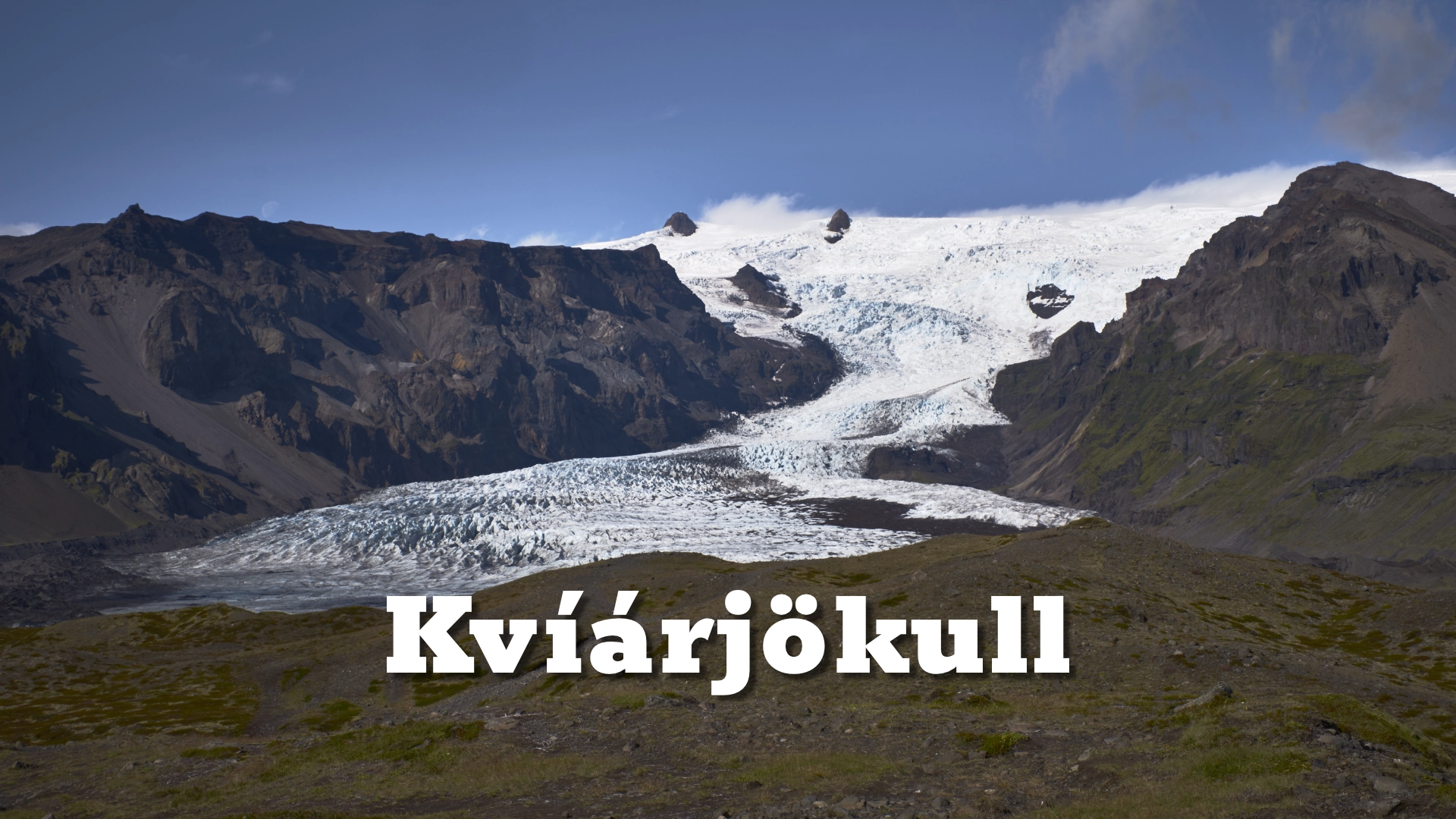
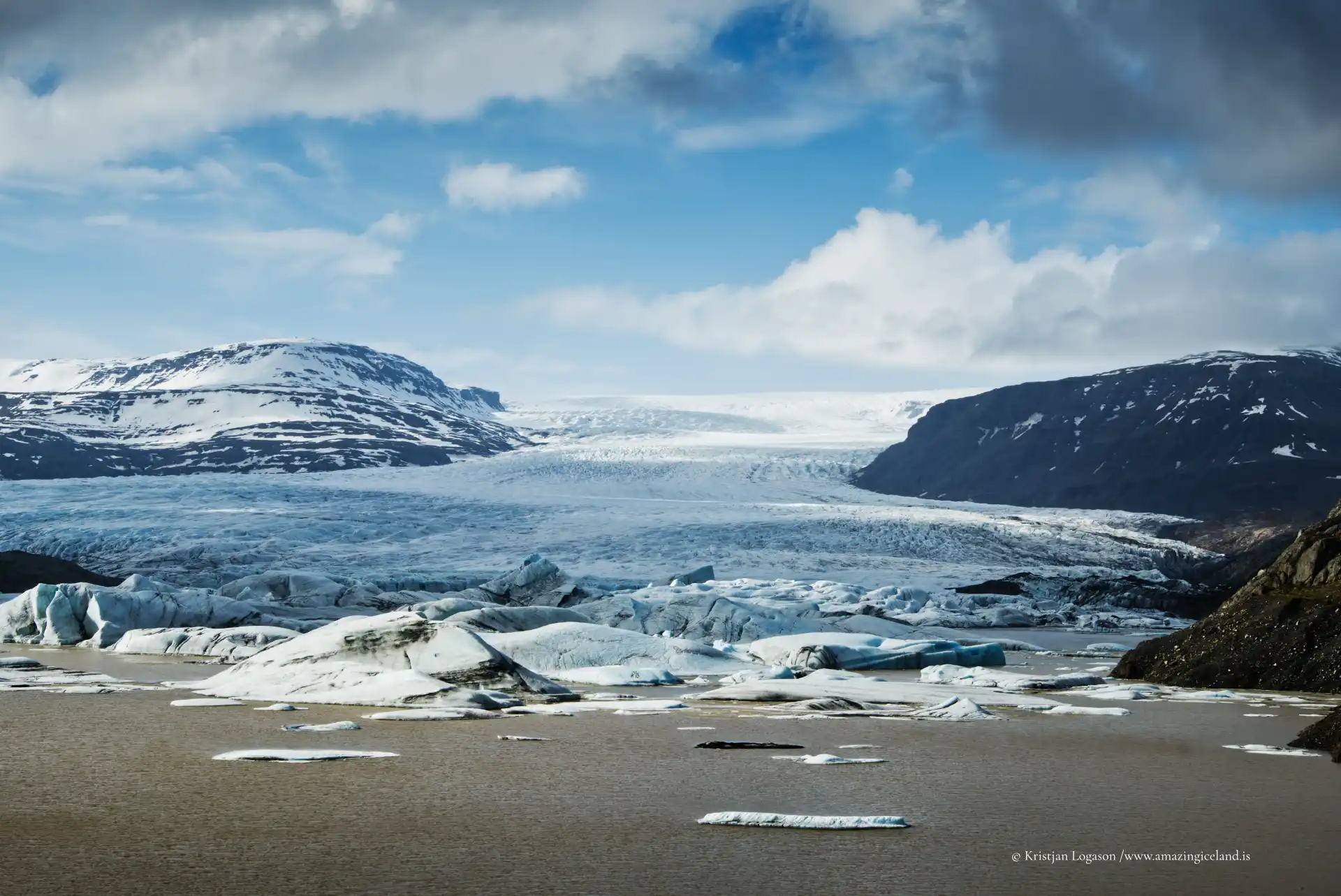
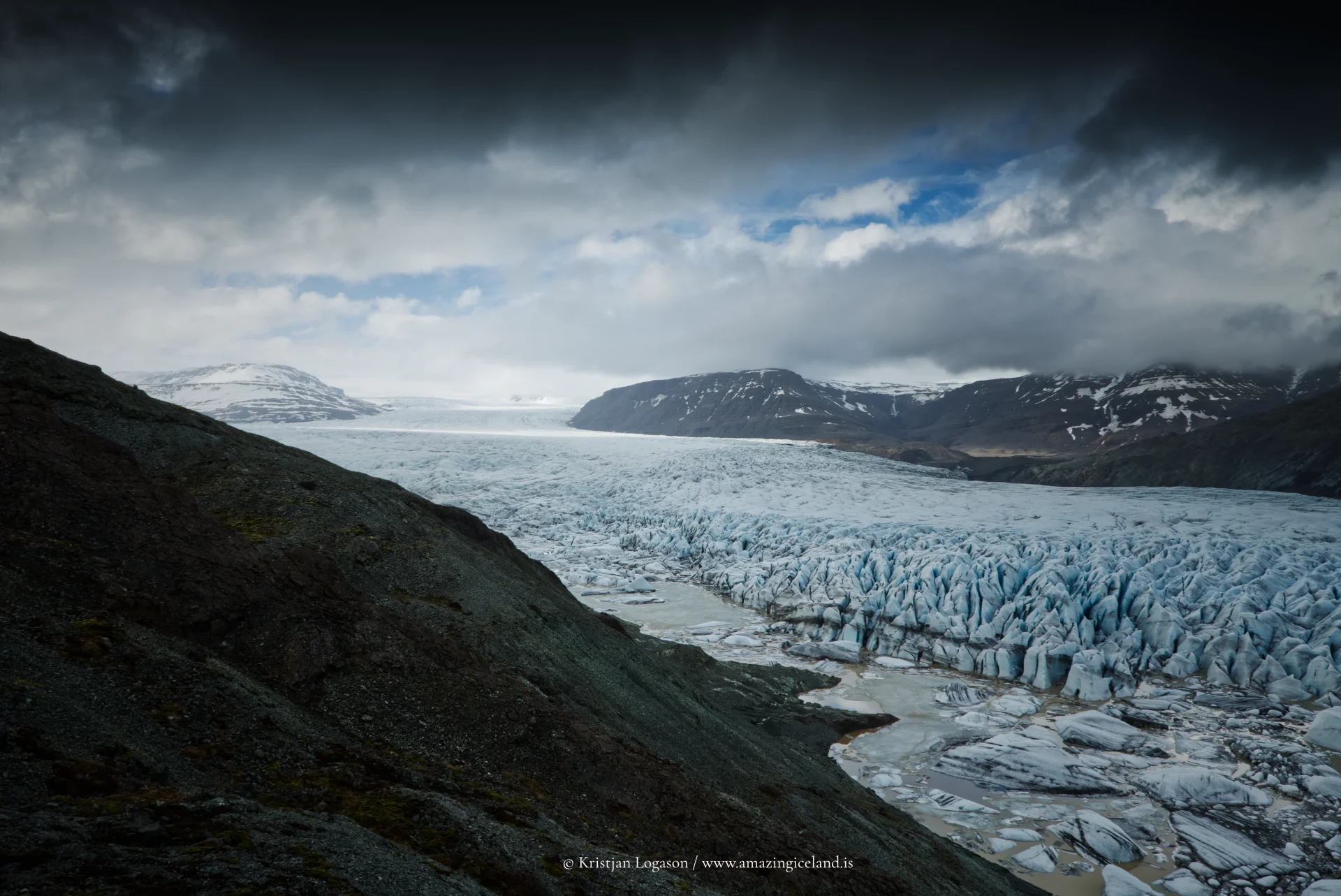
Hoffellsjökull is a south-facing outlet glacier flowing from the eastern part of Vatnajökull. Its upper ice descends between mountain ranges before passing through an icefall and spreading into a broad terminal area. The glacier system divides around Svínahryggur, with Hoffellsjökull forming the eastern lobe and Svínafellsjökull the western lobe.
This distinction is important when describing the glacier’s retreat. Some published measurements use Hoffellsjökull as a name for the wider system, while others distinguish between its two terminal lobes. The western Svínafellsjökull lobe has retreated considerably farther than Hoffellsjökull proper, so a single retreat distance should not be applied to both.
The glacier reached its Little Ice Age maximum around 1890 and has since thinned and withdrawn from much of its former terminal area. The effects are visible from the moraine: exposed gravel, abandoned meltwater channels and a growing lagoon now occupy land once covered by ice.
Hoffellslón, a young and expanding lagoon
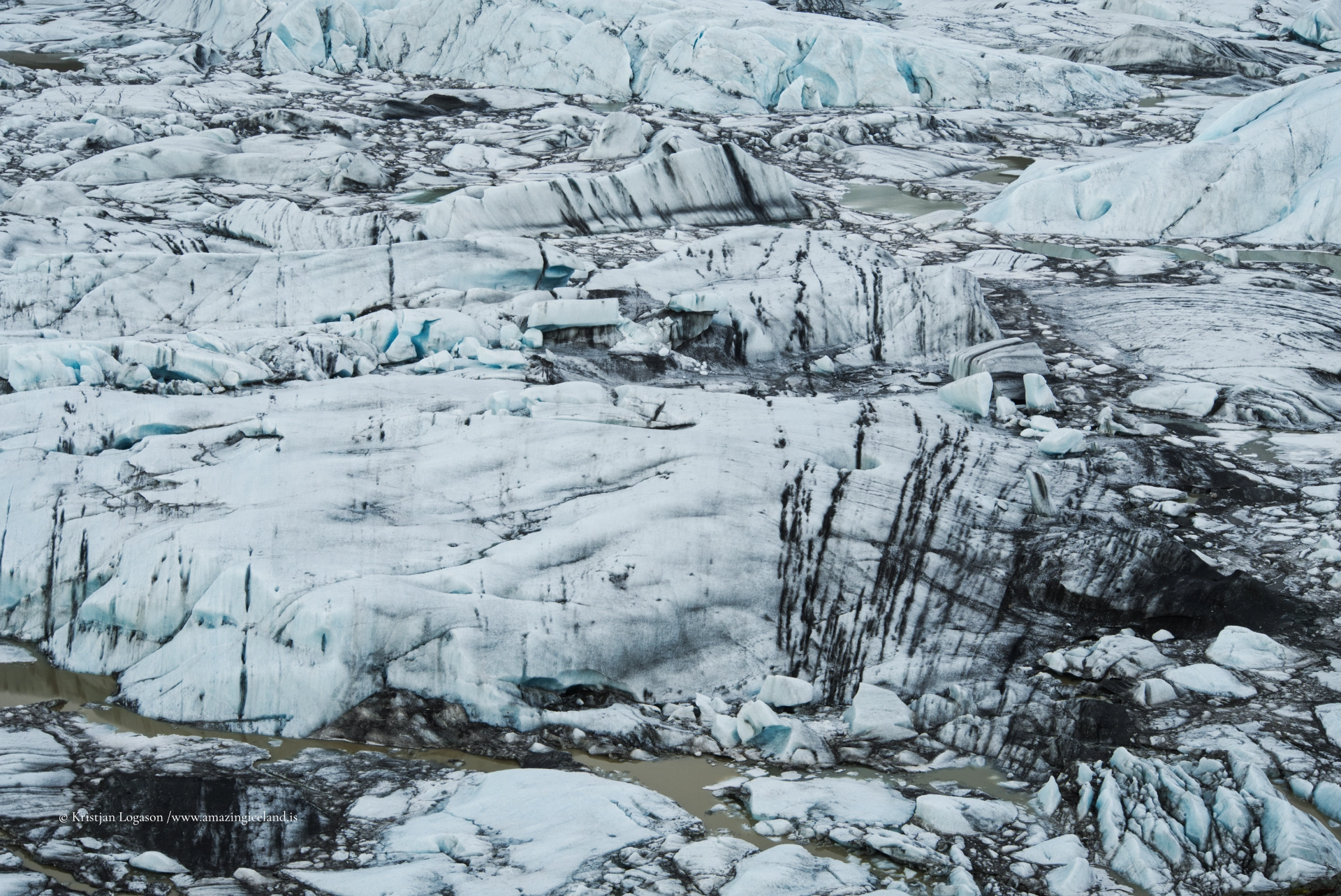
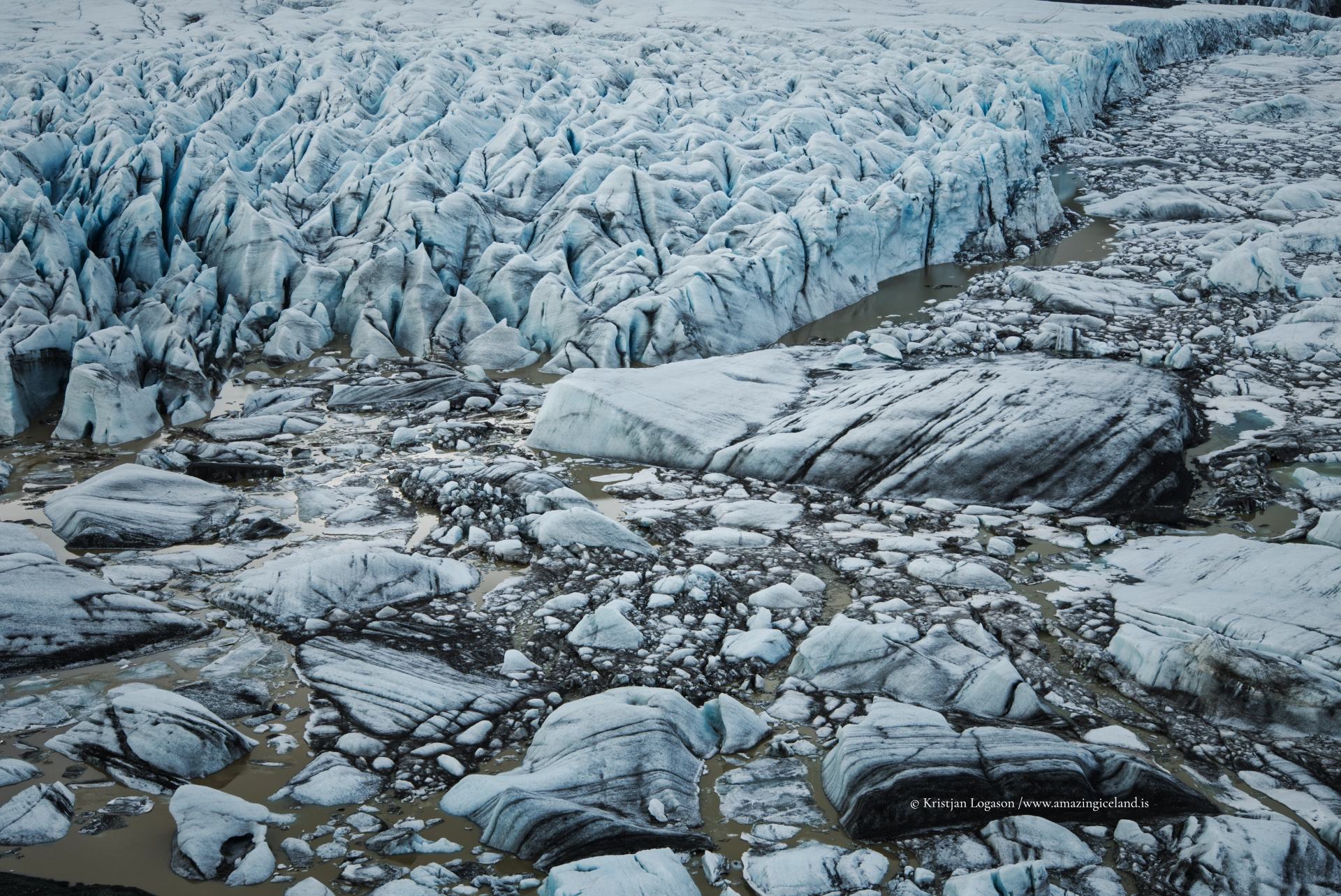
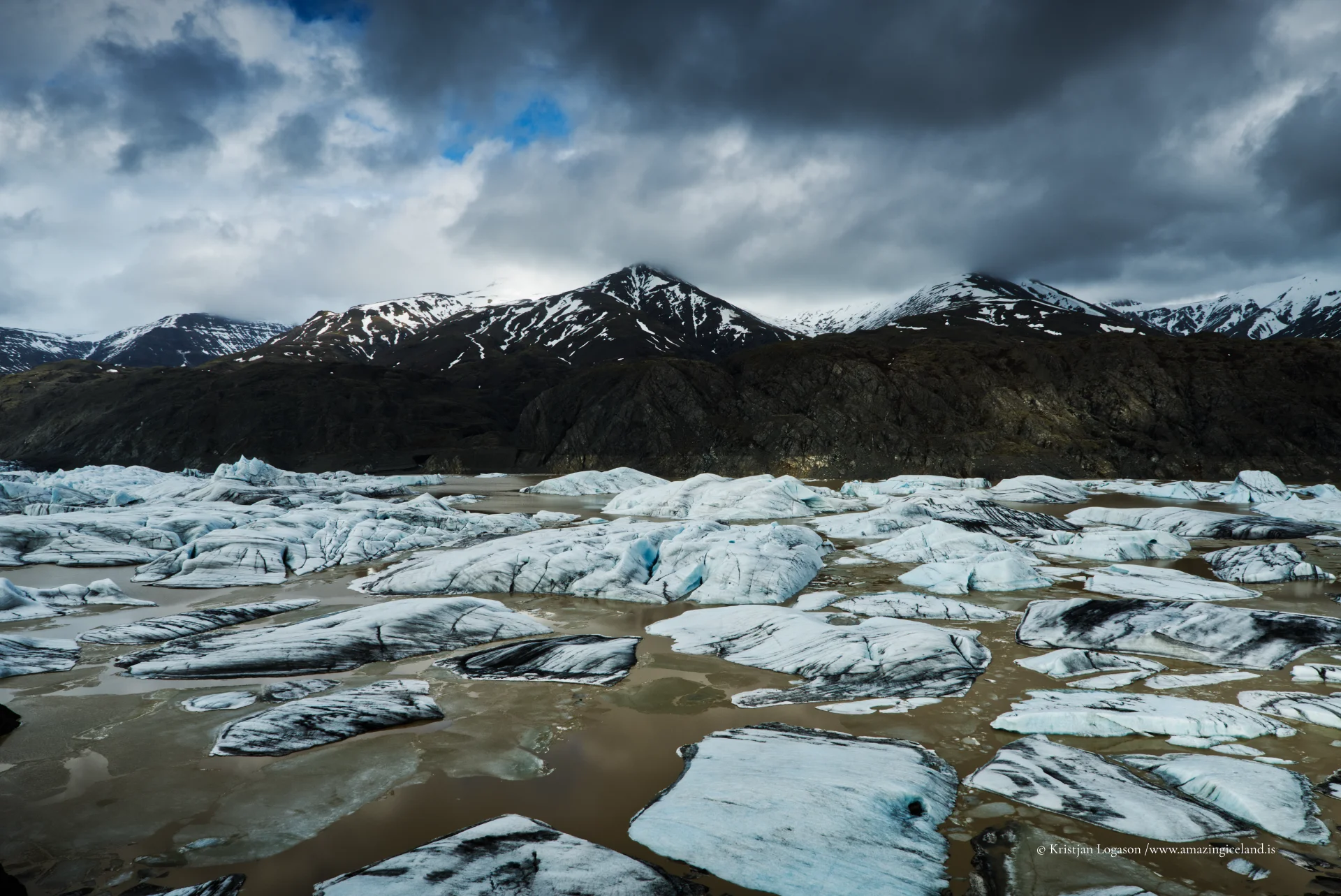
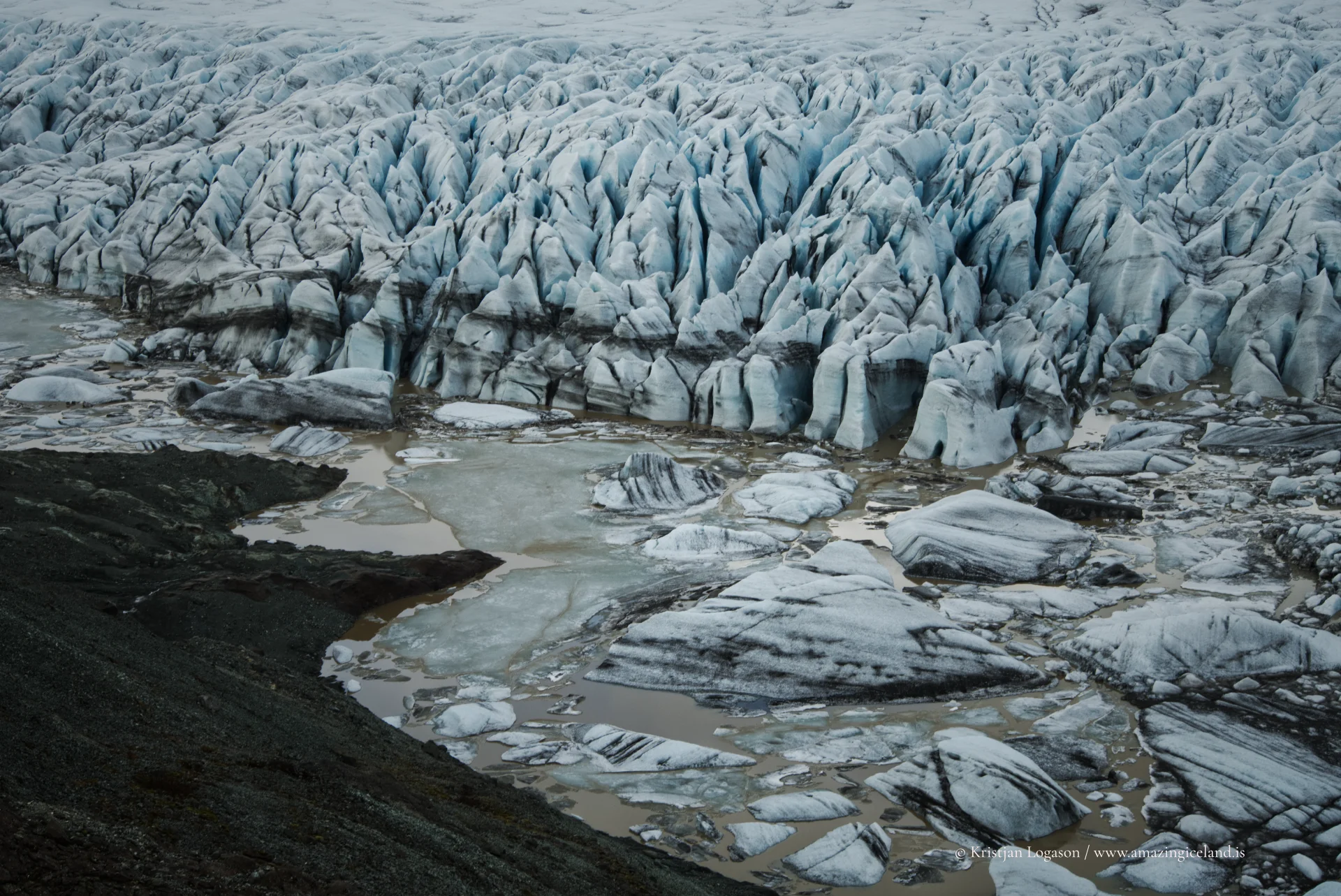
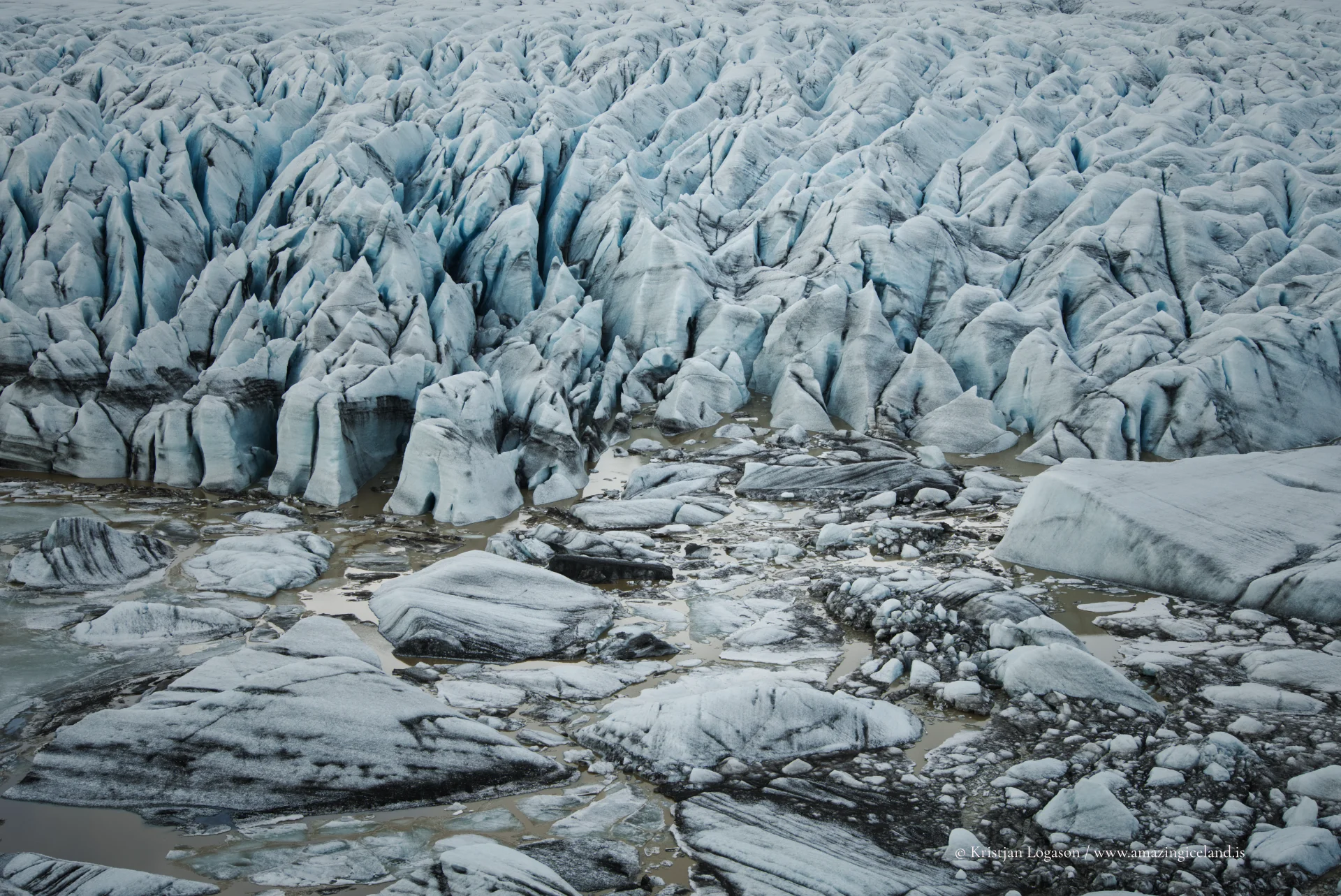
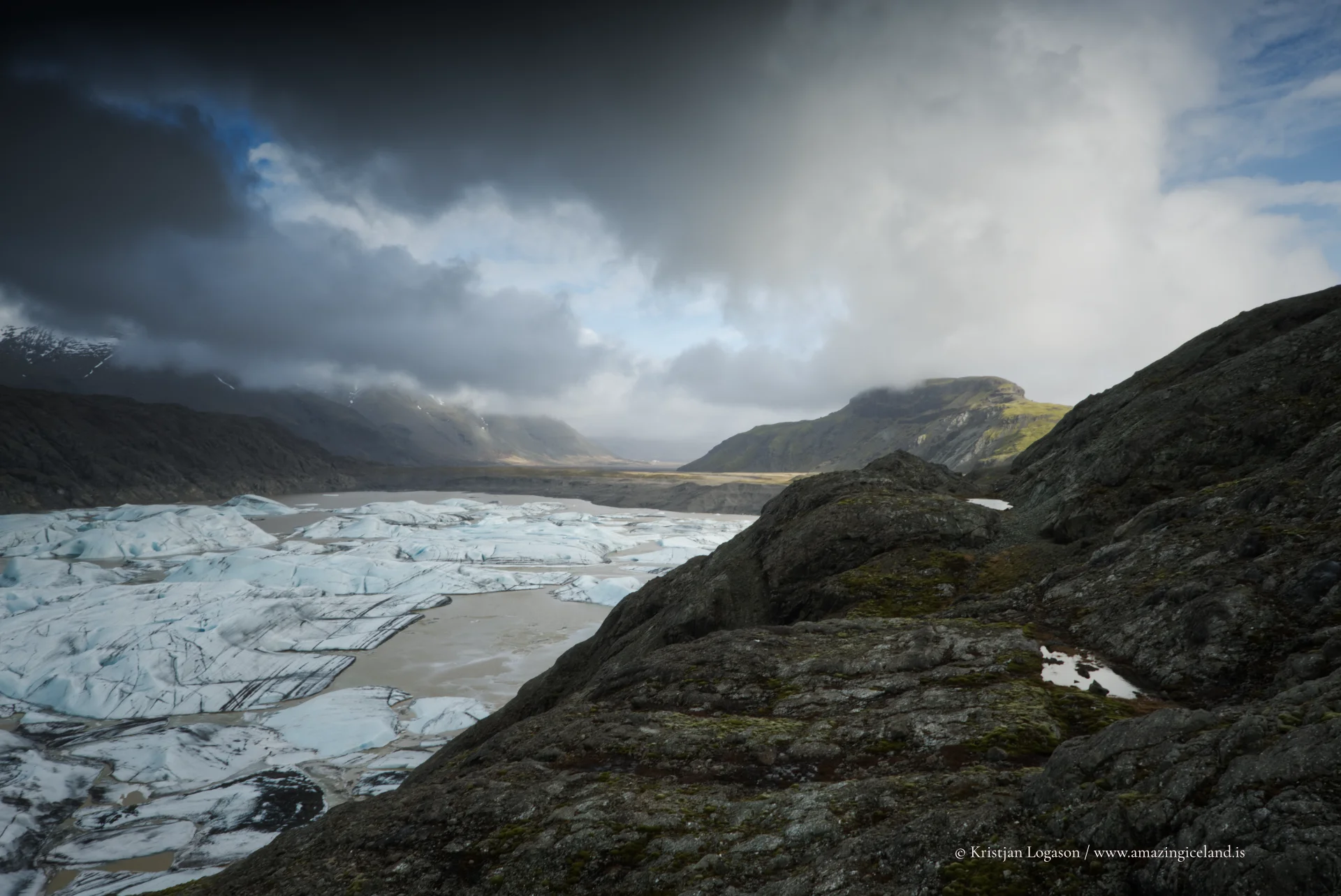
Hoffellslón began forming around 1950 as space opened between the retreating glacier and its former outwash front. The lake has expanded as Hoffellsjökull has continued to thin and withdraw into deeper ground. Ice breaks from the glacier front into the water, although the amount and distribution of floating ice vary considerably.
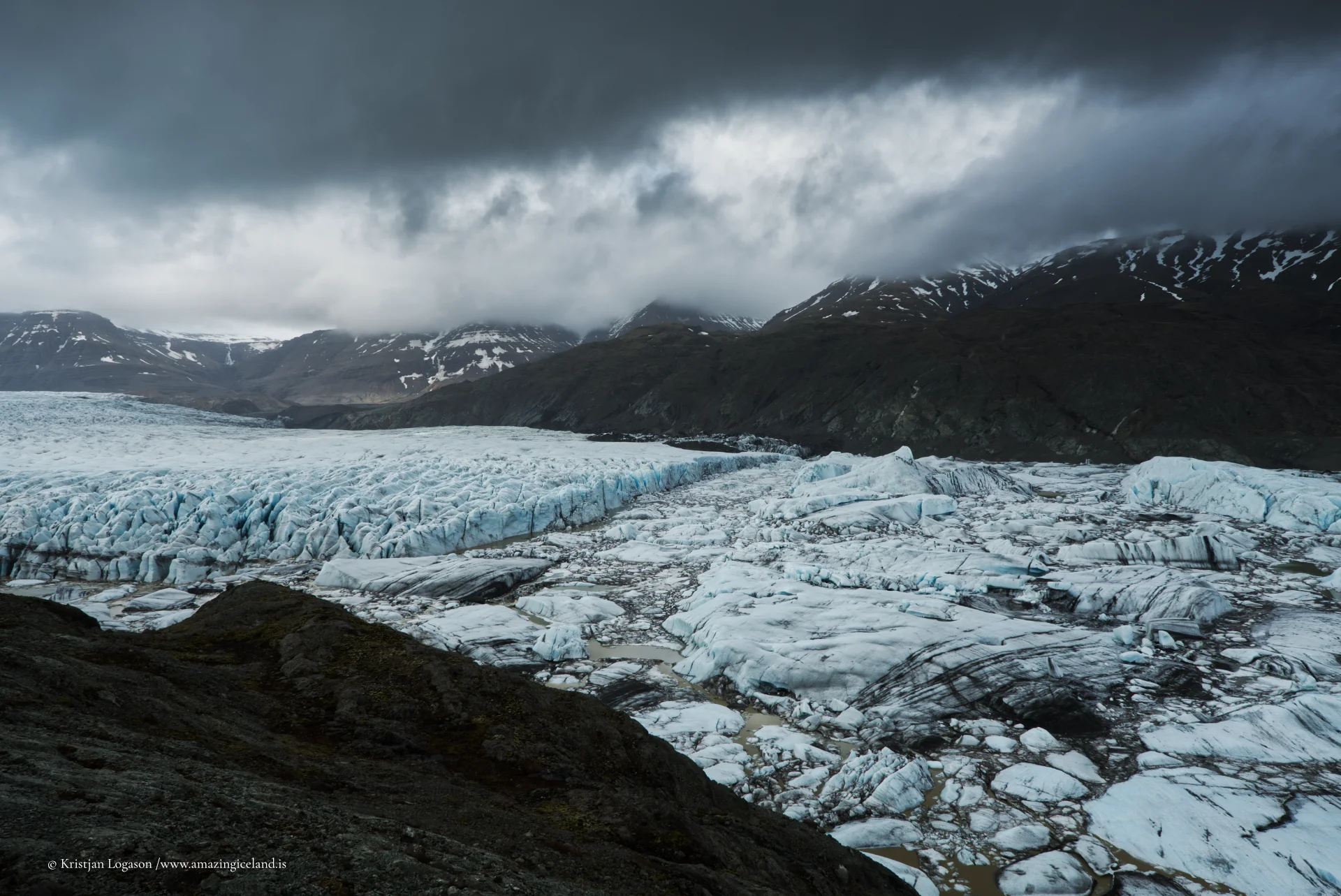
The full lagoon is not visible directly from the parking area. Visitors must climb onto the gravel moraine, where the higher position opens a broad view over Hoffellslón towards the glacier front and surrounding mountains. The ground consists mainly of gravel and loose moraine material, so firm footwear is useful even for a short visit.
There is no formally marked walking route around the glacier viewpoint. Shorter walks can be made along the moraine, but visitors must choose their route according to the terrain and conditions. Loose ground, changing meltwater channels and the exposed position make this a landscape to explore carefully rather than a developed viewpoint with fixed paths.
Allow approximately two to three hours for the glacier and lagoon. This provides enough time to reach the moraine, study the view and explore part of the surrounding glacial landscape without attempting a longer mountain route.

An ancient volcano exposed by ice
Hoffellsjökull has eroded deeply into the remains of the Geitafell central volcano, which was active approximately five to six million years ago. Glacial erosion has removed younger material and exposed rocks that originally formed well below the surface.
The most distinctive exposure is Geitafellsbjörg, where a large intrusion consists mainly of gabbro. Gabbro forms when magma cools slowly underground, allowing relatively large crystals to develop. It has broadly the same chemical composition as basalt, but its underground formation produces a much coarser rock.
The dark, resistant gabbro cliffs give Hoffell a geological character different from landscapes formed mainly from surface lava flows. They also reveal the relationship between two very different processes: volcanic activity created the rock deep within the crust, while glaciers later excavated and exposed it.
Hoffell is partly within Vatnajökull National Park. The protected area is also important for several uncommon plants and lichens growing in the mountains and birch-covered slopes east of the glacier.
The Hoffell Iceland-spar mine
Clear calcite known as Iceland spar occurs in the Hoffellsfjöll mountains. The crystal produces double refraction, causing an object viewed through it to appear doubled. This optical property made high-quality Iceland spar valuable for microscopes and other scientific instruments before synthetic materials replaced it.
The Hoffell deposit was discovered in December 1910 when Guðmundur Jónsson, a farmer at Hoffell, found calcite fragments while searching for sheep in Hoffellsdalur. Mining and export followed, including shipments to Denmark and Germany. Production continued until 1940.
Iceland spar has also been proposed as a possible navigation aid used in the medieval North Atlantic. Its optical properties could potentially help identify the sun’s position under difficult light, but the historical interpretation remains debated and is not proven specifically through material from the Hoffell mine.
The mine nevertheless forms a substantial part of Hoffell’s industrial history. Iceland spar from the area was also used decoratively in Reykjavík, including in the main building and chapel of the University of Iceland.
Hoffellslaugar and geothermal water
Hoffellslaugar are naturally heated outdoor tubs near the farms at Hoffell. Their geothermal water provides a striking contrast with the glacier farther inland, and Hoffellsjökull can be seen from the bathing area in suitable visibility.
The tubs are reached before the rough final road to the glacier. An ordinary vehicle can reach the farms, and this section of the route is maintained during winter. Around one hour is normally sufficient for the bathing experience, although access arrangements should be checked locally because the tubs are operated as a facility rather than as an unmanaged natural pool.
There are changing facilities, but Hoffellslaugar should not be presented as a large spa. Their character comes from the open valley, naturally heated water and view towards the glacier. The page’s principal destination remains Hoffellsjökull and Hoffellslón, with the tubs providing a complementary geothermal experience along the same approach.
Road access and exploring Hoffell
Road 984 leaves Road 1 and leads towards Hoffell. The initial section reaches the farms and hot tubs and can normally be driven in an ordinary vehicle. Winter maintenance extends to the farm area, not to the glacier parking place.
Beyond the farms, the final approximately four-kilometre gravel road to Hoffellsjökull is rough and requires a 4×4. Drivers should not assume that conditions on the first road section continue all the way to the glacier. The final road is not maintained during winter, and seasonal ground and weather conditions determine whether the glacier parking area can be reached.
The glacier parking area has no visitor facilities. Visitors should arrive prepared with suitable clothing, footwear and anything they need for the visit. Overnight stays are not permitted there.
Short walks can be made on the moraine, but there are no marked routes at the glacier itself. Longer marked hiking routes exist elsewhere in the wider Hoffell area, beginning nearer the farms. These should be treated separately from the short glacier and lagoon visit.
Reindeer may appear in the surrounding mountains, although sightings are unpredictable. Hoffell is also a good northern-lights area because it is easy to move away from artificial lighting and find an open view, whether near the farms or elsewhere in the valley.
Interesting facts:
- Hoffellsjökull is the eastern lobe of a glacier system divided by Svínahryggur.
- Hoffellslón began forming around 1950 as the glacier retreated from its former outwash front.
- The glacier has cut into the extinct Geitafell central volcano.
- Geitafellsbjörg consists mainly of gabbro formed when magma cooled slowly underground.
- Iceland spar was discovered in Hoffellsdalur in 1910, and mining continued until 1940.
- Hoffell Iceland spar was exported for use in microscopes and other optical instruments.
- The use of Iceland spar for medieval navigation is an interesting but debated hypothesis.
- Hoffellslaugar are supplied by naturally heated water.
- Reindeer live in the wider Hoffellsfjöll area but cannot be expected on any particular visit.
Image Gallery
Photography tips:
- Climb onto the moraine for the strongest wide view across Hoffellslón towards Hoffellsjökull.
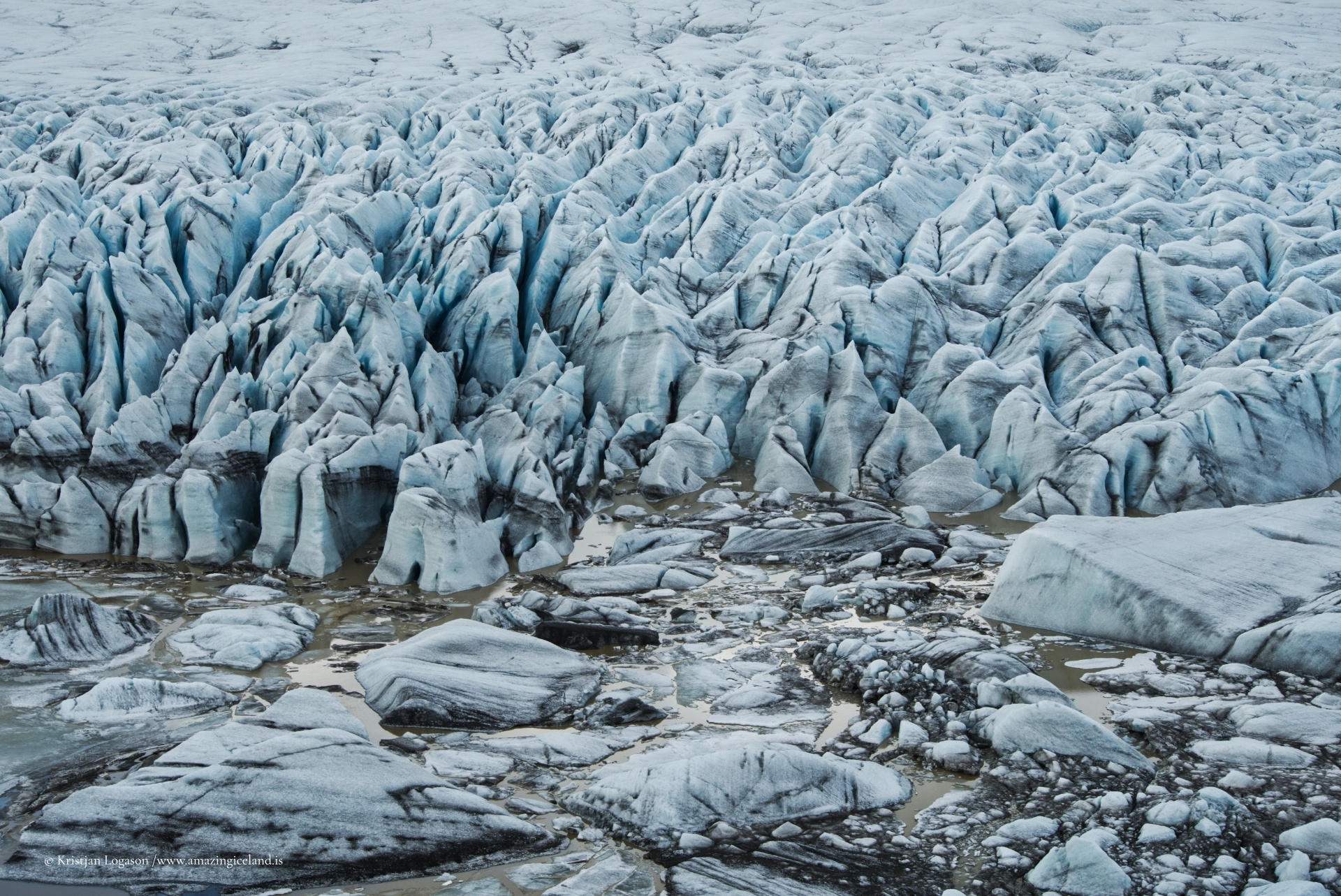
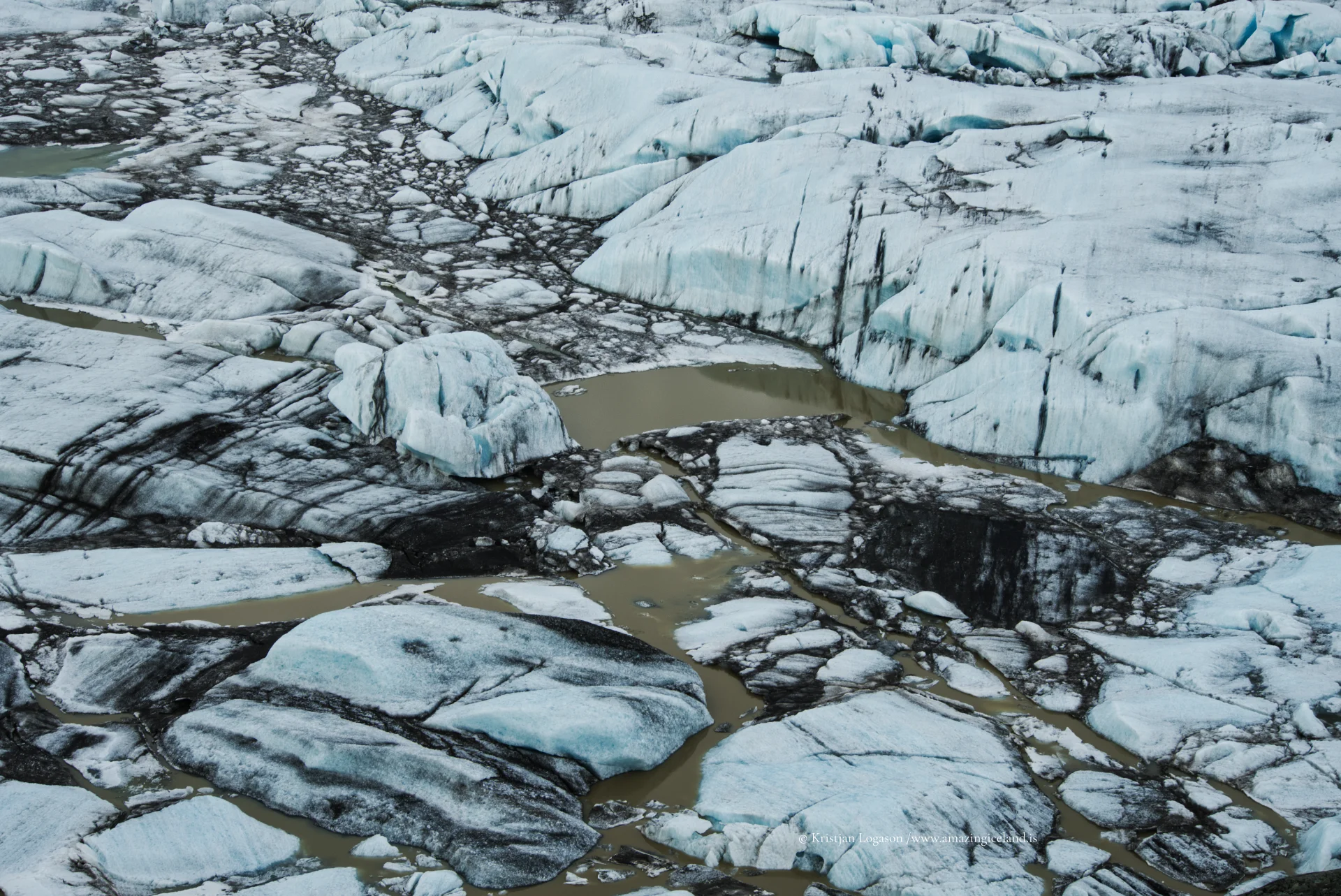
- Use a telephoto lens to isolate the fractured glacier front, floating ice and the relationship between ice and exposed rock.
- The loose moraine can provide strong foreground lines, but choose a stable position and avoid damaging fragile new vegetation.
- The amount of floating ice varies. Explore the moraine rather than expecting the same composition shown in earlier photographs.
- Calm water can add reflections, while broken light helps separate the glacier from the surrounding dark mountain walls.
- Aerial views explain the shape of the lagoon and the division between the glacier lobes particularly well.
- For northern lights, move away from the lights around the farms and choose an open position with a clear view towards the sky.
- Photographing the hot tubs is secondary to the glacier and lagoon story, but steam, people and the distant glacier can communicate the geothermal and glacial contrast when conditions allow.
Destinations nearby