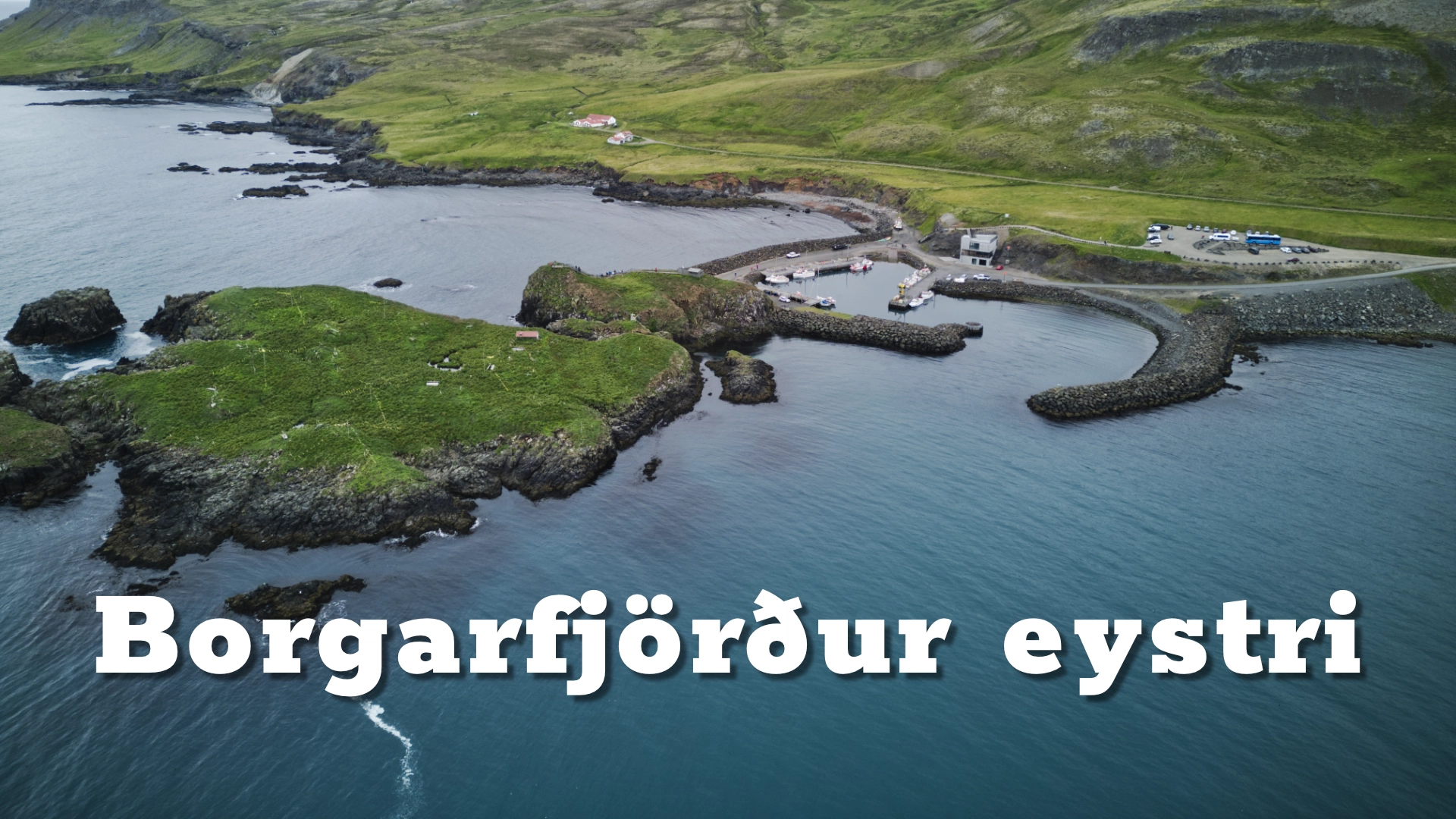
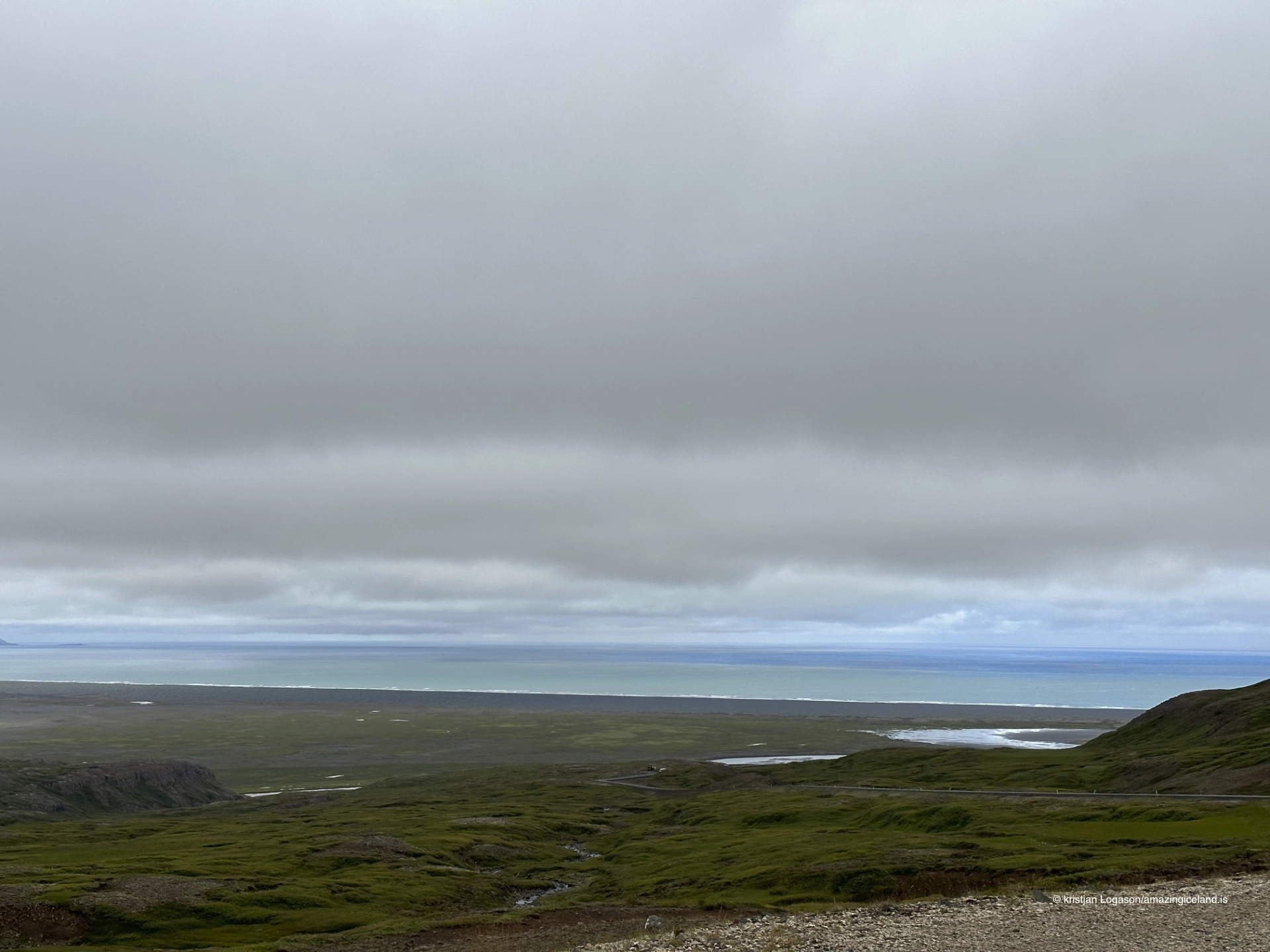
On the northeastern edge of Iceland’s Eastfjords, Borgarfjörður Eystri lies at the head of a wide, open fjord facing the Norwegian Sea. Unlike the darker basalt-dominated fjords farther south, the area is defined by rhyolite formations, pale-toned mountains, and a strong cultural identity rooted in folklore and birdlife. The village is small, but the surrounding landscape is expansive and legible.
The location of Borgarfjörður eystri
Latitude
65.5339
Longitude
-13.8166
Borgarfjörður eystri
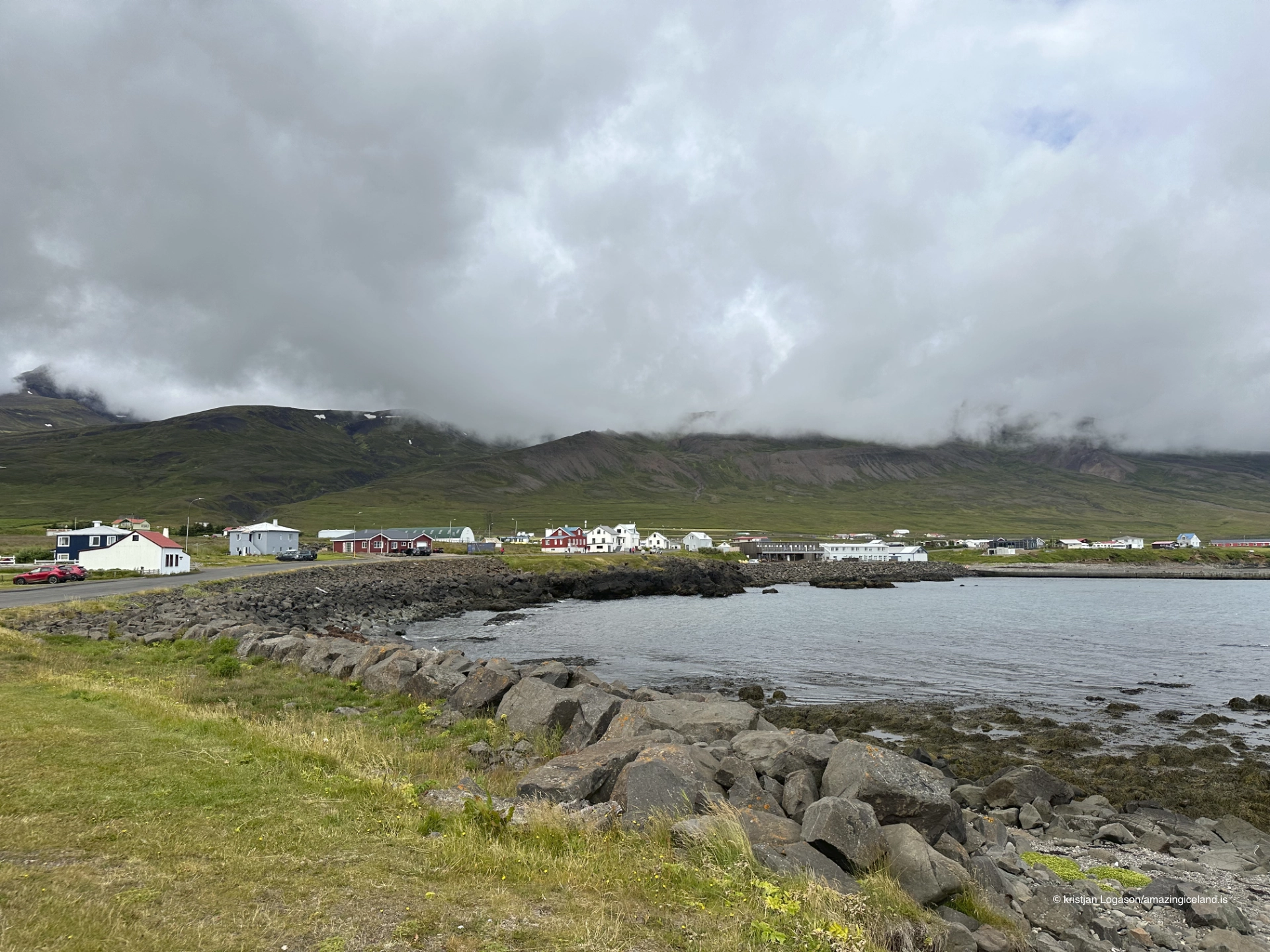
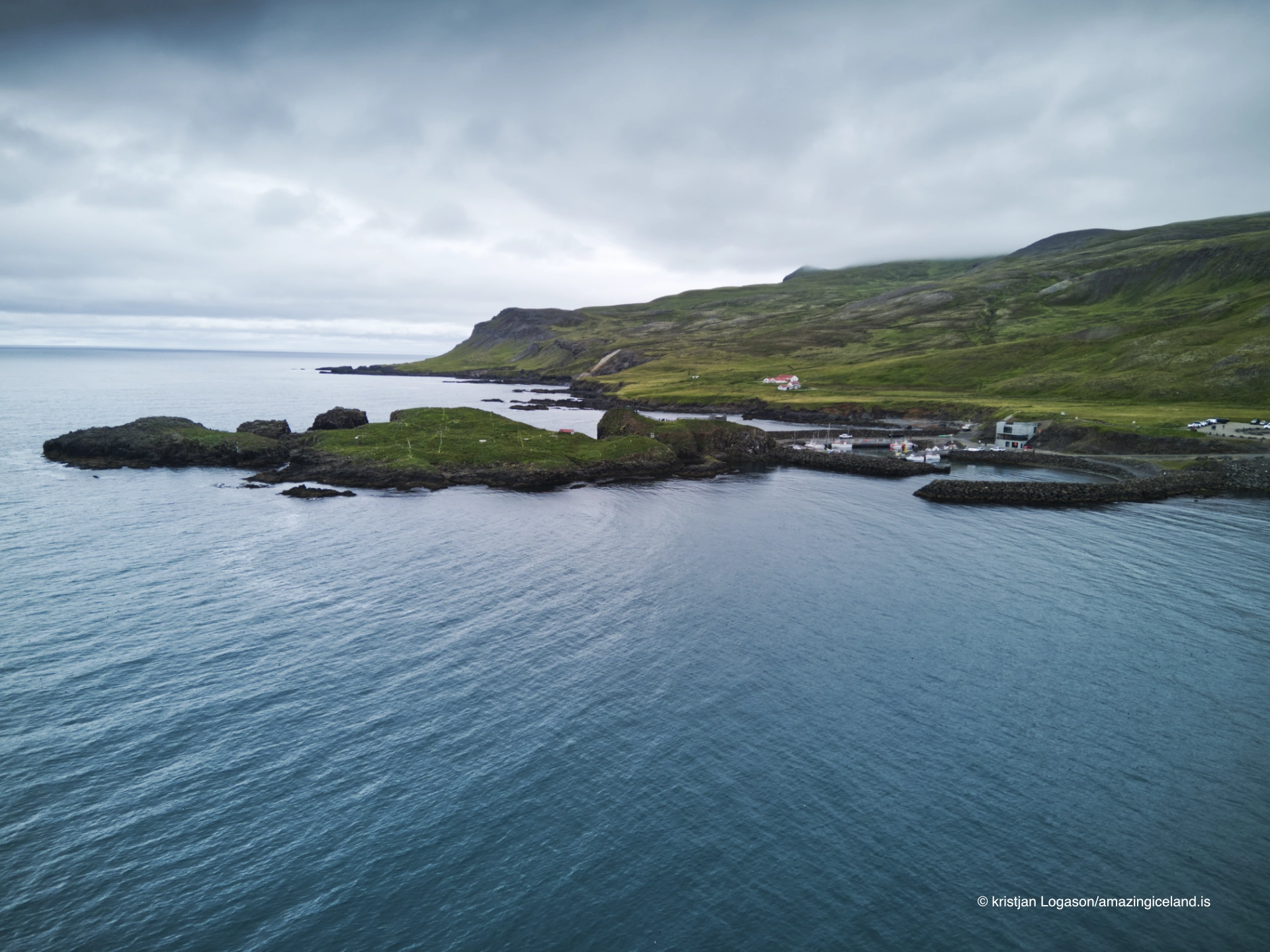
Borgarfjörður Eystri sits within a fjord system carved by glacial erosion and later modified by coastal processes. The fjord opens broadly toward the sea, allowing weather systems and marine influence to penetrate deep inland. This openness distinguishes the area from more enclosed Eastfjords settlements and contributes to its distinctive light, wind patterns, and ecological dynamics.
The surrounding mountains, including the Dyrfjöll, are composed largely of rhyolite—silica-rich volcanic rock that weathers into lighter colors than basalt. These formations date to periods of explosive volcanism, often associated with subglacial conditions, and produce jagged ridgelines, steep cirques, and complex mineral staining. The result is a landscape that reads as textured and pale rather than dark and monolithic.
From a physical geography perspective, Borgarfjörður Eystri functions as a transition zone between interior volcanic systems and open coastal dynamics. Rivers descending from the mountains deposit sediment along the fjord margins, while wave action and tides redistribute material along the shoreline. This interaction produces a varied coastal environment with beaches, wetlands, and rocky promontories.
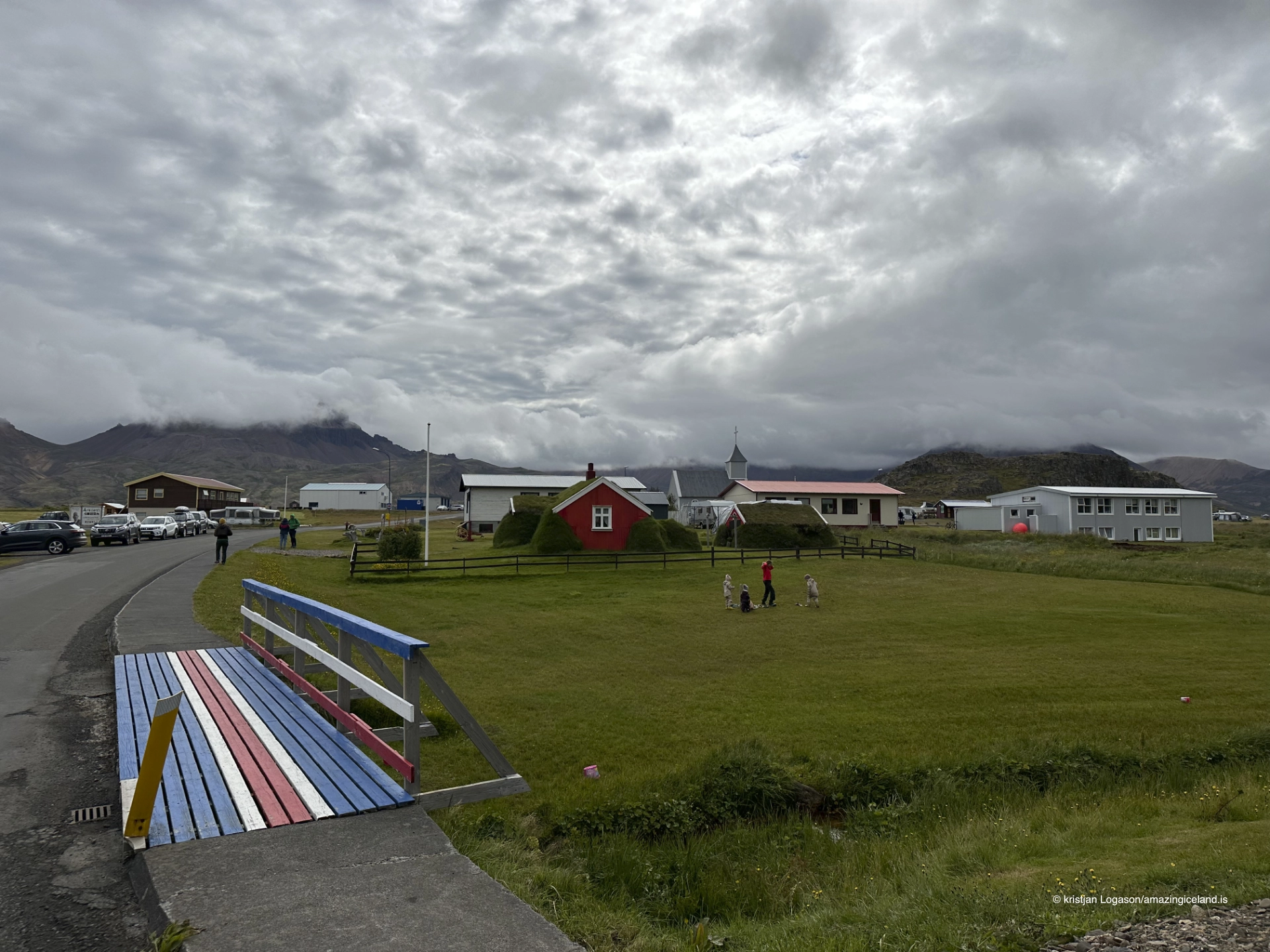
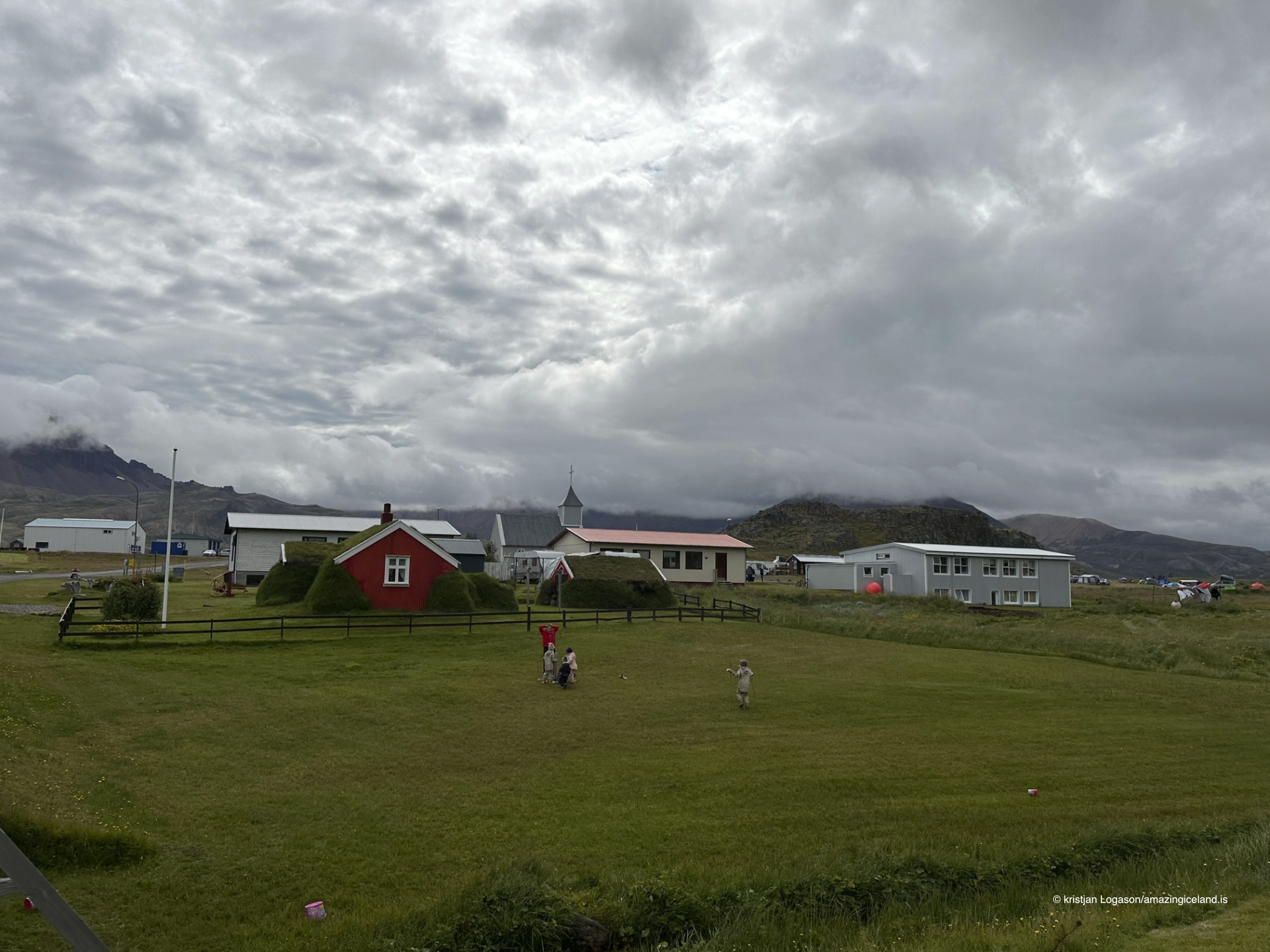
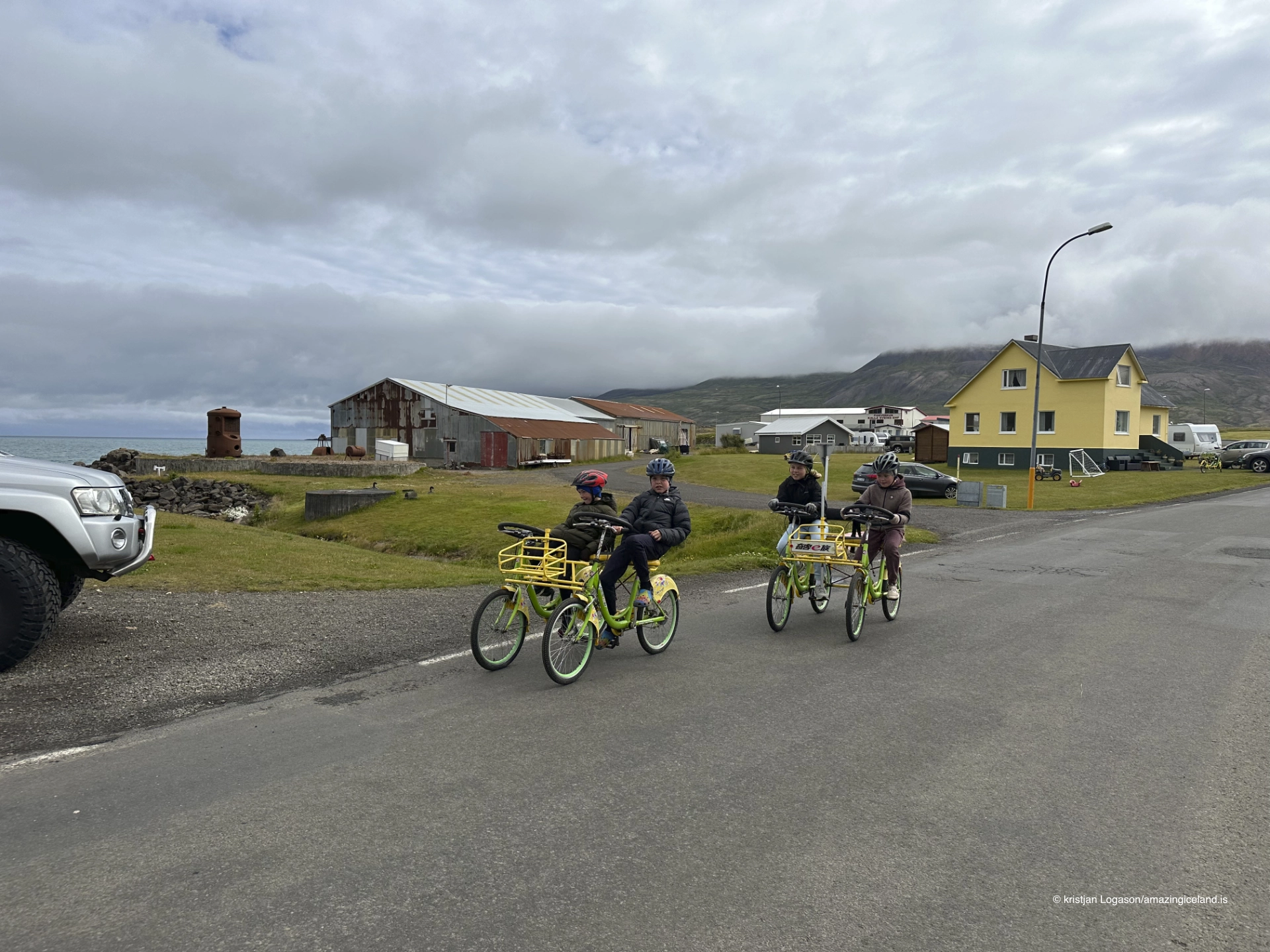
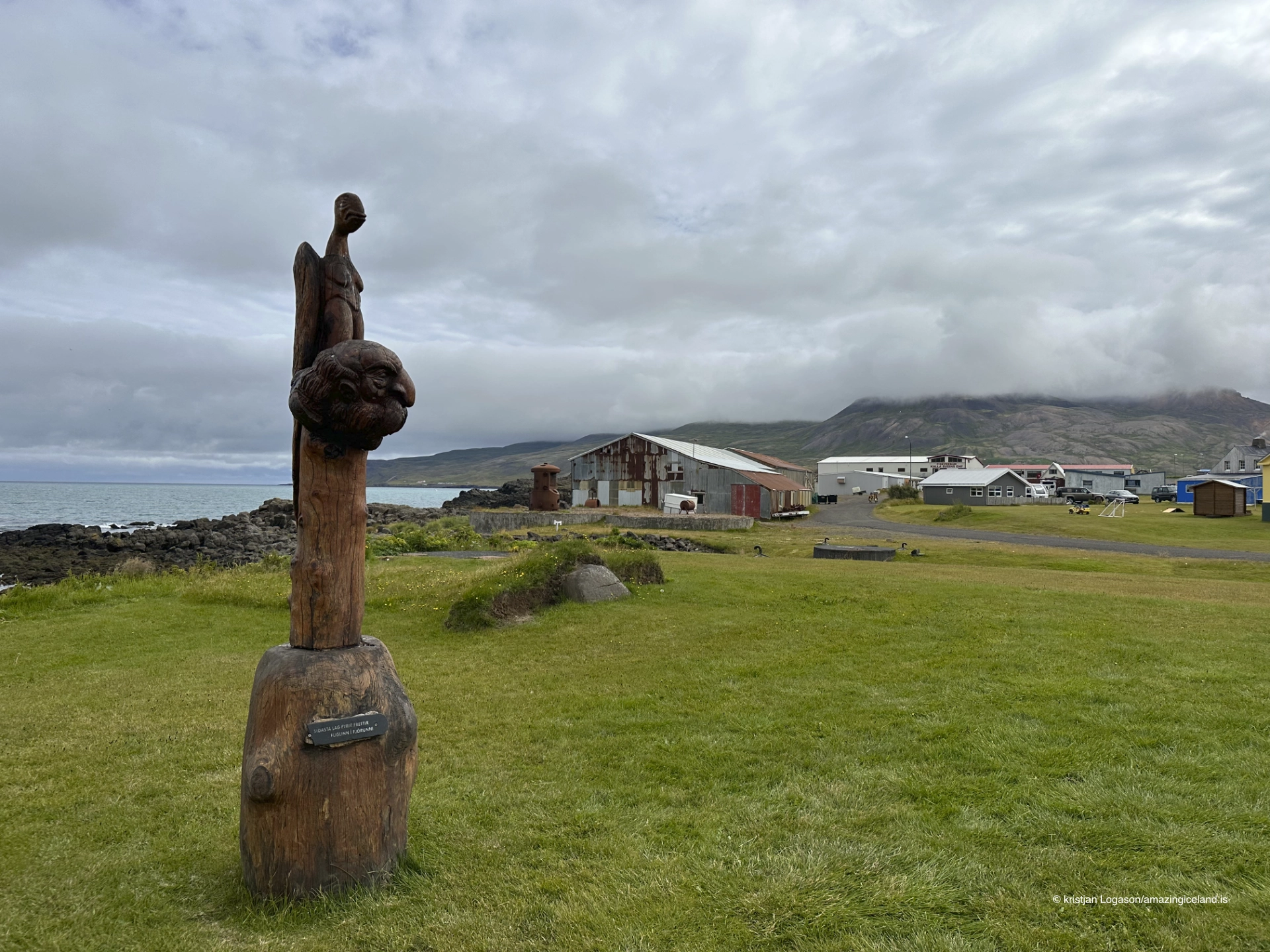
The village itself occupies a modest lowland area at the fjord’s head, where settlement has historically depended on fishing, small-scale agriculture, and seasonal resource use. As in many Eastfjords communities, population size has remained limited by terrain and access, reinforcing close social networks and a strong sense of place.
What sets Borgarfjörður Eystri apart culturally is the persistence of folklore as lived geography. The area is traditionally associated with Álfaborg, often described as the “capital of the elves,” a prominent rocky hill overlooking the village. While such narratives are not empirically verifiable, they function as cultural frameworks through which landscape is interpreted and respected. The stories do not replace geology; they coexist with it.
From an academic viewpoint, this coexistence is significant. It demonstrates how cultural narratives can reinforce conservation ethics and place-based identity without requiring literal belief. The landscape is read symbolically as well as physically.
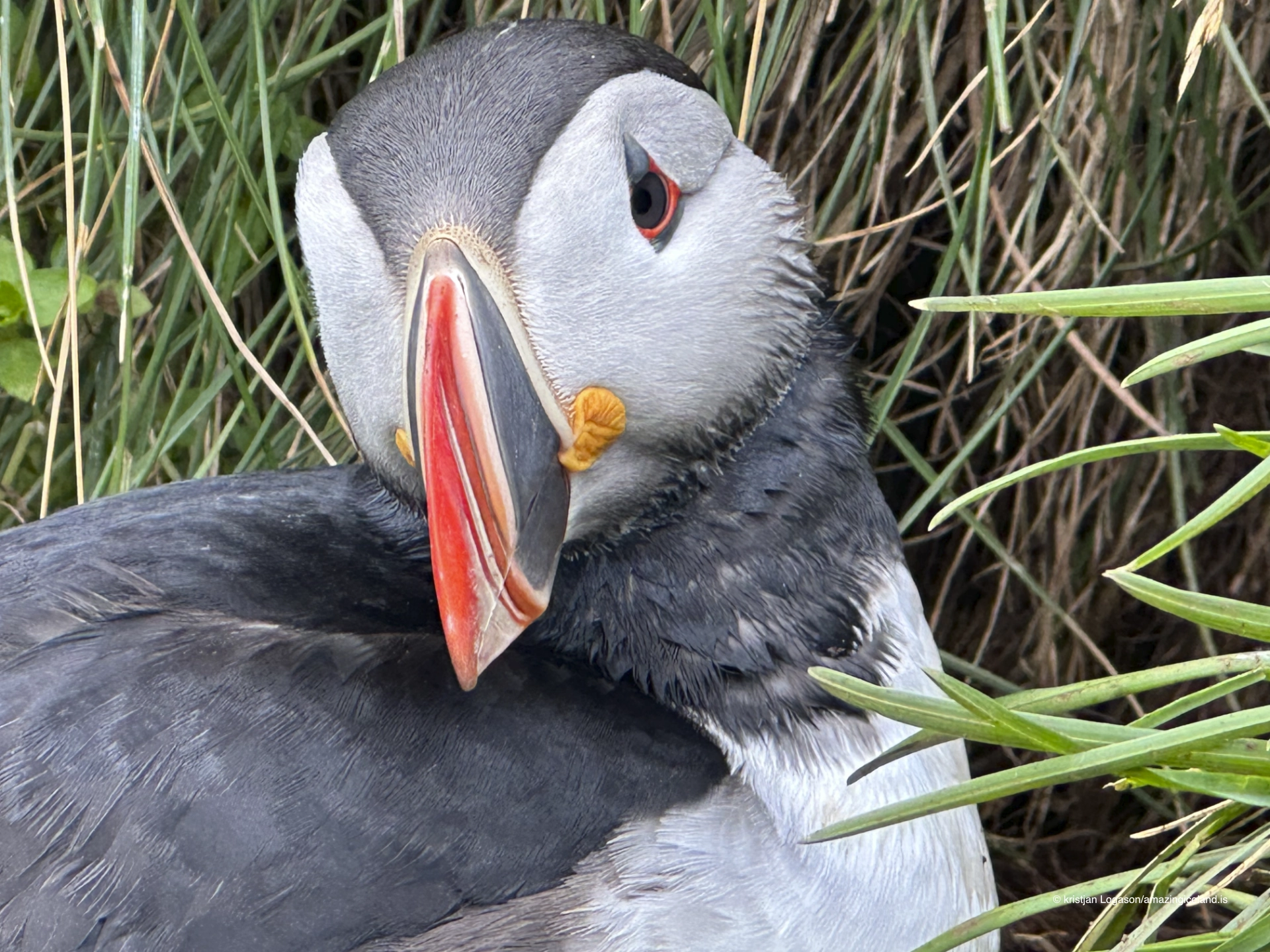
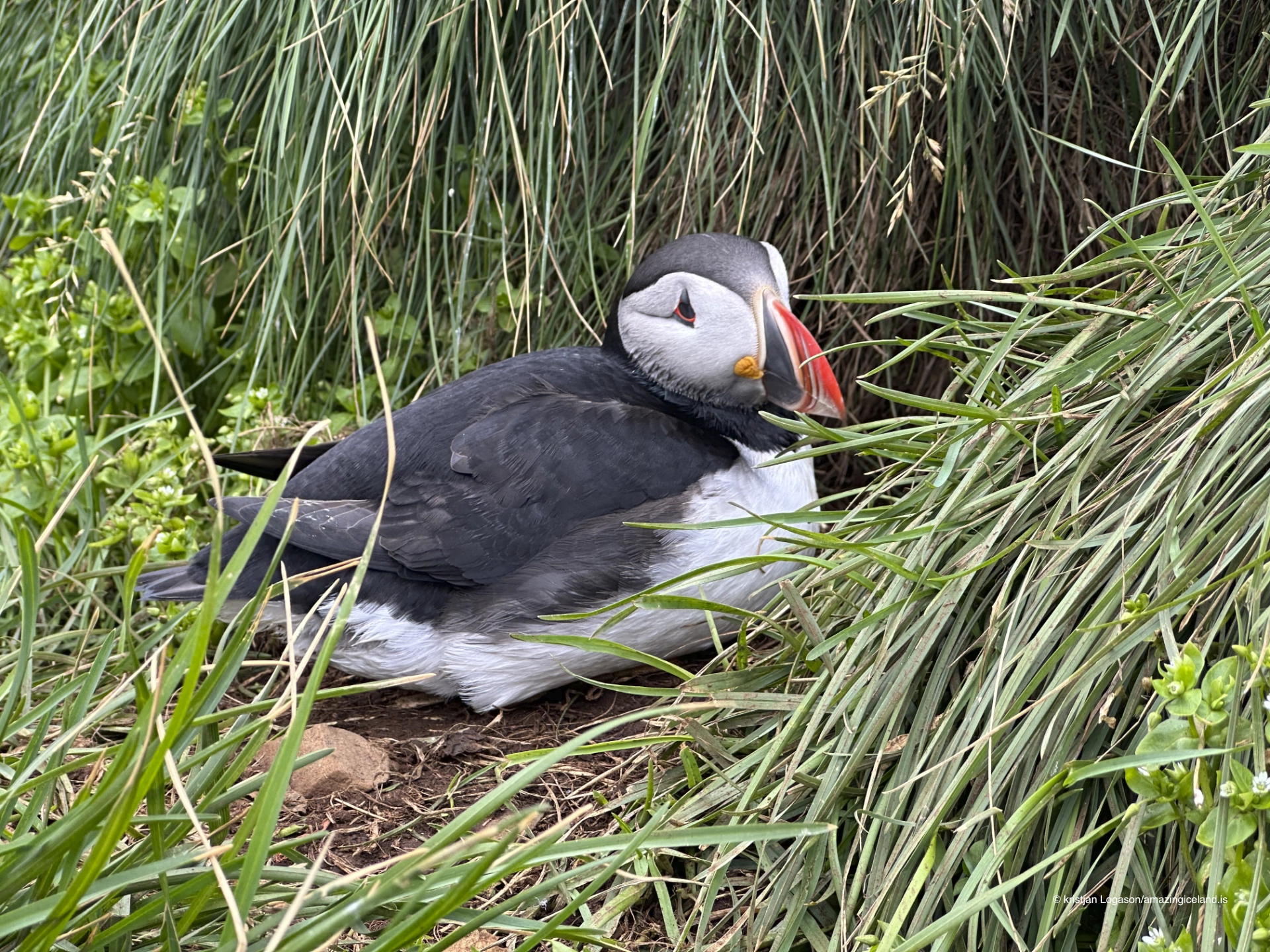
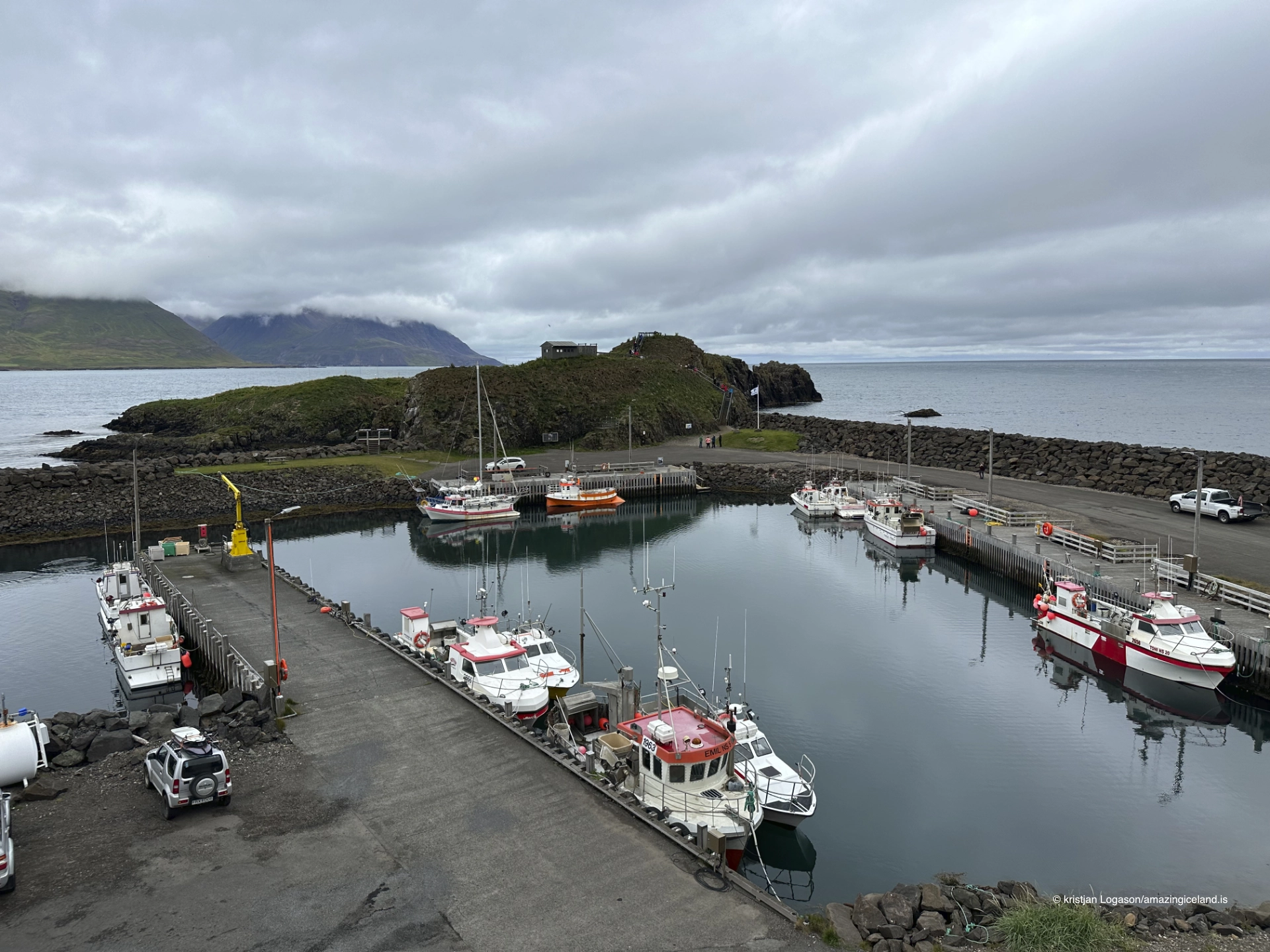
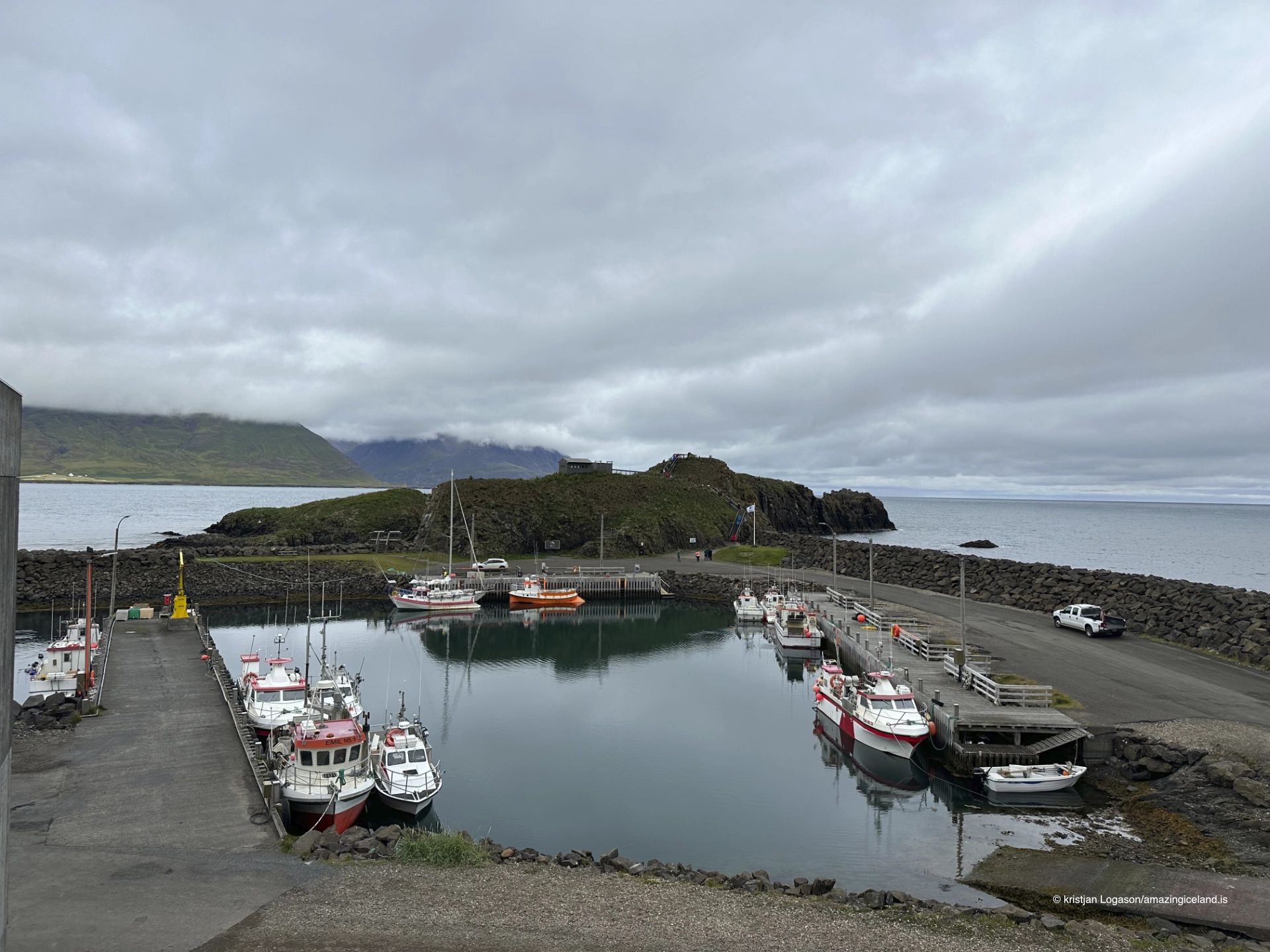
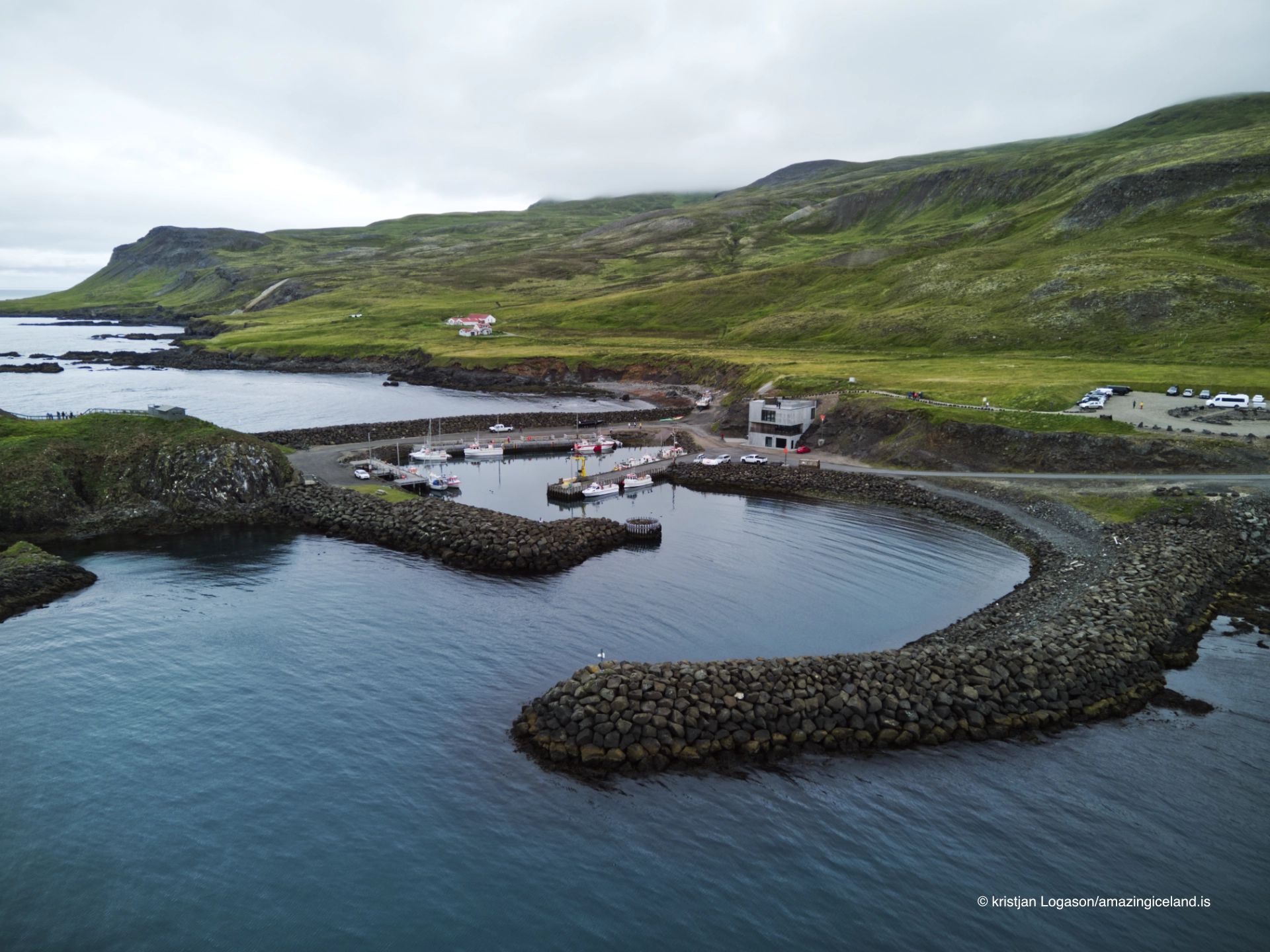
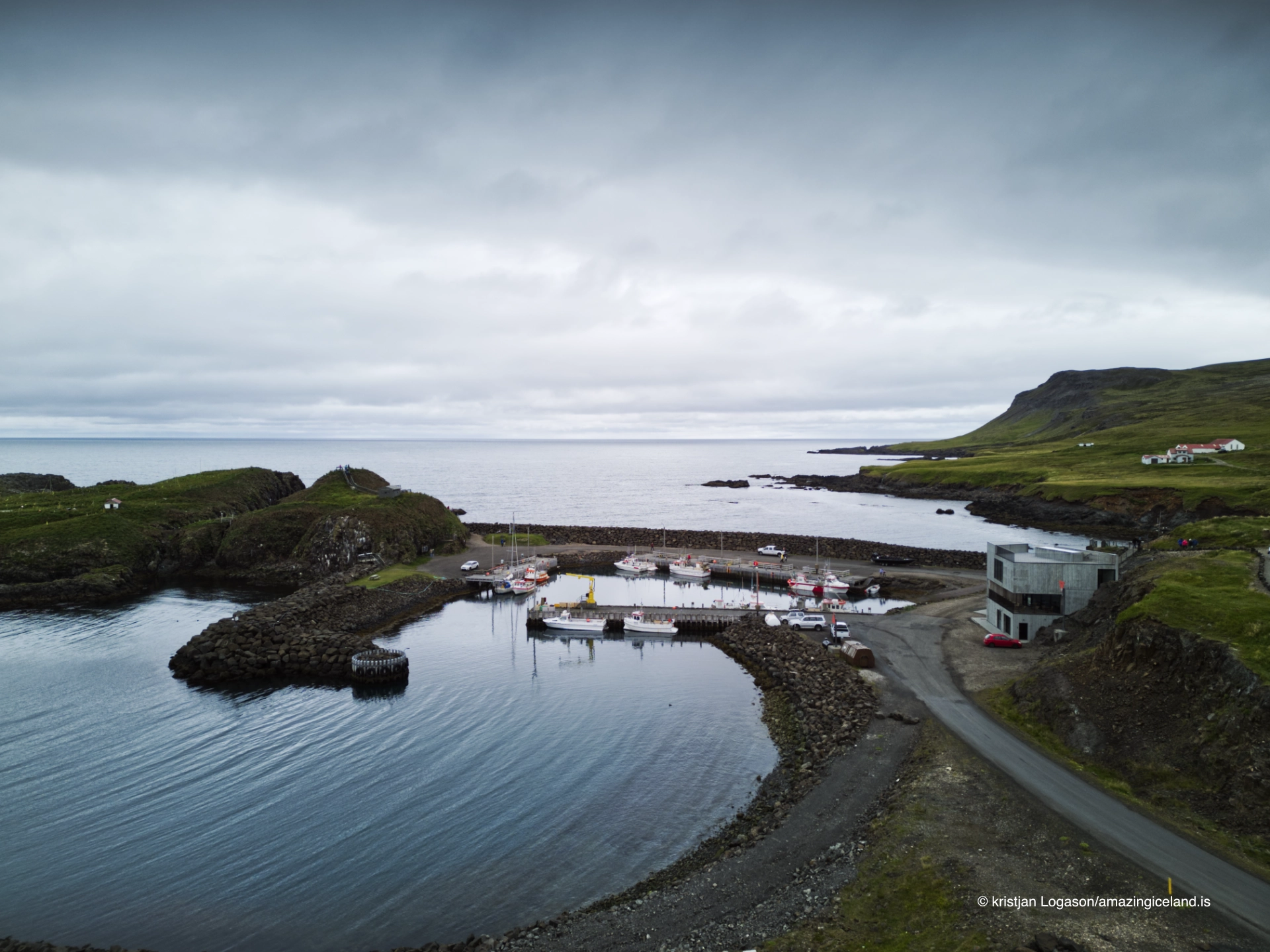
Ecologically, Borgarfjörður Eystri is best known for Hafnarhólmi, one of Iceland’s most accessible Atlantic puffin nesting sites. Located on a small islet connected to the mainland by a causeway, Hafnarhólmi supports tens of thousands of nesting seabirds during the summer breeding season.
The site’s accessibility allows observation without significant disturbance when managed properly. Boardwalks and designated viewing areas provide controlled proximity, making Hafnarhólmi a model for balancing tourism with wildlife protection. The puffin colony’s presence underscores the fjord’s role as a productive marine environment, where nutrient-rich waters support complex food webs.
Seasonality governs this relationship. Outside the breeding season, the islet becomes quiet and empty, reinforcing the idea that Borgarfjörður Eystri operates on ecological time rather than constant activity.
Access to Borgarfjörður Eystri remains intentionally limited. Mountain roads connect the village to neighboring fjords, but travel is weather-dependent and slower than coastal routes farther south. This partial isolation has preserved both landscape and community character, preventing the kind of rapid transformation seen in more accessible areas.
The village’s built environment reflects restraint. Structures are modest in scale, adapted to wind exposure and seasonal use. There is little visual clutter, allowing the surrounding terrain to remain dominant. From a planning perspective, Borgarfjörður Eystri demonstrates how limited access can function as a conservation tool.
Light conditions further shape perception. In summer, extended daylight reveals subtle color variation in rhyolite slopes; in winter, low sun angles compress the landscape into sharp contrasts of shadow and snow. These shifts reinforce the area’s visual identity as both open and precise.
Borgarfjörður Eystri ultimately resists categorization as a single-theme destination. It is not only a birdwatching site, nor merely a folklore location, nor simply a scenic fjord. Its strength lies in coherence—the way geology, ecology, and cultural interpretation align without competing.
Interesting facts:
- Borgarfjörður Eystri is surrounded by rhyolite mountains, rare in Iceland.
- The area is associated with Álfaborg, a prominent folklore site overlooking the village.
- Hafnarhólmi hosts one of Iceland’s most accessible Atlantic puffin colonies.
- The fjord opens directly toward the Norwegian Sea, increasing exposure and light variation.
- Seasonal rhythms strongly influence both human activity and wildlife presence.
Image Gallery
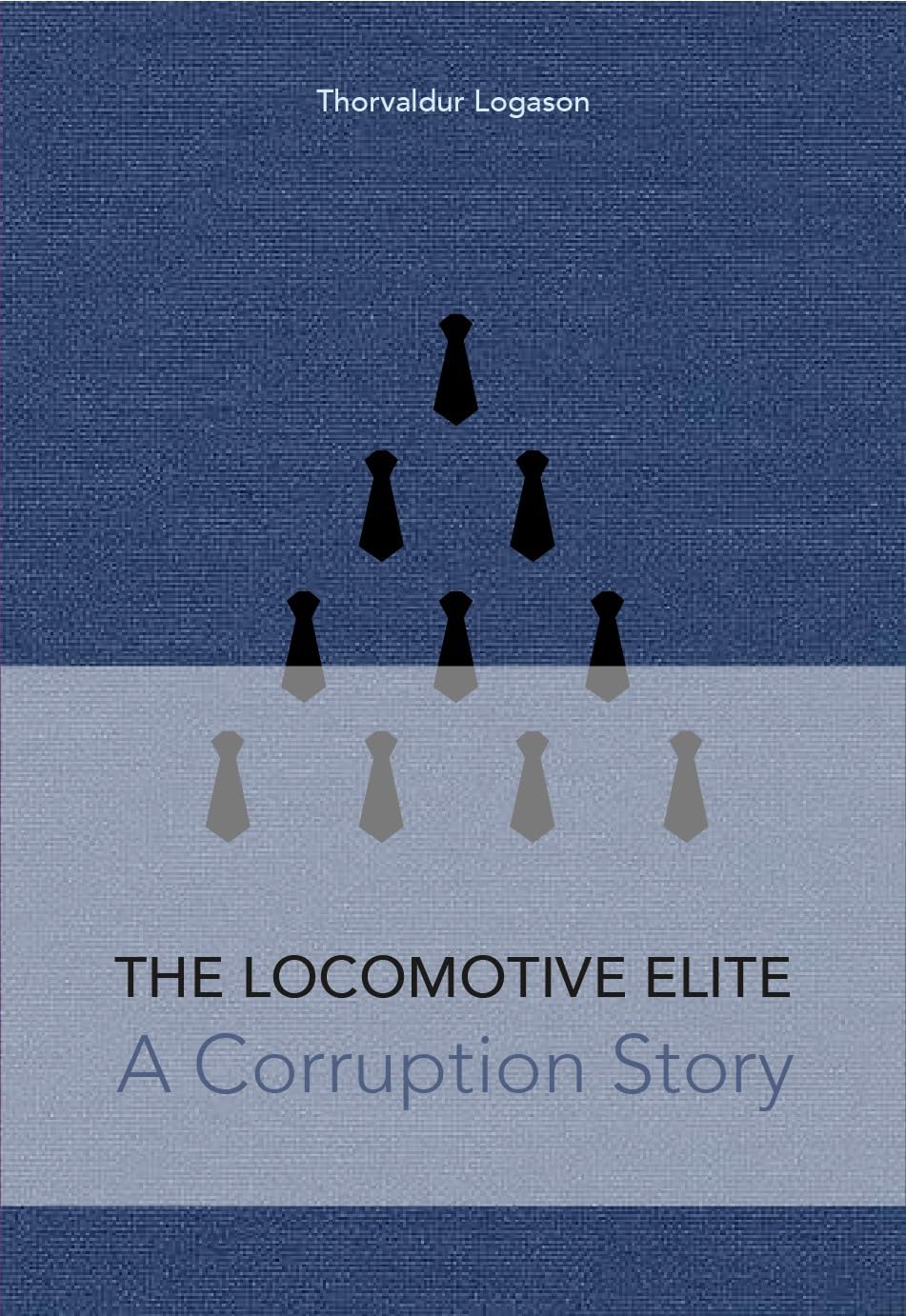
The Locomotive Elite
What do Donald Trump and Iceland’s Locomotive Elite have in common?
Far more than you think.
In The Locomotive Elite, you’ll uncover how a tiny clique in Iceland captured extensive control—of banks, courts, media, and even the central bank.
For decades they ruled, first democratically, then through corruption and in the end through crime, enriching themselves and their cronies while dismantling oversight.
The result?
One of the most spectacular financial collapses in modern history.
Photography tips:
- Work with pale tones: Rhyolite rewards careful exposure and restrained contrast.
- Bird ethics first: Use designated paths at Hafnarhólmi; long lenses preserve behavior and context.
- Layer geology and settlement: Frame village elements against mountain backdrops to show scale.
- Seasonal intent: Summer emphasizes ecology; winter emphasizes structure and isolation.
- Avoid saturation excess: The landscape’s strength lies in subtle color variation.
Good cameras for Iceland
Sony A7R V

Sony A7s lll

Canon R6

Nikon Z6 lll

Destinations nearby
Good to have in Iceland