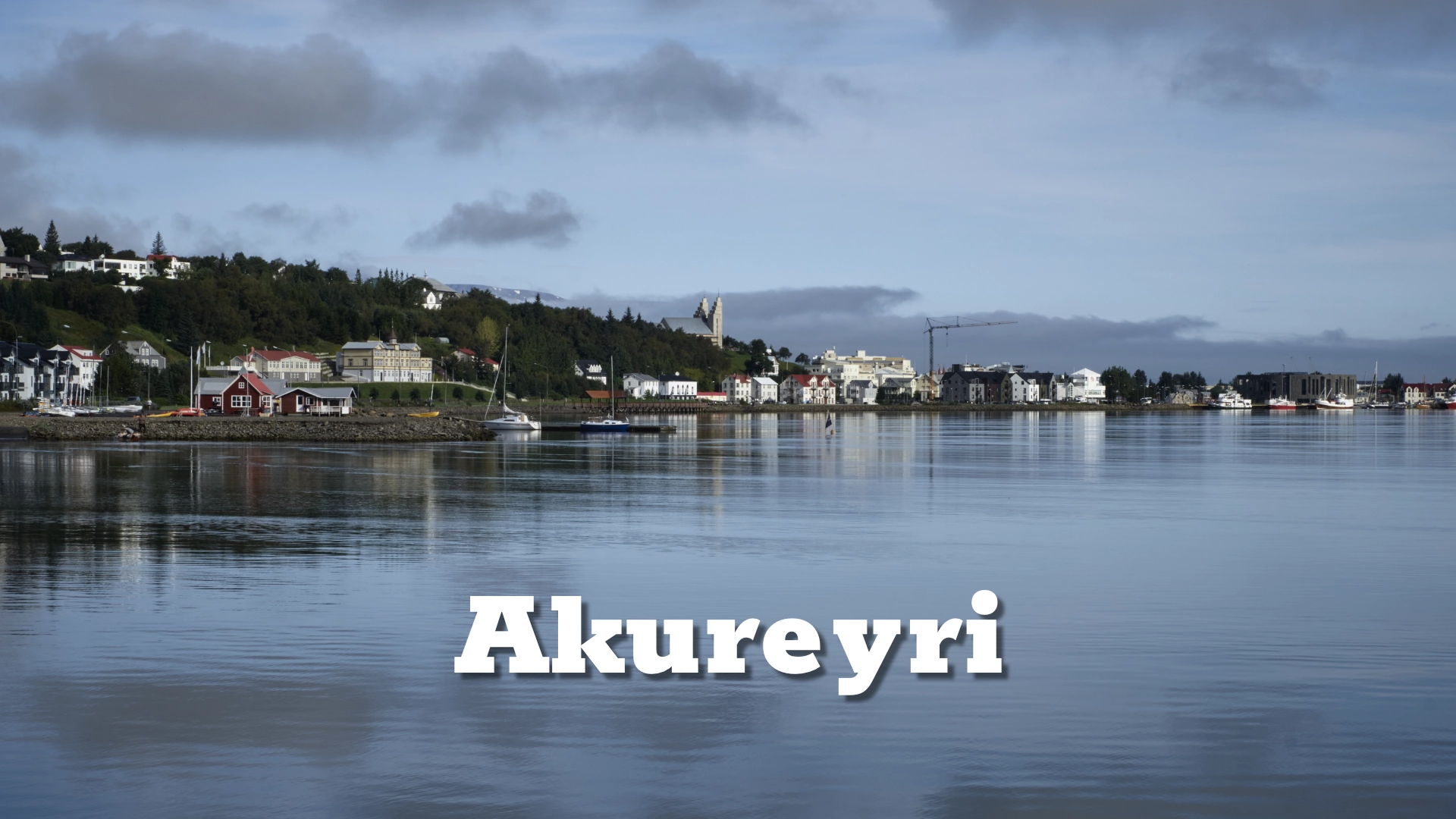
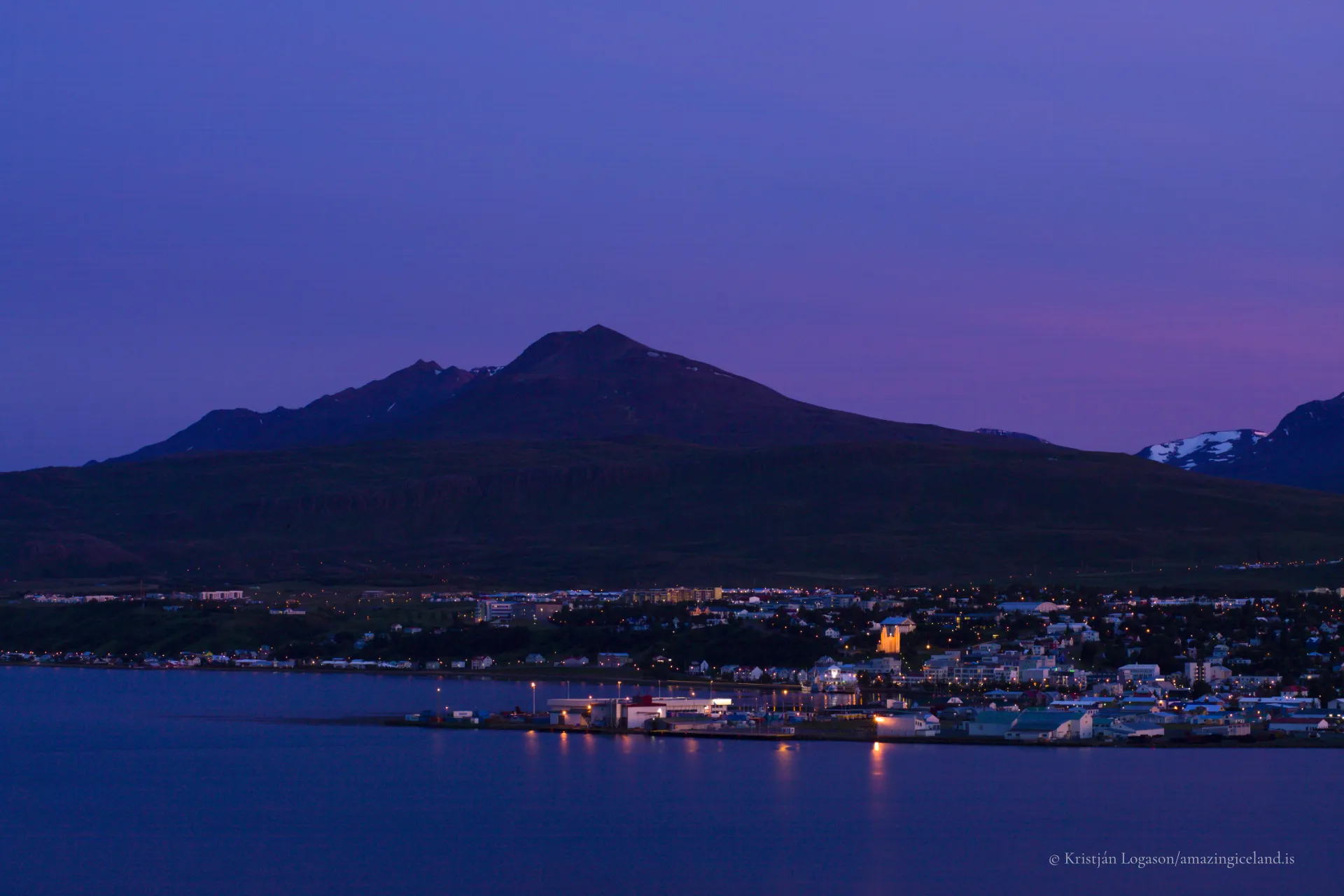
Located at the head of Eyjafjörður, Akureyri is Iceland’s largest town outside the southwest corner and the principal urban centre of the north. Its significance lies not in size but in function: Akureyri serves as a regional capital for commerce, healthcare, education, culture, and transportation, while maintaining immediate access to some of the country’s most geologically active and visually dramatic landscapes.
The location of Akureyri
Latitude
65.6885
Longitude
-18.1262
Akureyri
Geographic setting, climate, and urban form
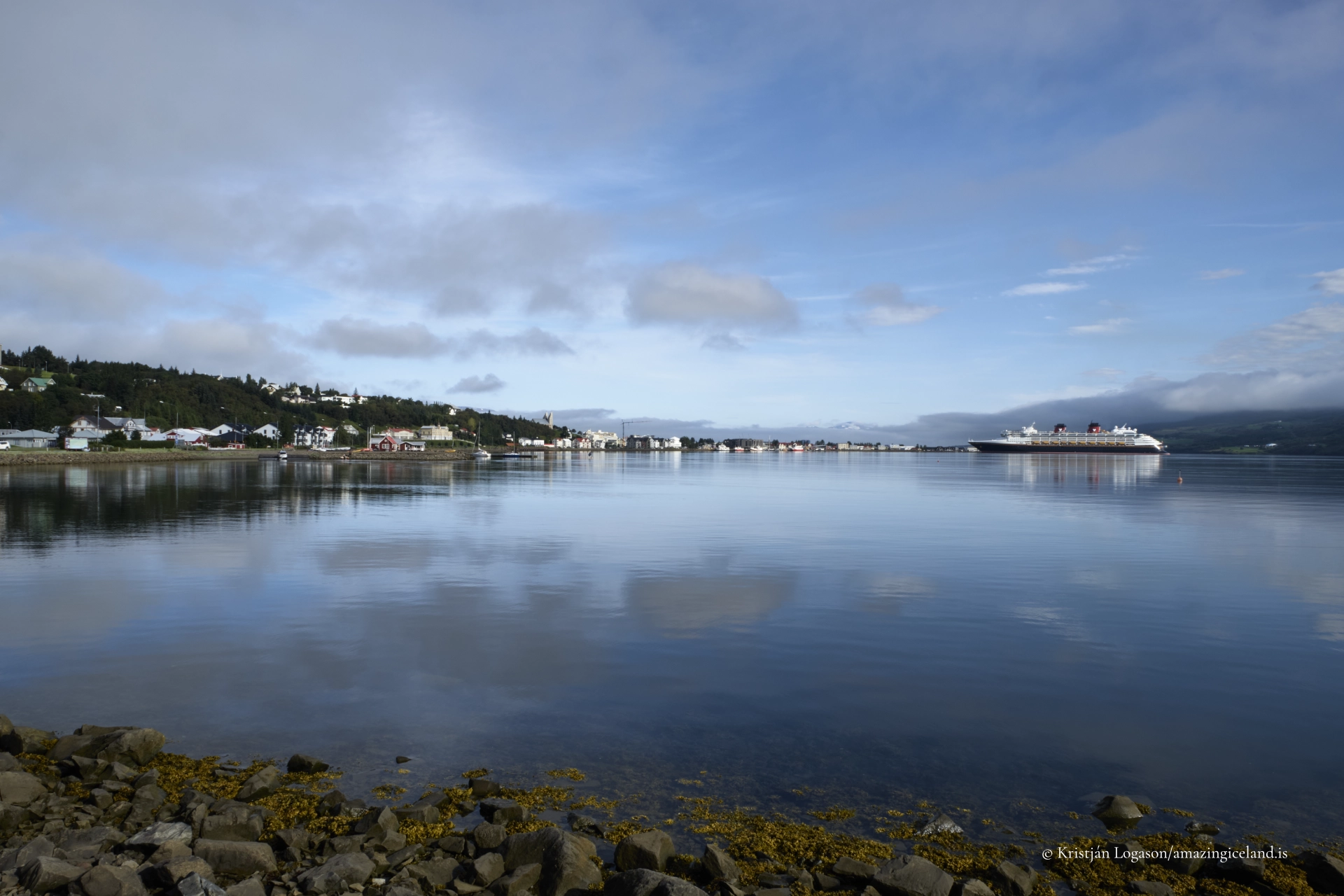
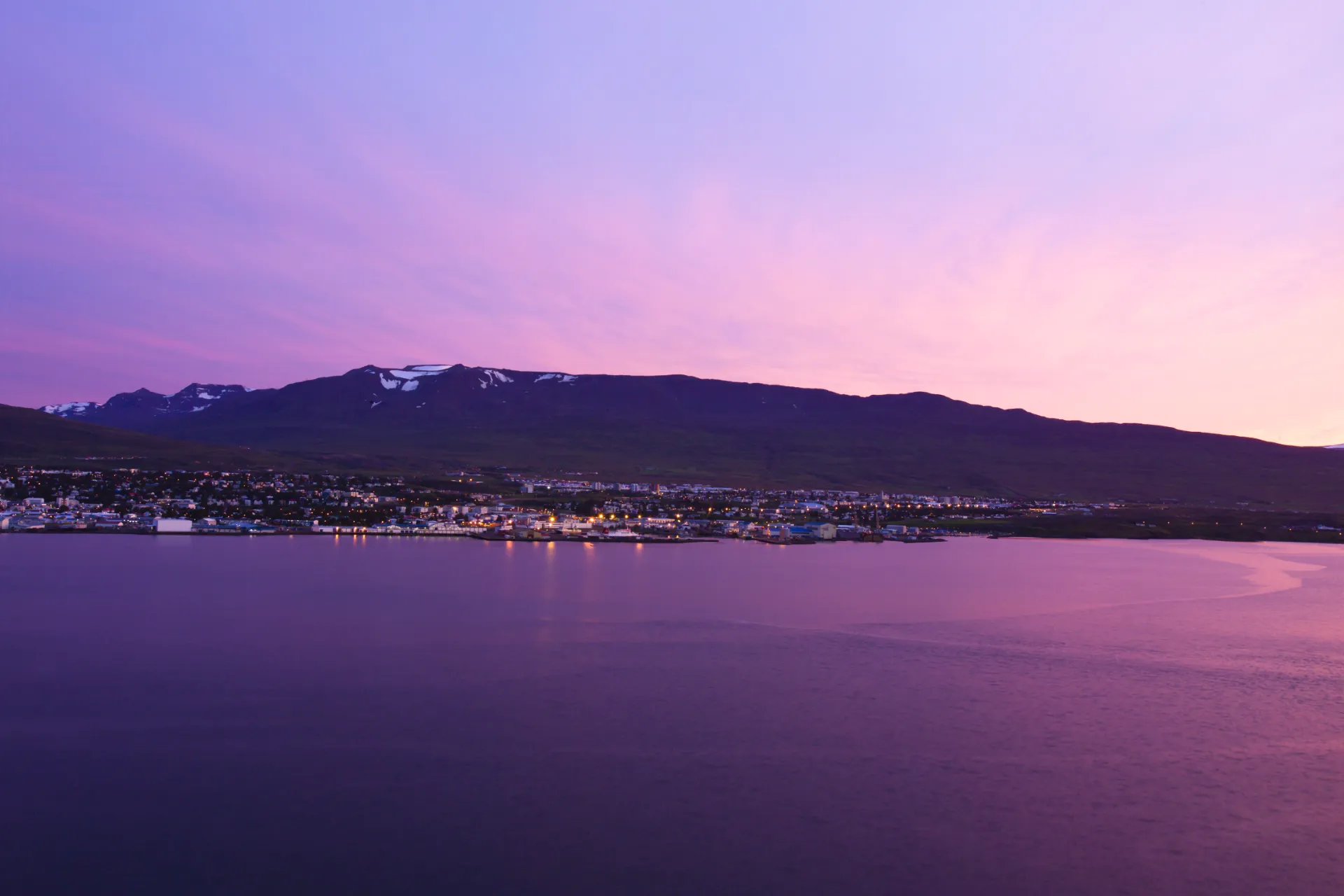
Akureyri sits at the inland terminus of Eyjafjörður, Iceland’s longest fjord. This position is fundamental to the town’s development. Fjords provide natural harbours, sheltered waters, and historically reliable access for maritime transport, allowing Akureyri to emerge as a trade and service centre despite its high latitude.
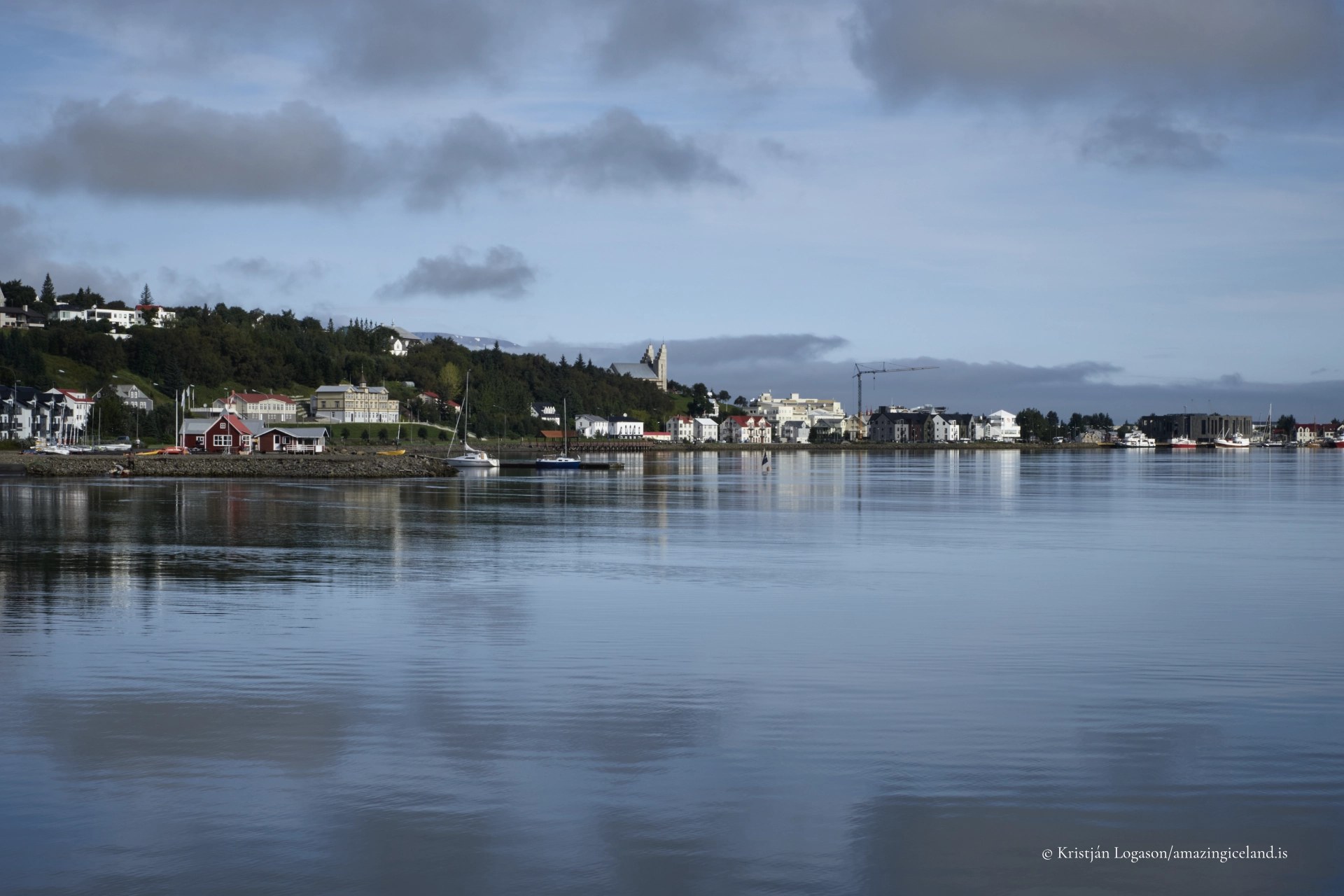
The surrounding topography is steep and enclosing. Mountains rise sharply on both sides of the fjord, compressing urban expansion into a narrow coastal strip and lower slopes. This constraint has produced a compact, walkable town with a clear vertical hierarchy: harbour and industrial zones at sea level, residential districts climbing the hillside, and institutional buildings occupying prominent mid-slope positions.
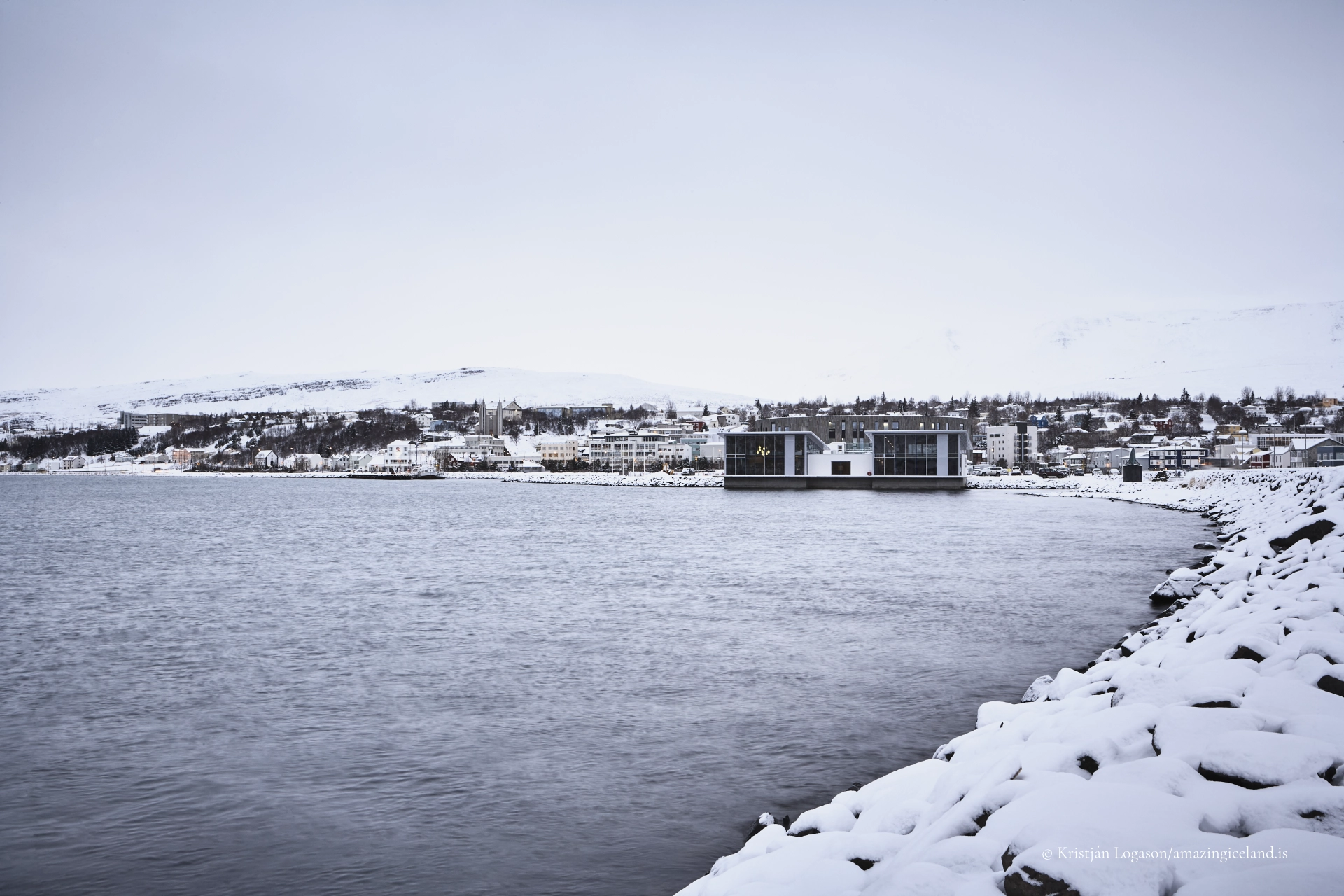
Climatically, Akureyri benefits from a relatively mild microclimate compared to other locations at similar latitude. The fjord moderates temperature extremes, while prevailing wind patterns reduce exposure during winter. As a result, Akureyri experiences warmer summers and colder—but often calmer—winters than much of inland North Iceland. Snow cover is common and persistent, contributing to the town’s role as a winter sports and services hub.
From an academic urban perspective, Akureyri exemplifies adaptive settlement in constrained terrain. Rather than sprawling outward, development has intensified vertically and functionally, reinforcing the town’s coherence and preserving surrounding agricultural land and natural systems.
Historical development and regional role
Akureyri’s origins lie in seasonal trading activity rather than early permanent settlement. Although farms existed nearby, the town itself developed gradually from the 17th century onward, gaining formal trading privileges in the 18th century. Its rise coincided with increased Danish trade control and later with Iceland’s gradual economic liberalization.
During the 19th and early 20th centuries, Akureyri expanded as a centre for fisheries, agriculture, and education. Unlike coastal fishing villages focused narrowly on export, Akureyri diversified early—hosting schools, churches, administrative offices, and later hospitals. This diversification established its role as a regional service centre, a function that remains central today.
In the modern Icelandic state, Akureyri operates as the primary counterbalance to Reykjavík. While it does not rival the capital demographically, it plays a disproportionate role in decentralization policy, hosting national institutions, a university campus, and specialized healthcare services that would otherwise require long-distance travel.
This role has cultural implications. Akureyri supports a dense cultural ecosystem relative to its size, including music, visual arts, literature, and festivals. These activities are not peripheral; they are integral to sustaining population stability in the north and reinforcing regional identity within a highly centralized nation.
Architecture, culture, and public space
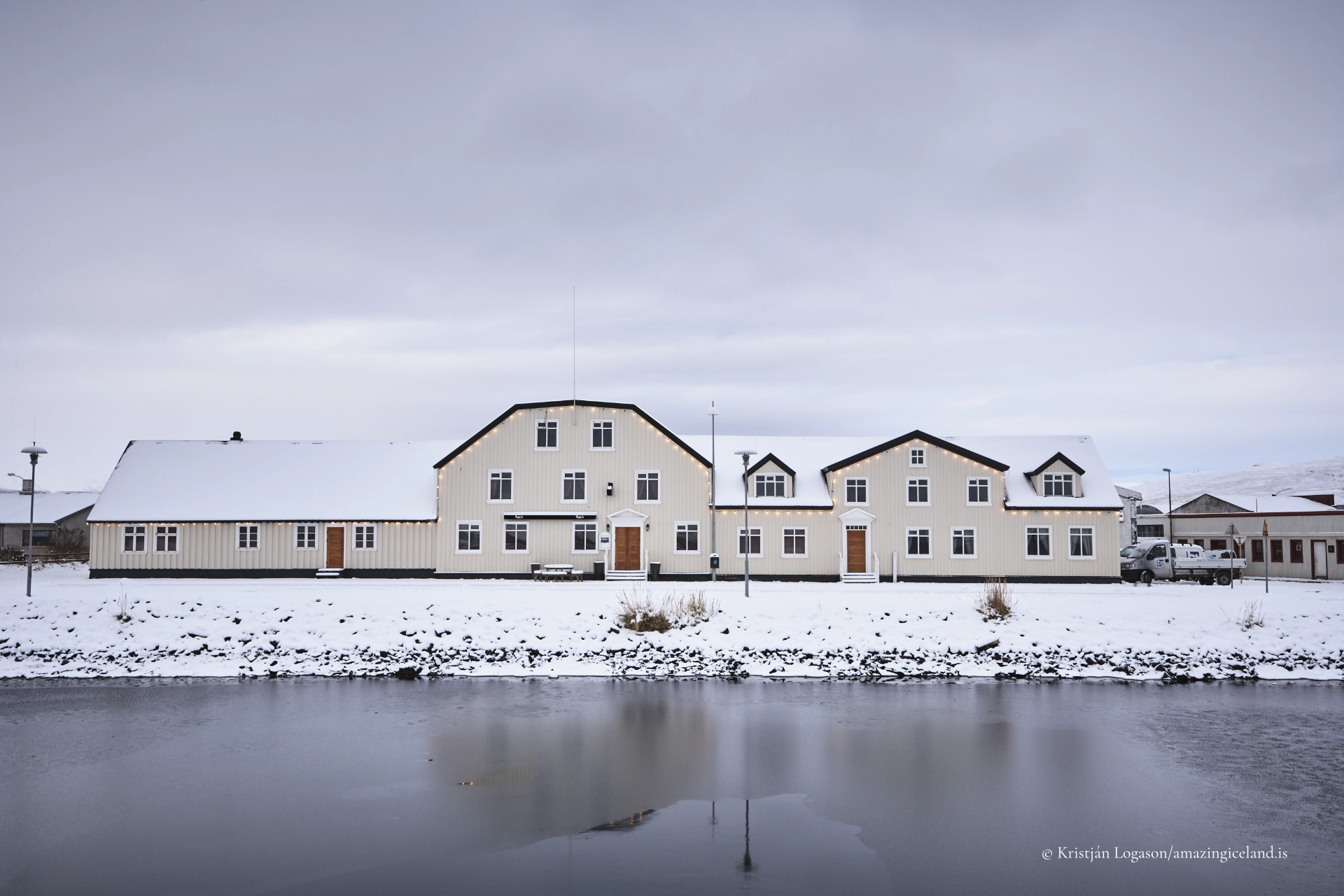
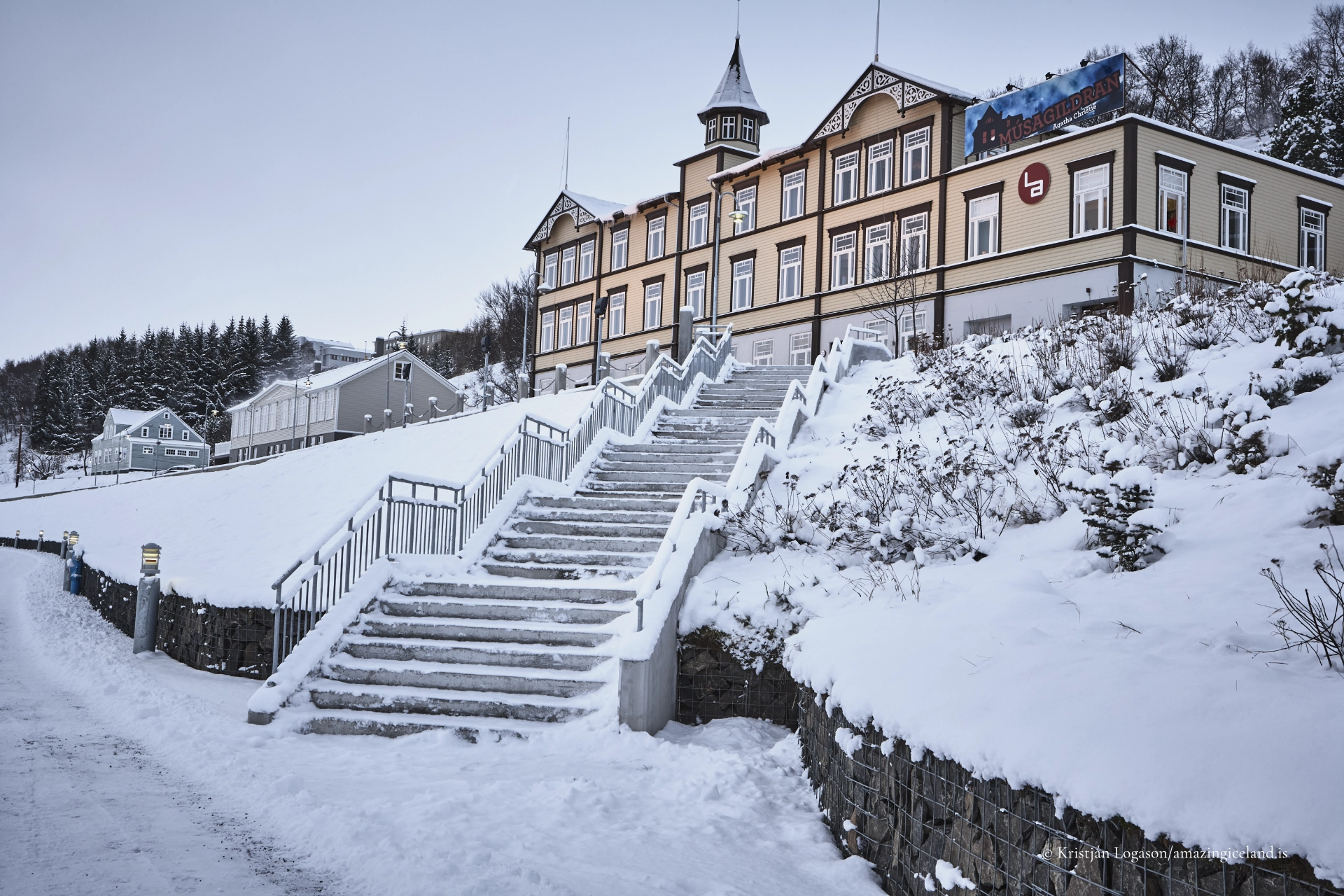
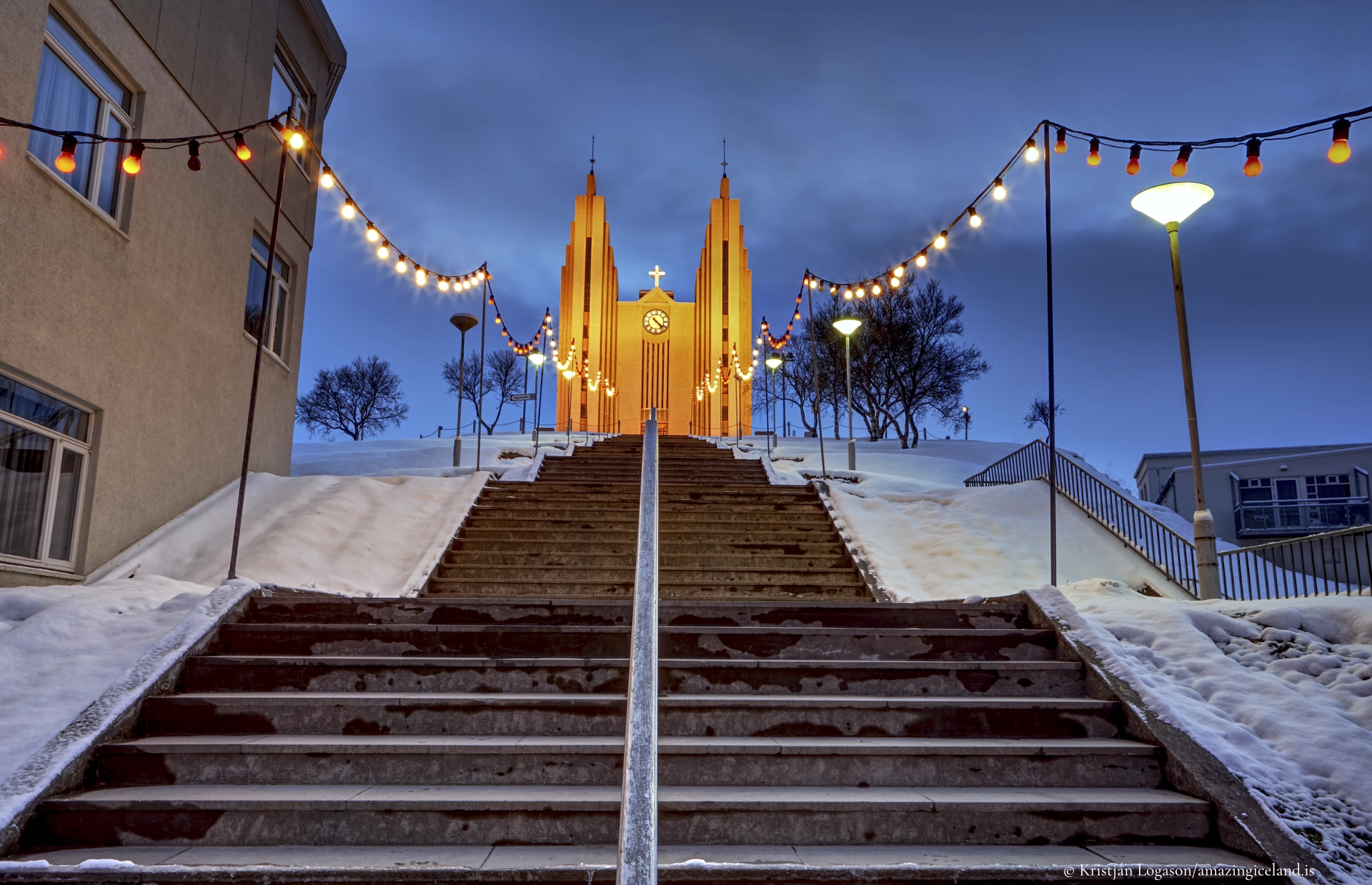
Architecturally, Akureyri reflects layered development rather than a single stylistic vision. Timber houses from the late 19th and early 20th centuries coexist with functionalist public buildings and contemporary residential structures. The town’s most recognizable landmark, Akureyrarkirkja, occupies a commanding position above the centre, reinforcing the vertical relationship between civic life and landscape.
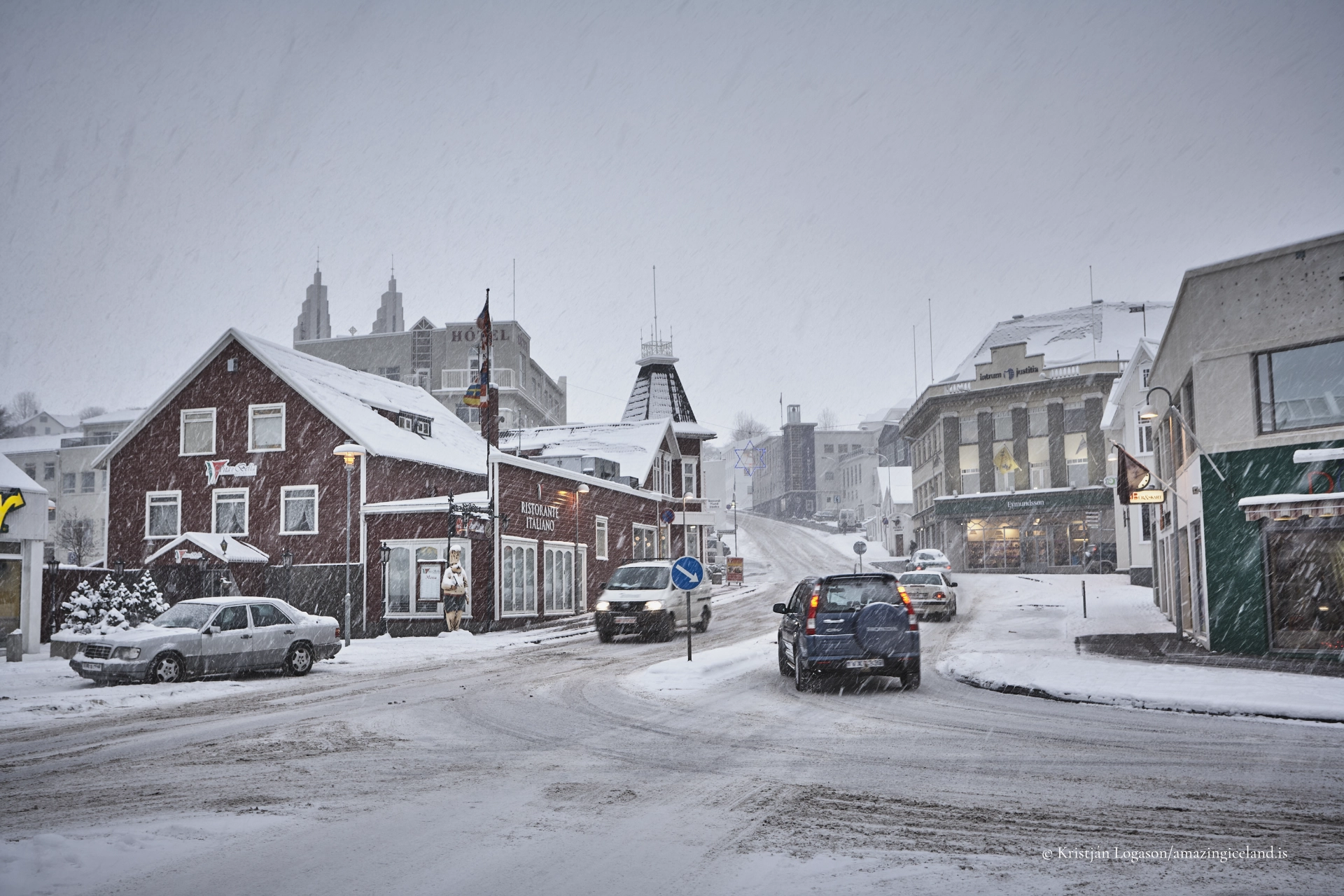
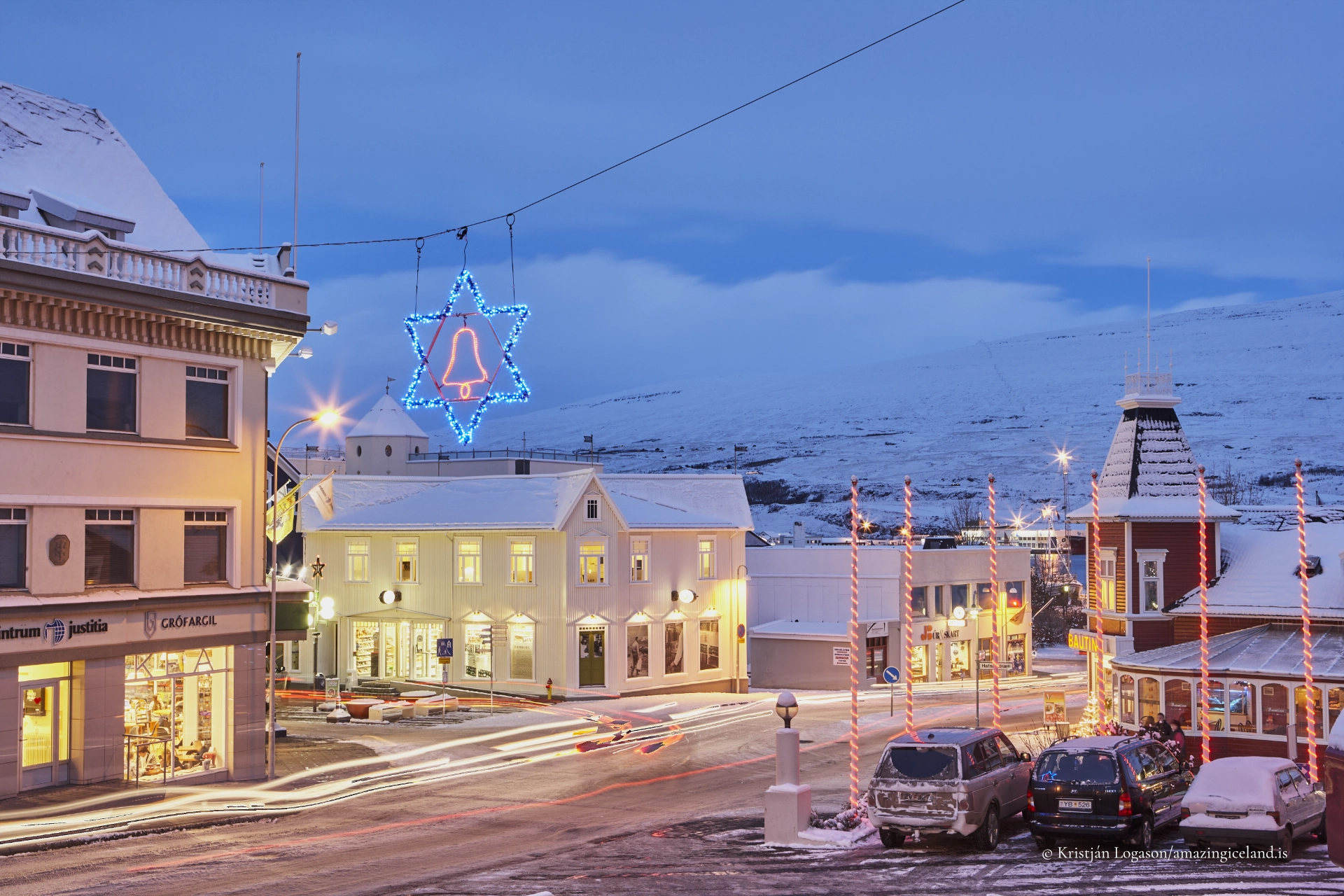
Public space in Akureyri is notably intentional. The town centre is compact and pedestrian-oriented, with cafés, shops, and cultural venues clustered within a short radius. This concentration supports year-round use, even during winter months, and reduces reliance on private vehicles within the core.
One of Akureyri’s most distinctive institutions is the Akureyri Botanical Garden, among the northernmost of its kind in the world. Far from ornamental novelty, the garden functions as a research and conservation space, demonstrating how Arctic and alpine plants can thrive under managed conditions. Its presence reinforces Akureyri’s identity as a place where environmental constraints are studied and adapted to rather than avoided.
Culturally, Akureyri balances local tradition with outward-facing ambition. The town hosts national-level festivals and supports experimental art alongside community-based initiatives. This duality—rooted and outward-looking—mirrors its geographic role as both endpoint and gateway.
Economy, infrastructure, and connectivity
Akureyri’s economy is diversified across services, education, tourism, fisheries, and emerging technology sectors. Tourism has grown steadily, driven by the town’s accessibility, harbour facilities, and proximity to major natural attractions. Unlike purely scenic destinations, Akureyri offers urban tourism: accommodation, dining, cultural programming, and logistical support for broader regional exploration.
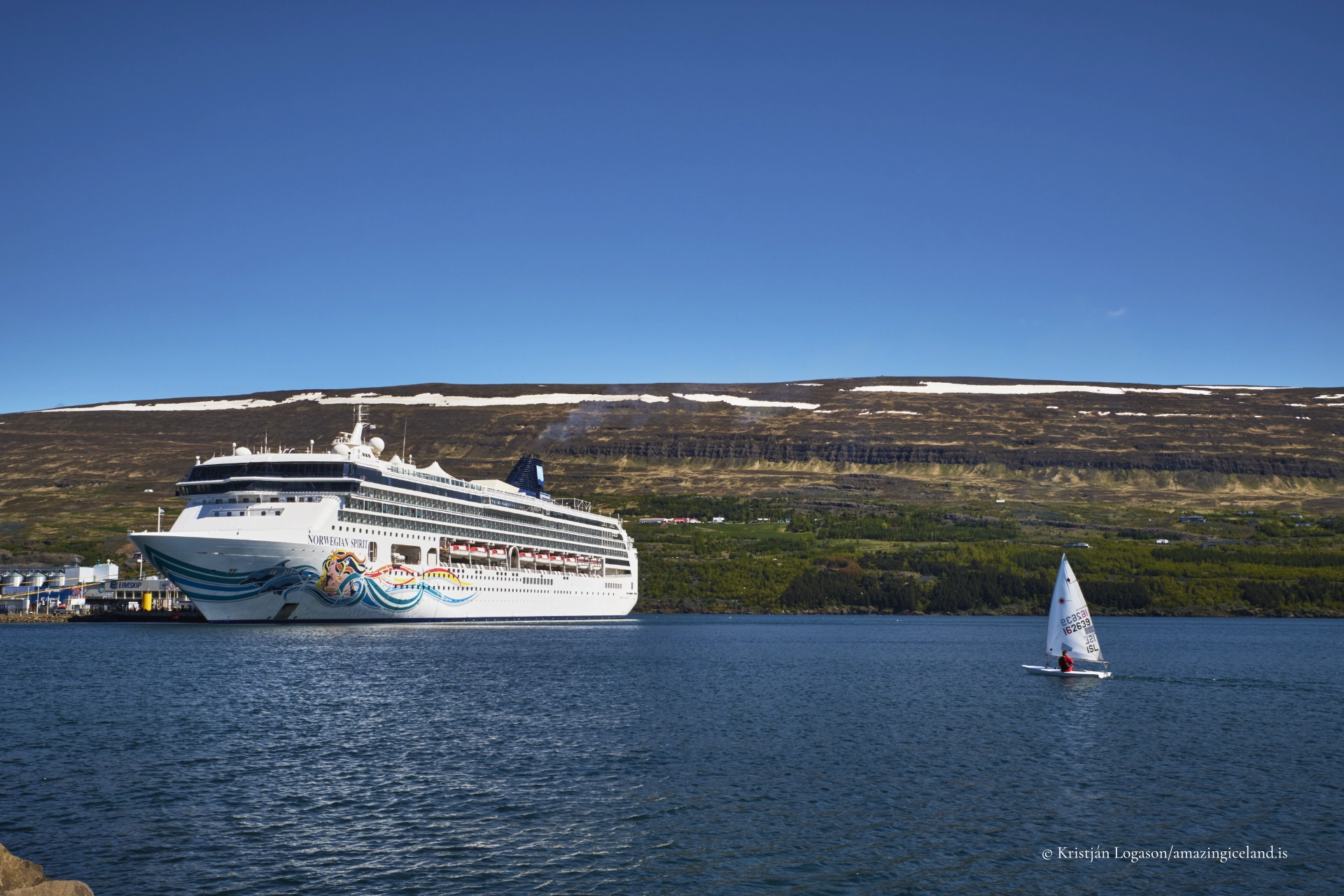
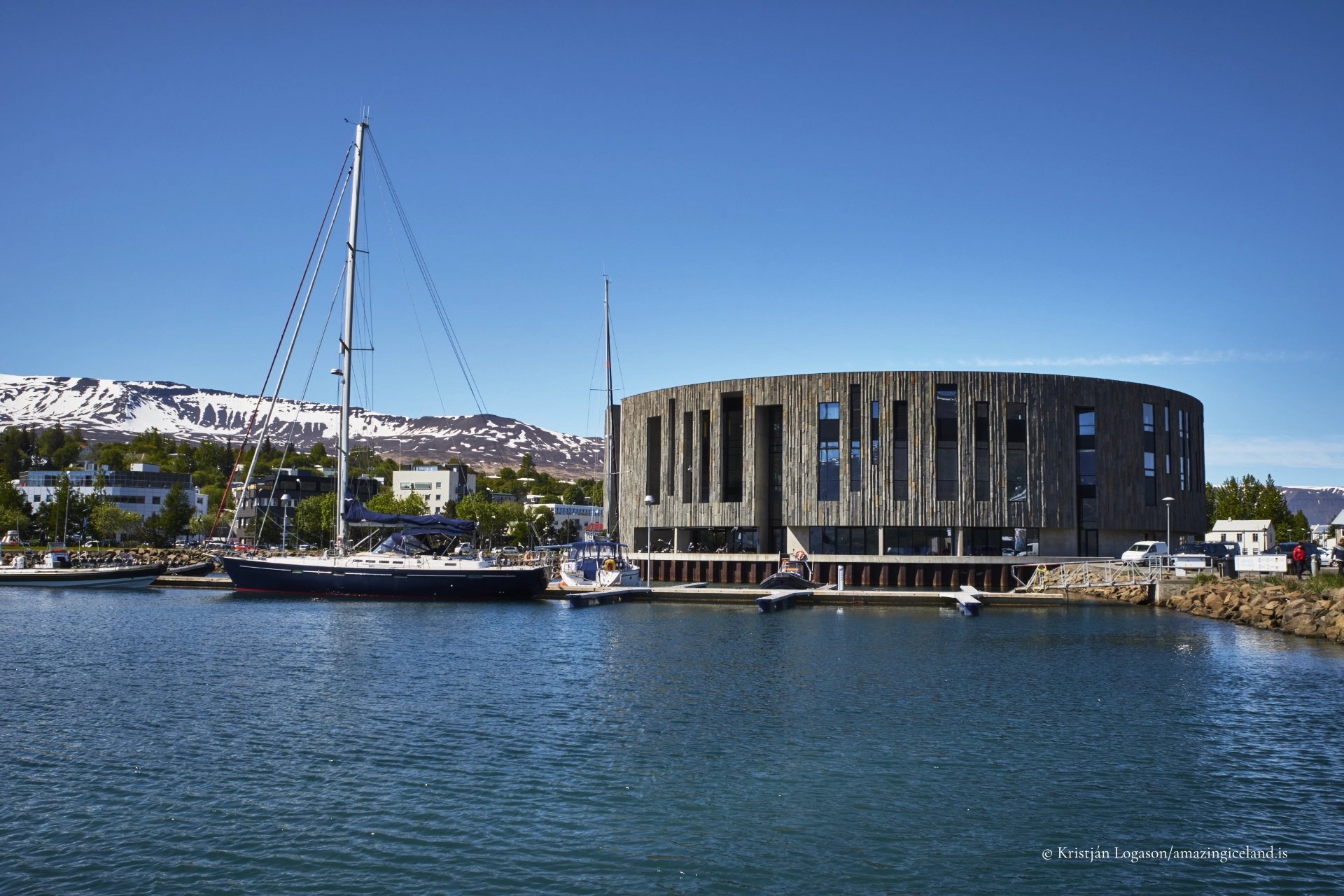
The harbour remains a functional asset, serving fishing vessels, cargo, and increasingly cruise ships. This influx presents both opportunities and pressures, raising questions about scale, infrastructure capacity, and cultural integrity—issues actively debated within the community.
Akureyri Airport plays a strategic role in domestic connectivity and limited international traffic, reinforcing the town’s status as a transportation hub. Road connections link Akureyri to the Ring Road, making it a natural staging point for travel throughout North and Northeast Iceland.
From a planning perspective, Akureyri represents an ongoing experiment in regional resilience. Its success is not measured by rapid growth but by stability, service provision, and quality of life in a challenging environment.
Akureyri as a base for landscape engagement
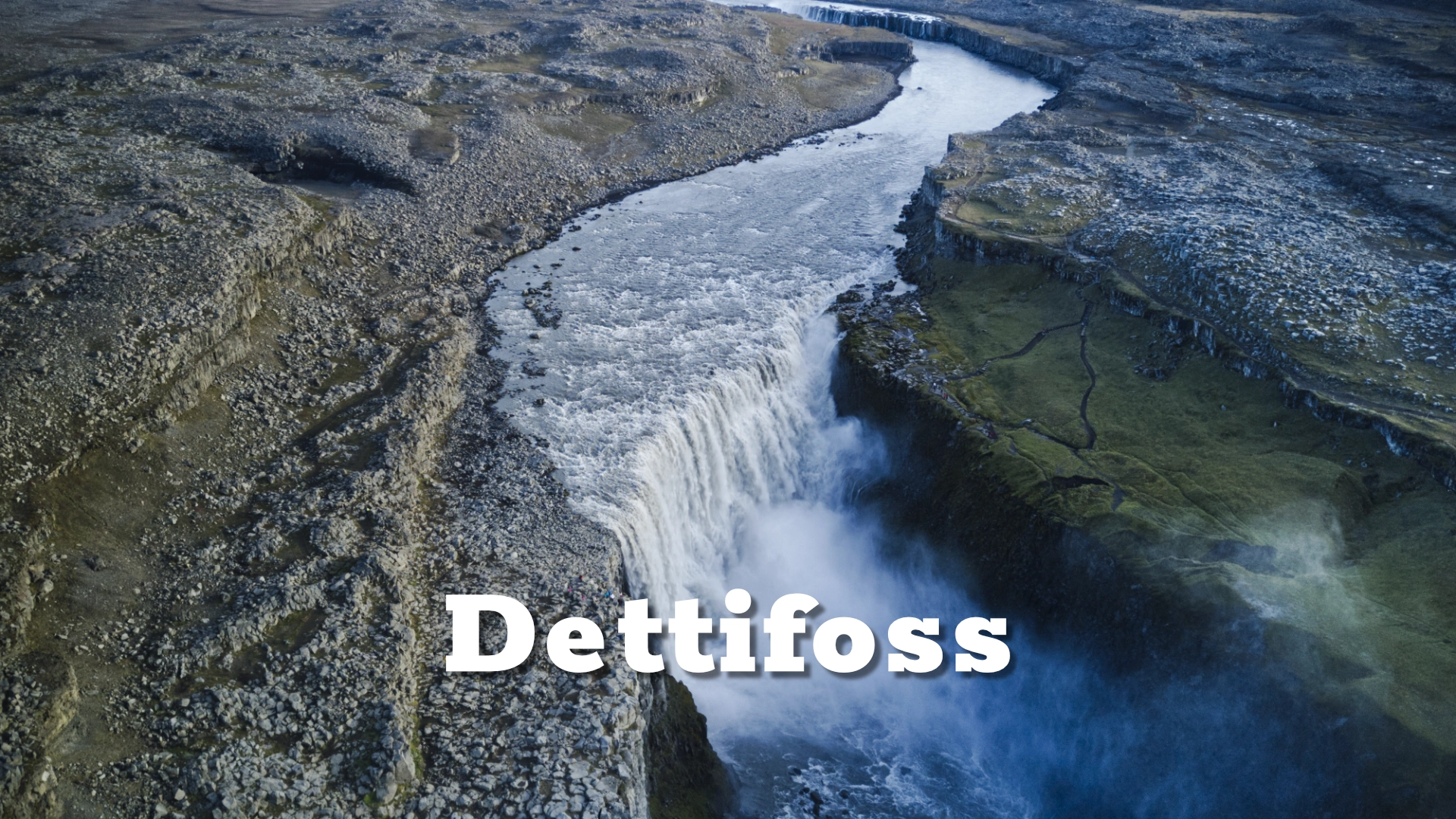
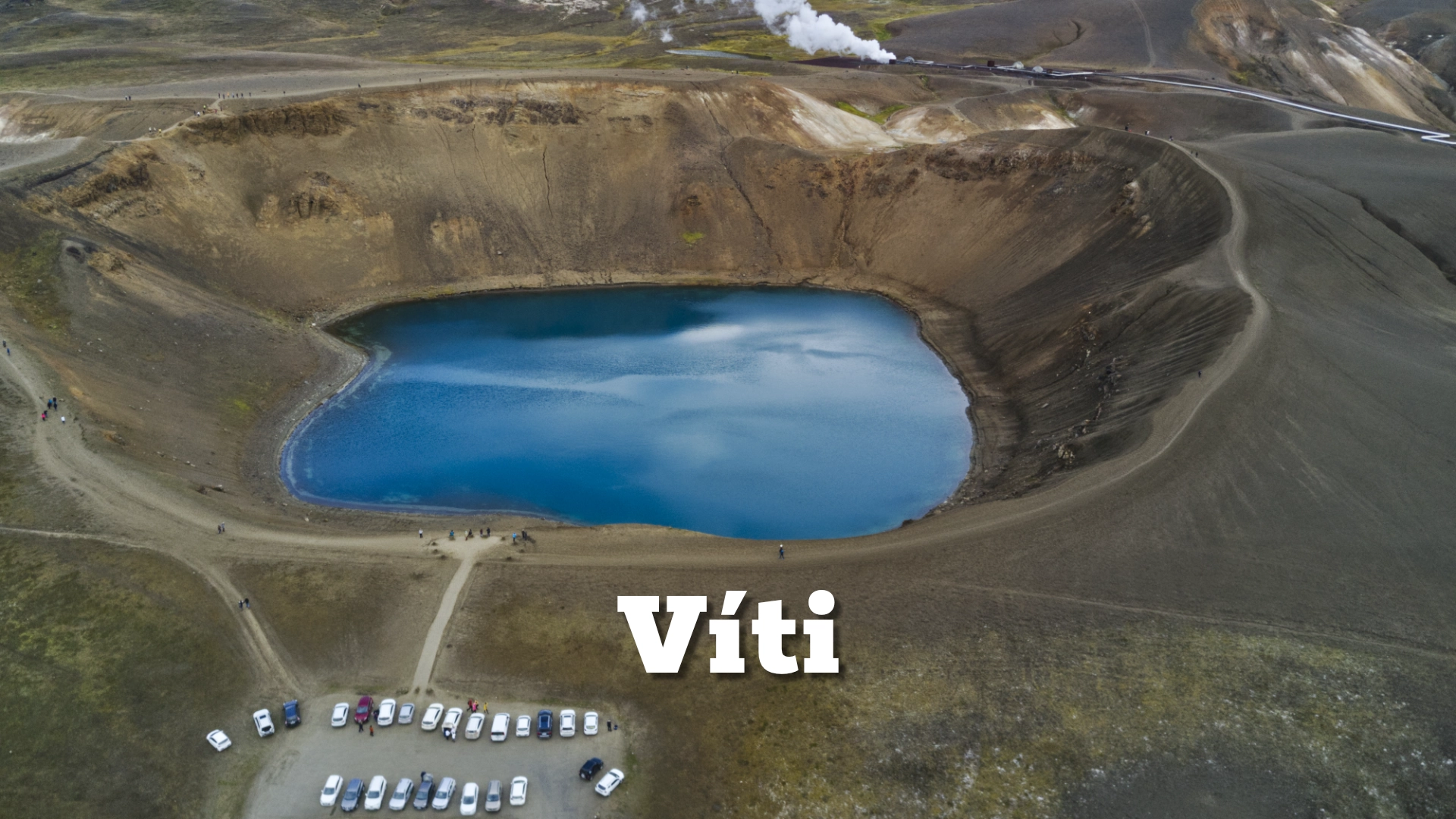
What ultimately distinguishes Akureyri as a destination is its relationship to the surrounding landscape. Within short driving distances lie volcanic systems (Krafla), geothermal fields (Námafjall), major waterfalls (Goðafoss), alpine valleys, and Arctic coastline. Akureyri does not compete with these landscapes; it contextualizes them.
For visitors, this means Akureyri functions best as a base rather than a spectacle. Time spent in the town supports deeper engagement with North Iceland rather than replacing it. The rhythm of daily life—cafés, harbour walks, cultural events—offers contrast and recovery between excursions into more extreme environments.
Experientially, Akureyri illustrates how permanent human settlement can coexist with geological dynamism without attempting to dominate it. The town’s scale, governance, and cultural priorities reflect negotiation rather than conquest—a theme consistent across Iceland’s northern landscapes.
Interesting facts:
- Akureyri is often called the “Capital of North Iceland,” despite having a population of under 20,000.
- Eyjafjörður is Iceland’s longest fjord, extending deep inland and shaping regional climate.
- The Akureyri Botanical Garden is one of the northernmost botanical gardens globally.
- Akureyri hosts a university campus, strengthening its role as an educational centre.
- The town has historically played a key role in Iceland’s decentralization policy.
Image Gallery



The Locomotive Elite
What do Donald Trump and Iceland’s Locomotive Elite have in common?
Far more than you think.
In The Locomotive Elite, you’ll uncover how a tiny clique in Iceland captured extensive control—of banks, courts, media, and even the central bank.
For decades they ruled, first democratically, then through corruption and in the end through crime, enriching themselves and their cronies while dismantling oversight.
The result?
One of the most spectacular financial collapses in modern history.
Photography tips:
- Work with elevation: hillside viewpoints reveal the fjord–town relationship clearly.
- Winter is a strength: snow and low-angle light emphasize urban geometry and calm.
- Use the harbour as an anchor: ships and infrastructure provide scale and narrative.
- Avoid over-wide framing: Akureyri rewards structured compositions rather than sweeping vistas.
- Capture transitions: weather shifts rapidly—fog, snow, and sun often coexist.
Good cameras for Iceland
Sony A7R V

Sony A7s lll

Canon R6

Nikon Z6 lll

Destinations nearby
Good to have in Iceland