Located within the Krafla caldera in North Iceland, Víti crater offers a rare opportunity to stand inside a geologically young explosion crater where volcanic history, geothermal processes, and ongoing rift dynamics converge. The site is compact, accessible, and scientifically legible—making it one of the most instructive volcanic features in the Mývatn region.
The location of Víti crater by Krafla
Latitude
65.7147
Longitude
-16.7783
Víti crater by Krafla
Geological context and formation
Víti crater is part of the broader Krafla volcanic system, a central volcano and fissure swarm situated directly on Iceland’s active rift zone. Unlike stratovolcanoes shaped by repeated lava accumulation, Krafla’s landscape is dominated by extensional tectonics: the crust is pulled apart, magma intrudes laterally, and geothermal fluids circulate at shallow depths.
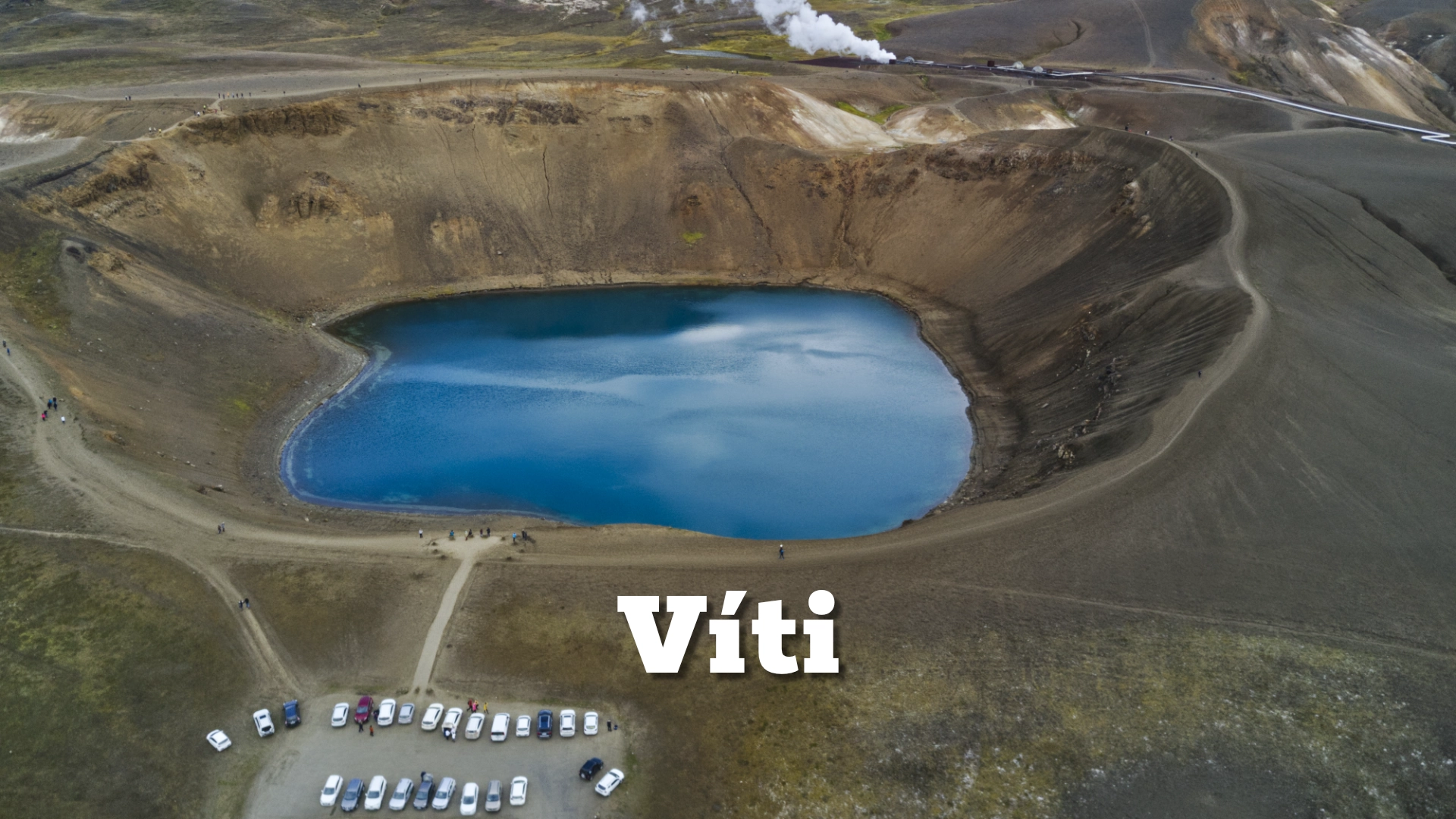
Víti itself is classified as a phreatic to phreatomagmatic explosion crater, formed when rising magma interacted with groundwater or hydrothermal fluids. This interaction caused rapid vaporization, generating explosive pressure that fragmented surrounding rock and excavated the crater. Importantly, Víti is not a primary eruptive vent built by lava flows; it is a scar left by sudden energy release beneath the surface.
The crater formed during historic eruptive phases of the Krafla system, most notably during the 1724–1729 Mývatn Fires, a period marked by eruptions, ground deformation, and widespread lava production across the region. While later eruptive activity occurred during the Krafla Fires of 1975–1984, Víti’s morphology and stratigraphy are generally attributed to the earlier 18th-century events. This distinction matters academically, as it highlights how a single volcanic system can express different eruptive mechanisms over centuries.
Over time, precipitation and limited groundwater inflow filled the crater, forming the lake visible today. The water’s milky blue-green color is not a stable property but a variable result of light scattering, dissolved minerals, microbial activity, and seasonal conditions. At times, geothermal heat and gas input can influence temperature and chemistry, reinforcing that Víti remains connected to an active geothermal environment rather than a sealed relic.
Víti as a geothermal and scientific indicator
Víti crater is often visually striking, but its scientific value lies in what it reveals about subsurface processes. Explosion craters like Víti are surface indicators of overpressure within geothermal systems, signaling zones where heat, fluids, and structural weakness intersect. In practical terms, they mark areas where the balance between confining pressure and fluid expansion has failed.
Within the Krafla caldera, this failure is closely tied to rift dynamics. Magma intrusions elevate temperatures and alter stress fields, while groundwater circulating through fractured basalt becomes superheated. When pathways are suddenly opened—or sealed and then breached—the resulting pressure release can be violent, even without sustained lava eruption. Víti is therefore best understood not as an anomaly, but as a predictable outcome of rift-related geothermal systems.
For geothermal development, including the nearby Krafla Power Station, such features are instructive. They illustrate why well placement, pressure management, and chemical monitoring are critical in active volcanic fields. The same conditions that create visually dramatic craters also govern reservoir behavior at depth, including permeability changes and gas composition.
From an academic perspective, Víti functions as a field-scale diagram: it links tectonics, volcanism, hydrothermal circulation, and surface morphology in a single, accessible location. This makes it a frequent stop not only for tourists but for geology students and researchers seeking tangible examples of abstract processes described in textbooks.
Visiting Víti—experience, access, and responsibility
Víti is typically accessed via a short walk from a nearby parking area within the Krafla caldera. The path leads to the crater rim, where visitors gain an elevated view of the lake and surrounding volcanic terrain. From here, the geometry of the explosion crater is clearly legible: steep inner walls, a roughly circular planform, and an abrupt contrast between fractured rock and water-filled interior.
Despite its accessibility, Víti should not be approached casually. The crater rim can be unstable, particularly after freeze–thaw cycles, and the inner slopes are steep and composed of loose volcanic material. Descending toward the lake is strongly discouraged, both for safety reasons and to prevent erosion. The water itself is not suitable for bathing; temperatures and chemical conditions can vary unpredictably.
Seasonality plays a significant role in the visitor experience. In summer, the lake’s color is often most vivid, and the surrounding terrain reveals fine-scale textures in lava and tephra. In winter, snow can obscure hazards and alter depth perception, making conditions potentially dangerous without proper equipment and visibility. Responsible visitation means adapting plans to conditions rather than forcing access.
Conceptually, Víti complements the nearby geothermal infrastructure by providing context rather than contrast. Where the power station represents controlled energy extraction, Víti represents uncontrolled release. Together, they frame Iceland’s relationship with geothermal forces as one of negotiation rather than dominance—a theme that resonates strongly when experienced on site.
Interesting facts:
- The name “Víti” translates to “hell”, a common Icelandic term for explosion craters associated with violent geothermal activity.
- Víti at Krafla is not the only crater named Víti in Iceland; another well-known Víti exists at Askja, formed during a much later eruption in 1875.
- The crater lake’s color can shift dramatically depending on light conditions, mineral content, and biological activity.
- Víti is associated primarily with the Mývatn Fires (1724–1729) rather than the later Krafla Fires of the 20th century.
- The crater lies within an area where the Eurasian and North American tectonic plates are actively diverging, at a rate of roughly 2 cm per year.
Image Gallery

The Locomotive Elite
What do Donald Trump and Iceland’s Locomotive Elite have in common?
Far more than you think.
In The Locomotive Elite, you’ll uncover how a tiny clique in Iceland captured extensive control—of banks, courts, media, and even the central bank.
For decades they ruled, first democratically, then through corruption and in the end through crime, enriching themselves and their cronies while dismantling oversight.
The result?
One of the most spectacular financial collapses in modern history.
Photography tips:
- Shoot from the rim, not the slope: elevated viewpoints preserve scale and reveal crater geometry without risking safety or damage.
- Overcast conditions work well: diffuse light reduces glare on the lake surface and enhances subtle color gradients.
- Use people sparingly for scale: a single figure on the rim can communicate crater size effectively without clutter.
- Watch steam and wind: intermittent geothermal steam nearby can add atmosphere but may obscure the lake if conditions shift.
- Avoid footprints in fragile areas: disturbed volcanic soil is slow to recover and highly visible in wide compositions.
Good cameras for Iceland
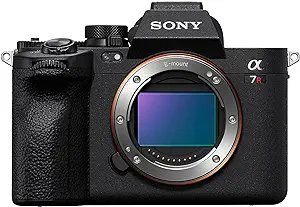
Sony A7R V
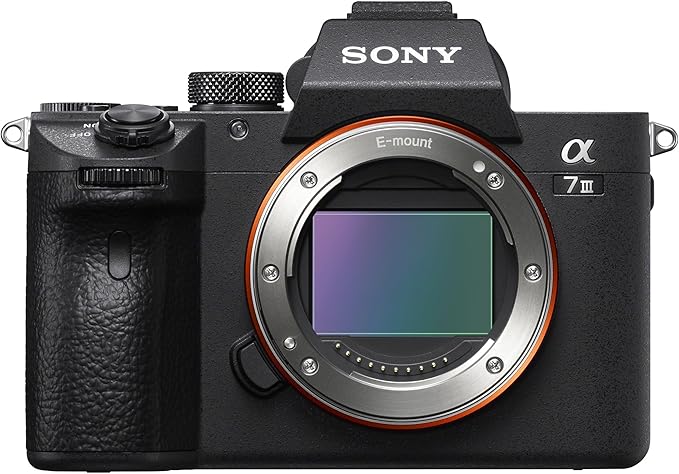
Sony A7s lll
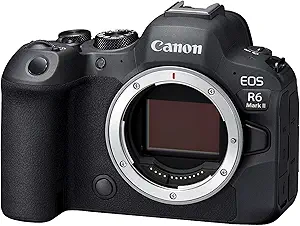
Canon R6
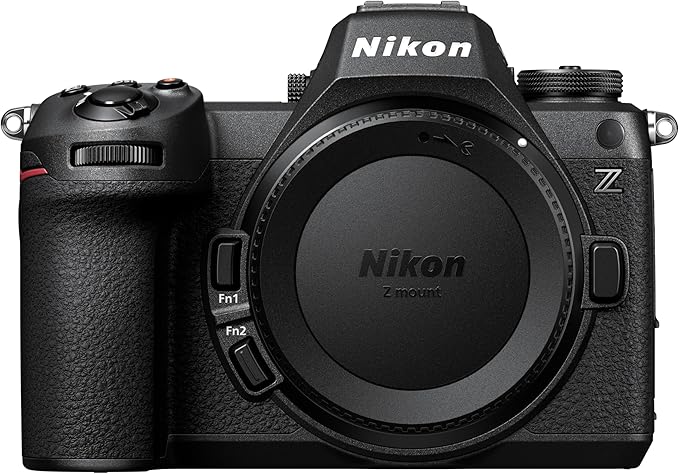
Nikon Z6 lll
Destinations nearby
Good to have in Iceland