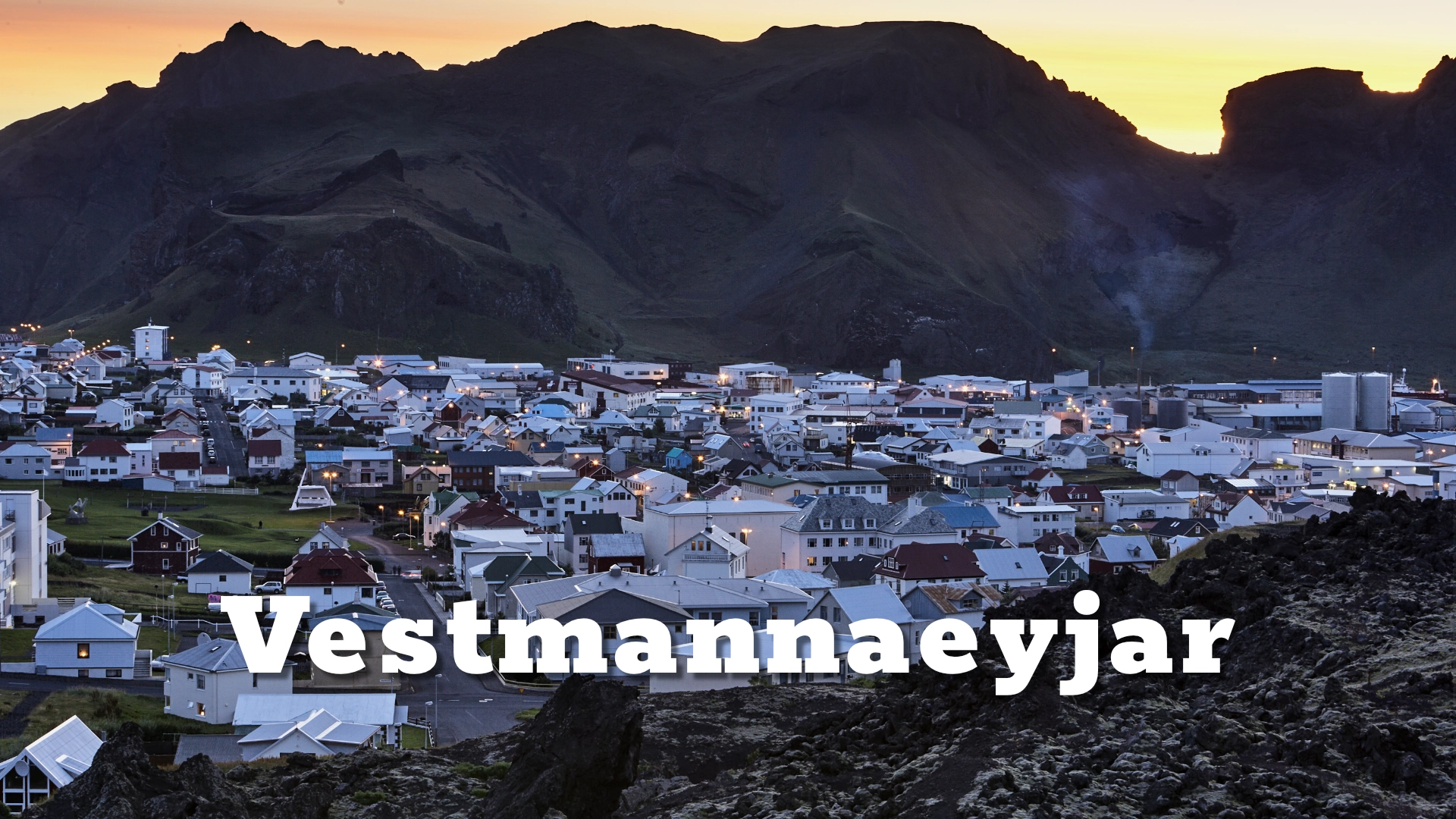
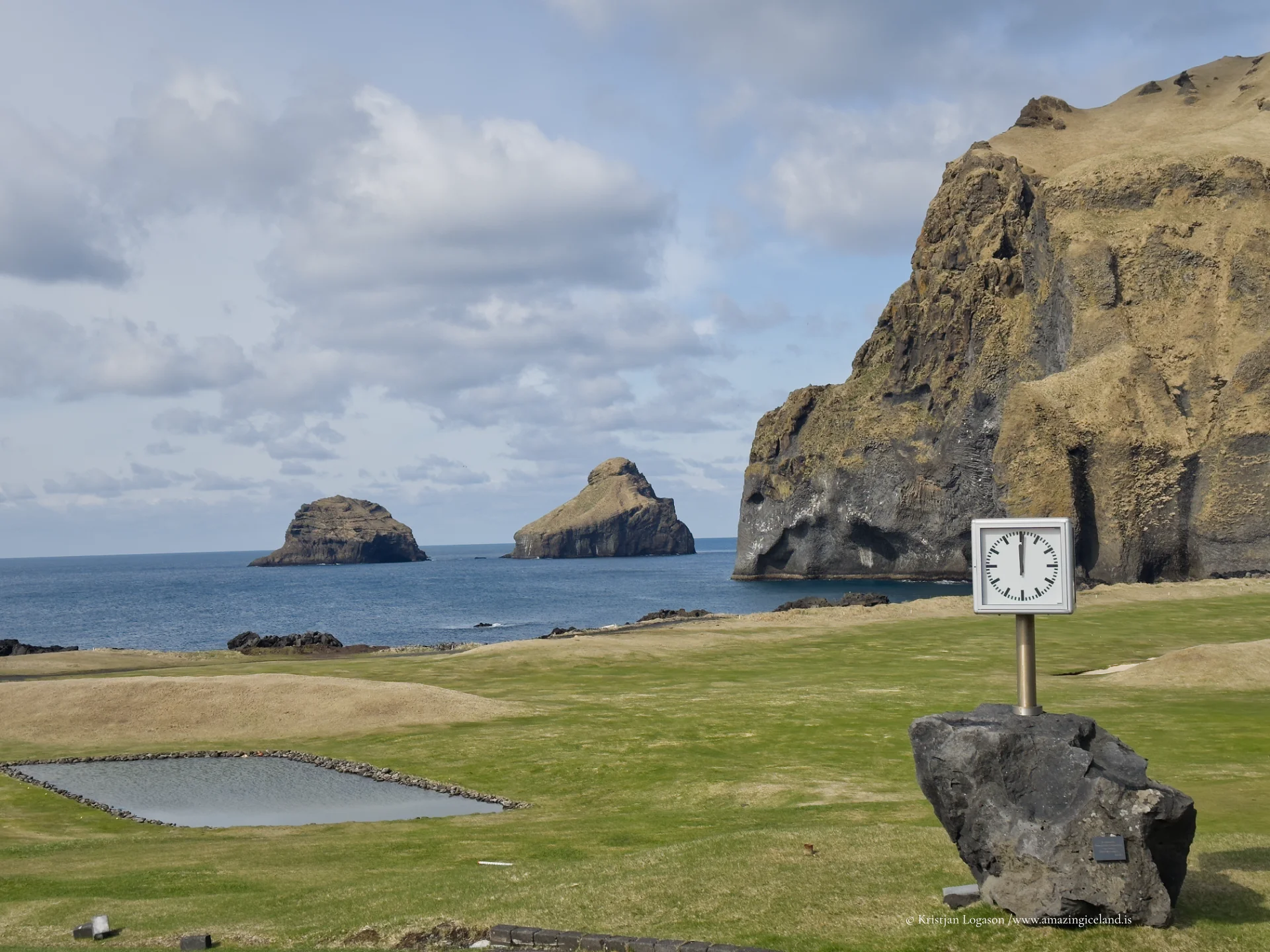
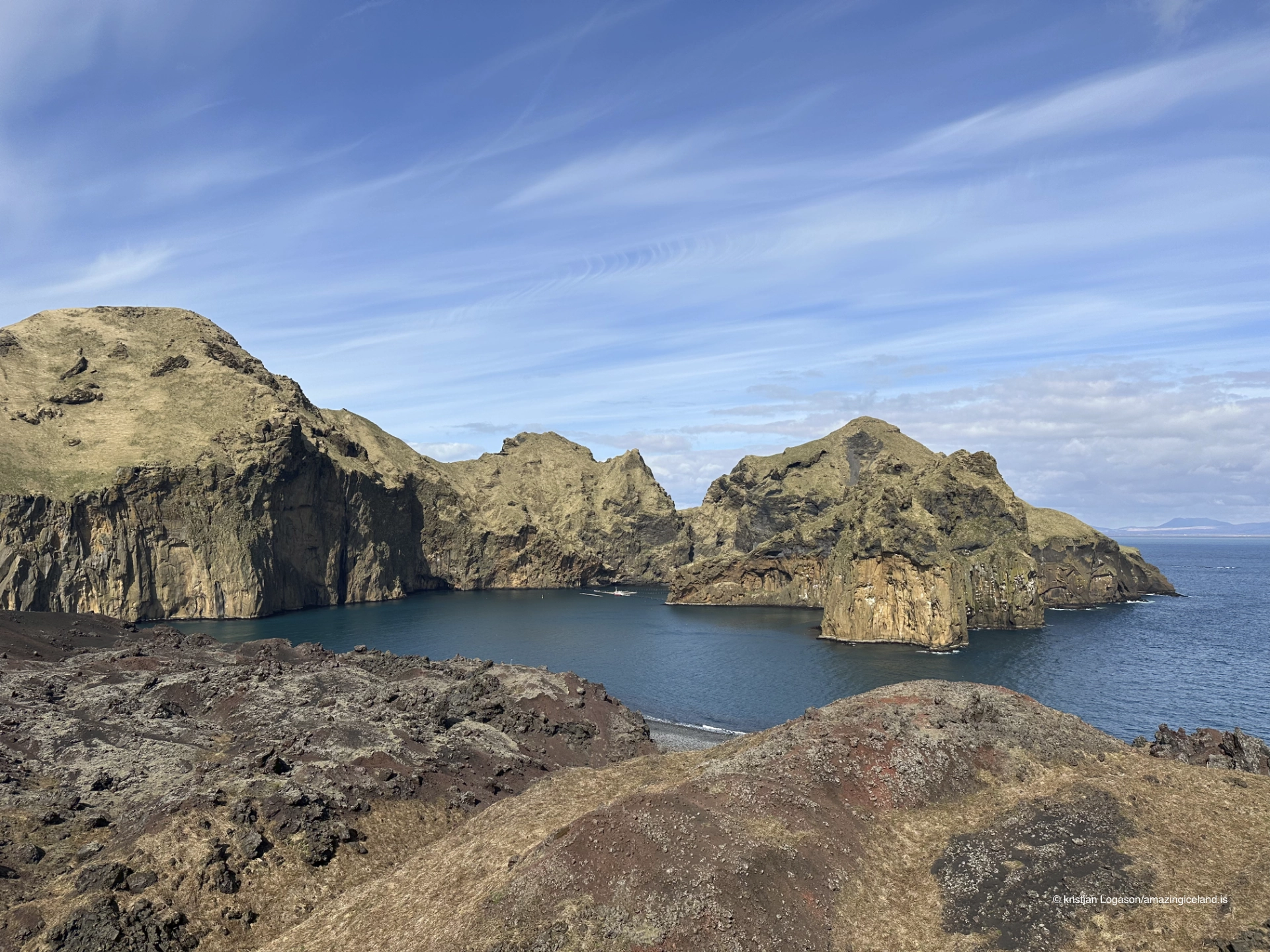
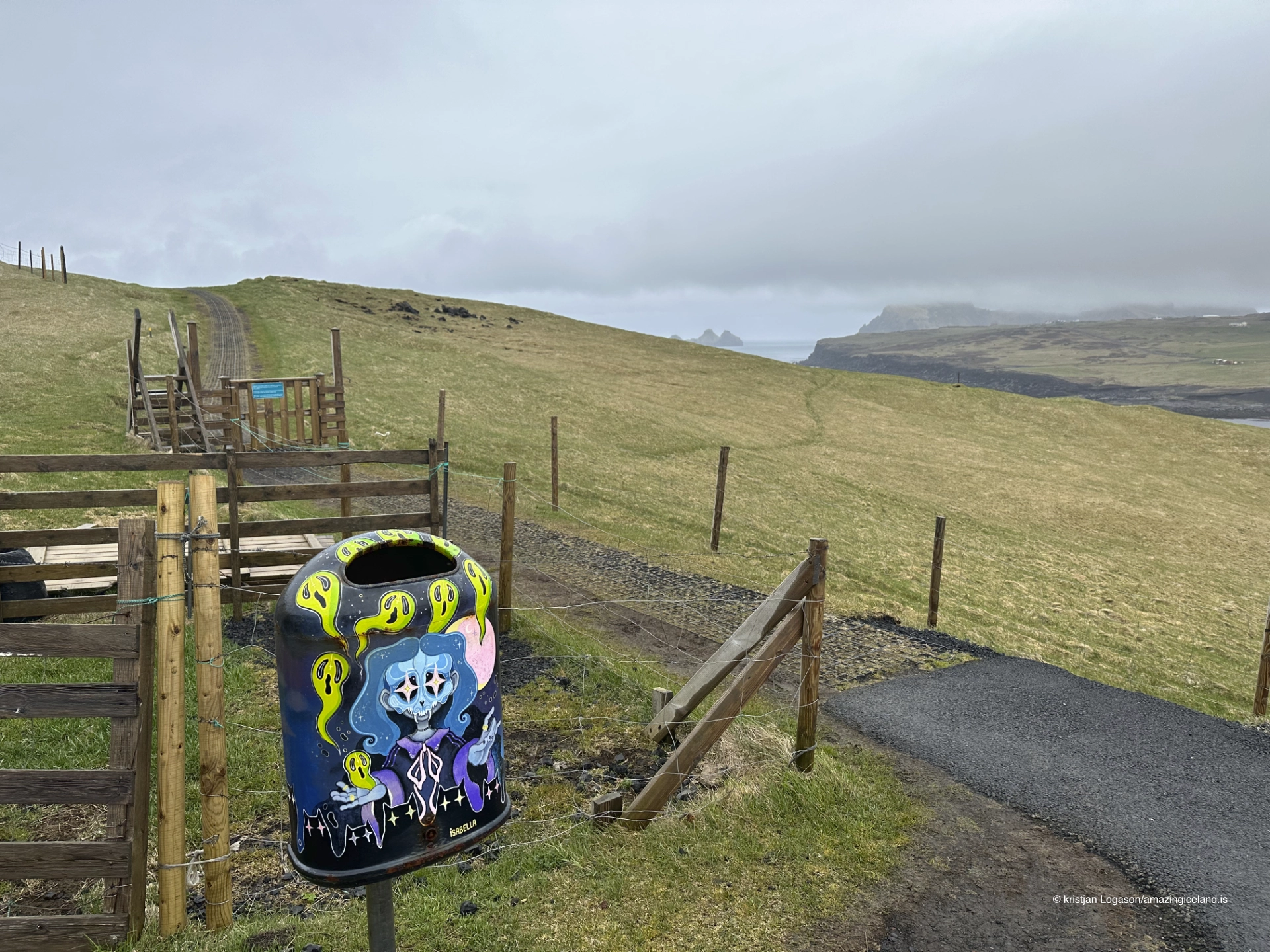
South of mainland Iceland, off the coast near Landeyjar, the Vestmannaeyjar rise directly from the Atlantic. The archipelago consists of around 15 islands and numerous sea stacks, of which Heimaey is the only permanently inhabited island. The islands form part of Iceland’s active volcanic zone and remain geologically young.
The location of Vestmannaeyjar Islands
Latitude
63.4429
Longitude
-20.2734
Vestmannaeyjar Islands
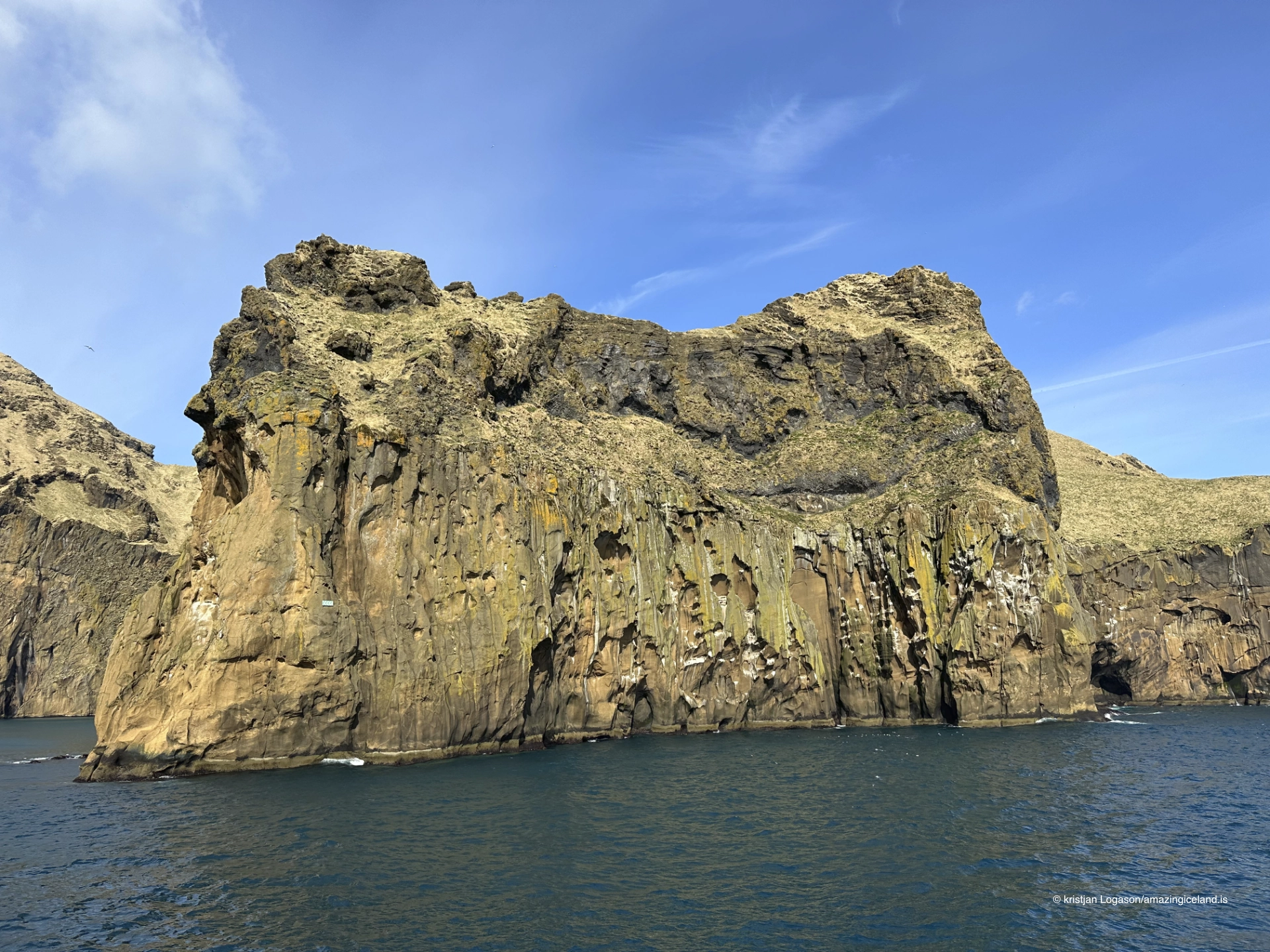
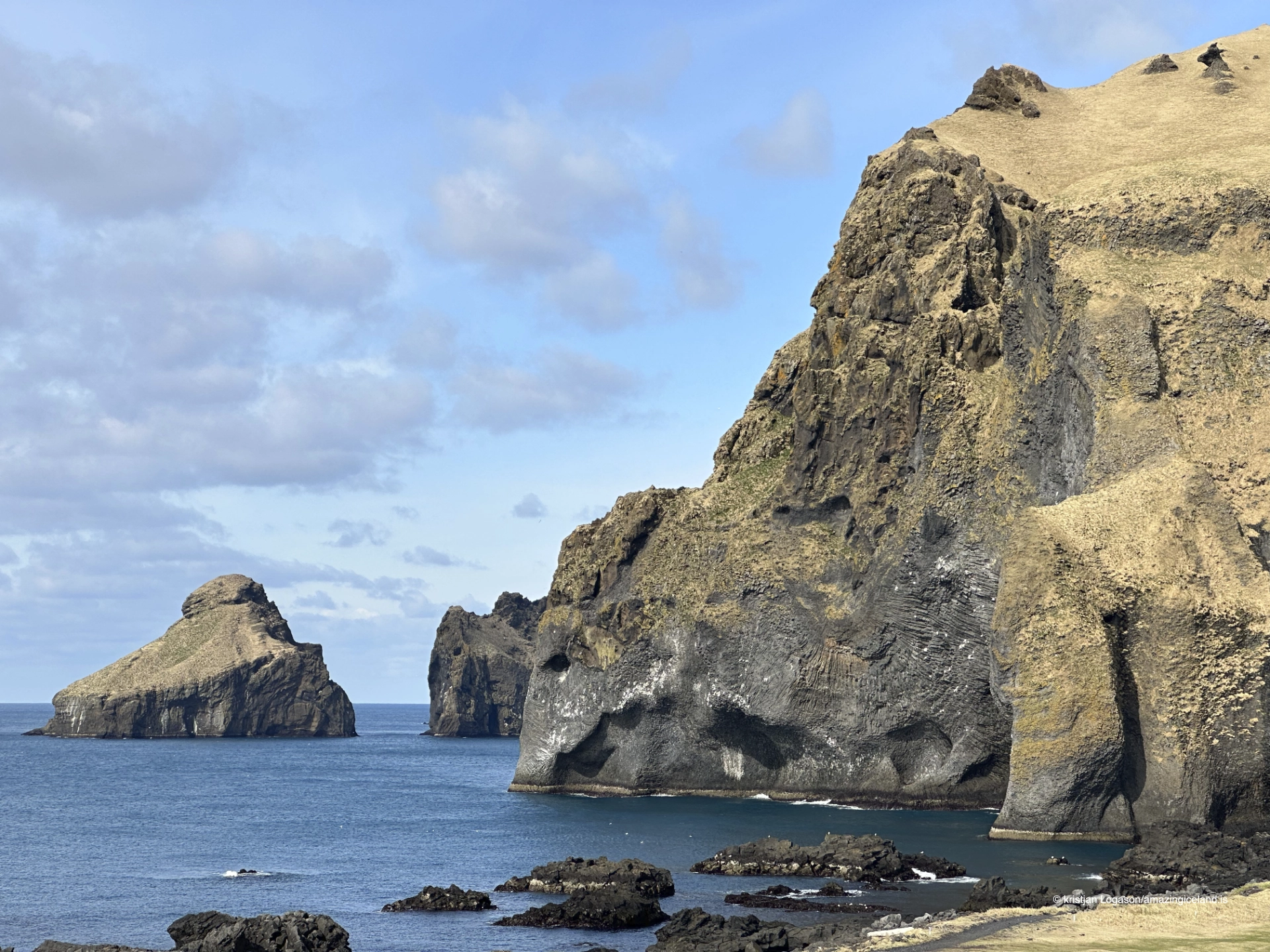
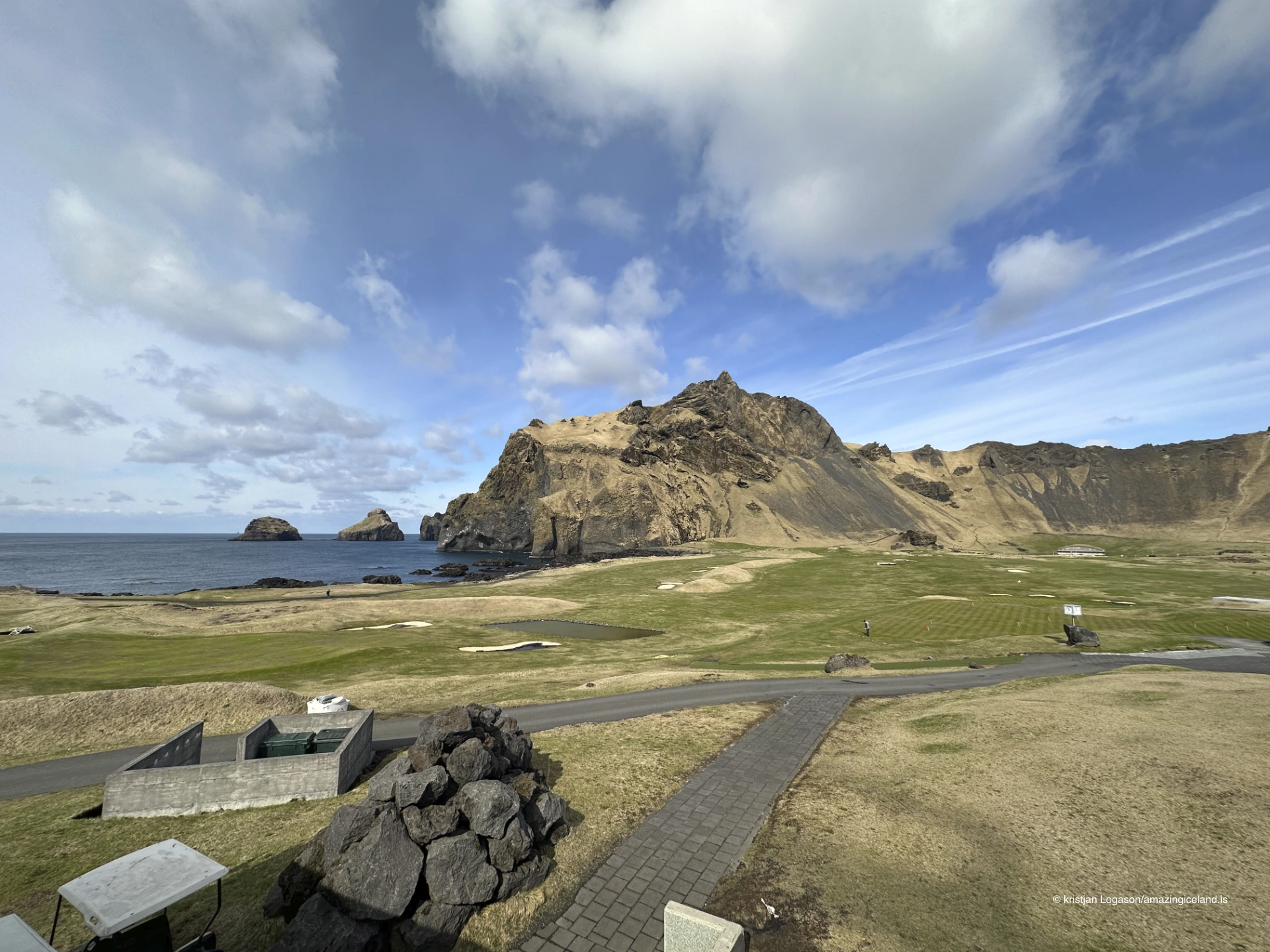
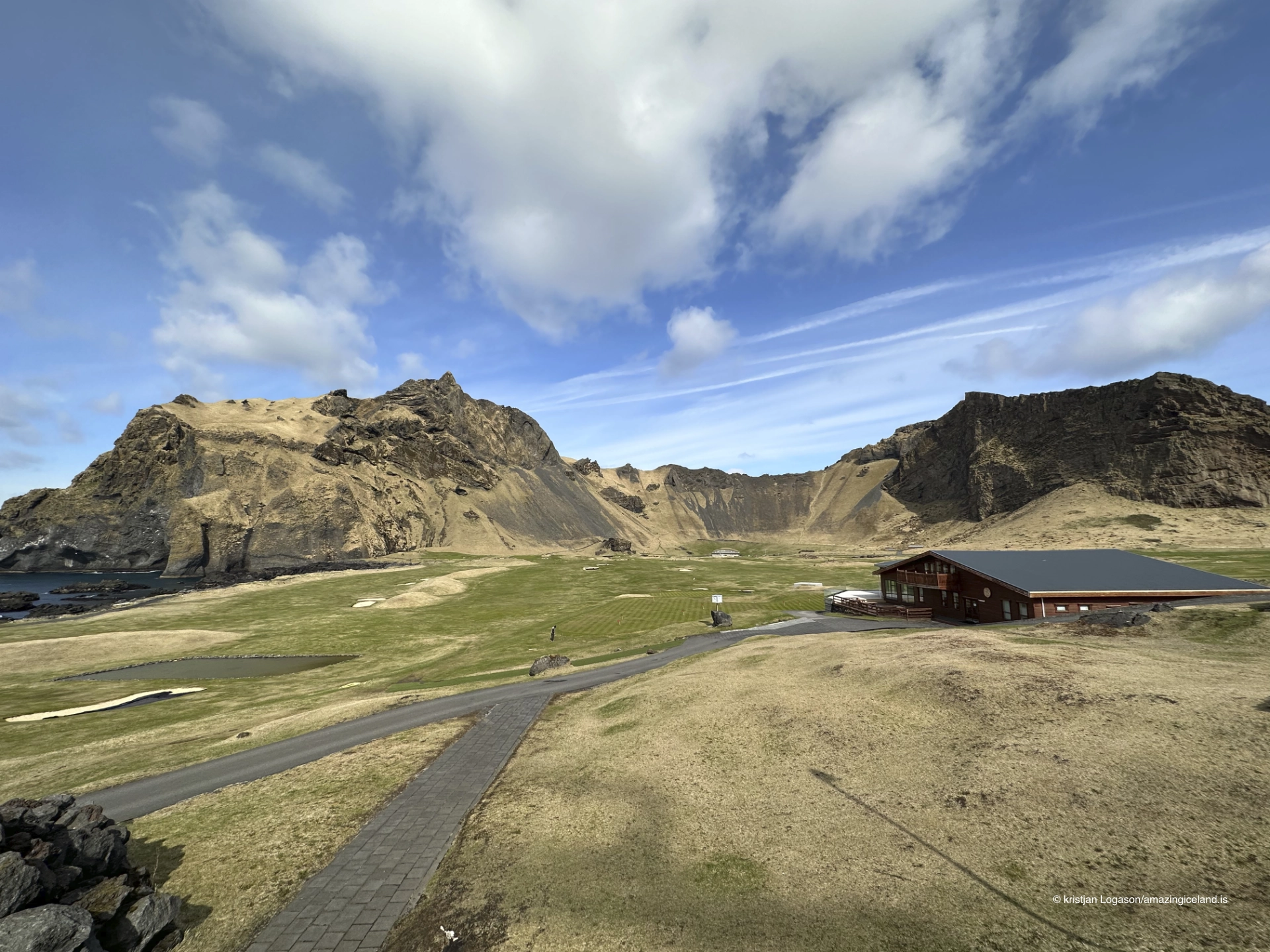
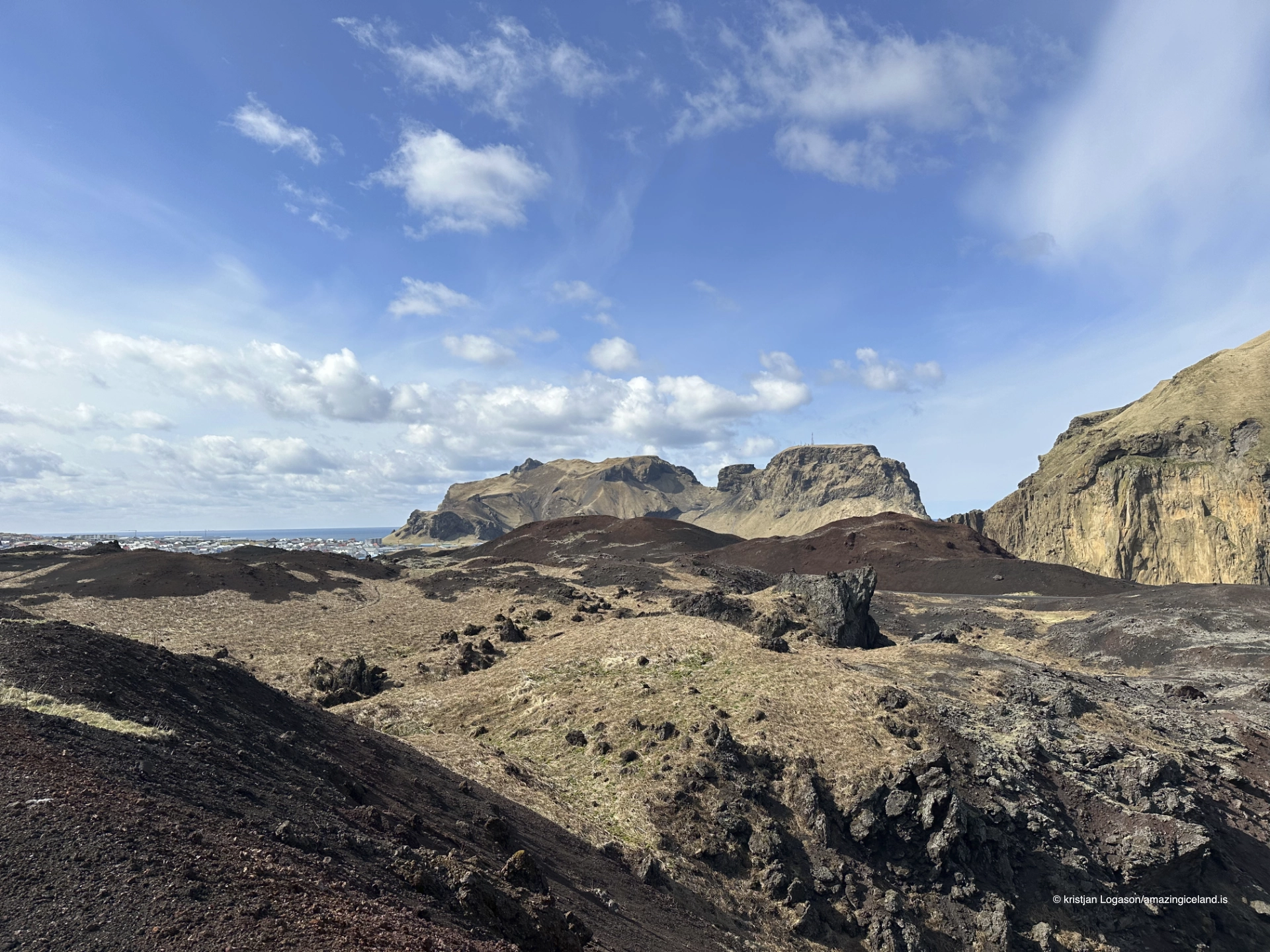
Vestmannaeyjar lies along the southern volcanic system of Iceland, associated with the Eastern Volcanic Zone. The islands are entirely volcanic in origin, formed by submarine and subaerial eruptions over the past several thousand years. Basalt dominates the geology, expressed in steep cliffs, lava fields, and crater formations.
The archipelago’s youngest island, Surtsey, emerged during an eruption between 1963 and 1967. Surtsey is internationally significant as a natural laboratory for primary ecological succession and is protected as a UNESCO World Heritage Site. Access is strictly controlled for scientific research.
This ongoing volcanic activity defines Vestmannaeyjar not as a static coastal formation, but as an evolving system.
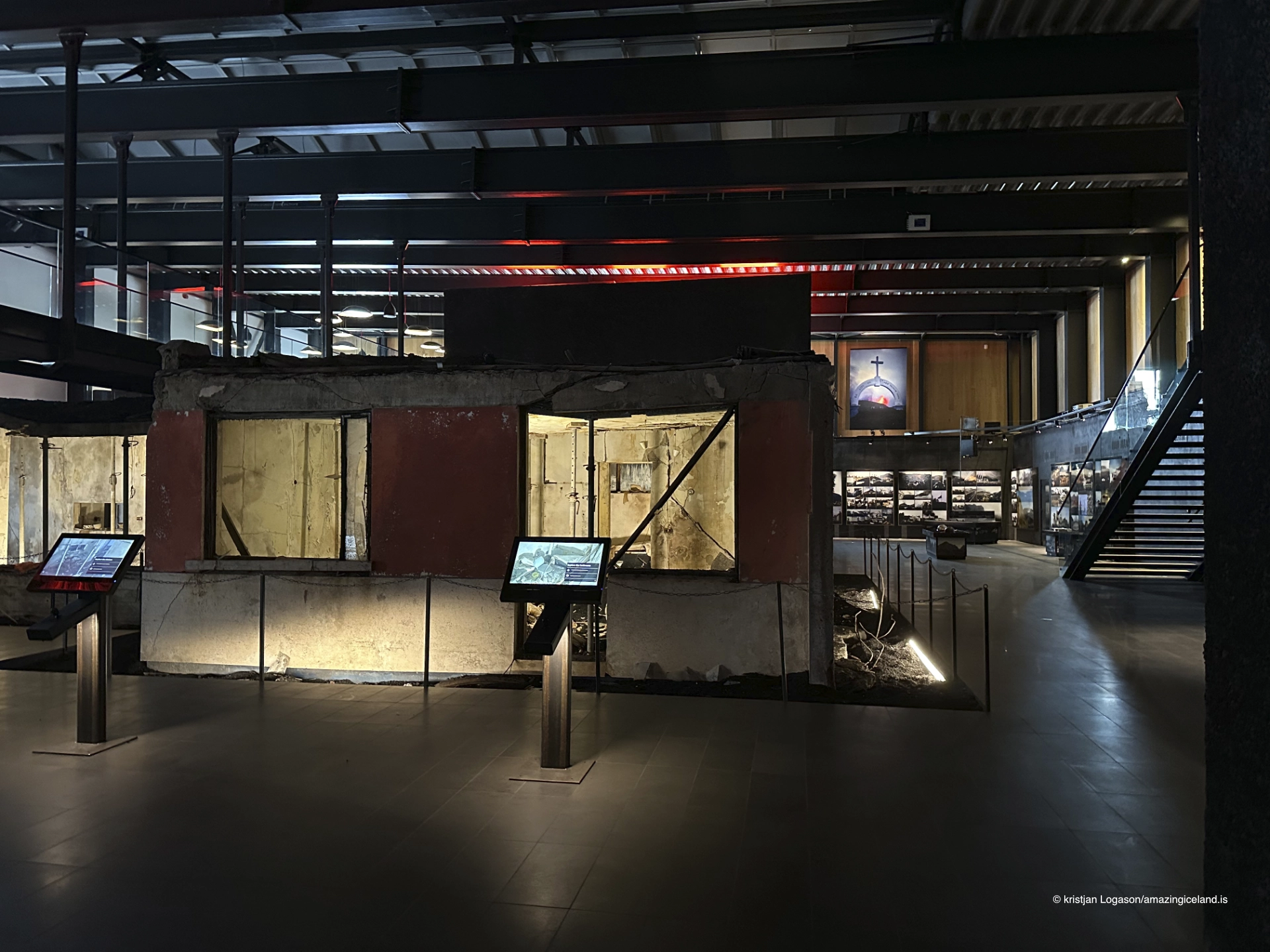
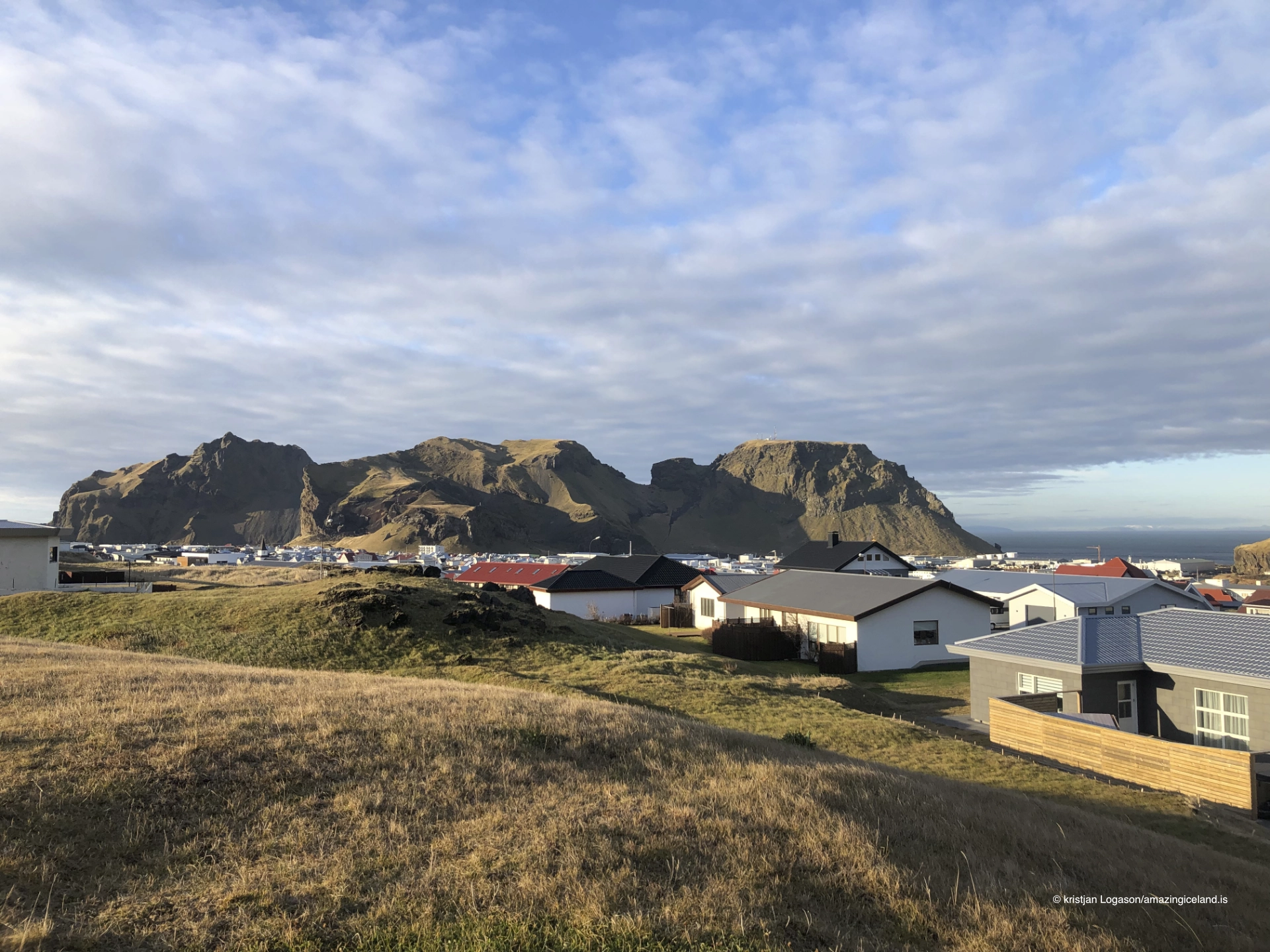
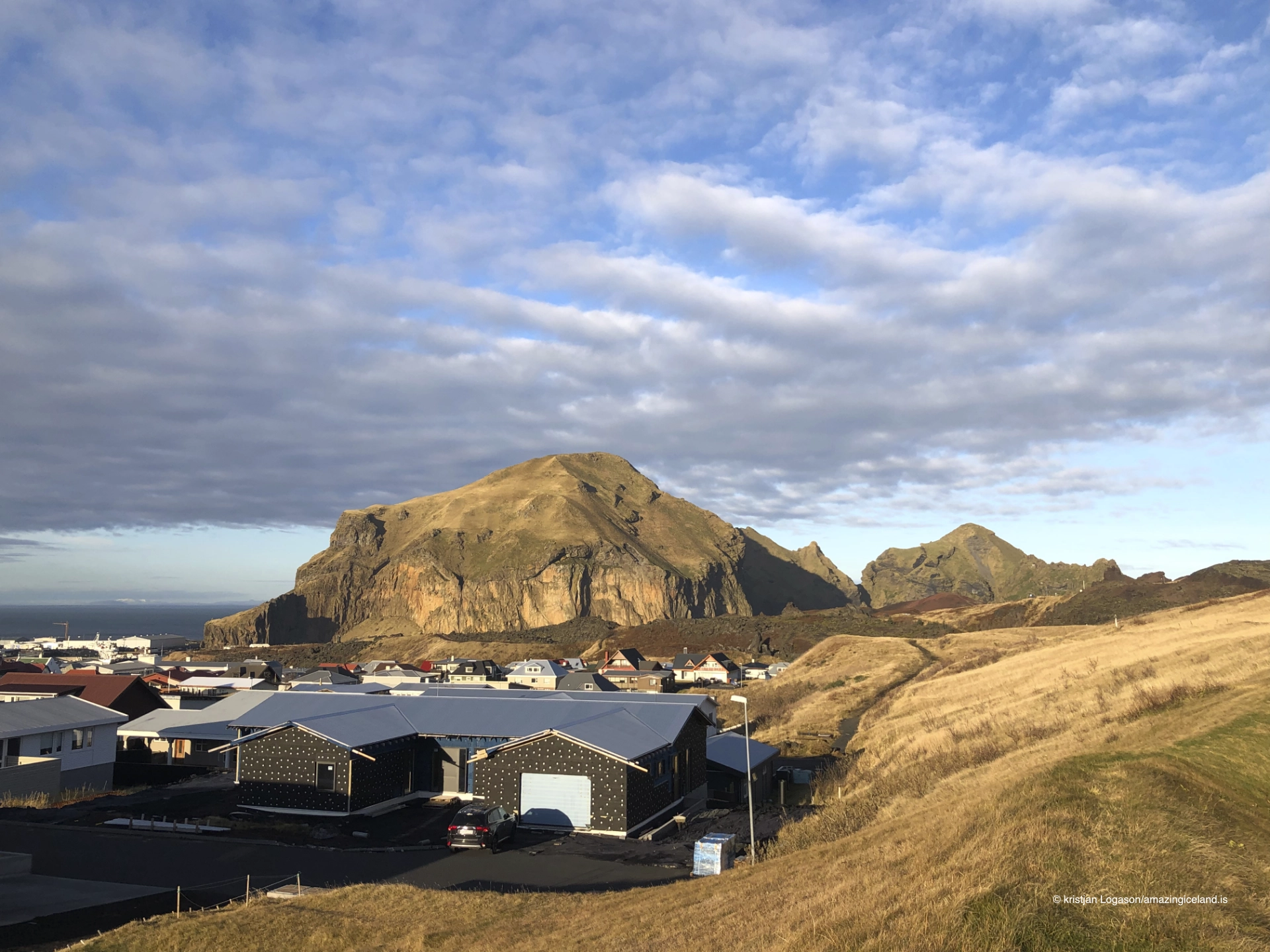
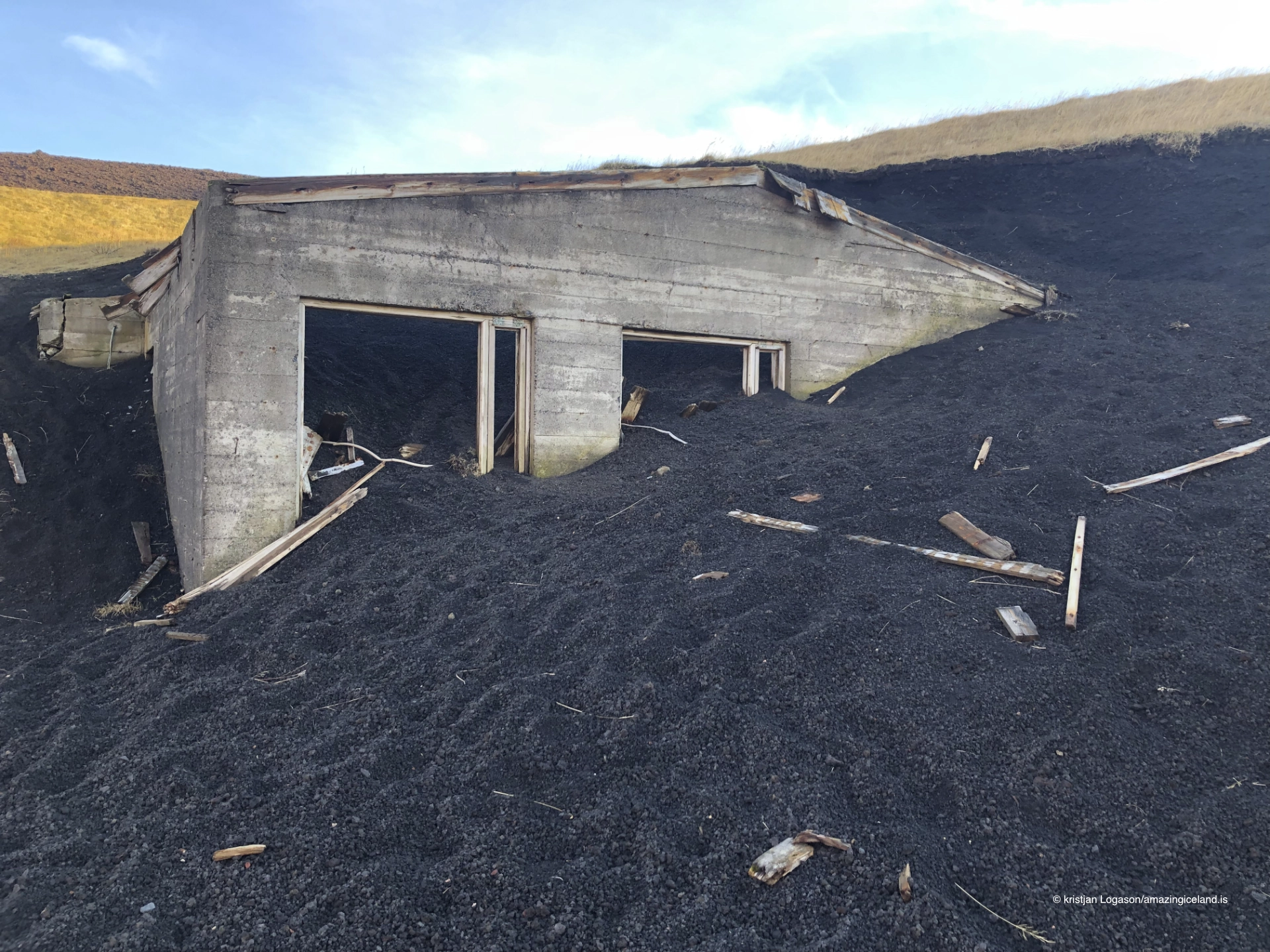
The most defining modern event in Vestmannaeyjar’s history occurred in January 1973, when an eruption began on Heimaey at the fissure that formed Eldfell. Lava advanced toward the harbor, threatening the island’s economic lifeline. Approximately 5,000 residents were evacuated overnight.
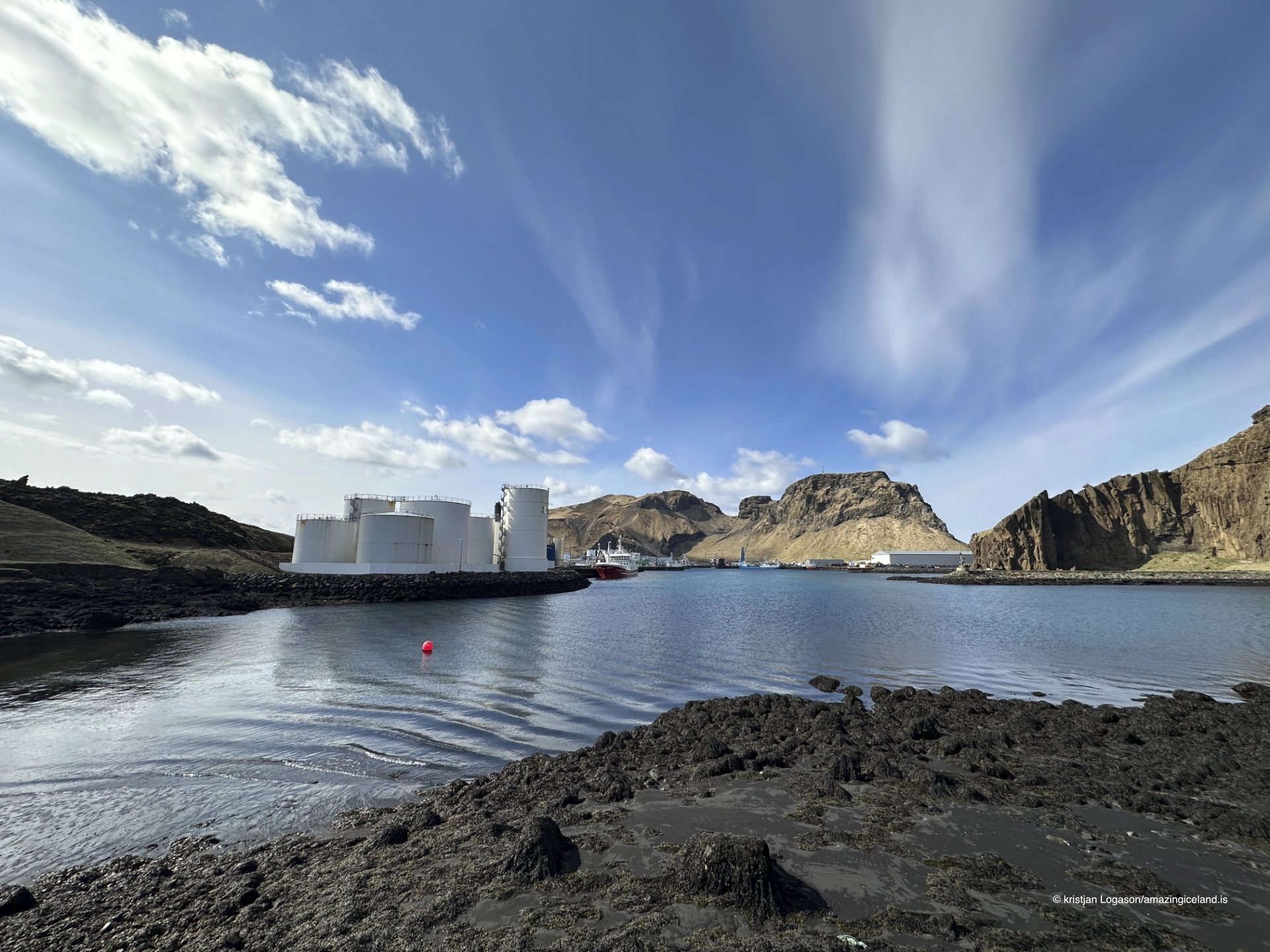
The eruption lasted about five months. Through an unprecedented effort, seawater was pumped onto advancing lava flows in an attempt to slow and redirect them. This intervention helped preserve the harbor, though hundreds of homes were destroyed.
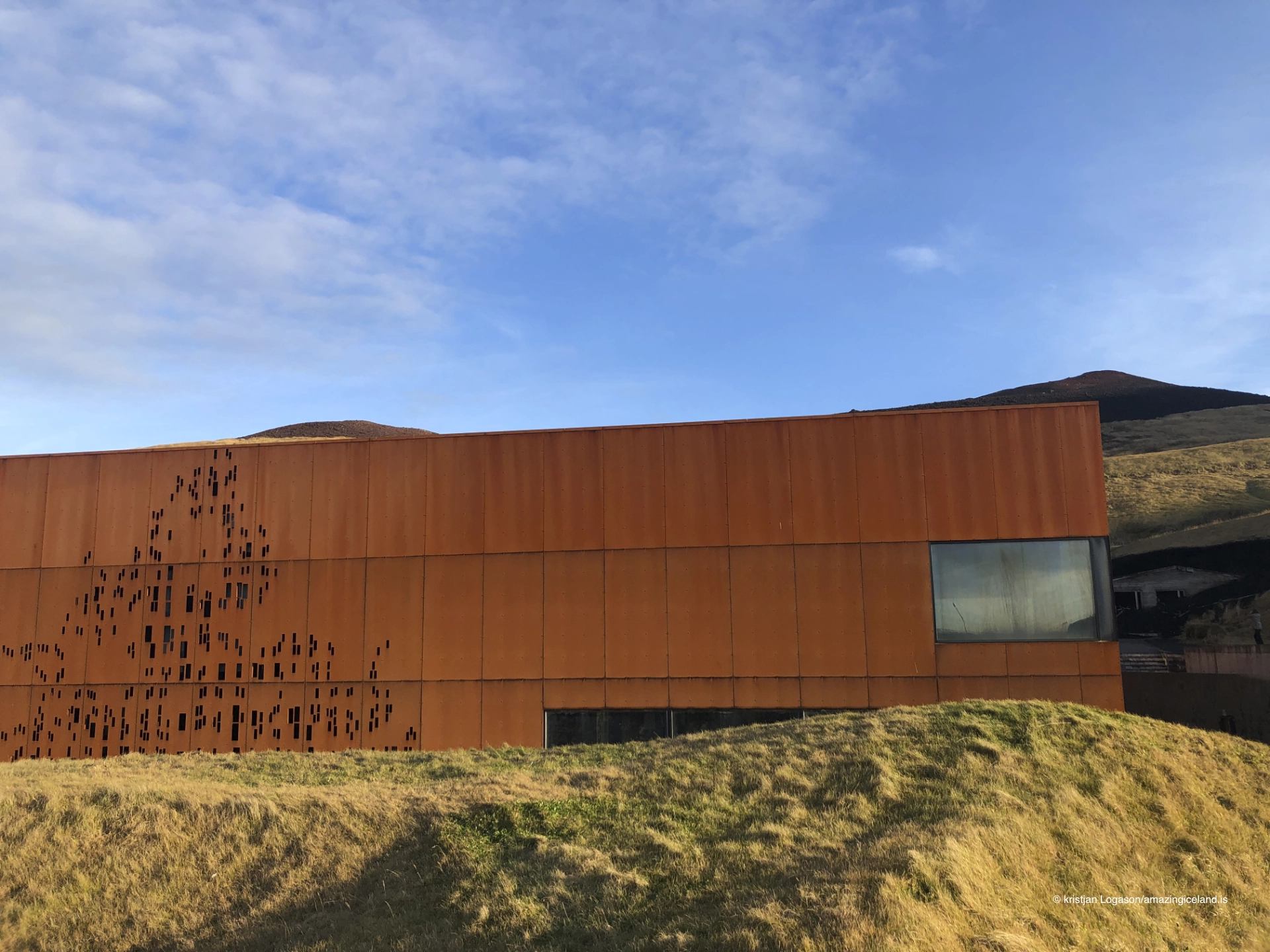
Eldfell remains visible today as a distinct volcanic cone above the town, a direct reminder that Vestmannaeyjar is geologically active within historical time.
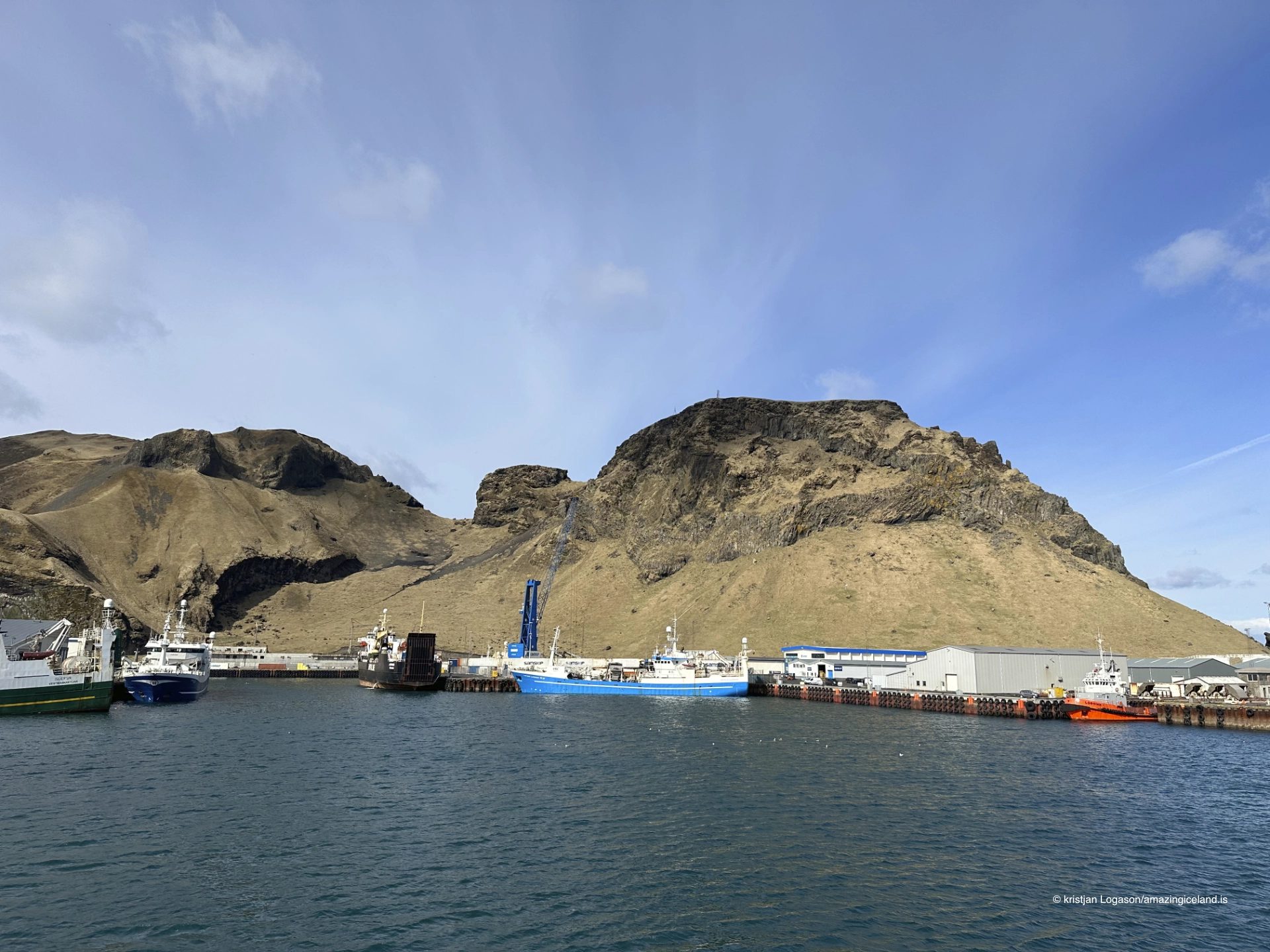
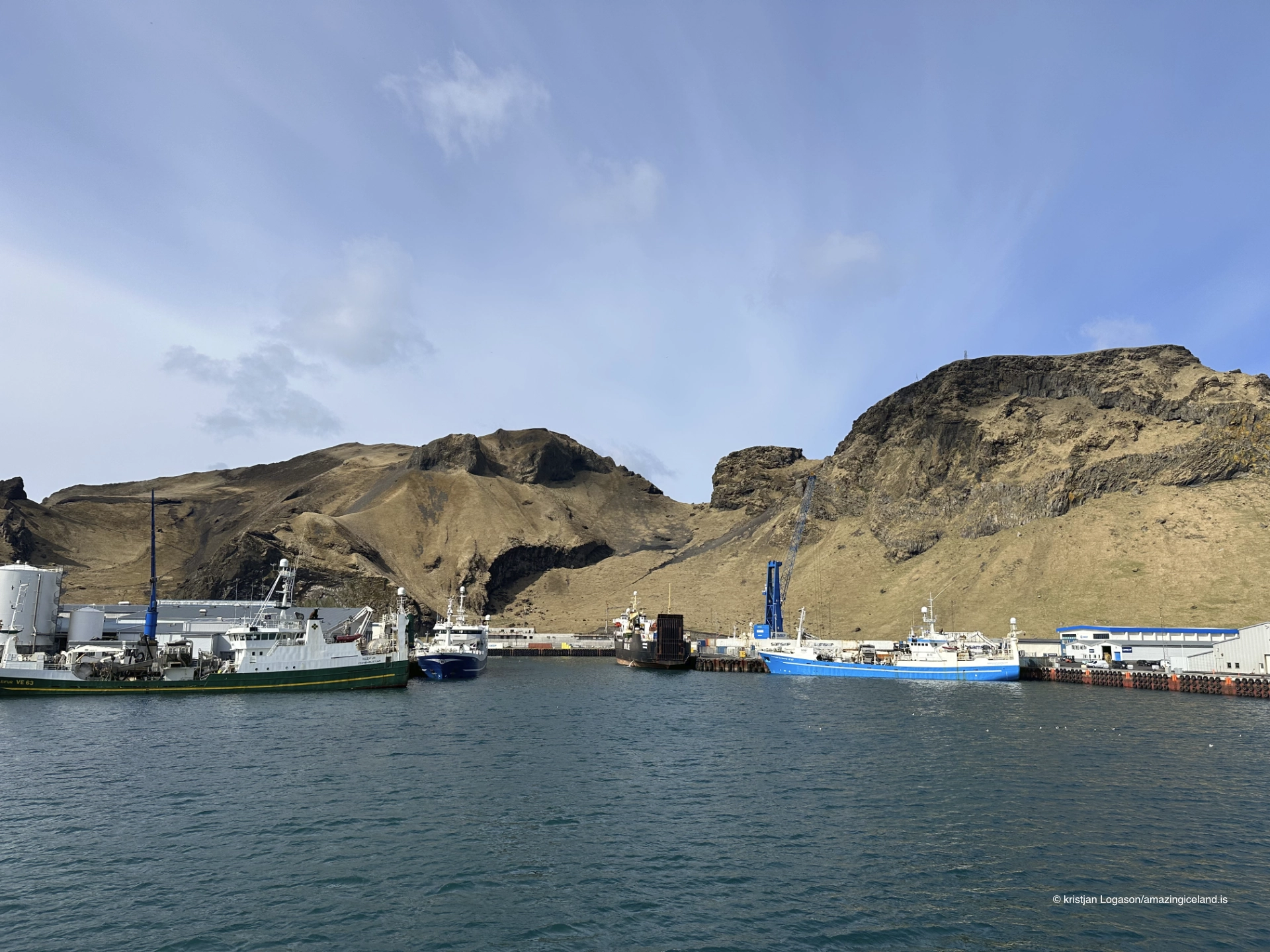
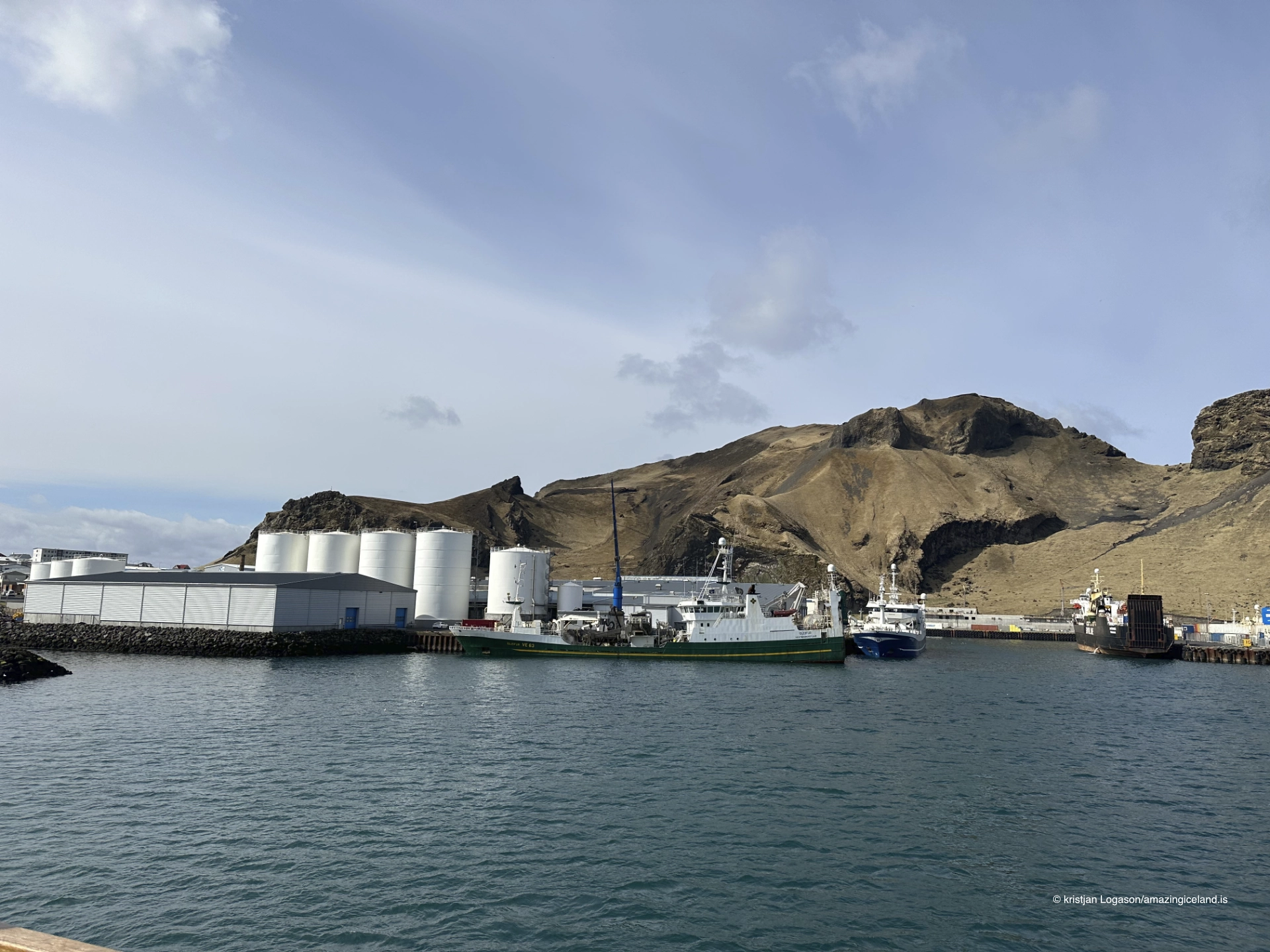
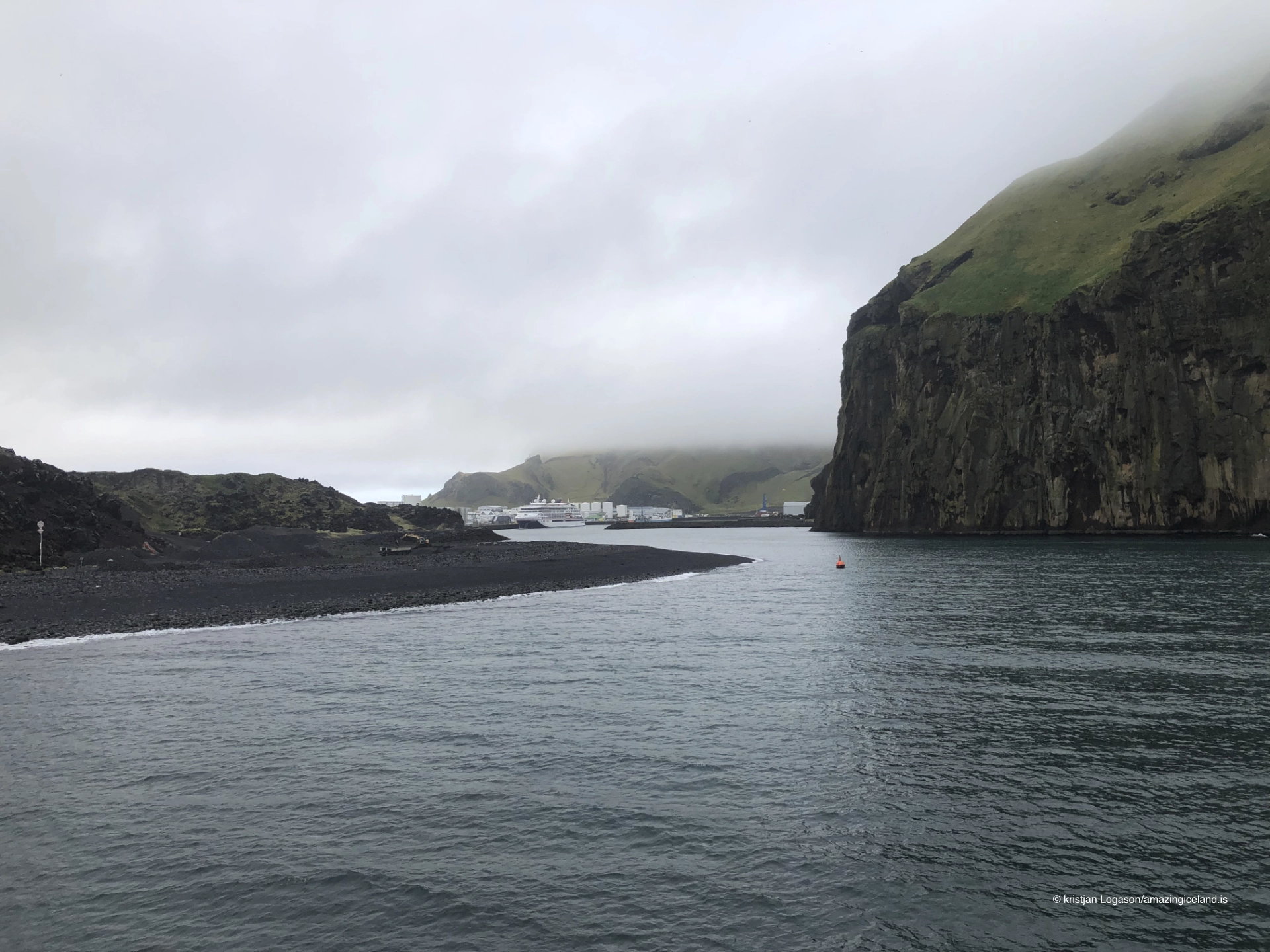
Heimaey’s settlement predates the 1973 eruption by centuries. The islands have long supported fishing communities due to rich surrounding waters. The harbor—protected by natural formations and later enhanced by lava from the eruption—remains the economic core of the islands.
The name Vestmannaeyjar translates to “Islands of the Westmen,” referring to Irish monks or settlers (the “Westmen” from a Norse perspective) associated with early settlement history. This linguistic layer reflects the islands’ position within broader North Atlantic movement.
Maritime dependence continues to define daily life. Weather, sea conditions, and ferry access remain determining factors in connectivity to mainland Iceland.
Ecologically, Vestmannaeyjar is internationally important for seabird populations. The islands host one of the largest Atlantic puffin colonies in the world, along with fulmars, guillemots, and other cliff-nesting species. The steep basalt cliffs provide optimal nesting habitat protected from terrestrial predators.
The contrast between volcanic barrenness and biological abundance is pronounced. Vegetation colonizes older lava flows gradually, while freshly formed surfaces remain sparse for decades.
This dynamic interplay between geological youth and ecological succession is most clearly observable on Surtsey, though similar processes occur across the archipelago.
Vestmannaeyjar ultimately represents Iceland in concentrated form: active volcanism, maritime survival, ecological adaptation, and cultural resilience within a confined geography. Unlike mainland landscapes shaped by distant eruptions, the islands demonstrate direct, lived interaction with volcanic events.
Interesting facts:
- Vestmannaeyjar consists of approximately 15 islands and numerous skerries.
- Only Heimaey is permanently inhabited.
- The 1973 Eldfell eruption reshaped the town and harbor.
- Surtsey (1963–1967) is one of the world’s best-studied volcanic islands.
- The archipelago hosts one of the largest Atlantic puffin colonies globally.
Image Gallery

The Locomotive Elite
What do Donald Trump and Iceland’s Locomotive Elite have in common?
Far more than you think.
In The Locomotive Elite, you’ll uncover how a tiny clique in Iceland captured extensive control—of banks, courts, media, and even the central bank.
For decades they ruled, first democratically, then through corruption and in the end through crime, enriching themselves and their cronies while dismantling oversight.
The result?
One of the most spectacular financial collapses in modern history.
Photography tips:
- Use elevation: Climb Eldfell for structural overview of town and lava.
- Cliff composition: Seabird colonies define vertical scale.
- Neutral volcanic tones: Avoid over-saturating lava fields.
- Weather context: Wind and cloud reinforce maritime character.
- Include harbor lines: Human resilience is part of the story.
Good cameras for Iceland
Sony A7R V

Sony A7s lll

Canon R6

Nikon Z6 lll

Destinations nearby
Good to have in Iceland