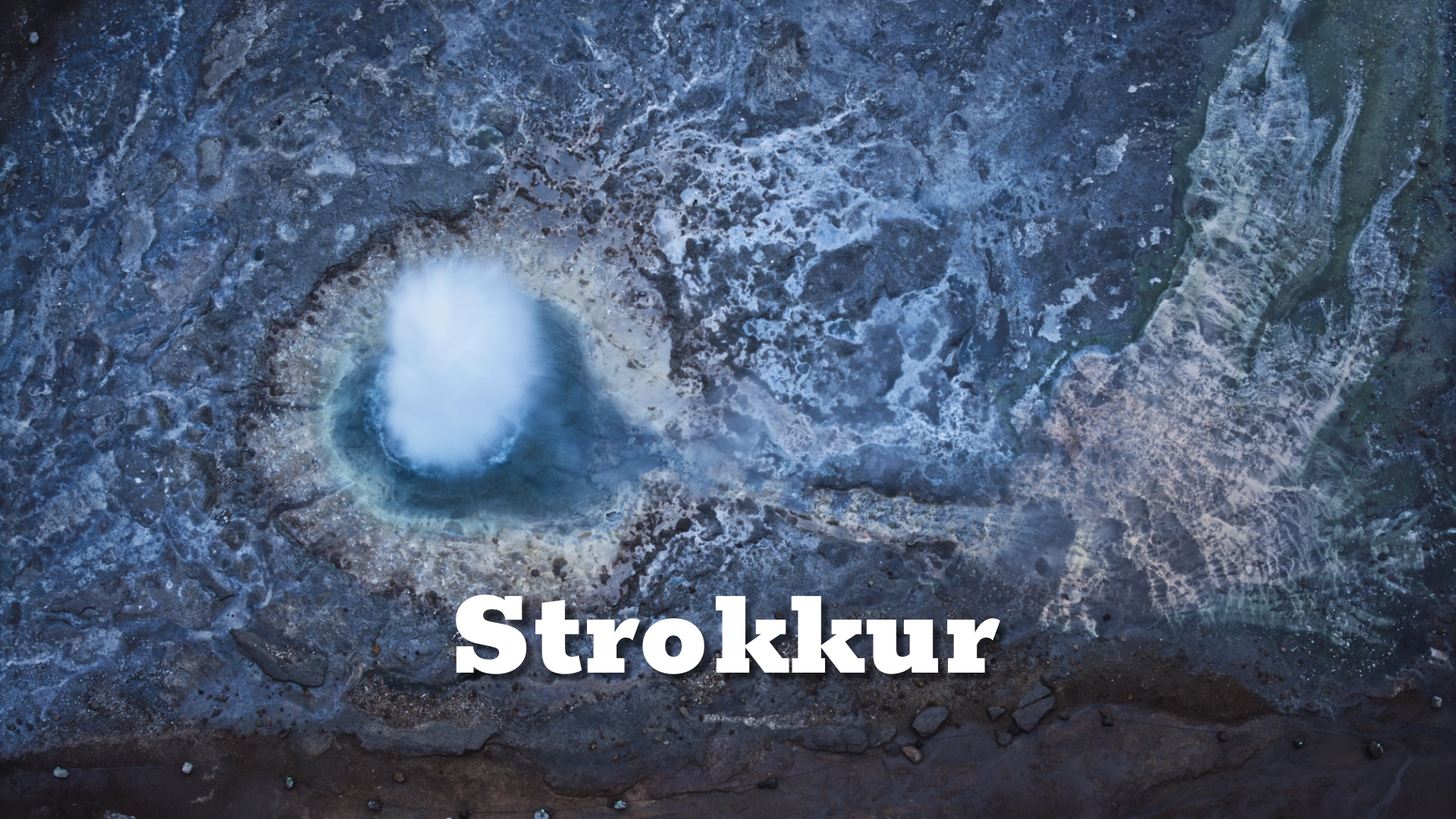
On the Golden Circle, few places translate Iceland’s deep heat into something you can see as clearly as Strokkur. Every several minutes, the pool domes, trembles, and releases—an eruption that is both predictable and scientifically fascinating. Set within the wider Geysir geothermal area in Haukadalur, Strokkur offers a concentrated encounter with the processes that shape Iceland: volcanism, groundwater circulation, and a landscape constantly rewritten by heat and chemistry.
The location of Strokkur hot spring on Golden circle
Latitude
64.3104
Longitude
-20.3024
Strokkur hot spring on Golden circle
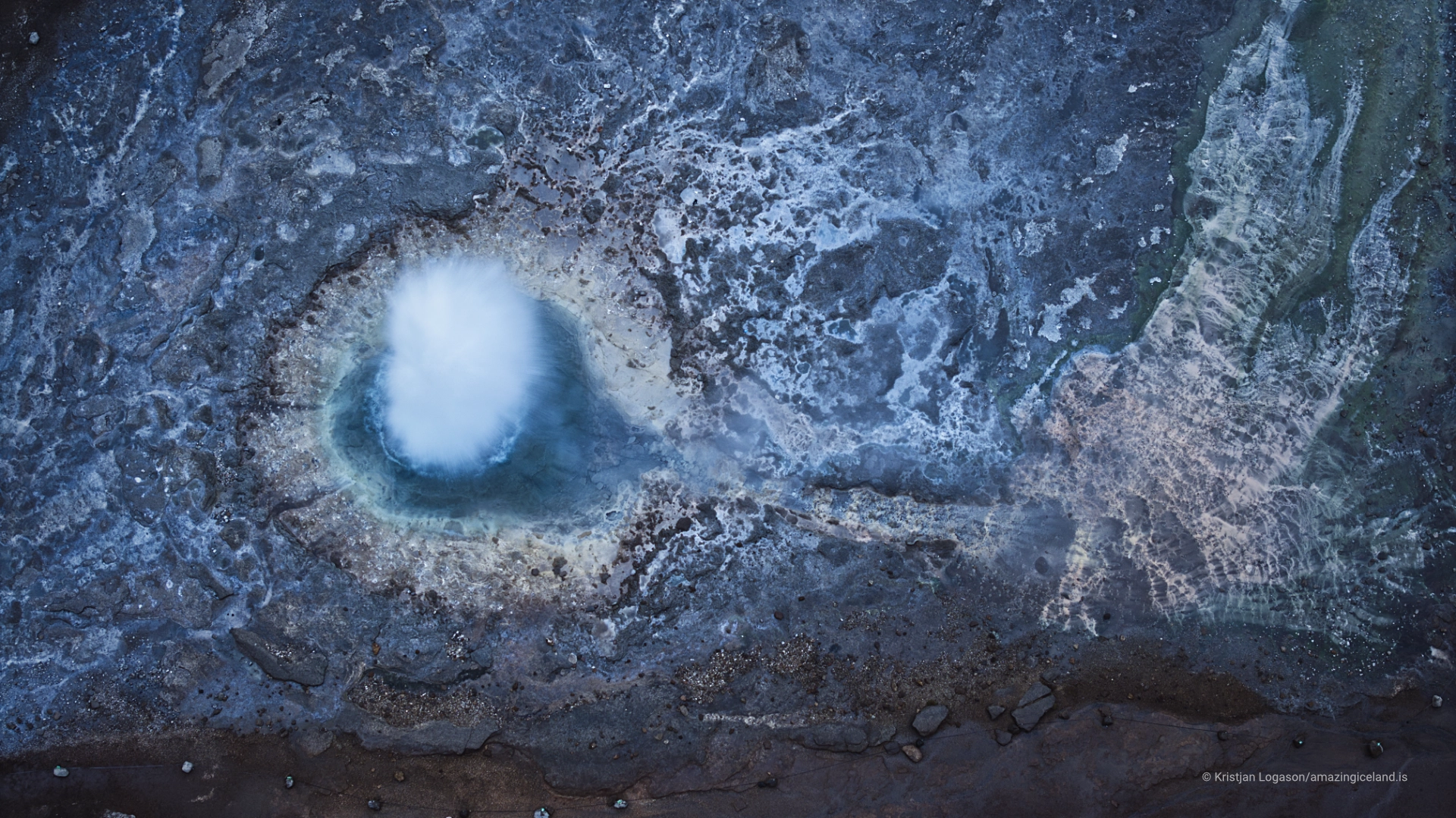
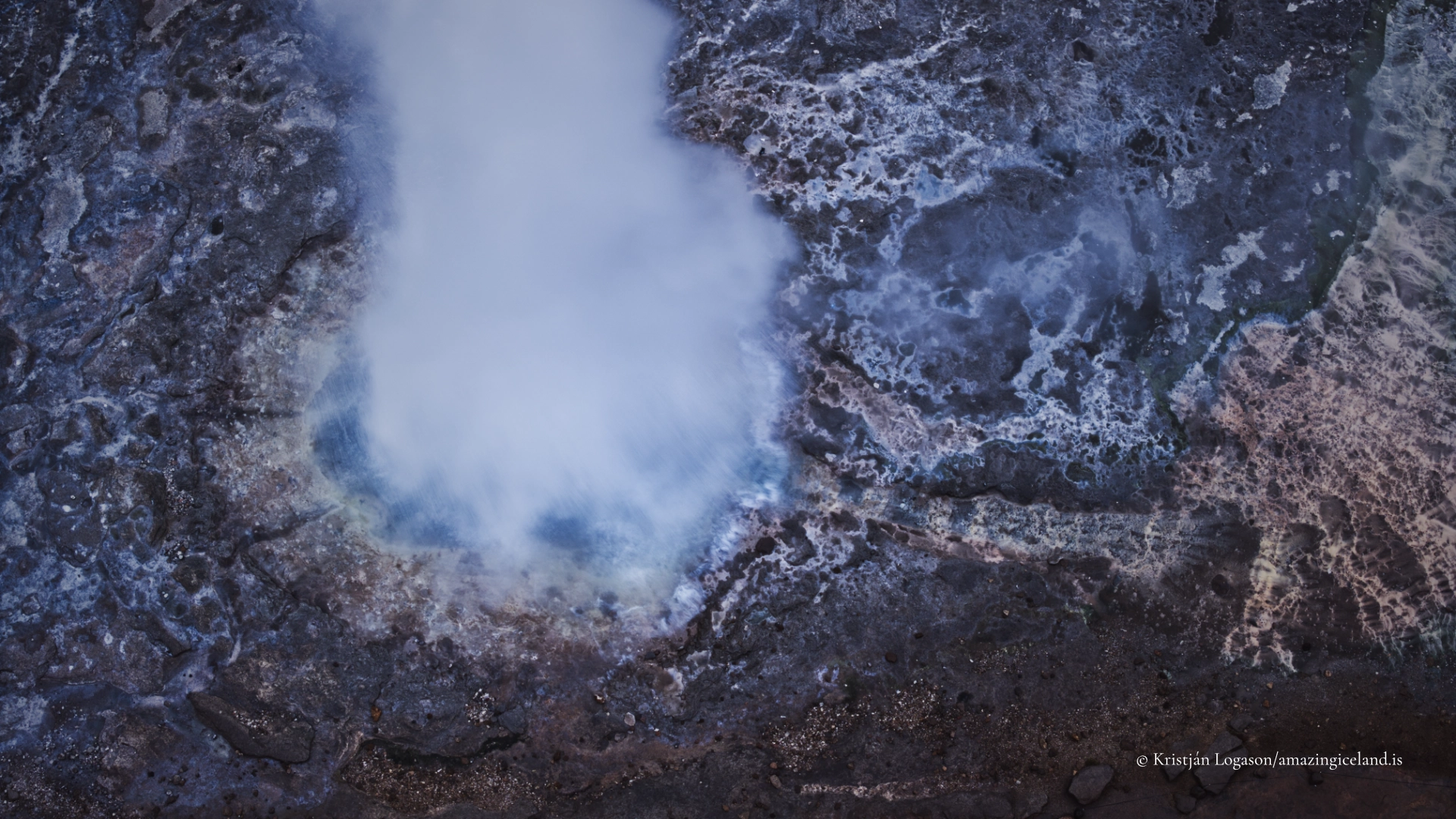
Strokkur is a fountain-type geyser in the Haukadalur valley geothermal area of southwest Iceland—one of the most accessible and frequently visited geothermal fields in the country, largely because Strokkur is remarkably consistent. In typical conditions it erupts about every 6–10 minutes, often sending water 15–20 meters into the air, with occasional higher eruptions reported up to around 40 meters. That repeatability is exactly what makes it such a strong field site for the curious traveler: you do not need luck, only patience measured in single-digit minutes.
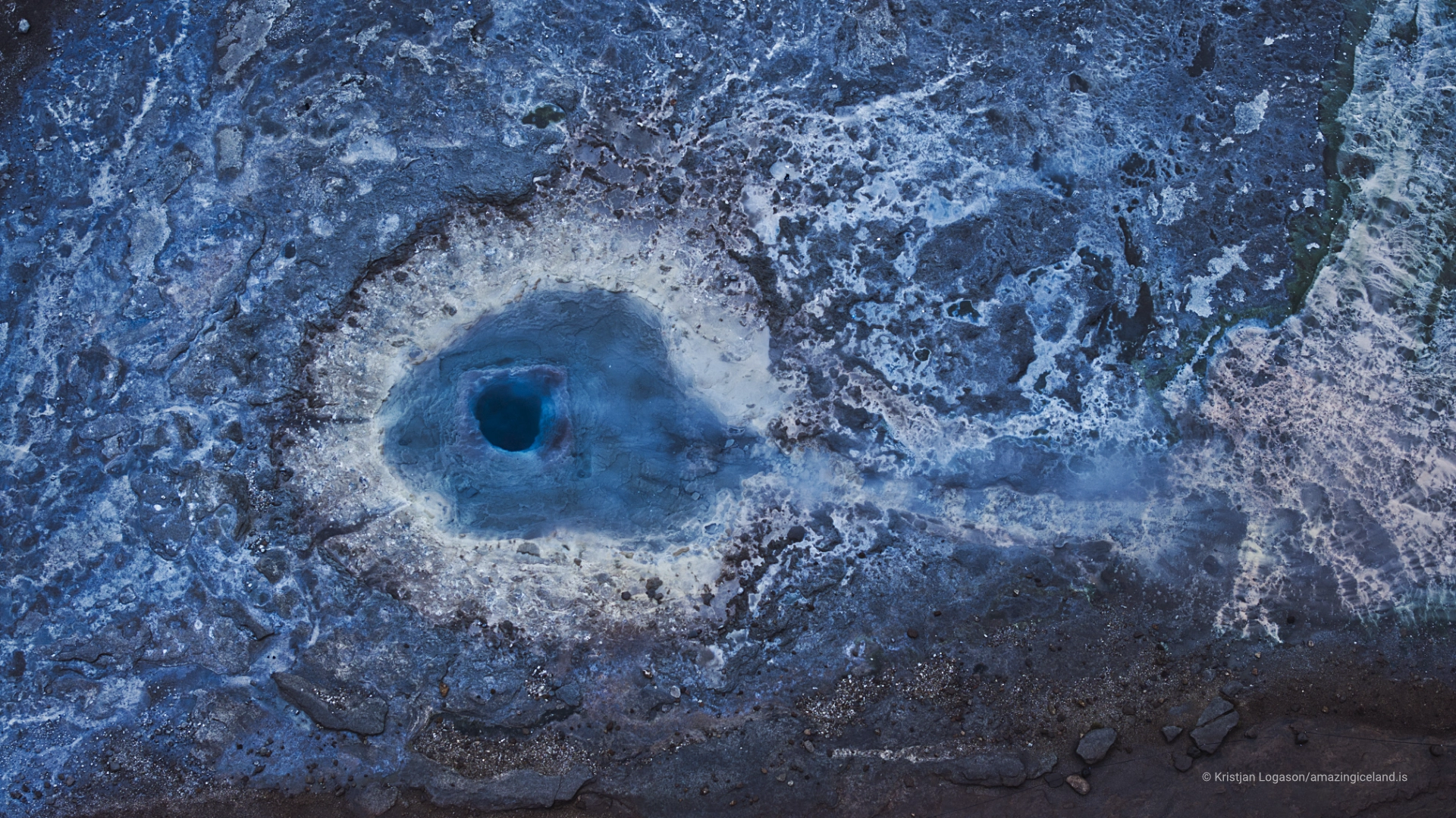
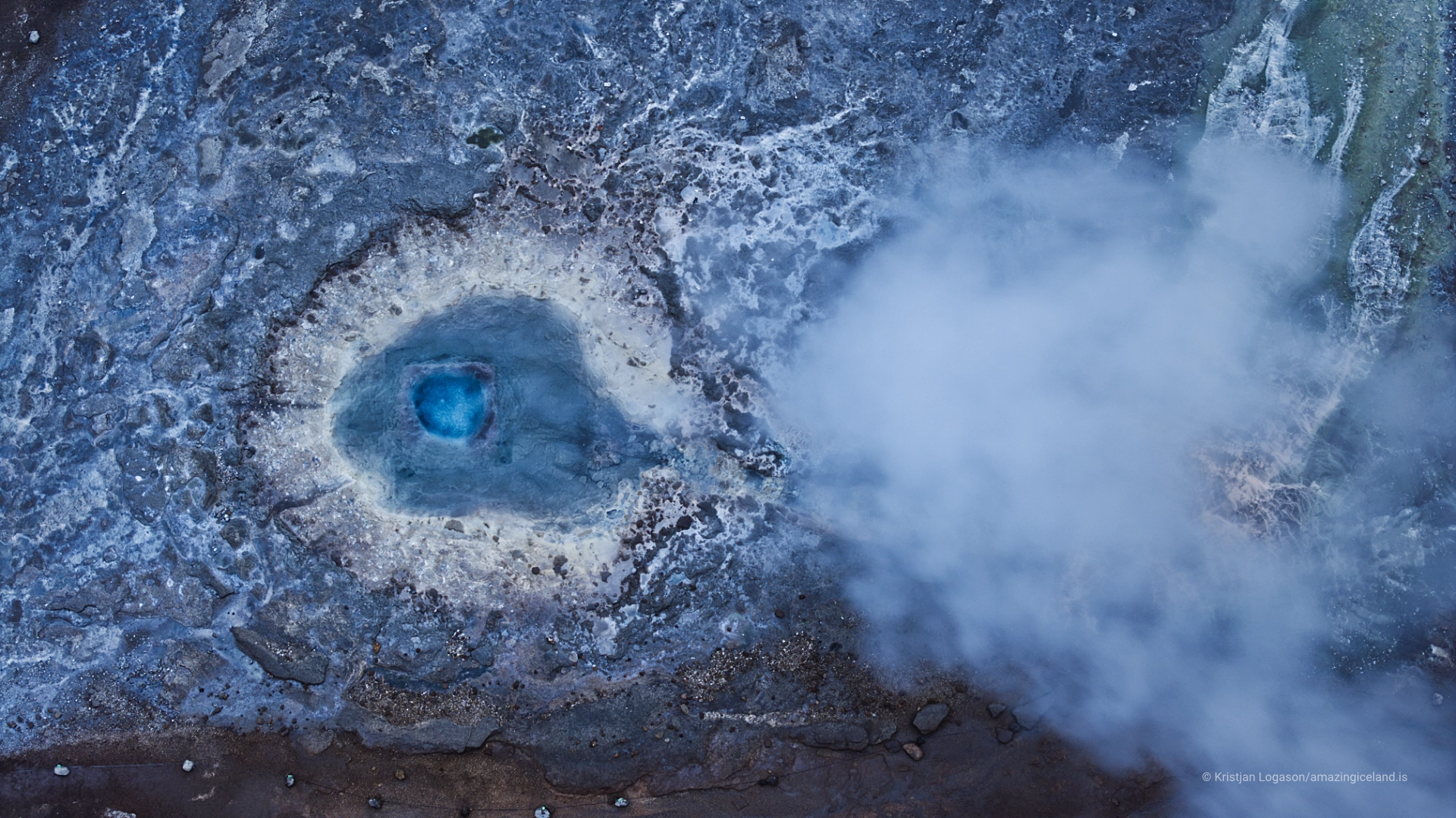
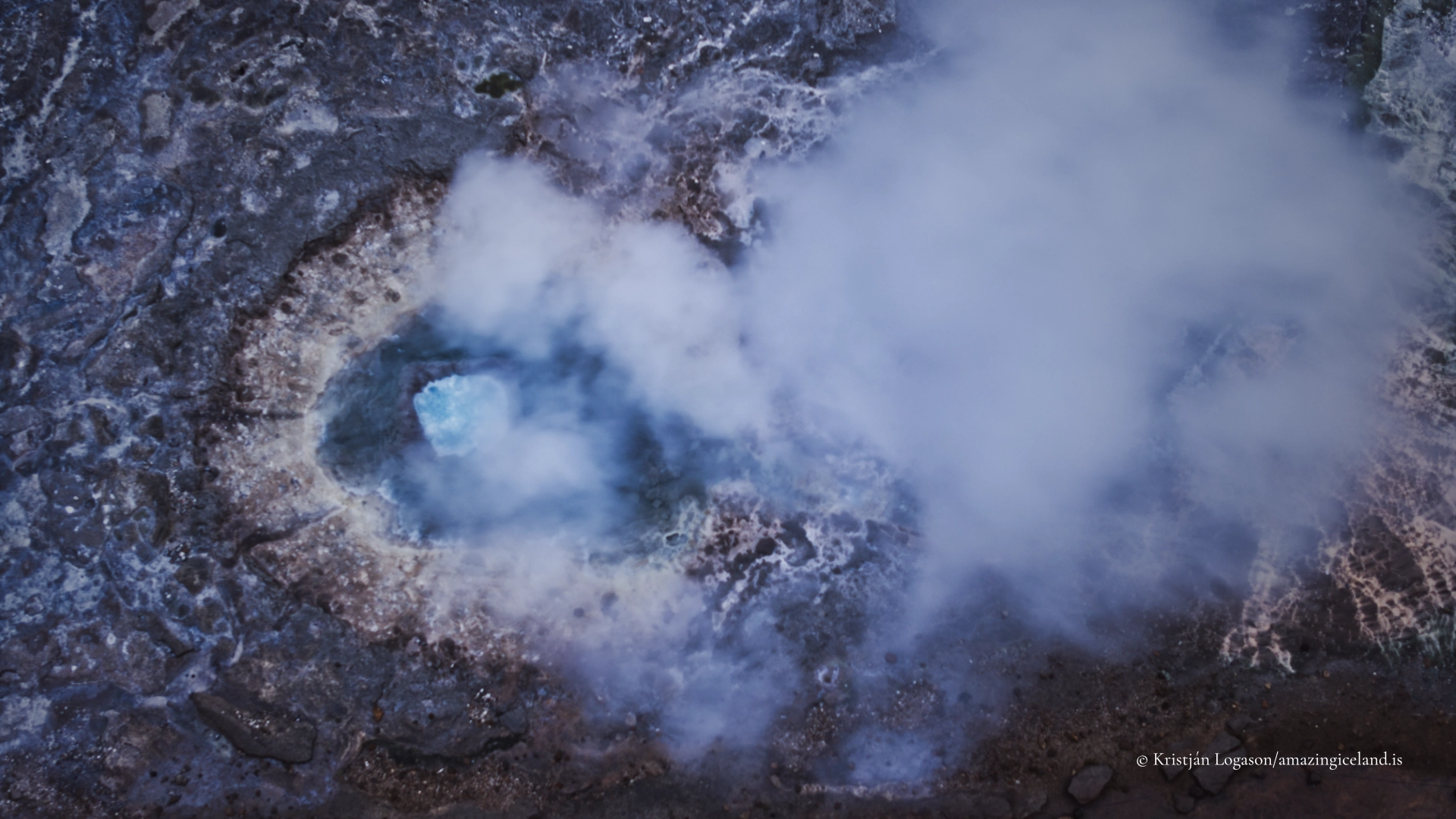
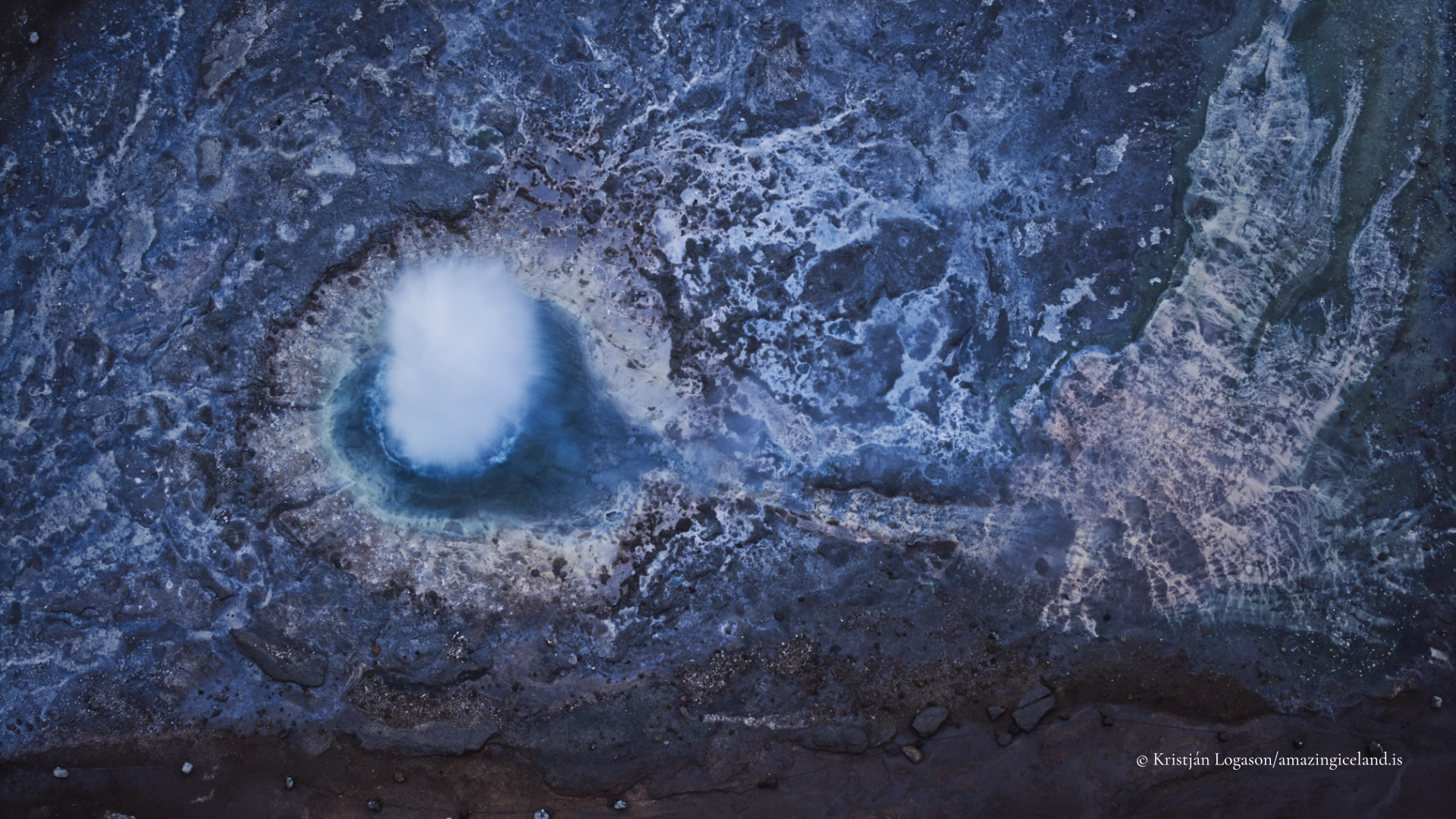
To understand what you are watching, it helps to treat Strokkur as a natural pressure system rather than a spectacle. Groundwater percolates downward through fractured bedrock and porous volcanic materials, entering zones heated by Iceland’s volcanism. At depth, water can exceed its normal surface boiling point because pressure increases with depth, allowing liquid water to become superheated. As heat continues to accumulate, steam bubbles begin forming; in a narrow conduit system, those bubbles can act like a piston—displacing water upward, lowering pressure in parts of the column, and triggering a rapid phase change. The result is the characteristic Strokkur sequence: a subtle rumble, a rising dome, and then a sudden release of water and steam.
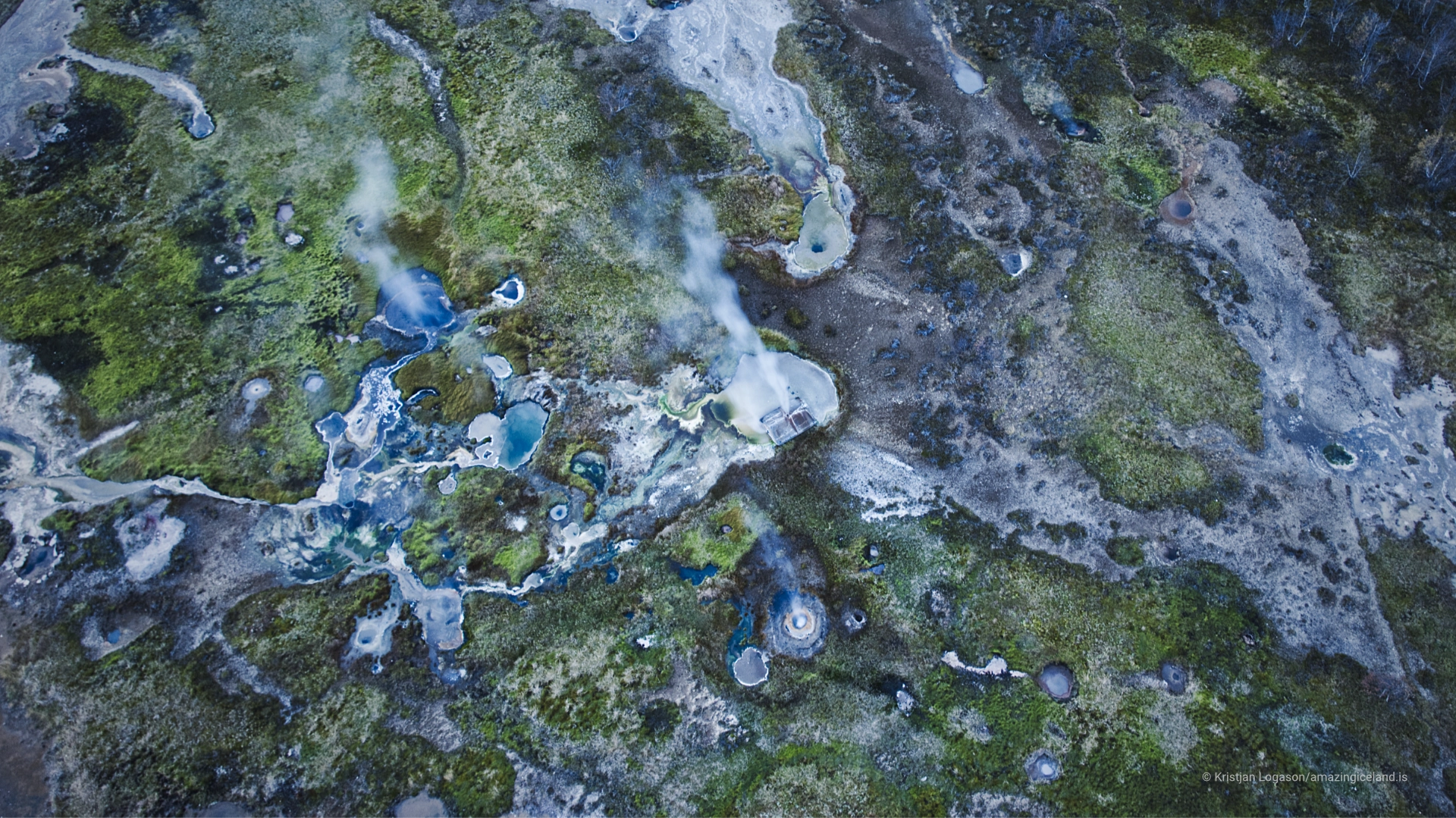
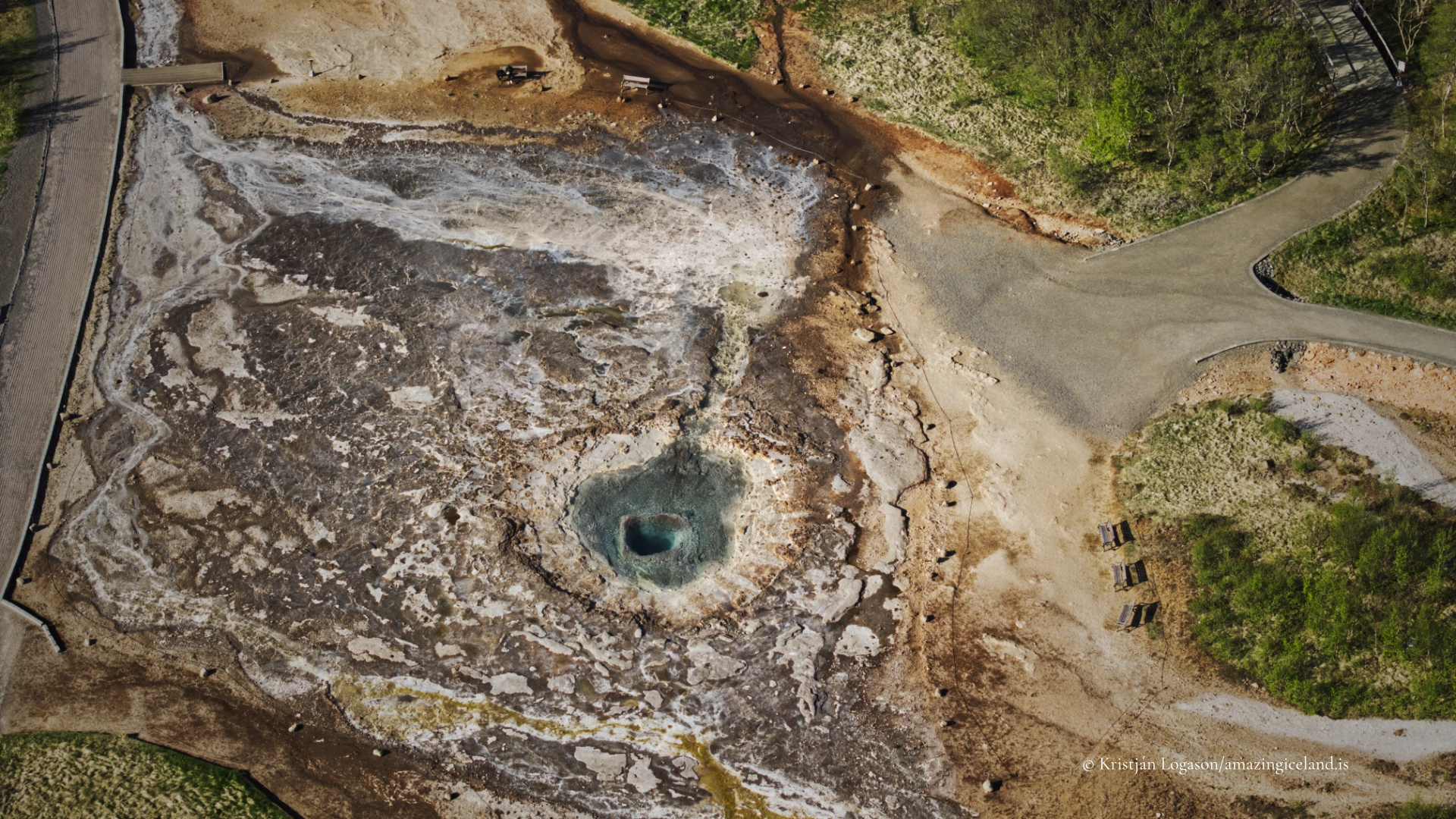
Haukadalur is not a single-feature destination, and that matters academically and visually. Geysers are rare because they require a very specific “plumbing” geometry—constrictions, chambers, and a steady water supply—plus a heat source that remains stable over time. In Haukadalur, that geothermal plumbing expresses itself not only through geysers, but also through fumaroles, hot springs, steaming ground, and mineral deposition. Even where you are not seeing an eruption, you are seeing evidence of ongoing hydrothermal alteration: silica-rich deposits, iron staining, and microbial communities that thrive in heat. This broader context is one reason the area remains important culturally and scientifically: it is a compact landscape where deep Earth energy becomes legible at human scale.
Strokkur’s fame is tied to the wider “Geysir” identity—so much so that many visitors refer to the entire area simply as Geysir, even though the Great Geysir itself is often dormant or irregular. The linguistic and historical footprint is real: the word “geyser” in multiple languages traces back to Iceland’s Geysir, a reminder that this valley is not merely a stop on a driving loop but a reference point in the global vocabulary of geothermal science and tourism. Strokkur, located close to Geysir within the same field, effectively carries the visitor experience today because its eruption interval is short and reliable.
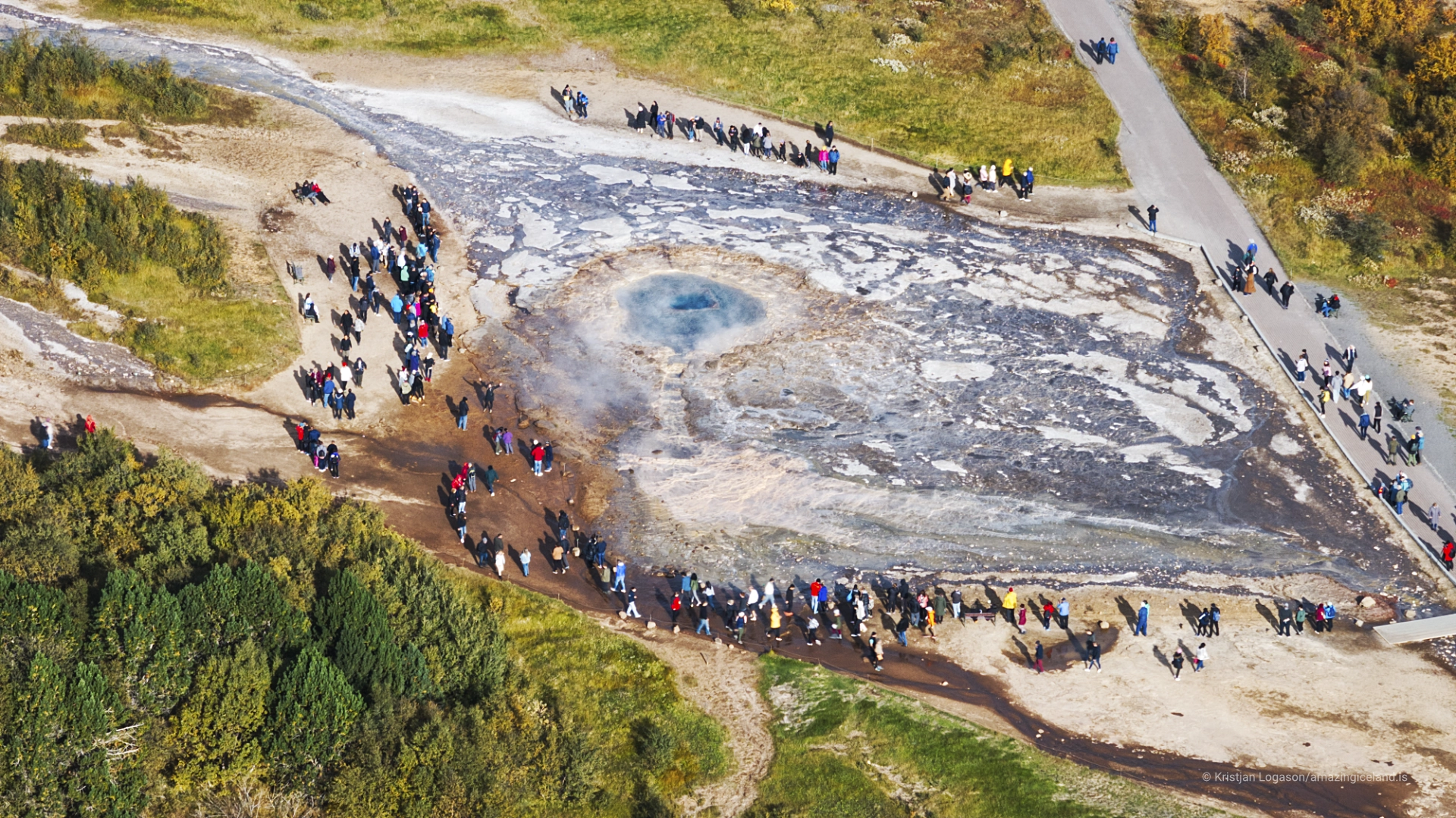
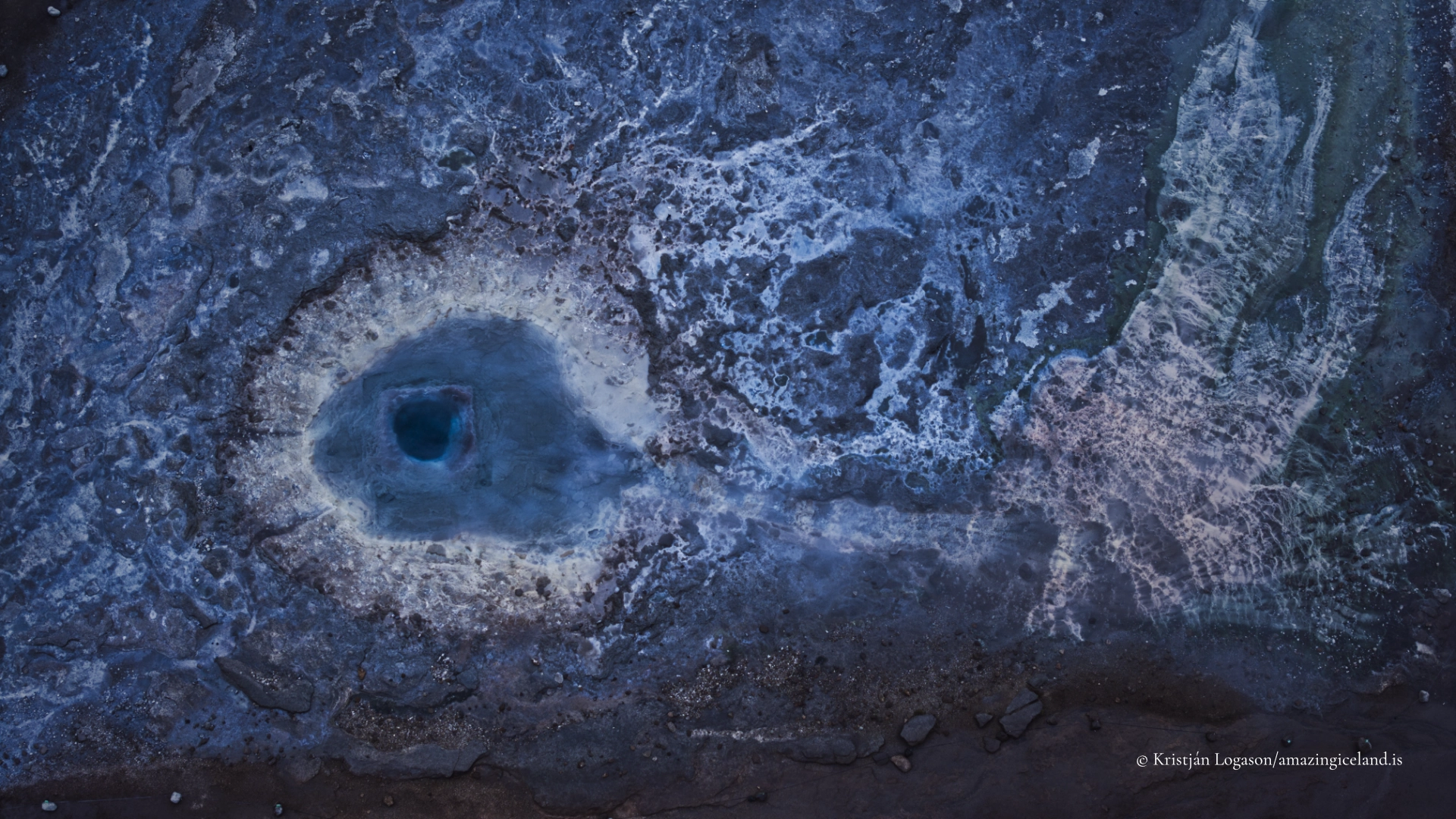
From a visitor-flow perspective, this reliability shapes how the site is experienced. People form a ring around the pool along designated paths, watching for the moment the surface tightens into that translucent blue dome. The anticipation is not incidental; it is part of the interpretive value. The repeating cycle allows you to observe variations between eruptions—sometimes a single strong jet, sometimes multiple pulses—without needing to understand every subsurface variable that changes from minute to minute. If you approach it with an academic mindset, you can treat each eruption as a “trial” in a natural experiment: similar boundary conditions, different outcomes, all within a system driven by heat transfer and pressure dynamics.
Temperature is another piece of the story that demands respect. Accounts for Strokkur commonly describe near-boiling surface temperatures (roughly 90–95°C), and substantially hotter water at depth due to pressure effects. This is not a hot spring for bathing; it is an industrial-grade thermal system expressed in the open air. The scientific point is straightforward: geothermal features are not only “hot,” they are thermally and chemically active, and their margins can be unstable. The visitor point is equally straightforward: remain on paths, respect barriers, and assume that any wet ground may be hot.
Seasonality changes the aesthetics more than the phenomenon. In summer, the geothermal colors and mineral tones sit beneath high light and long hours—useful for photography, but also for observing subtle steam patterns and surface movement on the pool. In winter, the contrast can become more dramatic: steam columns rise into cold air, edges frost over, and the ground’s warmth becomes visible as a thin hovering haze. The eruptions continue, but the atmosphere around them becomes part of the subject—an interaction between geothermal heat and Icelandic weather.
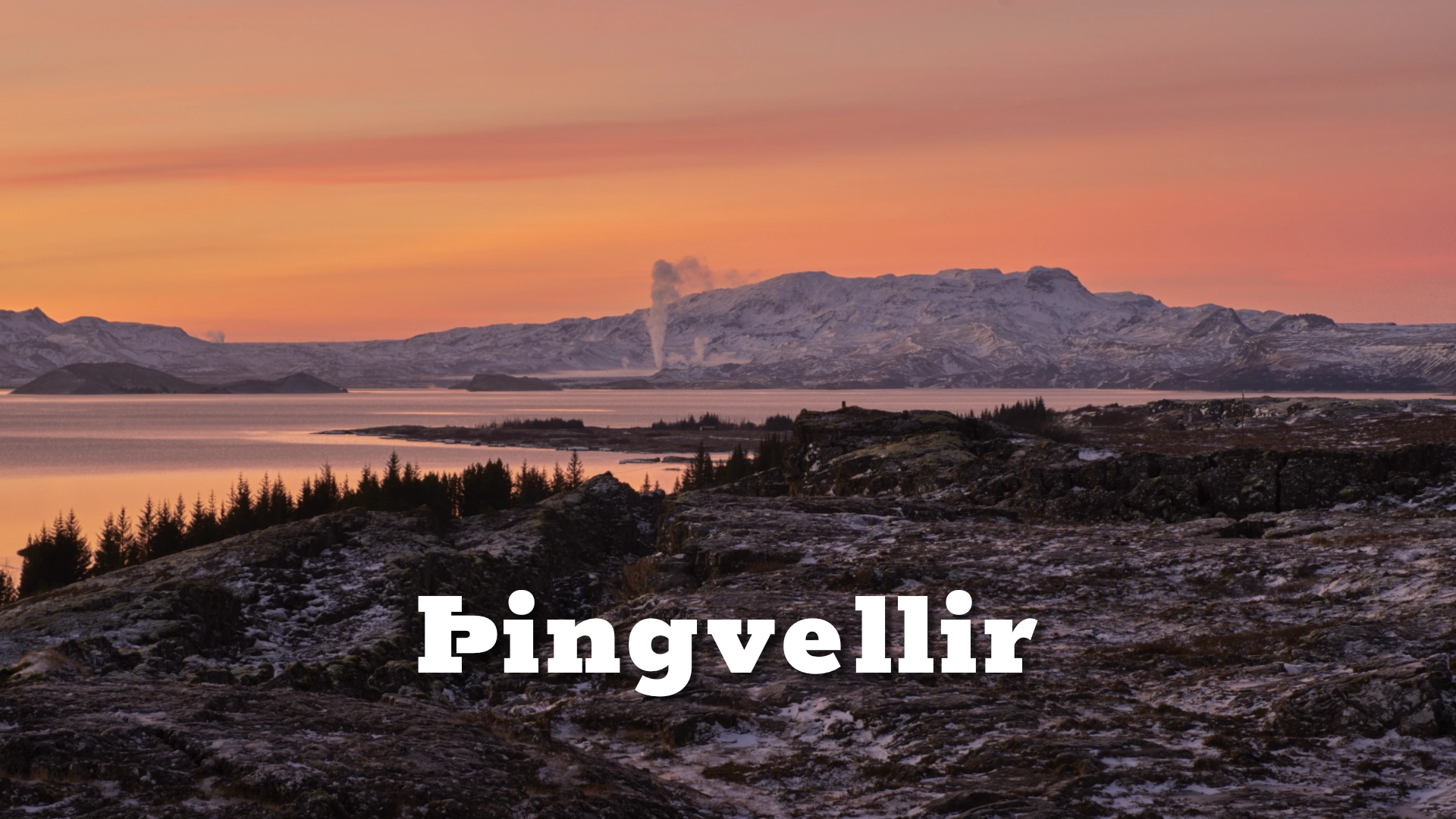
Strokkur’s location on the Golden Circle also makes it a practical “anchor stop” between Þingvellir and Gullfoss, but that convenience can compress the experience into a rushed checklist. If you want it to land with the depth it deserves, treat the site as more than the eruption platform. Walk the looped paths through the geothermal field and read the landscape: the way vegetation retreats from heat, the way mineral crusts form where water cools and precipitates dissolved silica, and the way steam vents punctuate the valley like breathing points. In academic terms, this is a surface expression of a hydrothermal system; in traveler terms, it is Iceland being honest about what sits underneath it.
Finally, Strokkur is an instructive reminder of scale. The eruption feels theatrical, yet it is powered by ordinary physical laws—heat transfer, fluid flow, phase change—operating in a geological setting that provides the right architecture. That combination is why geysers are uncommon globally, and why Iceland’s geothermal valleys are so valuable as natural laboratories. Strokkur is not “random magic.” It is repeatable Earth science, performed in public every few minutes.
Interesting facts:
- Type: Strokkur is a fountain geyser, meaning it erupts in bursts from a pool rather than a cone-shaped spout.
- Eruption frequency: commonly about 6–10 minutes (often cited as roughly 4–10 minutes in visitor guidance).
- Typical height: about 15–20 m, with occasional eruptions up to ~40 m.
- Setting: part of the Haukadalur geothermal area, near the Great Geysir.
- Temperature context: surface waters are commonly described as near boiling, with hotter water at depth due to pressure.
Image Gallery

The Locomotive Elite
What do Donald Trump and Iceland’s Locomotive Elite have in common?
Far more than you think.
In The Locomotive Elite, you’ll uncover how a tiny clique in Iceland captured extensive control—of banks, courts, media, and even the central bank.
For decades they ruled, first democratically, then through corruption and in the end through crime, enriching themselves and their cronies while dismantling oversight.
The result?
One of the most spectacular financial collapses in modern history.
Photography tips:
- Shoot the “dome” phase: The most distinctive Strokkur moment is often before the blast—the glassy blue bubble. Use a fast shutter and shoot in short bursts as the dome rises.
- Lens strategy: A moderate wide (to include people/landscape) plus a short telephoto (to isolate the water column and texture) covers the story without constant swapping.
- Wind discipline: Watch wind direction; it shapes the plume and can push spray toward you and your front element. Bring a microfiber cloth and expect to use it.
- Narrative frames: Don’t only photograph the eruption. Document the geothermal field: steam vents, mineral colors, sinter textures, and footpath geometry—these provide the academic “context shots” your article style benefits from.
- Winter advantage: In cold conditions, steam becomes more visible and layered—excellent for depth and atmosphere. Expose carefully to preserve highlight detail in white steam and water.
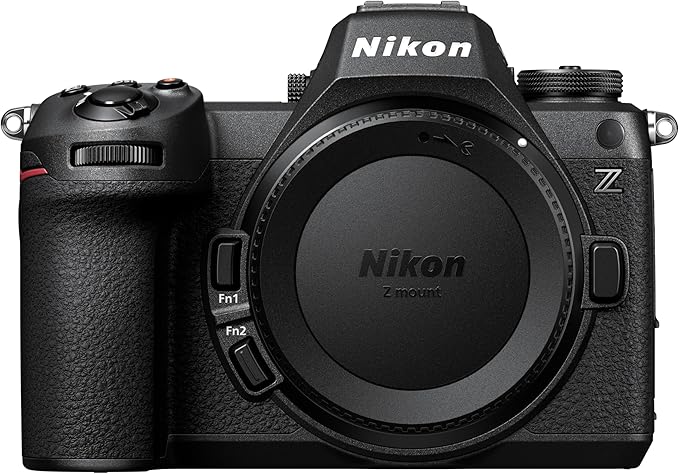
Good cameras for Iceland
Sony A7R V

Sony A7s lll

Canon R6

Nikon Z6 lll
Destinations nearby
Good to have in Iceland