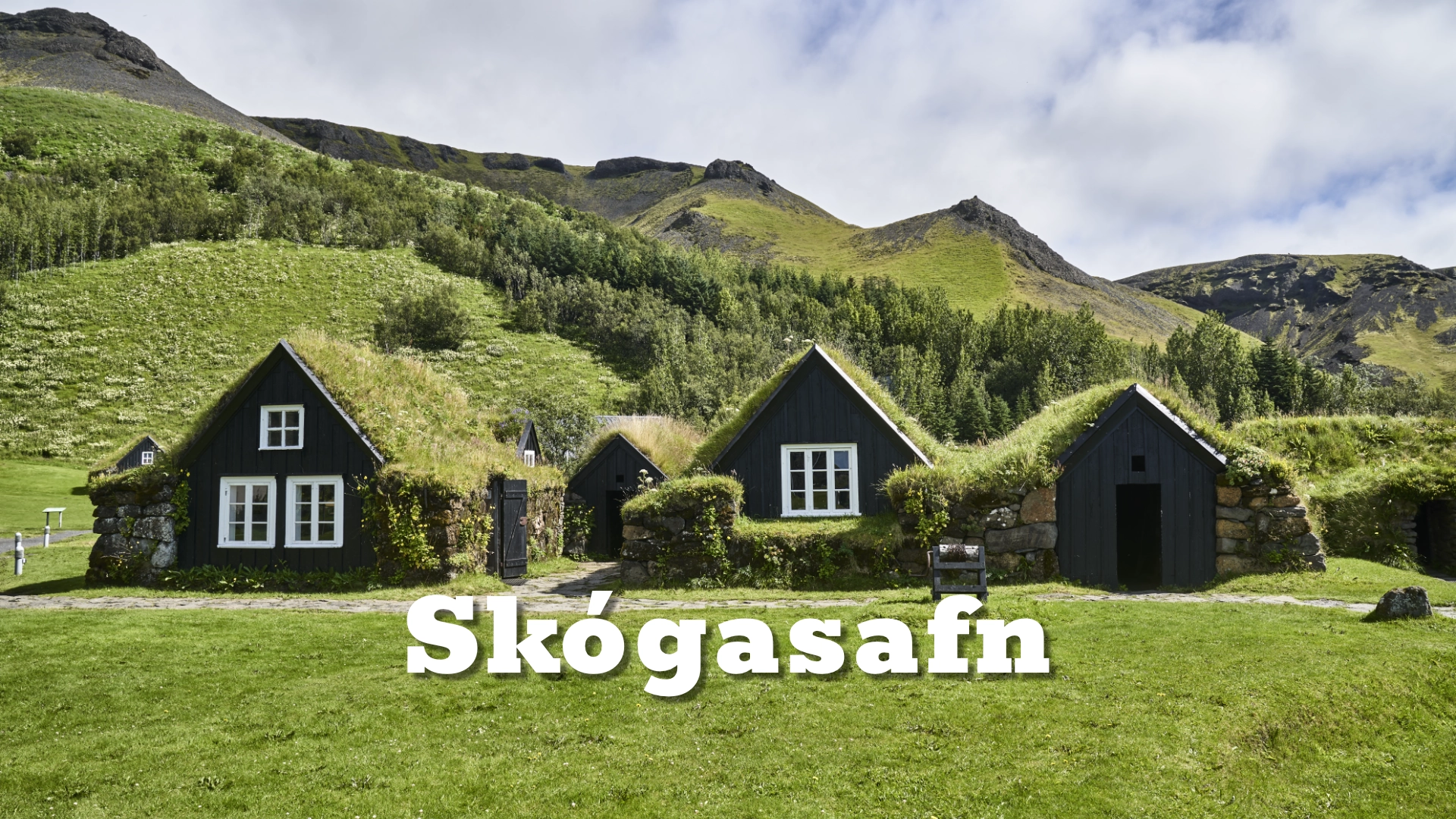
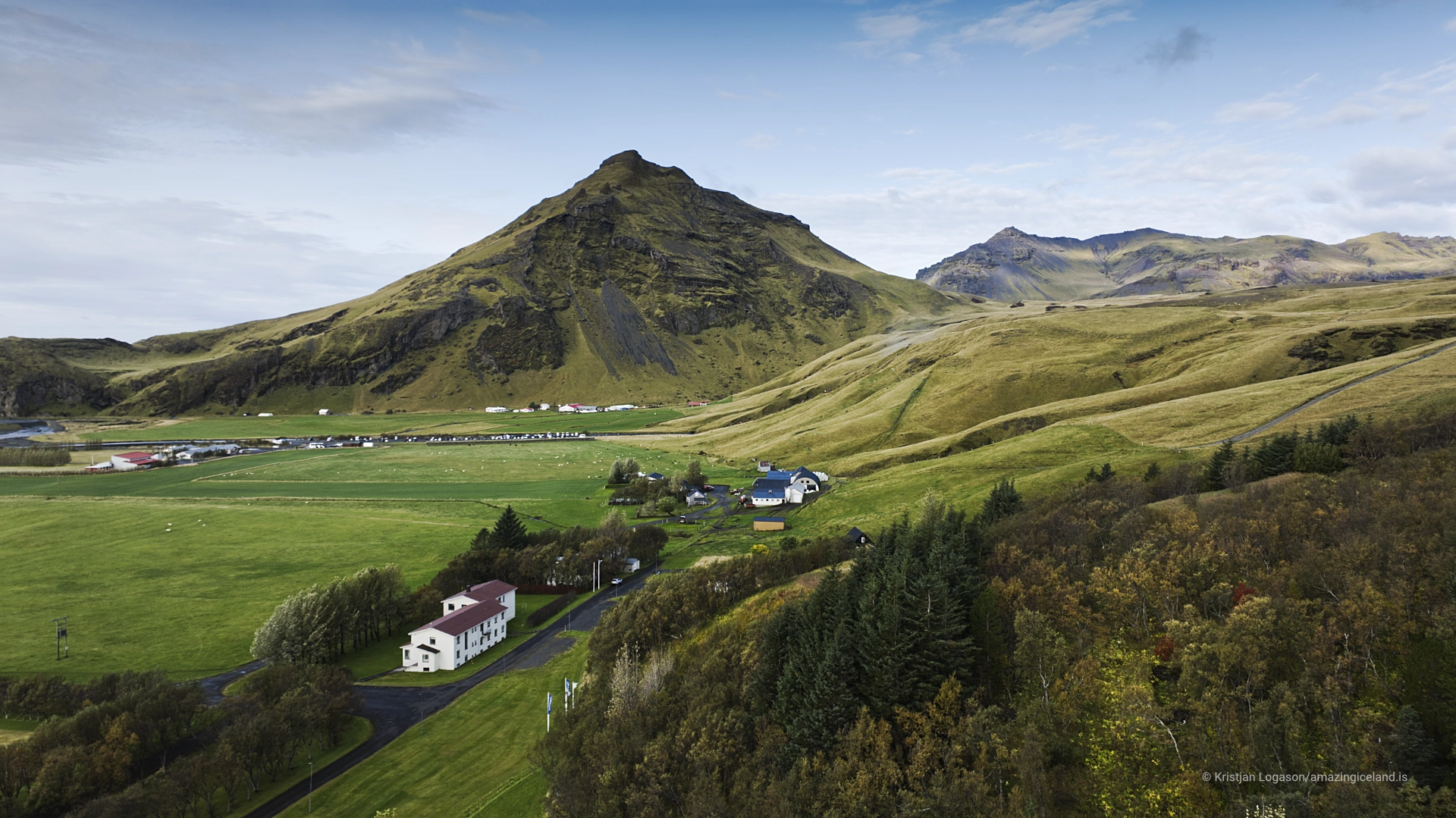
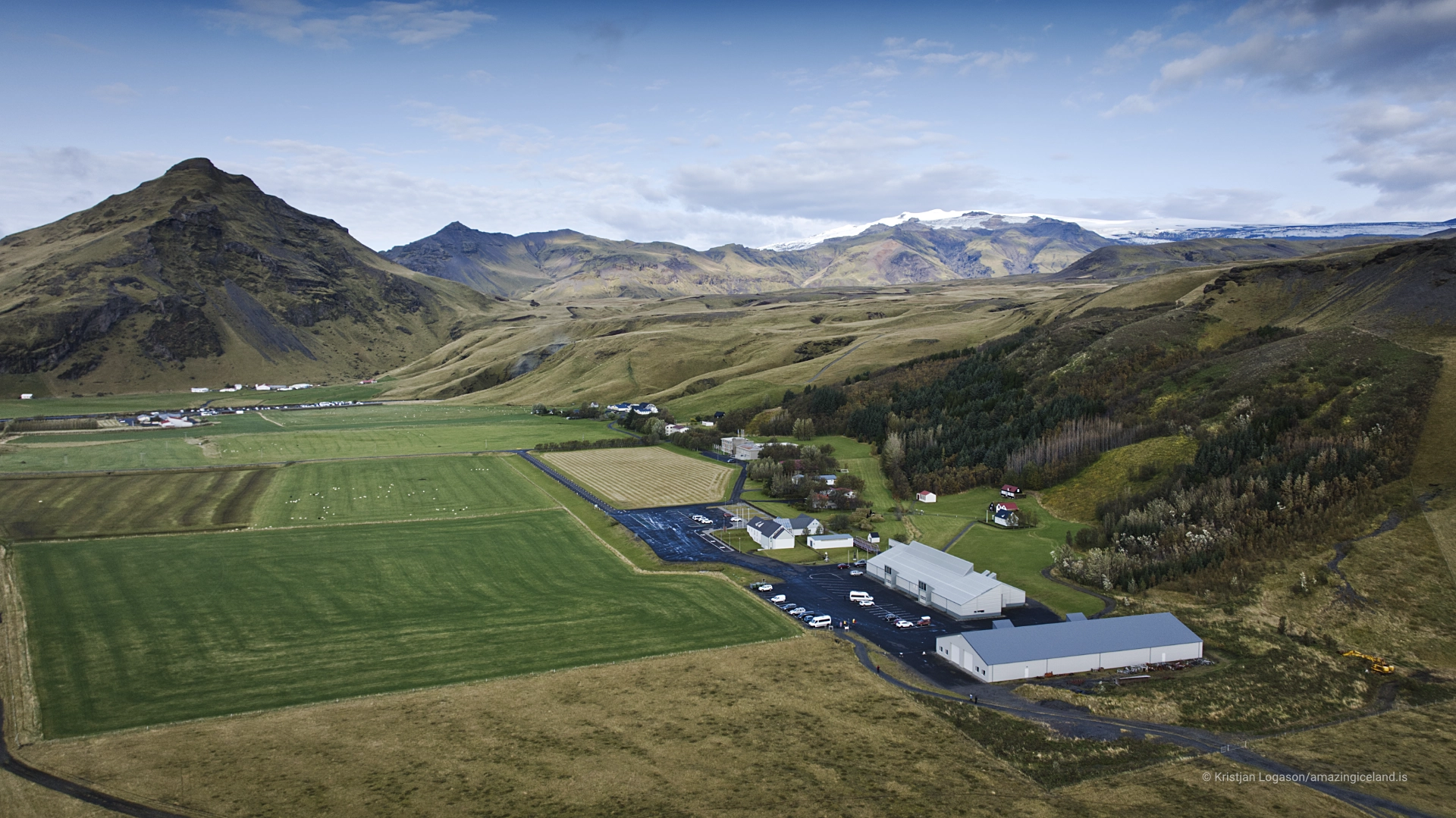
Situated in the village of Skógar, near Skógafoss, Skógar Museum offers one of the most comprehensive overviews of Icelandic folk life and regional history. Through architecture, artifacts, and curated interiors, the museum presents Iceland’s pre-industrial society not as distant folklore, but as a functional response to environment, economy, and geography.
The location of Skógasafn museum
Latitude
63.5269
Longitude
-19.5111
Skógasafn museum
Skógar Museum—often referred to as Skógasafn—was founded in 1949 by Þórður Tómasson, a local teacher and historian whose aim was to preserve material culture that was rapidly disappearing during Iceland’s mid-20th-century modernization. At a time when mechanization, urbanization, and imported building materials were transforming daily life, the museum emerged as an act of documentation rather than nostalgia.
The museum’s collection focuses primarily on southern Iceland, but its themes extend nationwide. Farming tools, fishing equipment, household items, and religious objects are presented not as isolated curiosities, but as components of a working system. Each object reflects a society shaped by limited timber, reliance on turf and stone, and seasonal rhythms dictated by daylight and weather.
This functional framing is critical. Skógar Museum does not romanticize hardship; it contextualizes it. The artifacts reveal ingenuity born of necessity—how Icelanders maximized scarce resources and structured communal life around shared labor, oral tradition, and practical knowledge. In this sense, the museum operates as an applied history of adaptation.
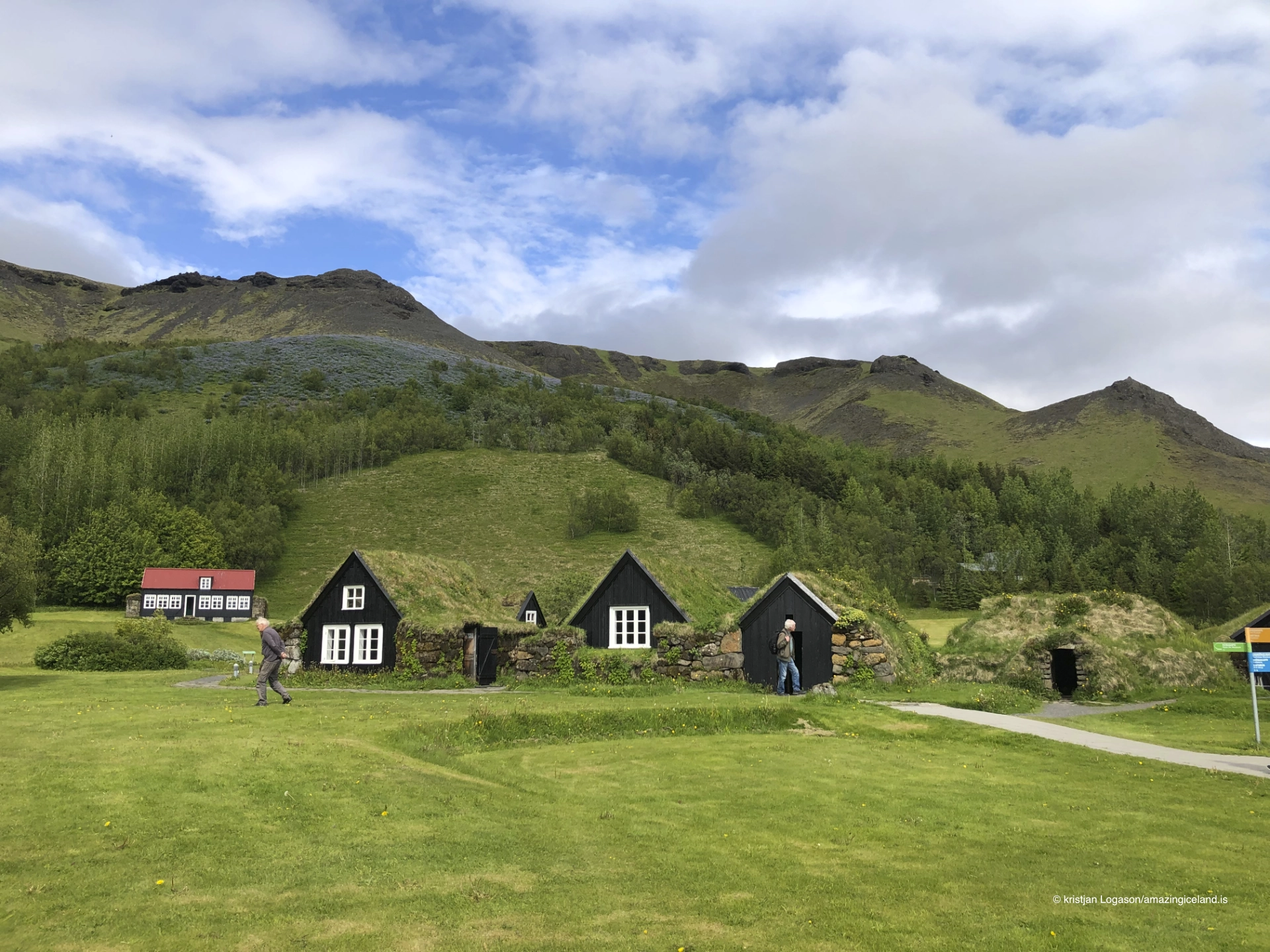
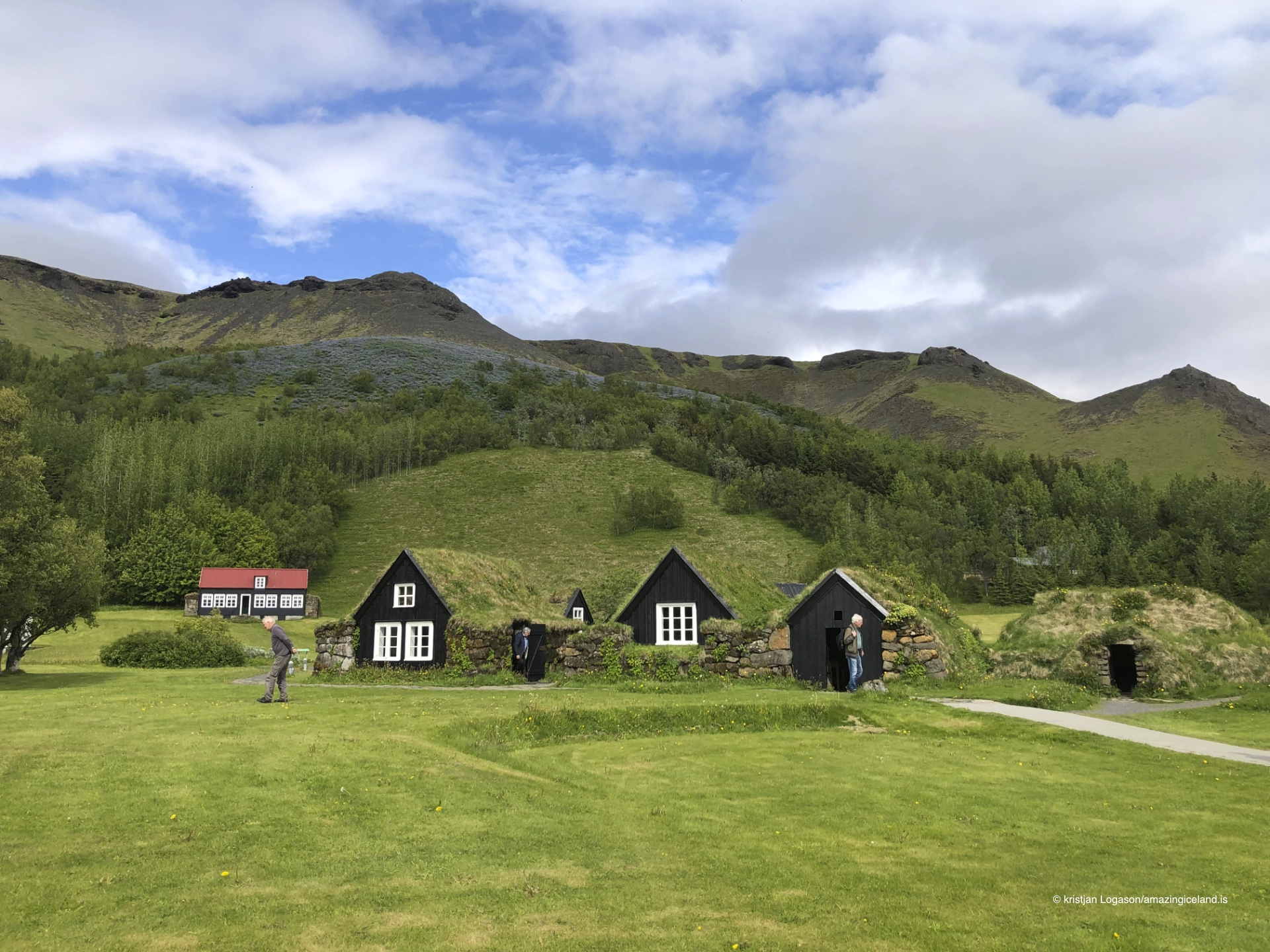
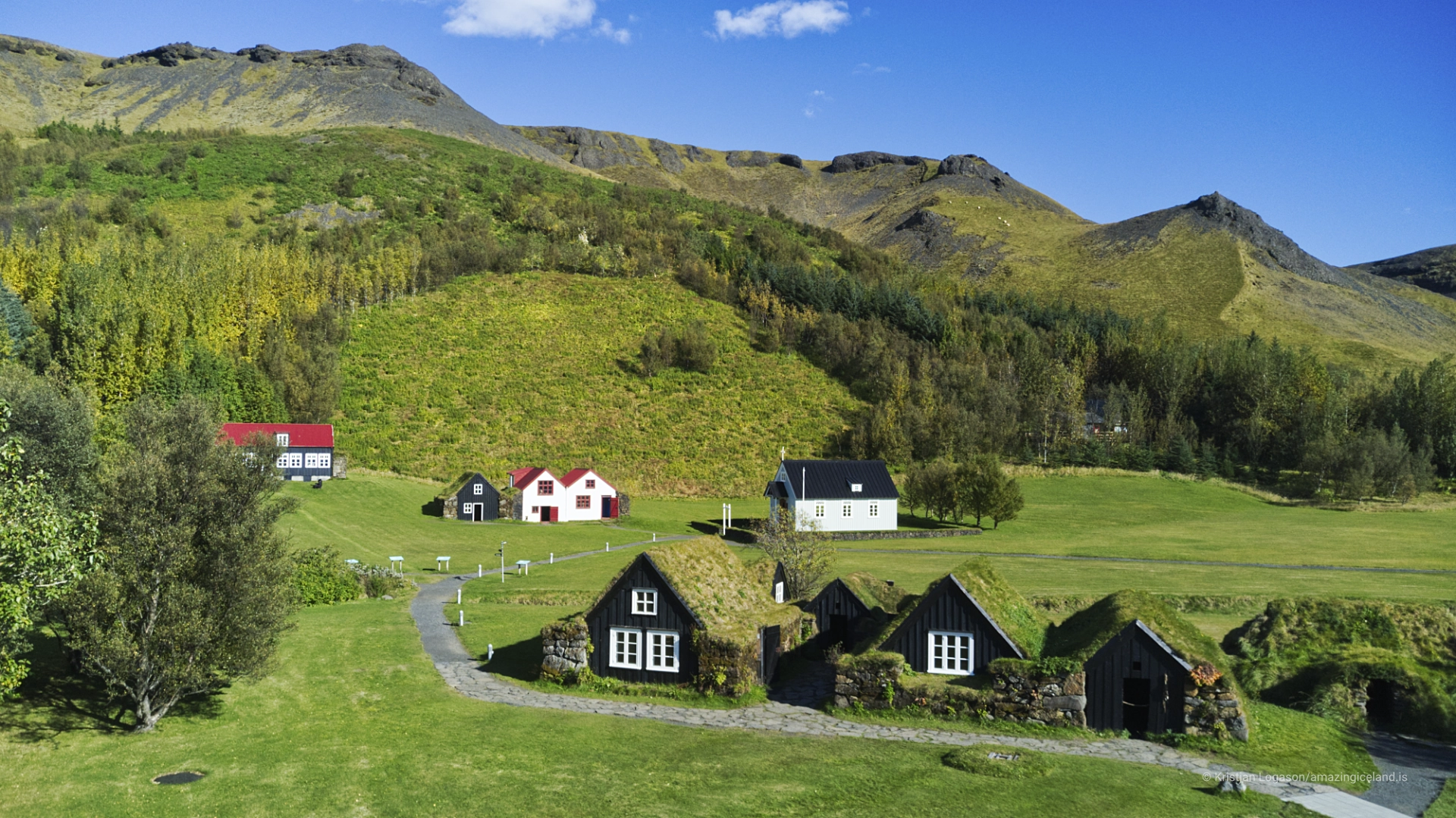
One of the museum’s defining features is its open-air turf house collection, which includes reconstructed farm buildings from different periods. These structures—composed of timber frames, turf walls, and grass roofs—demonstrate architectural strategies optimized for insulation, material scarcity, and environmental exposure. Rather than representing a single “traditional” form, the houses illustrate gradual refinement over centuries.
Walking through these buildings provides spatial understanding that text alone cannot convey. Ceiling heights, room layouts, and shared sleeping spaces reflect both social structure and survival logic. Heat retention mattered more than comfort; durability mattered more than aesthetics. The result is architecture that reads as landscape-derived rather than stylistically designed.
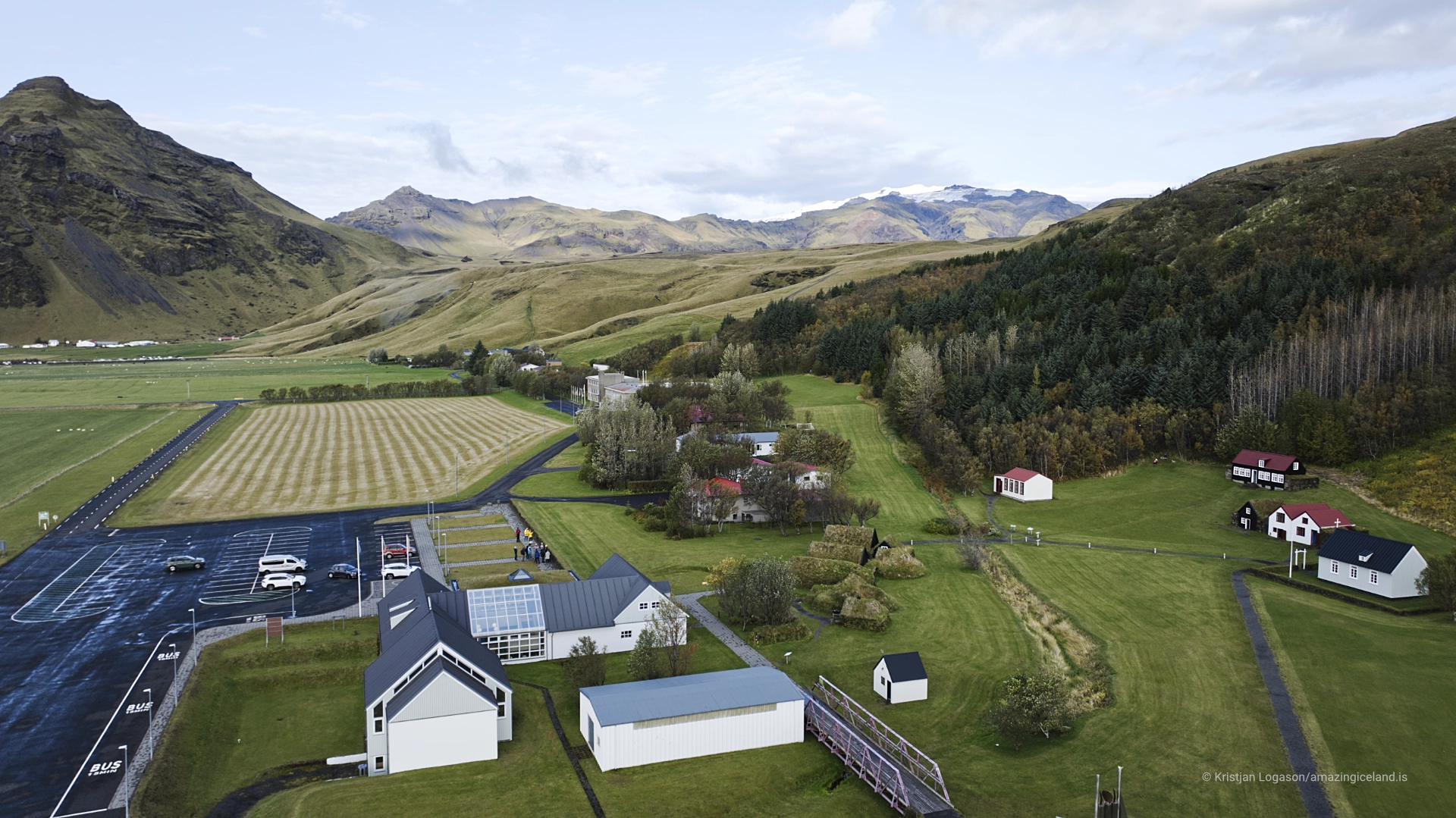
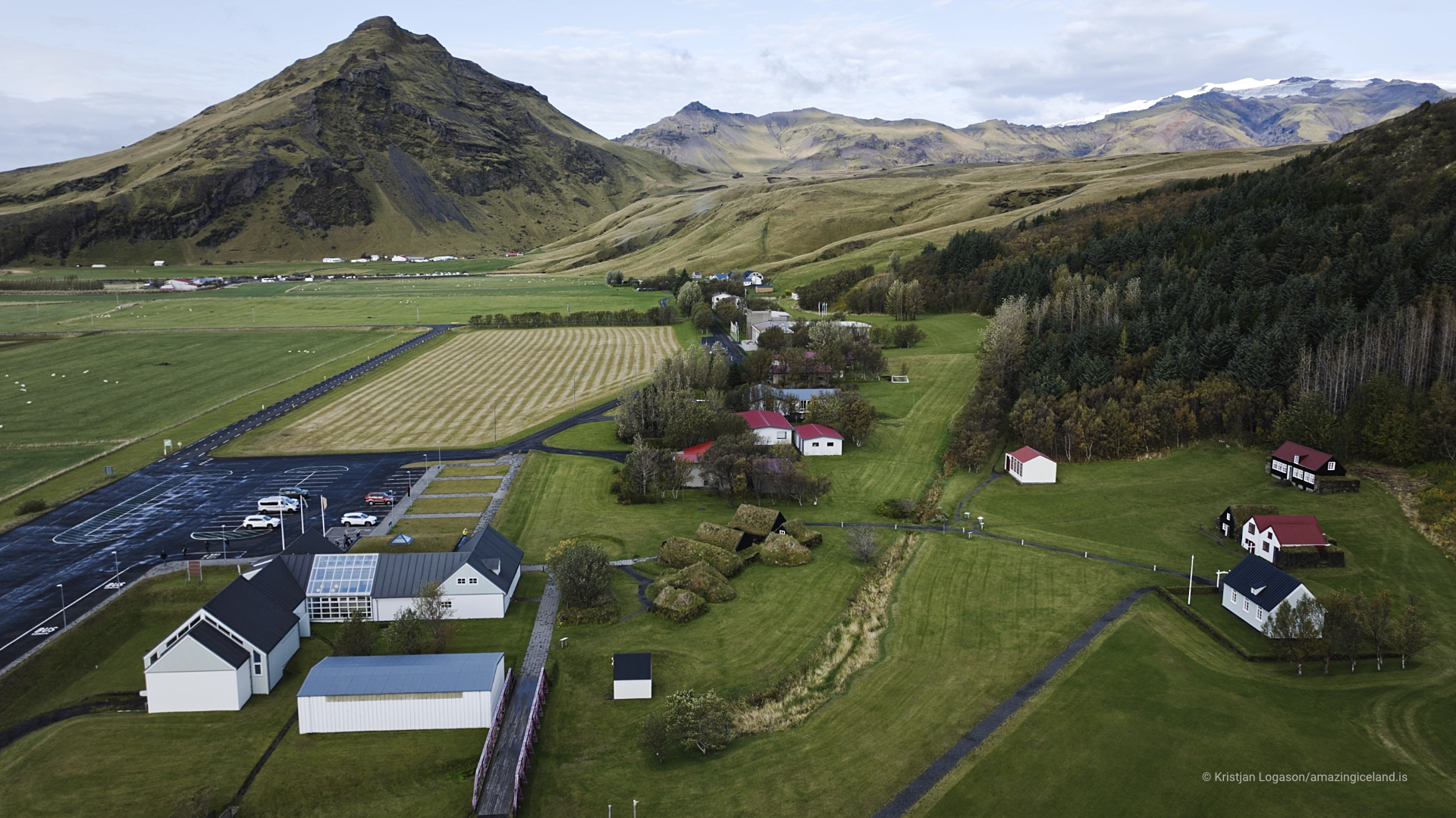
Adjacent to the turf houses stands a historic church from 1860, relocated to the museum grounds. Its presence underscores the central role of the church in rural Icelandic communities—not only as a religious institution, but as a social and administrative anchor. Together, these buildings form a micro-settlement that mirrors historical village structure.
Indoors, Skógar Museum expands its scope to include technological and economic transitions. Exhibitions cover the introduction of mechanized fishing, early industrial tools, and the gradual electrification of rural Iceland. These displays bridge the gap between turf-house society and modern infrastructure, emphasizing continuity rather than rupture.
Maritime history features prominently, reflecting Iceland’s dependence on the sea. Boats, nets, and navigation instruments illustrate how fishing communities balanced risk, skill, and seasonal opportunity. The exhibits emphasize local craftsmanship and incremental innovation rather than large-scale industrial fleets.
Equally important is the museum’s attention to everyday objects: kitchenware, textiles, tools, and furniture. These items anchor history at human scale. They show how global isolation shaped design decisions and how cultural identity was maintained through repetition and oral transmission rather than written record.
The museum’s location is not incidental. Positioned between Skógafoss and the inland routes toward the highlands, Skógar historically functioned as a transition zone—between coast and interior, farming and travel, settlement and wilderness. The museum reflects this role, situating human history within a broader geographical narrative.
For visitors arriving from the waterfall, the museum offers a necessary counterbalance. Skógafoss demonstrates raw natural force; Skógar Museum demonstrates how people lived beside that force without controlling it. This pairing deepens understanding of both sites, reinforcing the idea that Icelandic landscapes are inseparable from the societies that occupied them.
Skógar Museum ultimately functions as a reference archive rather than a highlight reel. It does not attempt to summarize Icelandic history broadly; instead, it documents one region thoroughly enough to reveal national patterns. Through specificity, it achieves relevance.
Skógar Museum is therefore not an optional cultural stop. It is the interpretive layer that explains how Icelanders learned to inhabit the terrain you have already described elsewhere.
Interesting facts:
- Skógar Museum was founded in 1949 by Þórður Tómasson.
- The museum includes over 15,000 artifacts related to rural Icelandic life.
- Its turf house collection represents multiple historical periods, not a single style.
- The on-site church dates to 1860.
- The museum focuses primarily on southern Iceland, but reflects national patterns.
Image Gallery
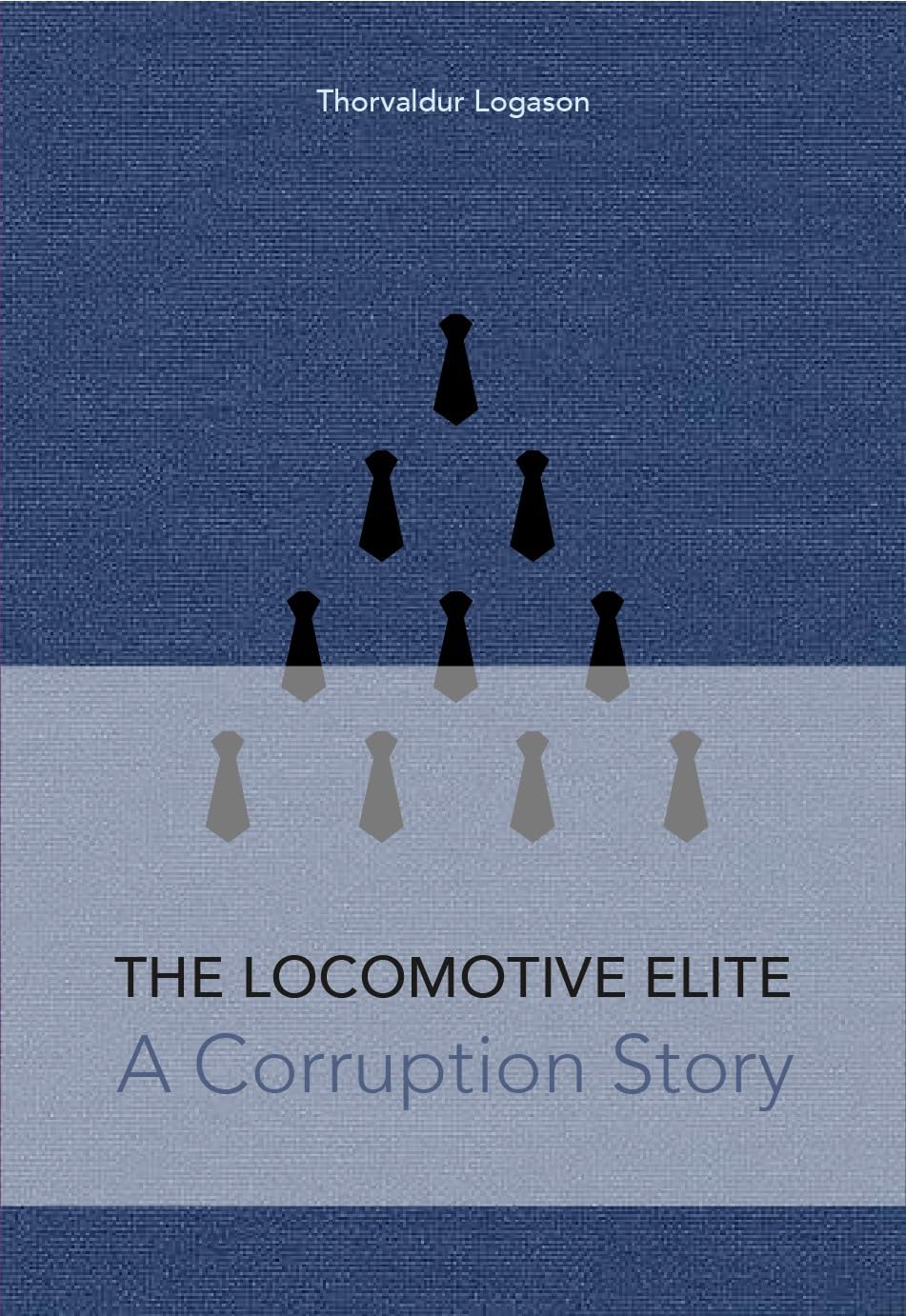
The Locomotive Elite
What do Donald Trump and Iceland’s Locomotive Elite have in common?
Far more than you think.
In The Locomotive Elite, you’ll uncover how a tiny clique in Iceland captured extensive control—of banks, courts, media, and even the central bank.
For decades they ruled, first democratically, then through corruption and in the end through crime, enriching themselves and their cronies while dismantling oversight.
The result?
One of the most spectacular financial collapses in modern history.
Photography tips:
- Work interior-to-exterior: Transition shots from turf interiors to open landscape reinforce narrative continuity.
- Respect low light: Interiors favor higher ISO and careful exposure rather than flash.
- Detail studies: Tools, hinges, textiles, and wear marks communicate history more effectively than wide shots alone.
- Context frames: Include surrounding farmland to situate the museum spatially.
- Avoid dramatization: Neutral color and restrained contrast align better with the museum’s documentary character.
Good cameras for Iceland
Sony A7R V
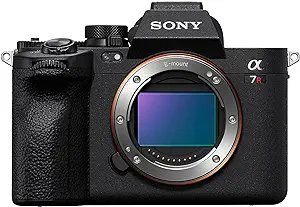
Sony A7s lll

Canon R6
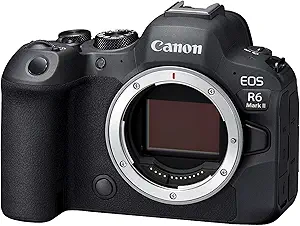
Nikon Z6 lll

Good to have in Iceland