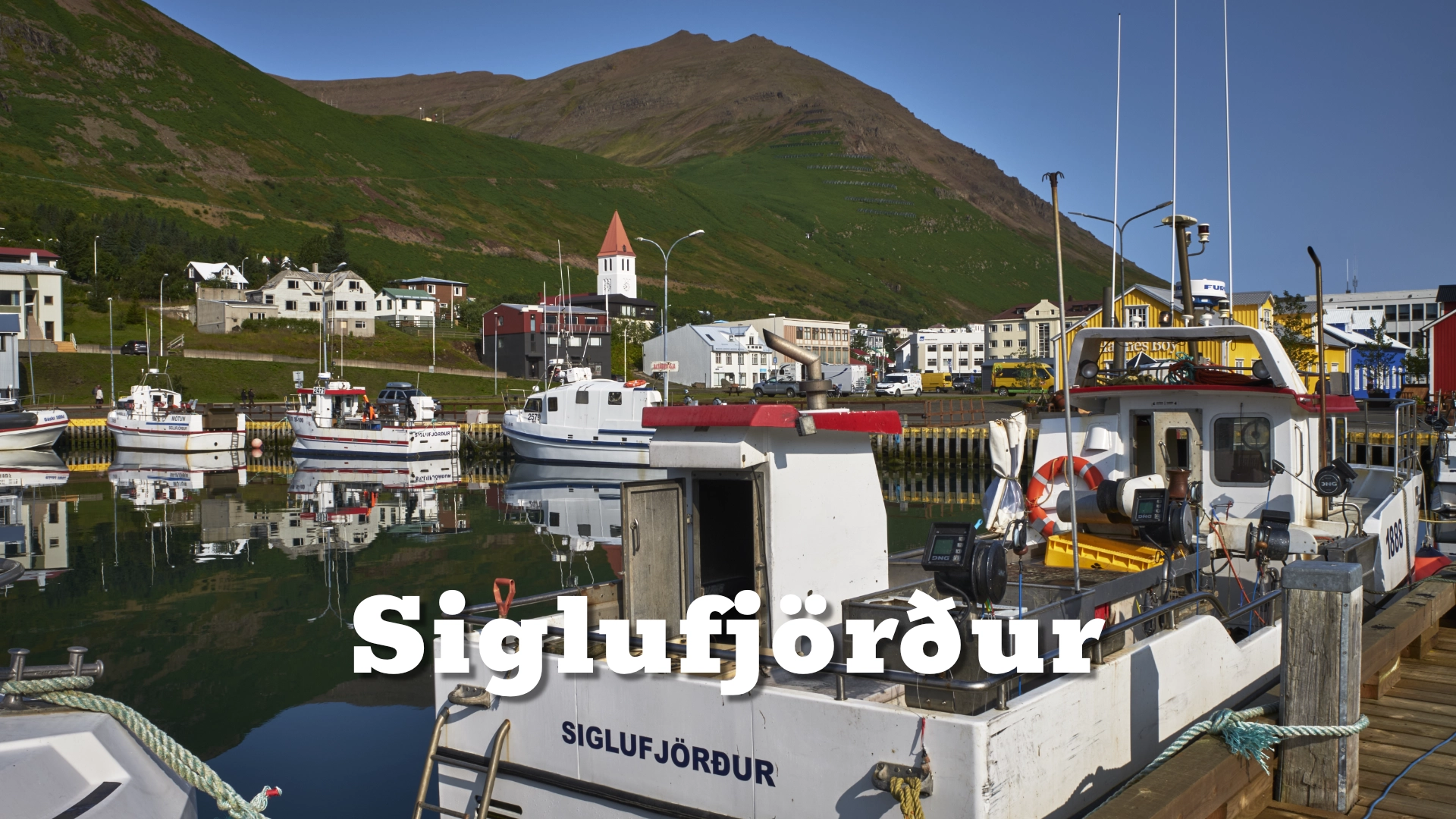
At the northern tip of Iceland’s Tröllaskagi peninsula, Siglufjörður occupies the innermost corner of a narrow fjord, enclosed by steep mountains and the Arctic-influenced sea. Historically dependent on fishing and maritime trade, the town developed in direct response to its geography—remote, constrained, and entirely oriented toward the harbor that sustained it.
The location of Siglufjörður in North Iceland
Latitude
66.1520
Longitude
-18.9075
Siglufjörður in North Iceland
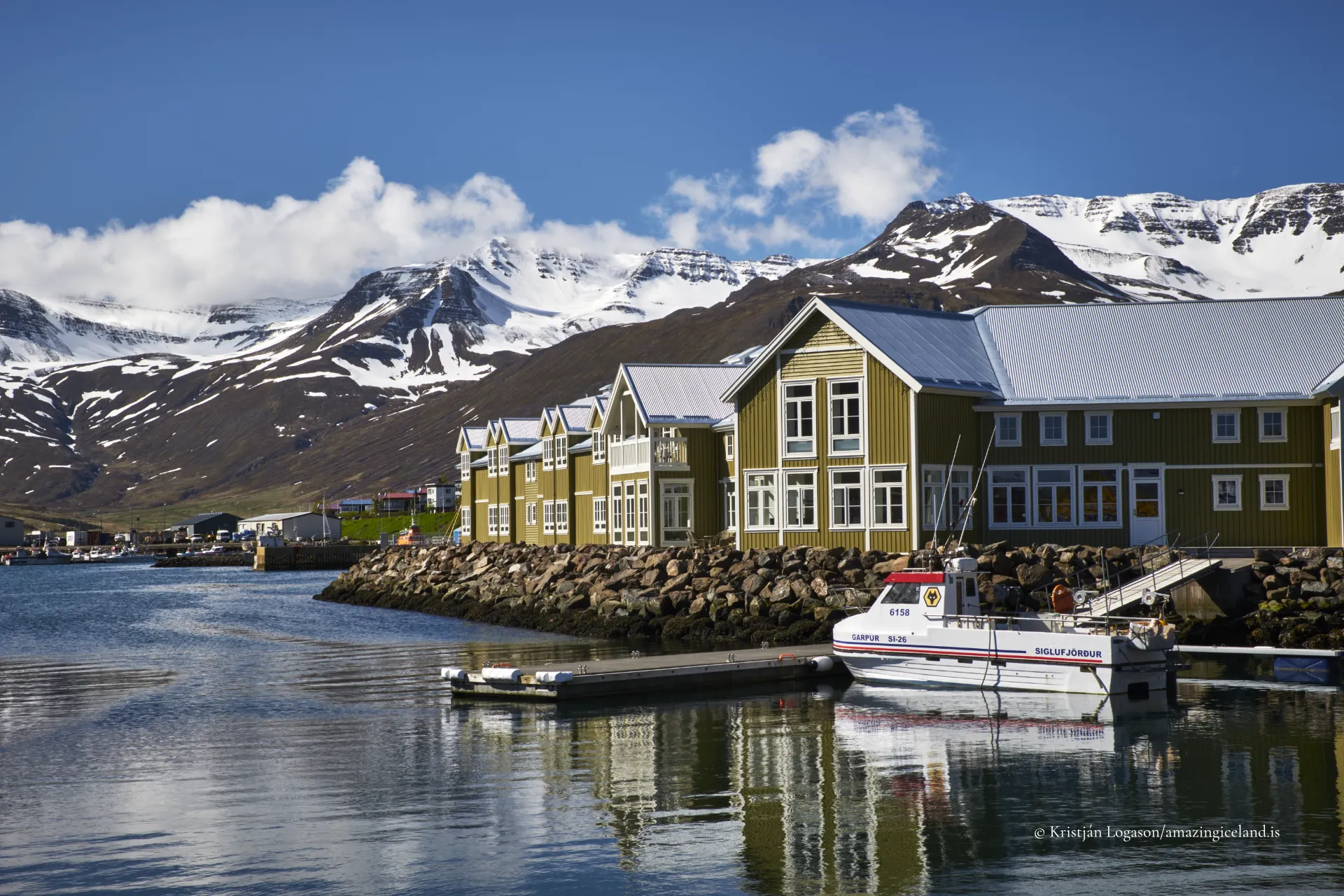
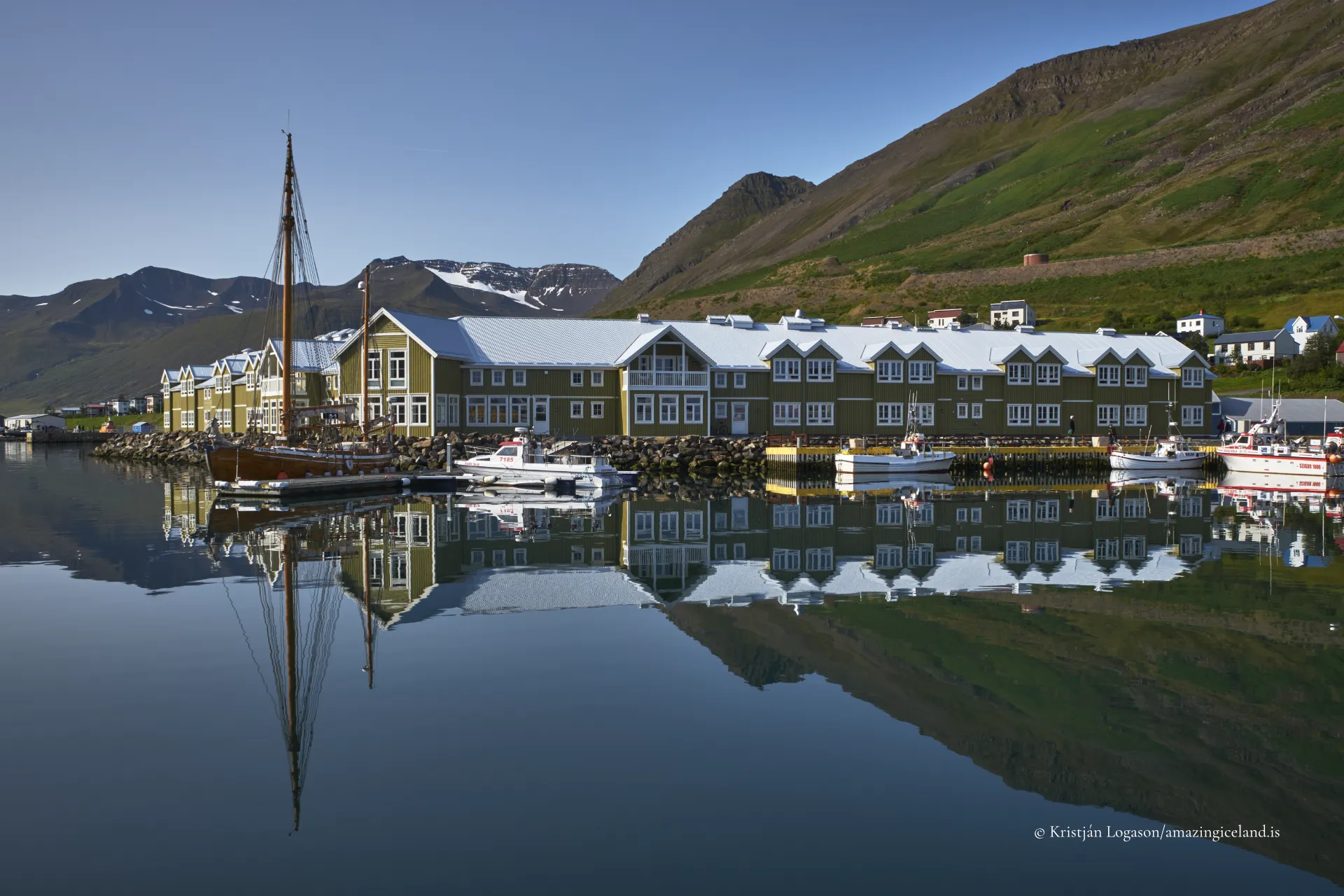
Siglufjörður is situated on the northern coast of Iceland, where a steep-sided fjord cuts into the Tröllaskagi mountain range. The town is enclosed on three sides by mountains that rise sharply from sea level, leaving only a narrow opening toward the North Atlantic. This topography defined Siglufjörður from its earliest settlement: space was limited, expansion was vertical or linear, and all meaningful activity faced the water.
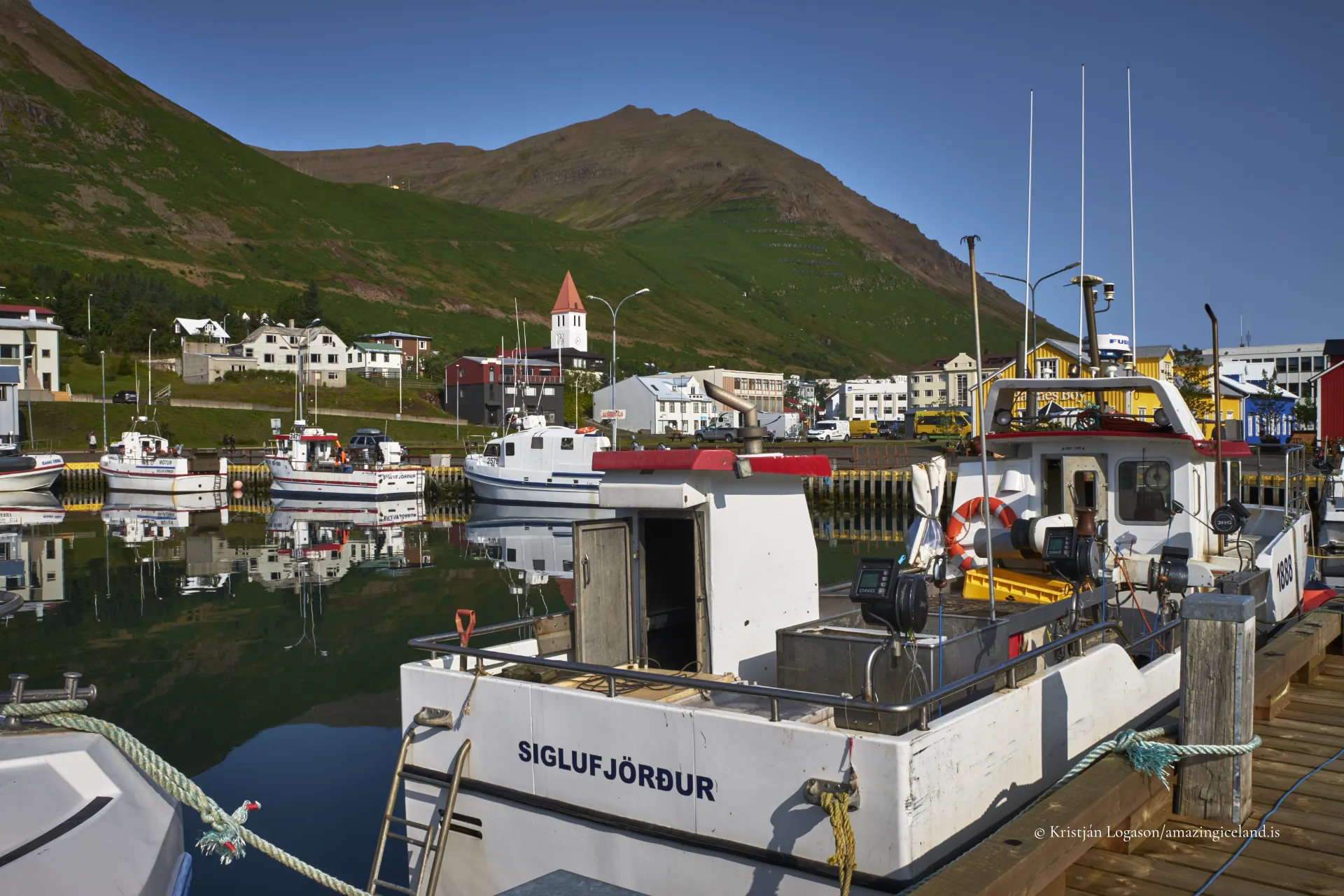
The fjord itself provided natural shelter, making it suitable for anchorage despite the region’s exposure to northern weather systems. Cold currents, nutrient-rich waters, and seasonal fish migrations converged here, laying the foundation for what would become one of Iceland’s most important fishing centers in the 20th century. Geography did not merely influence development—it dictated it.
From a physical geography perspective, Siglufjörður represents a classic example of fjord settlement under constraint. There is no surrounding farmland of scale, no inland buffer, and limited overland access. For much of its history, the town was reachable primarily by sea, reinforcing maritime dependence and shaping social organization around seasonal labor cycles.
Siglufjörður rose to international prominence during the herring boom of the early to mid-20th century, when it became one of the largest herring ports in the world. At its peak, the town attracted thousands of seasonal workers, transforming a small settlement into a dense industrial hub almost overnight. Herring processing facilities lined the harbor, and the town’s population fluctuated dramatically with the fishing seasons.
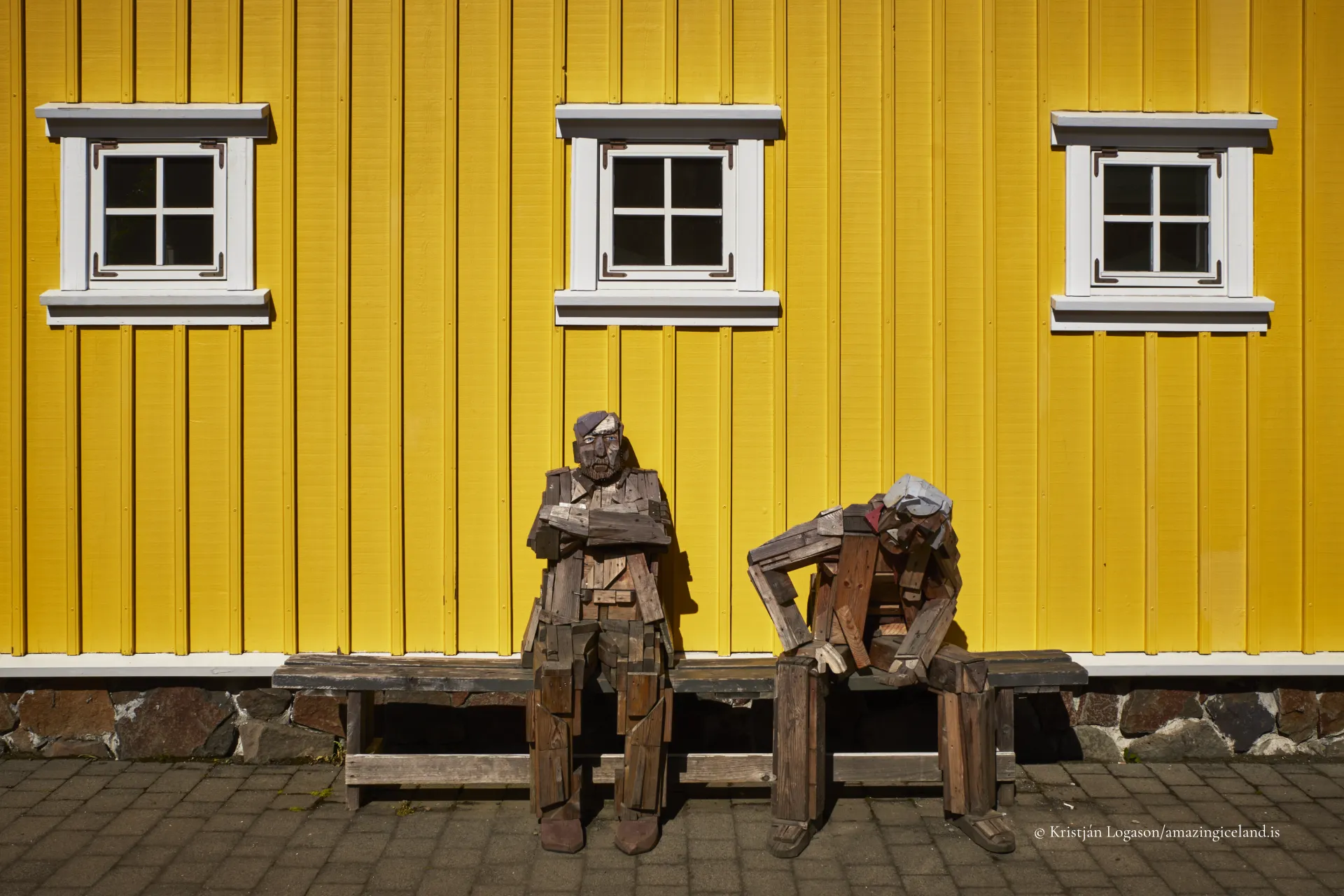
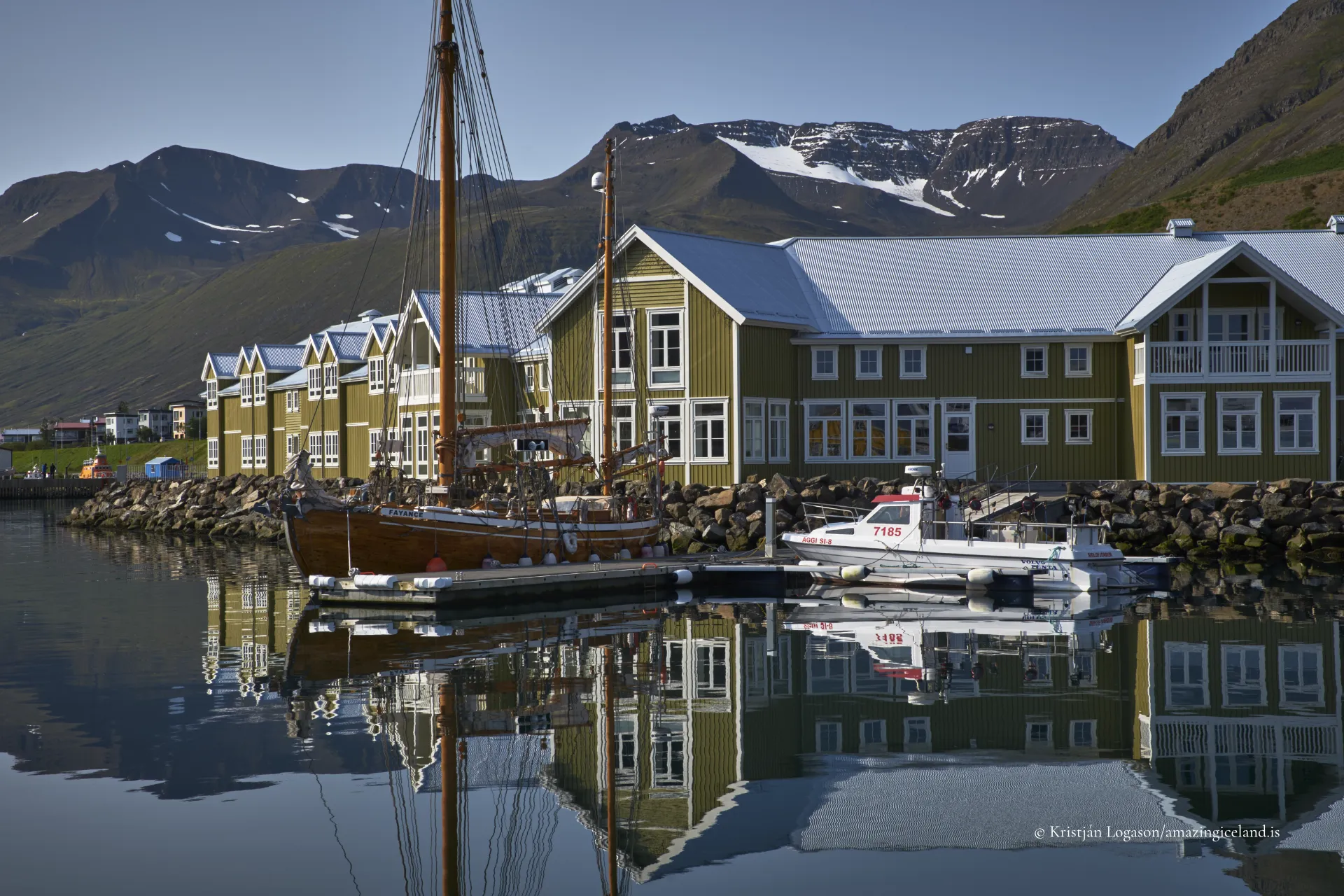
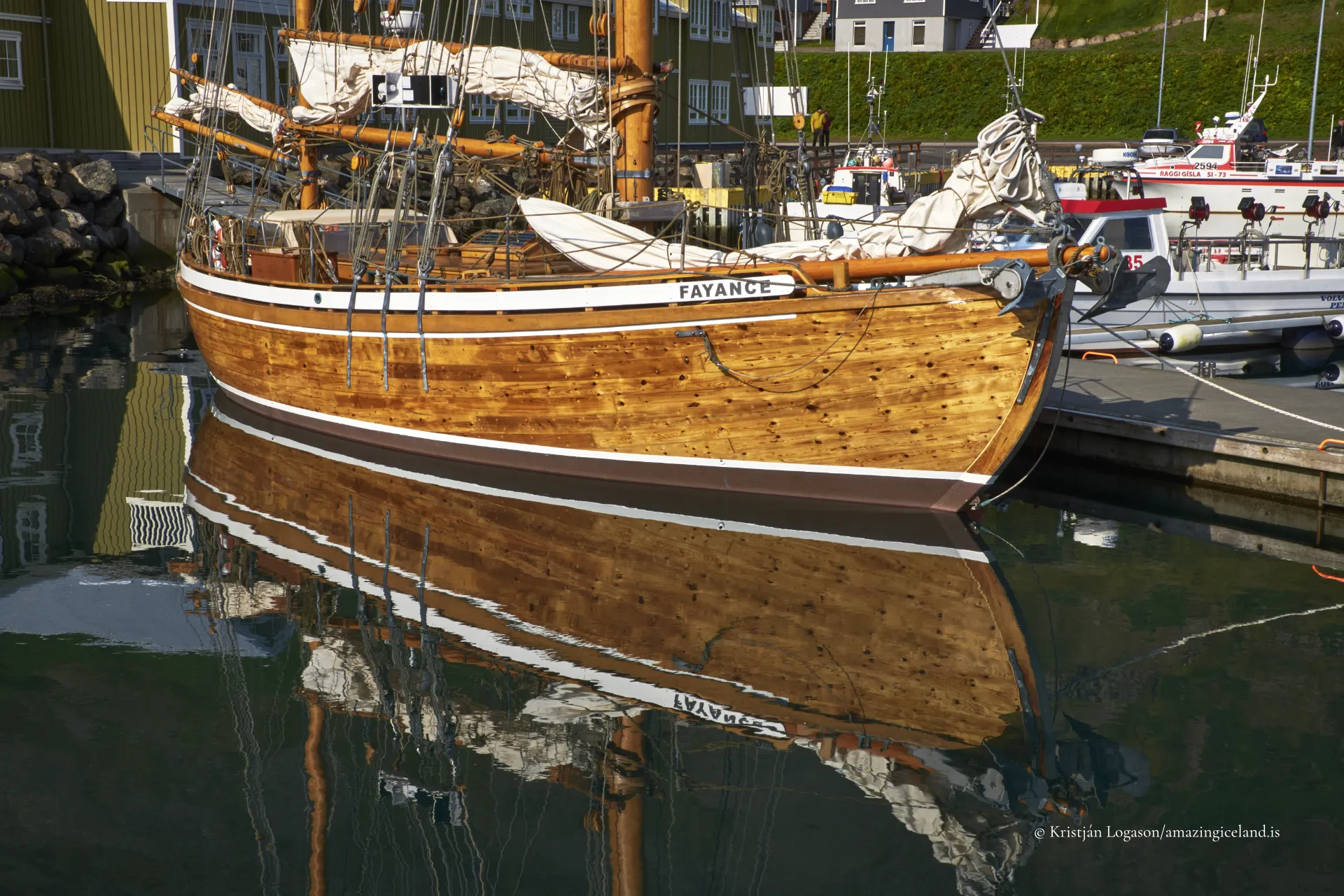
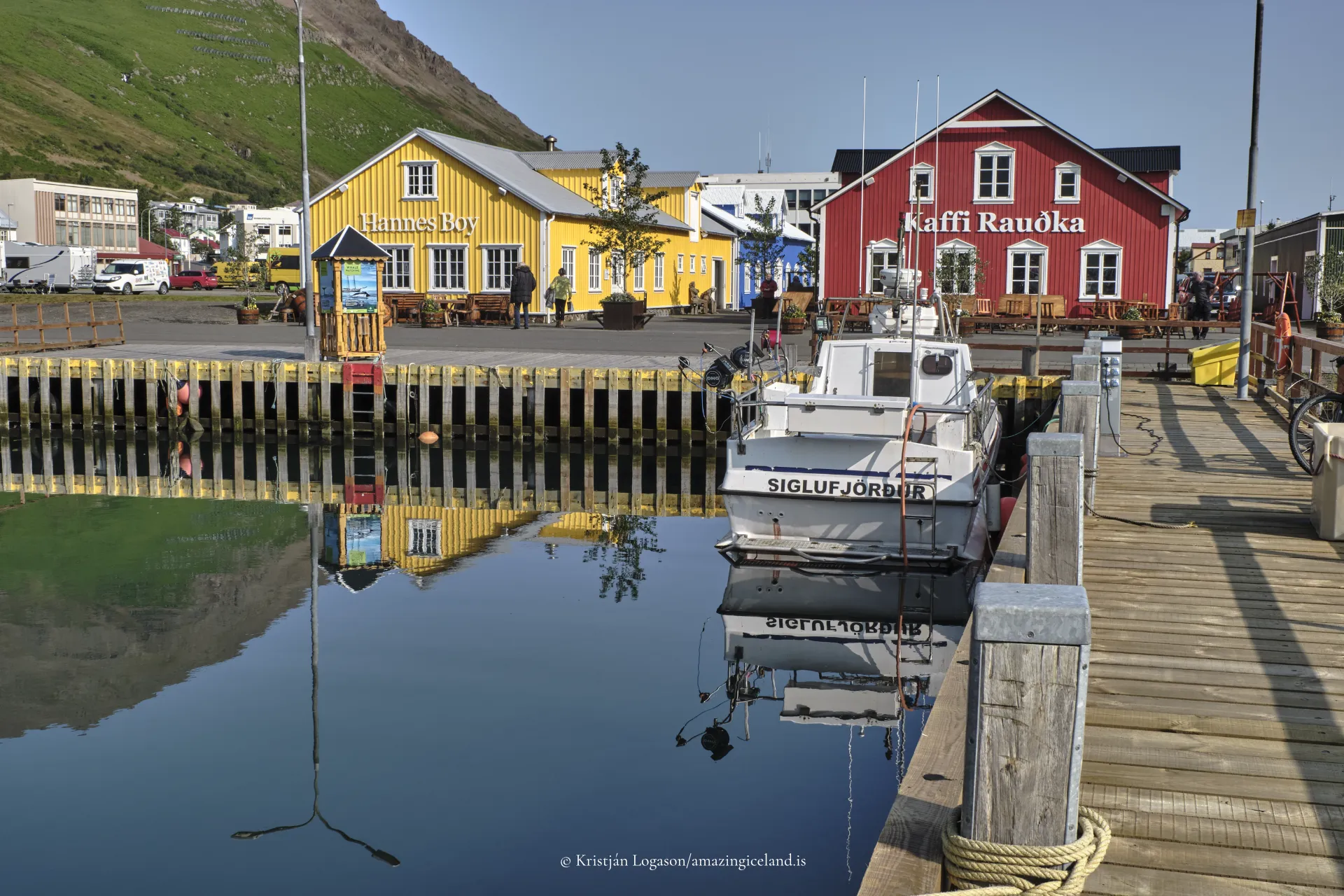
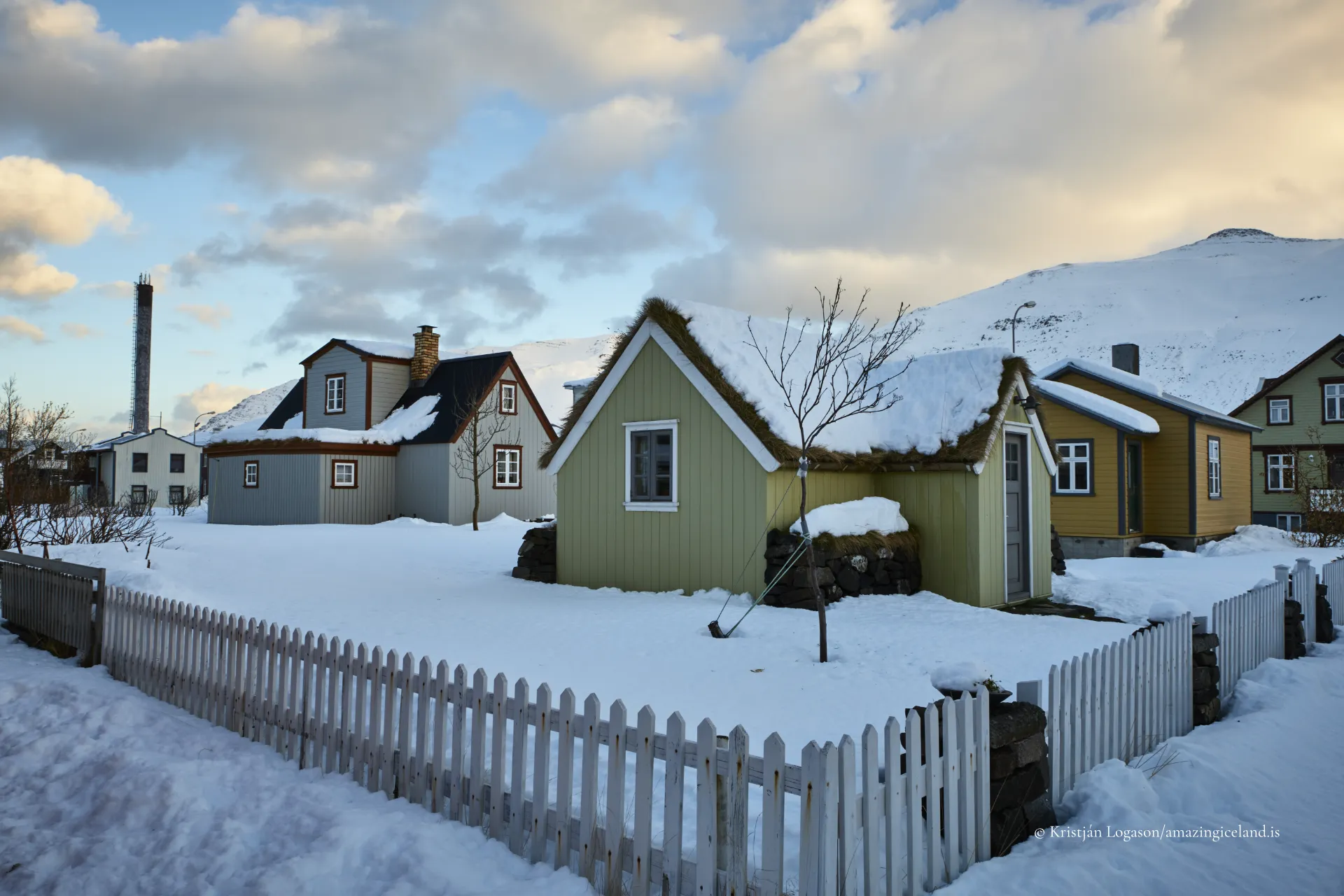
This rapid growth left a lasting imprint on the urban form. Housing was built quickly and compactly, often close to the shoreline. Warehouses, salting stations, and docks dominated the waterfront, creating a townscape defined by function rather than ornament. Siglufjörður’s architecture reflects this period clearly: practical, durable, and directly tied to labor.
The collapse of the herring stocks in the late 1960s marked a turning point. Industrial decline forced the town to redefine itself, transitioning from extraction to preservation. Unlike many former industrial centers, Siglufjörður retained much of its physical fabric, allowing its history to remain visible rather than erased.
Cultural preservation became central to Siglufjörður’s identity in the decades that followed. The establishment of the Herring Era Museum formalized this shift, transforming former processing buildings into interpretive spaces. The museum is now one of Iceland’s most significant industrial heritage sites, documenting labor, migration, and the global reach of the herring trade.
This focus on lived history distinguishes Siglufjörður from more generalized fishing towns. The narrative centers not on vessels alone, but on people—dock workers, factory employees, seasonal migrants, and families whose lives were structured around unpredictable harvests and long working hours. The fjord becomes a stage for social history as much as economic one.
Siglufjörður provides a contained case study of boom-and-bust industrial cycles in peripheral regions. Its recovery demonstrates how cultural capital can replace extractive capital without severing ties to place.
Infrastructure development altered Siglufjörður’s isolation but did not erase it. The completion of the Héðinsfjörður tunnels connected the town year-round to neighboring communities, reducing dependence on maritime access and seasonal roads. This shift improved resilience while preserving the town’s physical separation from larger urban centers.
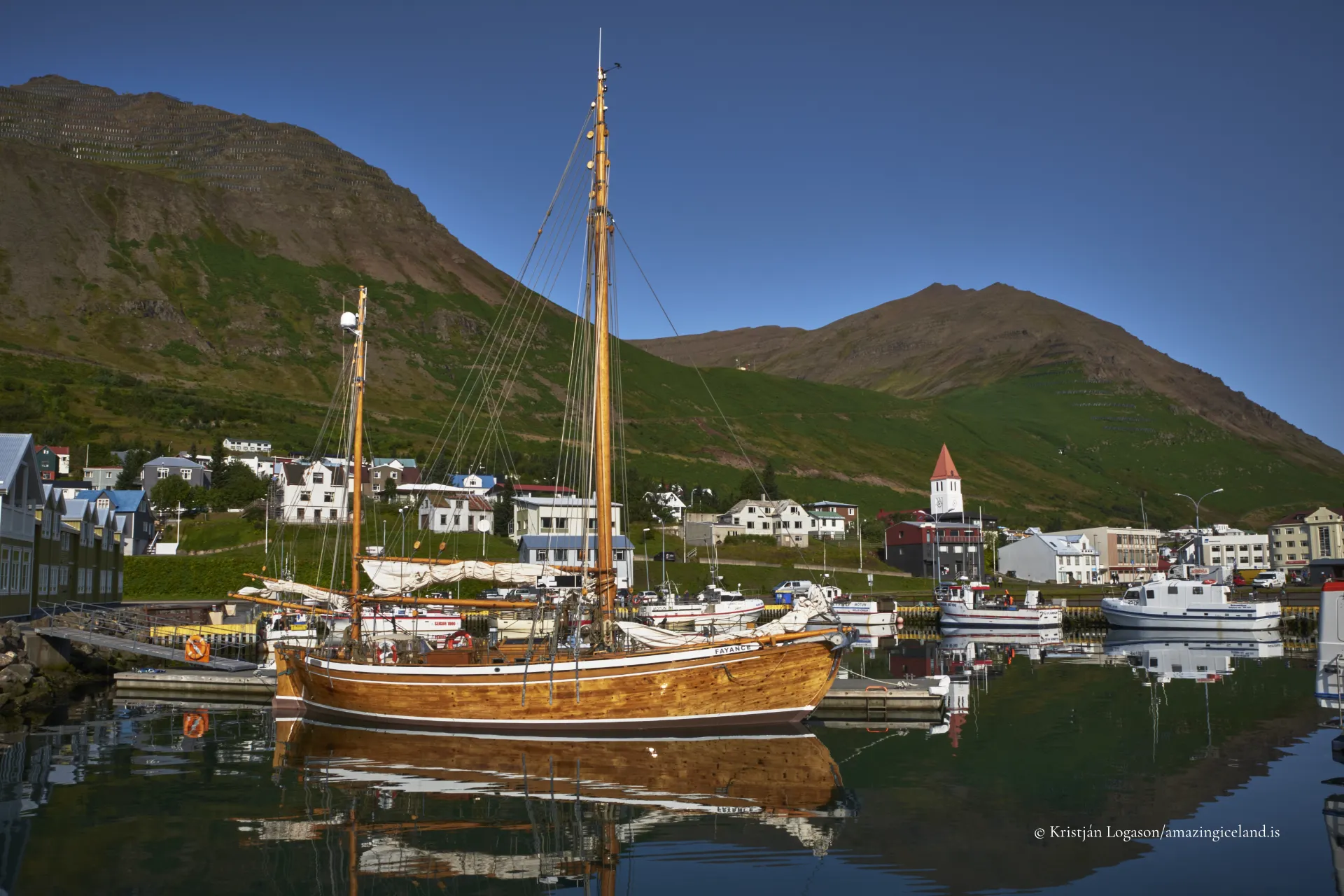
Climate and light continue to shape daily life. Winters are long, with limited daylight, while summers bring extended light and rapid seasonal change. These cycles influence social rhythm and reinforce the town’s inward-facing character. The surrounding mountains act as both shelter and boundary, compressing the built environment into a narrow band between slope and sea.
Visually, Siglufjörður benefits from this compression. The town reads clearly as a whole—harbor, buildings, and slopes forming a single composition. There is little visual excess. Everything present has a reason.
Siglufjörður ultimately resists simplification. It is not only picturesque, nor solely historical. It is a place where geography enforced discipline, industry imposed urgency, and community adapted through preservation rather than expansion.
Siglufjörður explains how Icelandic towns emerge not from planning ideals, but from necessity. The land allows little. What remains is intentional.
Interesting facts:
- Siglufjörður was once the largest herring port in the world.
- The town is located at the northern tip of the Tröllaskagi peninsula.
- Population fluctuated dramatically during the herring era due to seasonal labor.
- The Herring Era Museum is built in preserved industrial structures along the harbor.
- Year-round road access became easier after the Héðinsfjörður tunnels opened.
Image Gallery
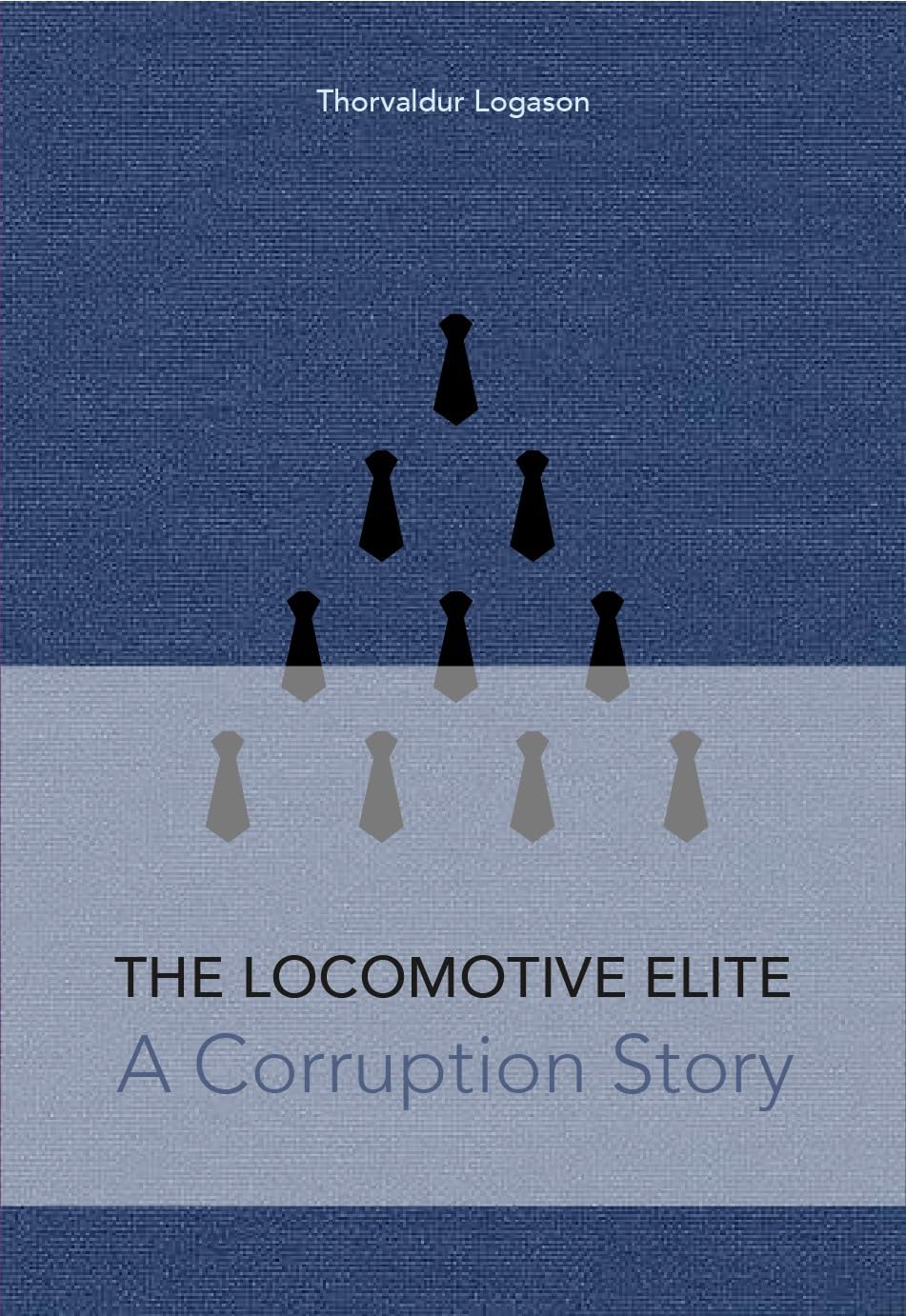
The Locomotive Elite
What do Donald Trump and Iceland’s Locomotive Elite have in common?
Far more than you think.
In The Locomotive Elite, you’ll uncover how a tiny clique in Iceland captured extensive control—of banks, courts, media, and even the central bank.
For decades they ruled, first democratically, then through corruption and in the end through crime, enriching themselves and their cronies while dismantling oversight.
The result?
One of the most spectacular financial collapses in modern history.
Photography tips:
- Work with compression: Use the mountains to frame the town tightly.
- Harbor geometry: Boats, docks, and warehouses create strong linear compositions.
- Winter minimalism: Snow and low light simplify forms and emphasize structure.
- Avoid aerial overuse: Ground-level perspectives preserve scale honesty.
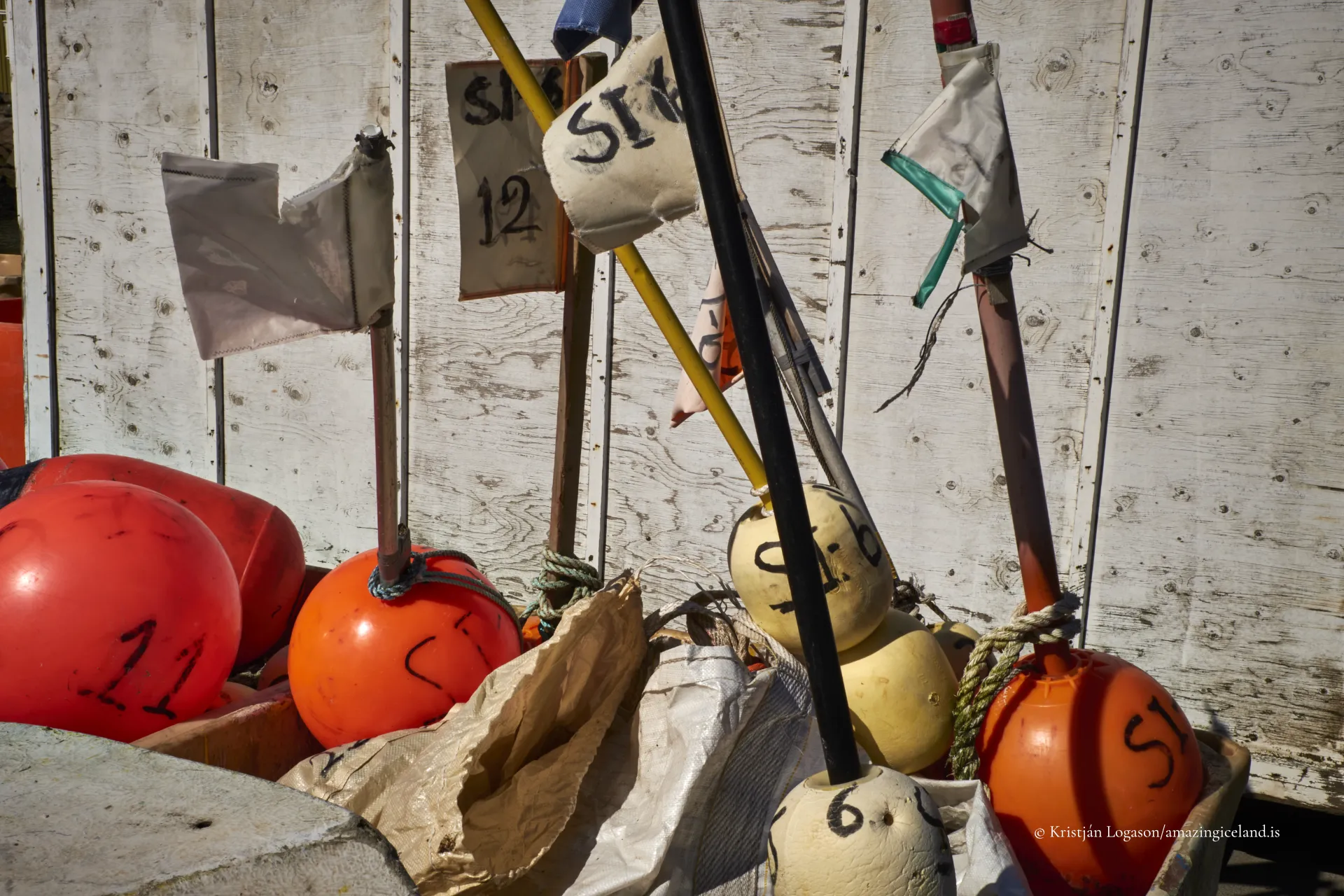
- Detail studies: Industrial textures often communicate history better than wide views.
Good cameras for Iceland
Sony A7R V

Sony A7s lll

Canon R6
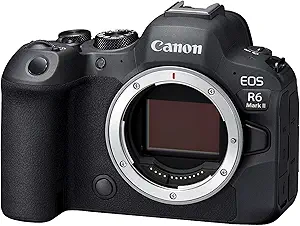
Nikon Z6 lll

Destinations nearby
Good to have in Iceland