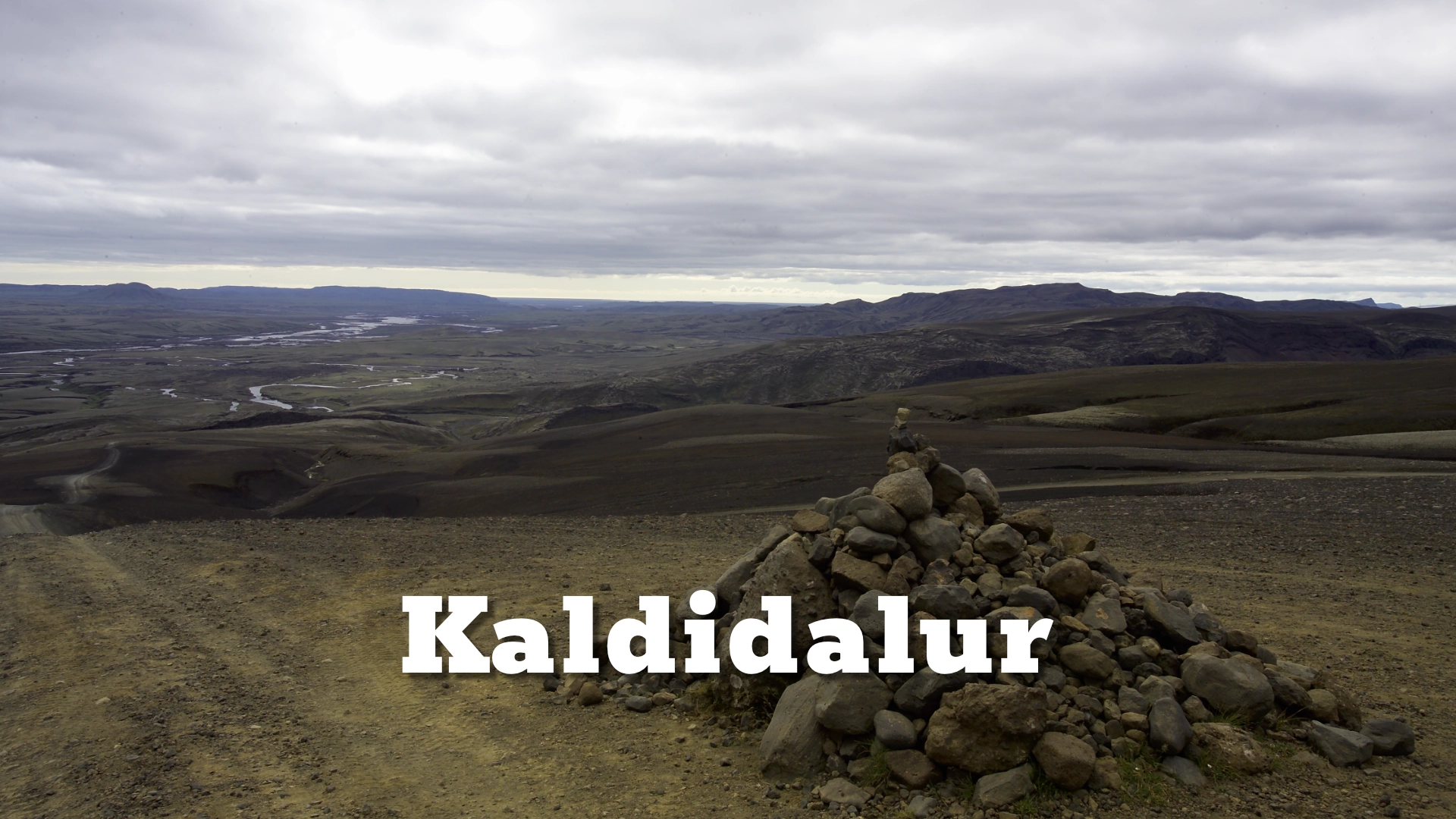
In Iceland’s western highlands, between Langjökull and Ok, Kaldidalur forms a broad, sparsely vegetated corridor shaped by ice, meltwater, and wind. Historically used as a route rather than a destination, the valley remains legible as a landscape of transit—where geology, climate, and travel intersect.
The location of Kaldidalur valley
Latitude
64.7984
Longitude
-20.4967
Kaldidalur valley
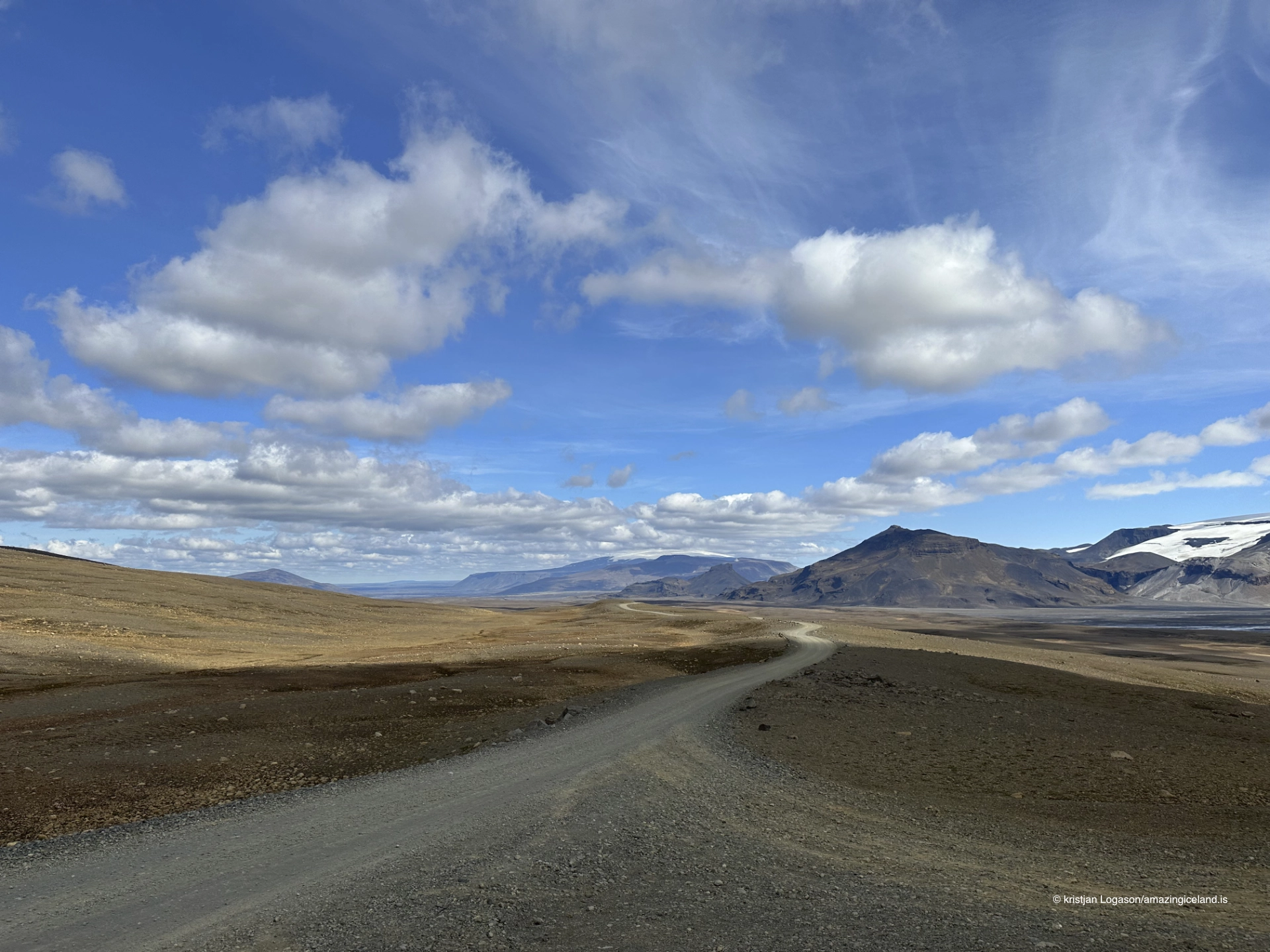
Kaldidalur is a wide highland valley running roughly north–south between the western margin of Langjökull and the volcanic uplands associated with Ok and surrounding plateaus. The valley’s name—often translated as “Cold Valley”—reflects both climatic conditions and its exposure, rather than elevation alone. Even in summer, temperatures remain low, and wind is a persistent factor.
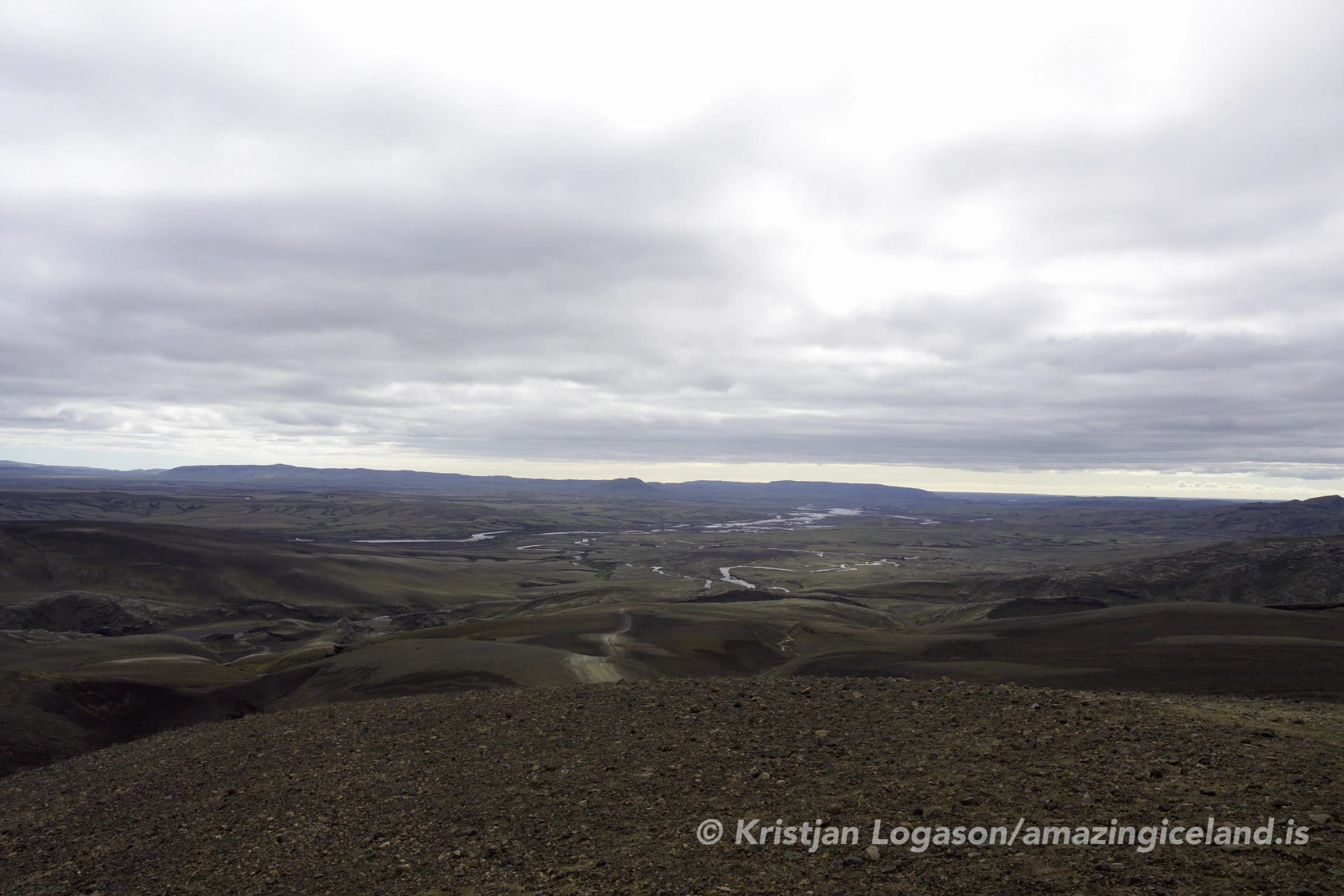
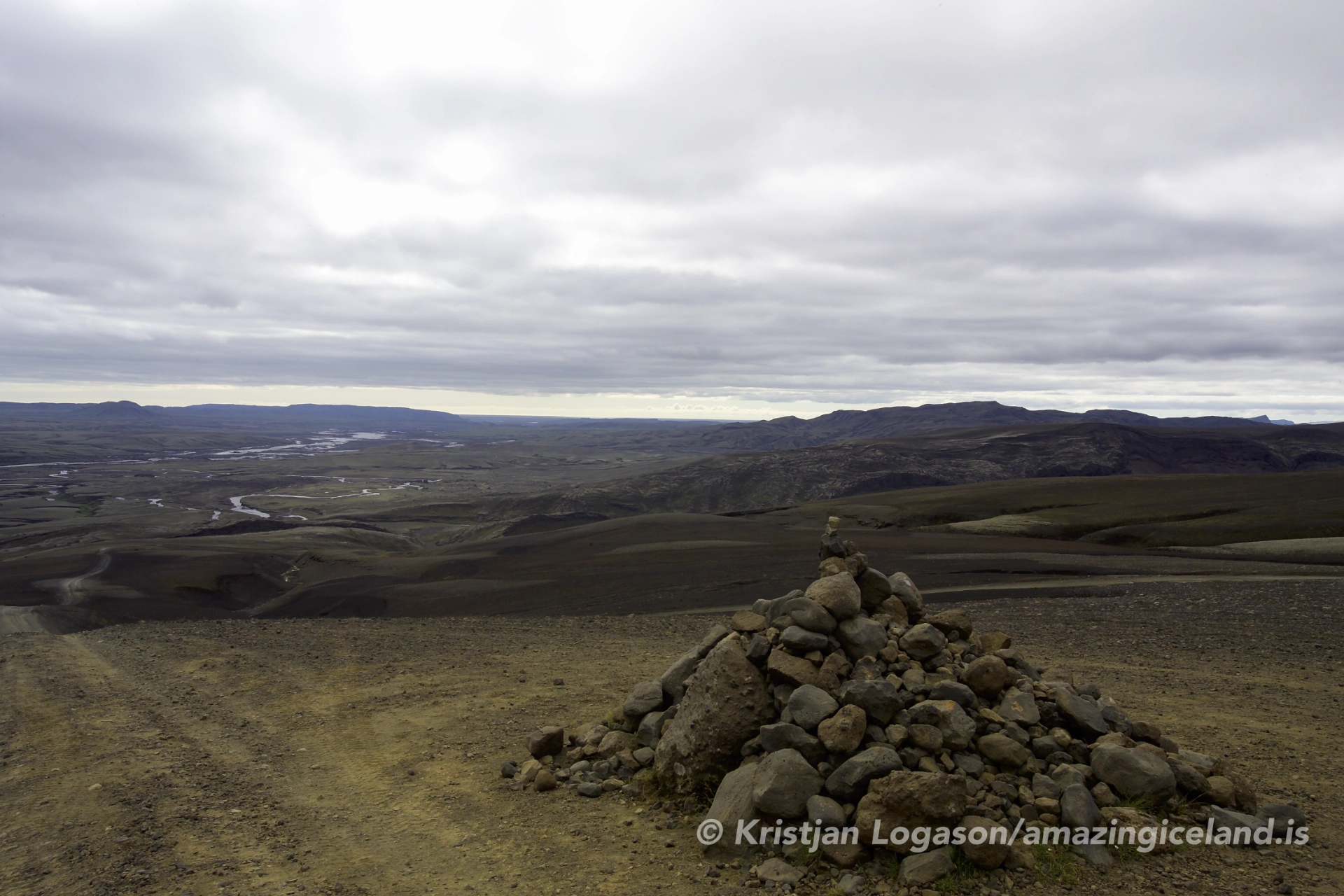
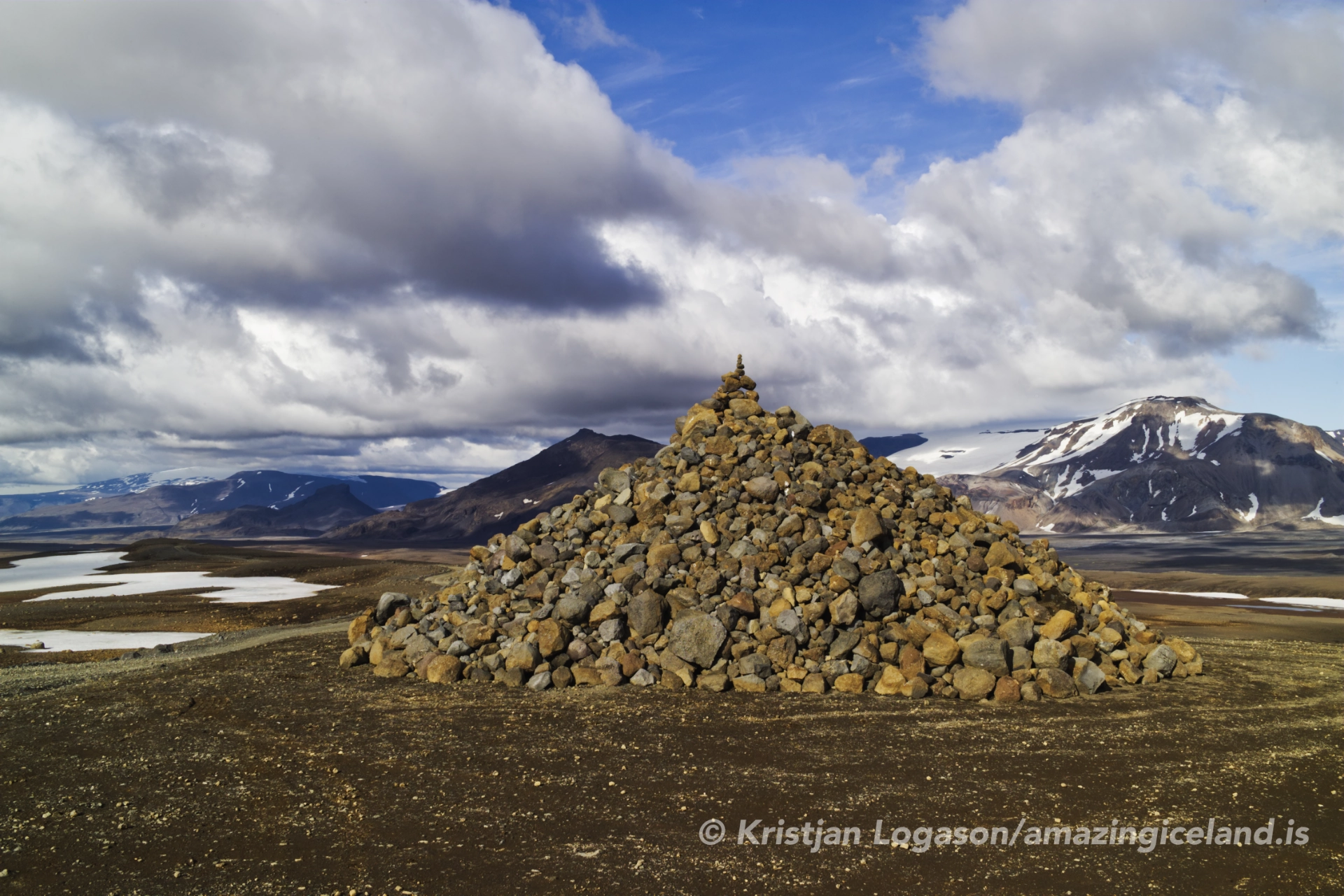
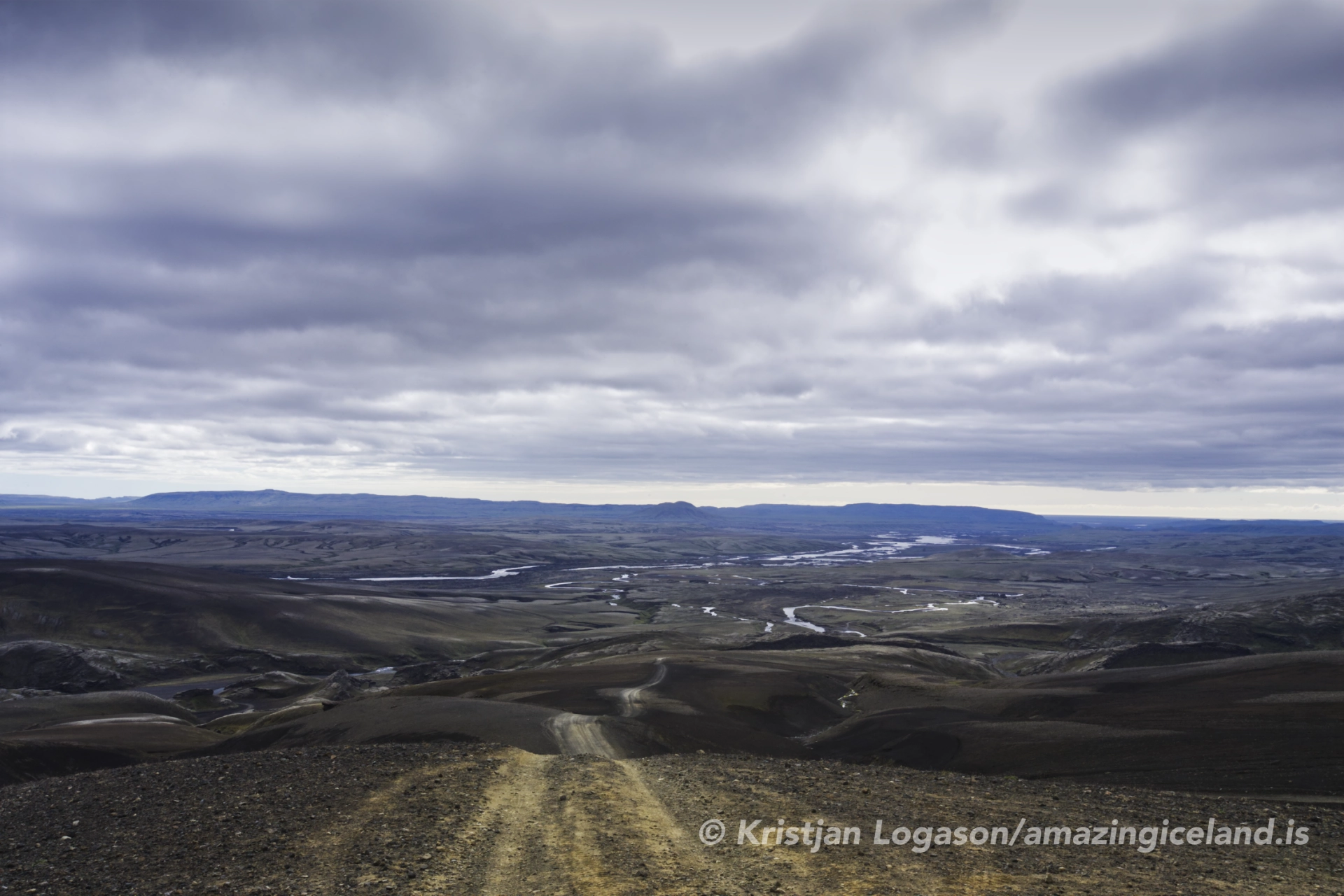
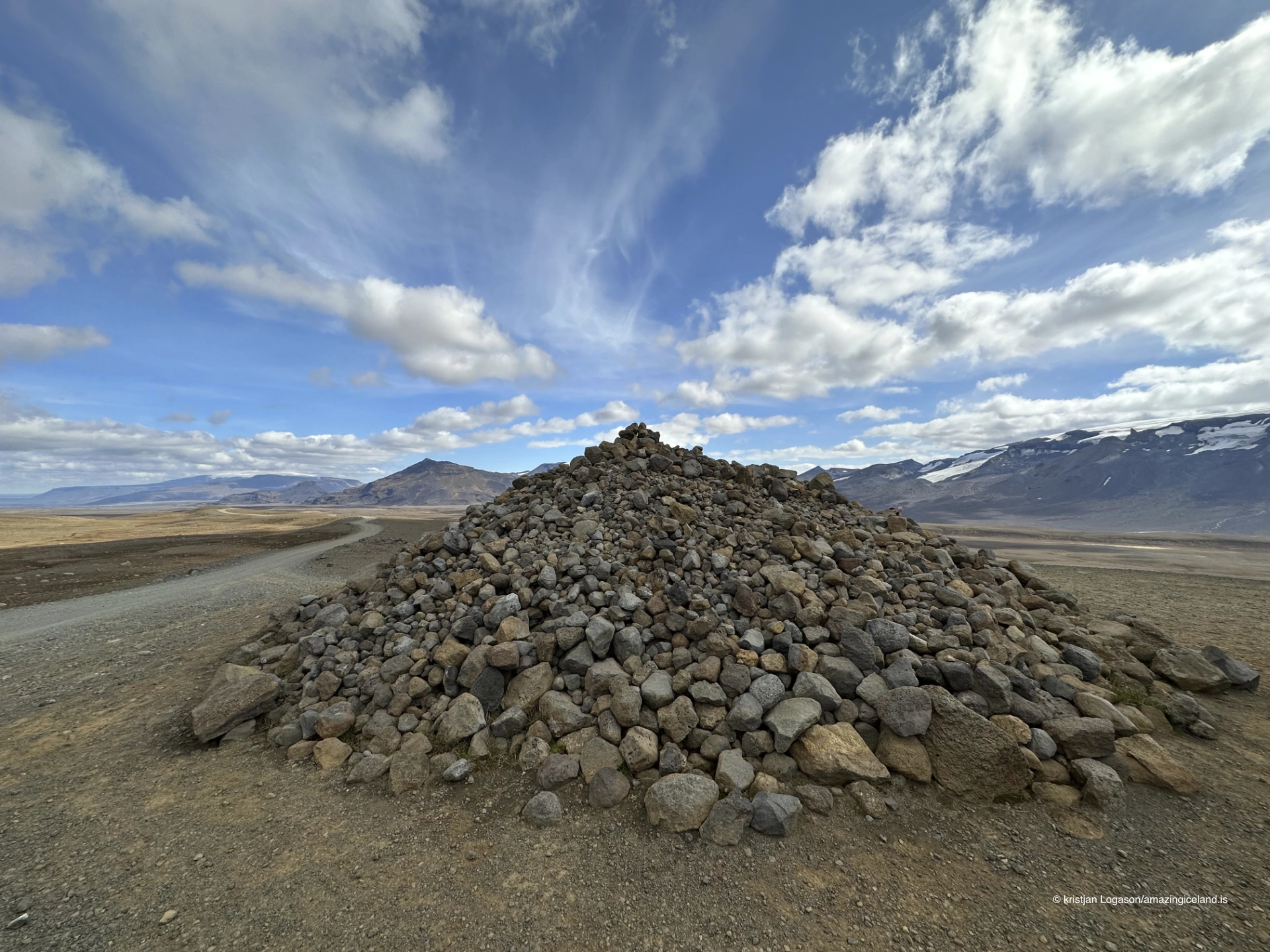
Geologically, Kaldidalur is the product of repeated glacial occupation and retreat. During colder periods, ice flowing from Langjökull filled the valley, scouring bedrock and depositing sediments. As glaciers retreated, meltwater reworked these deposits, flattening the valley floor and creating braided drainage patterns. The result is a landscape dominated by gravel plains, shallow channels, and minimal soil development.
From a geomorphological perspective, Kaldidalur functions as a glacial outwash corridor. Its openness is not accidental; it reflects sustained erosion and redistribution rather than accumulation. Vegetation remains sparse due to wind exposure, short growing seasons, and unstable substrate.
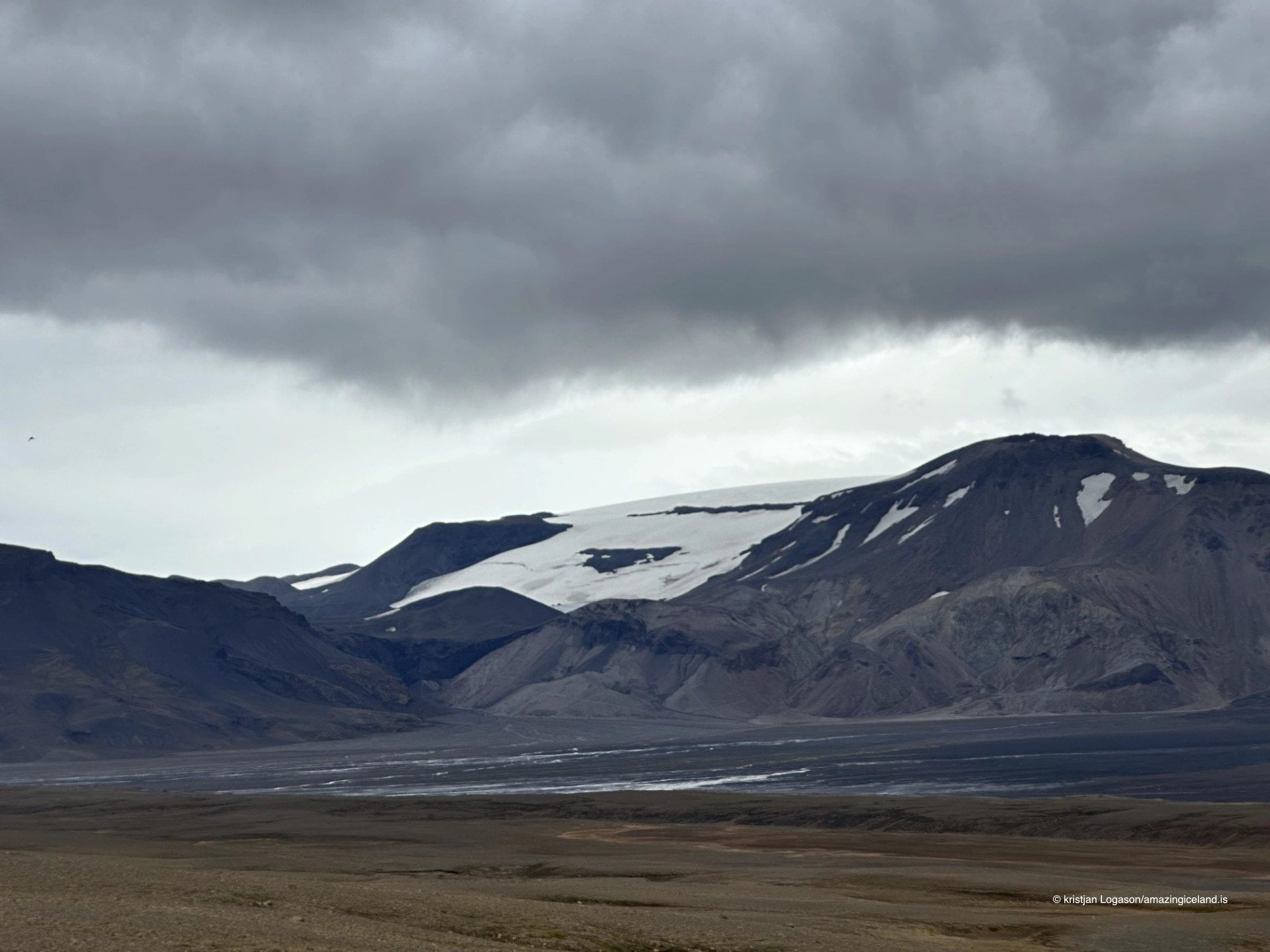
Hydrologically, the valley is active but understated. Meltwater from Langjökull feeds intermittent streams that shift course seasonally, sometimes disappearing into porous sediment before re-emerging downstream. There is little surface permanence here; water moves laterally and vertically through the system, reinforcing the valley’s transient character.
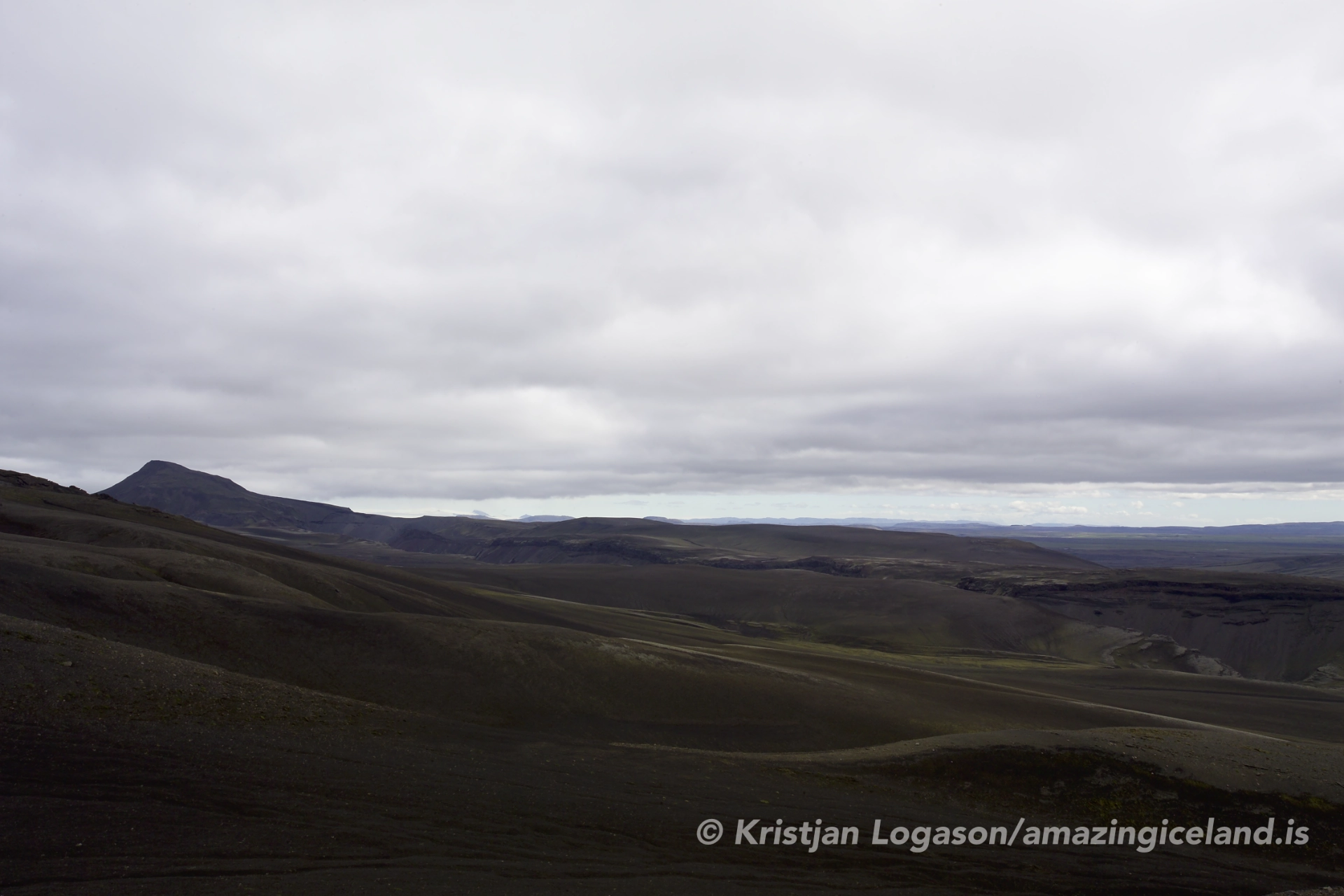
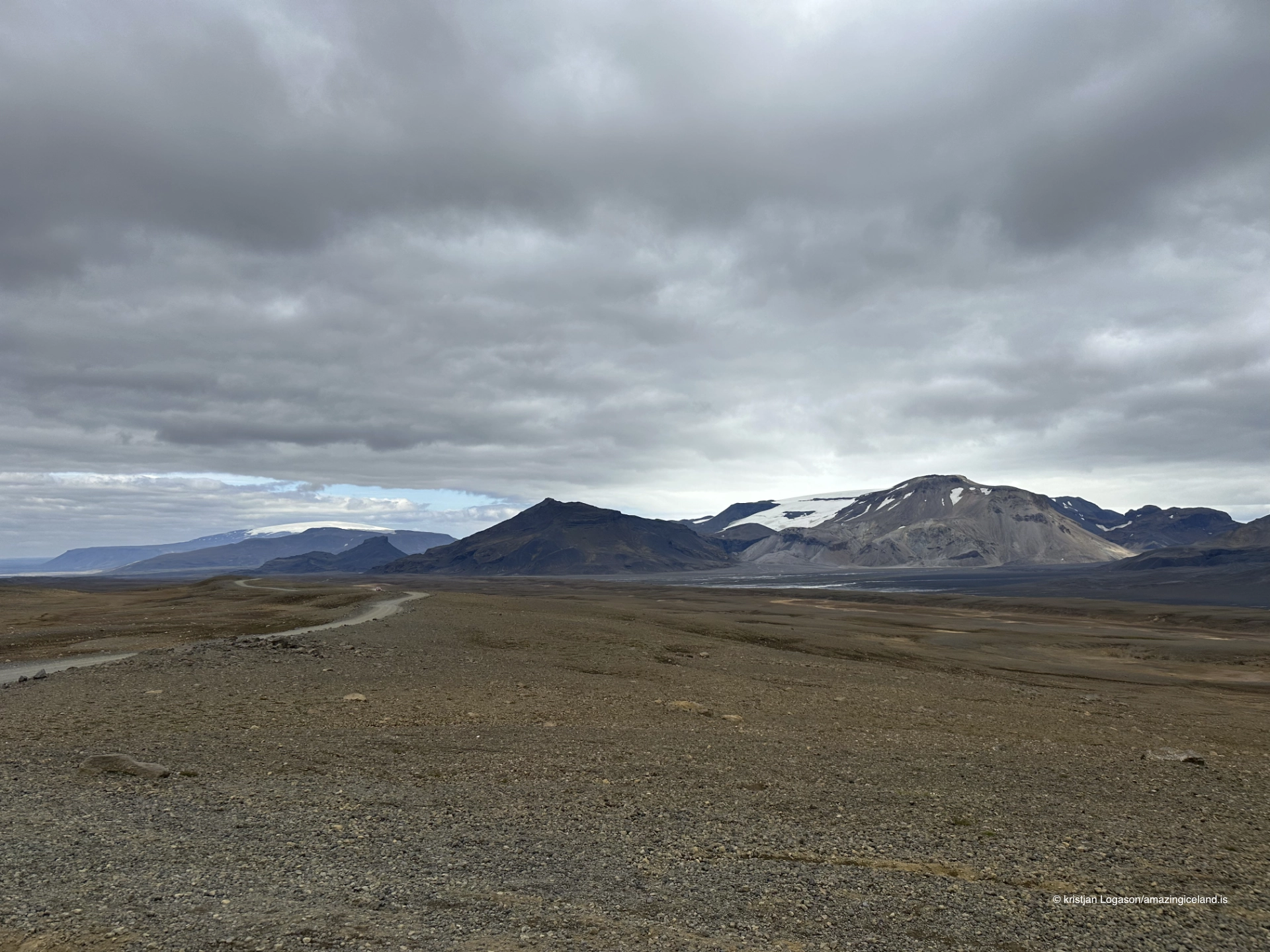
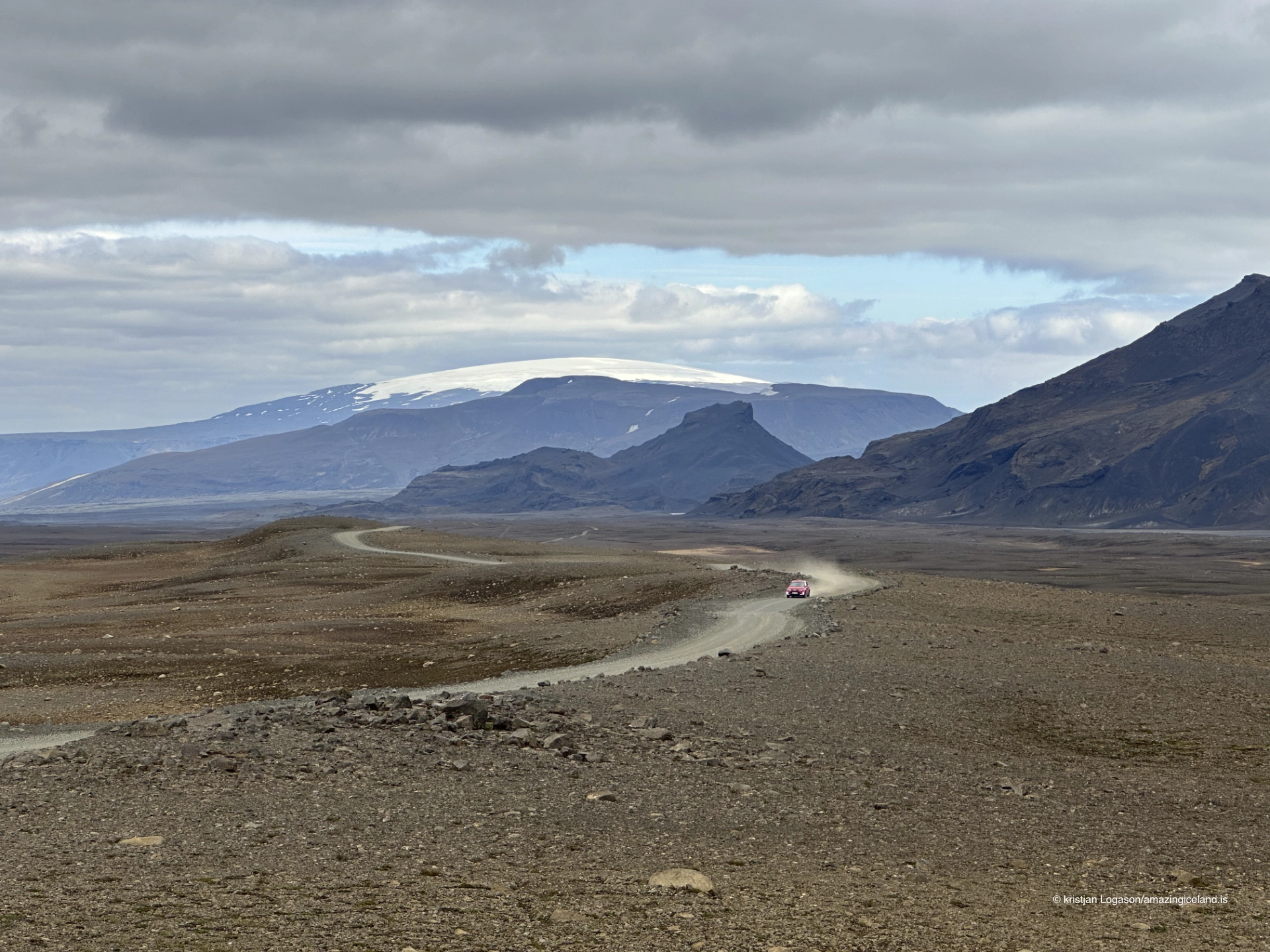
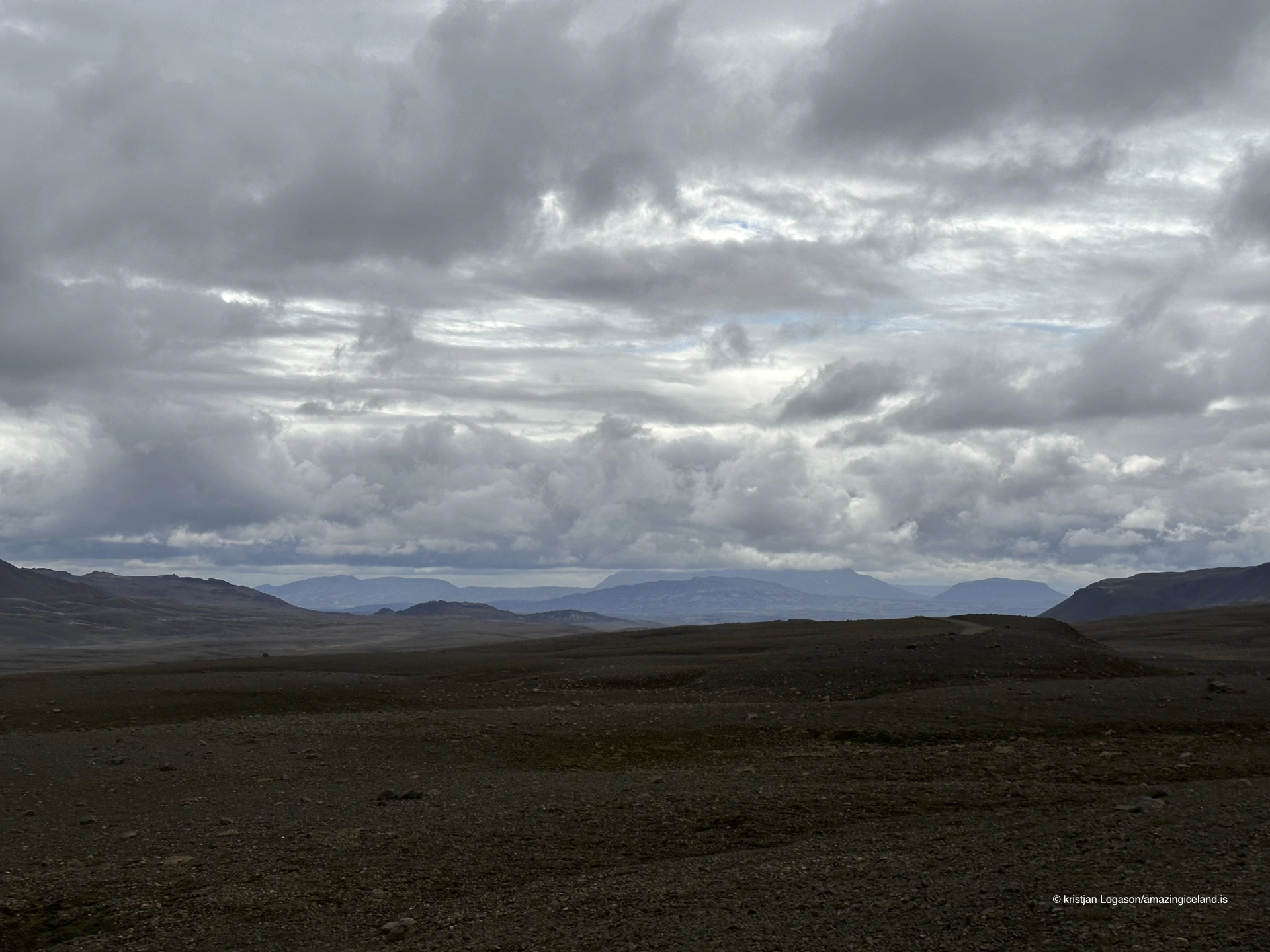
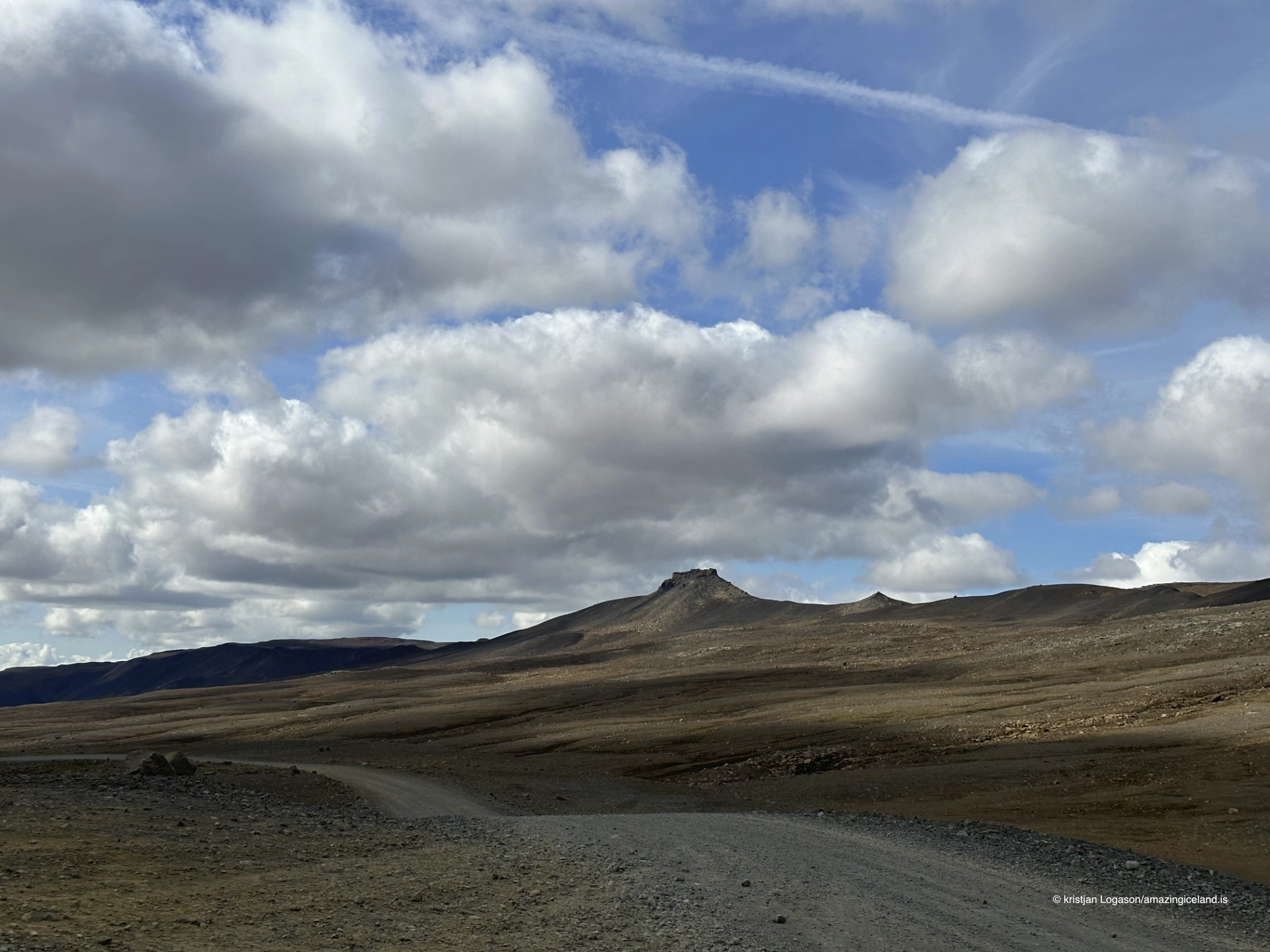
The surrounding terrain rises gently rather than abruptly, producing long sightlines and a strong sense of horizontal scale. Unlike fjords or canyons, Kaldidalur does not compress movement. It allows travel to unfold gradually, emphasizing distance and direction rather than enclosure.
This spatial quality has long defined human use. Kaldidalur was historically part of inland travel routes linking western Iceland to the interior. Movement through the valley was dictated by weather, season, and river conditions, reinforcing respect for timing and restraint
Today, Kaldidalur is traversed by the Kaldidalur Road, a gravel route open seasonally and subject to rapid closure due to weather or surface conditions. While less technically demanding than some highland F-roads, the route still requires caution, high-clearance vehicles, and situational awareness.
The road’s presence reinforces the valley’s function rather than altering it. There are no major services, viewpoints, or developed stops. Infrastructure is minimal, and the landscape remains dominant. This restraint preserves the valley’s readability as a working geomorphological system rather than a curated destination.
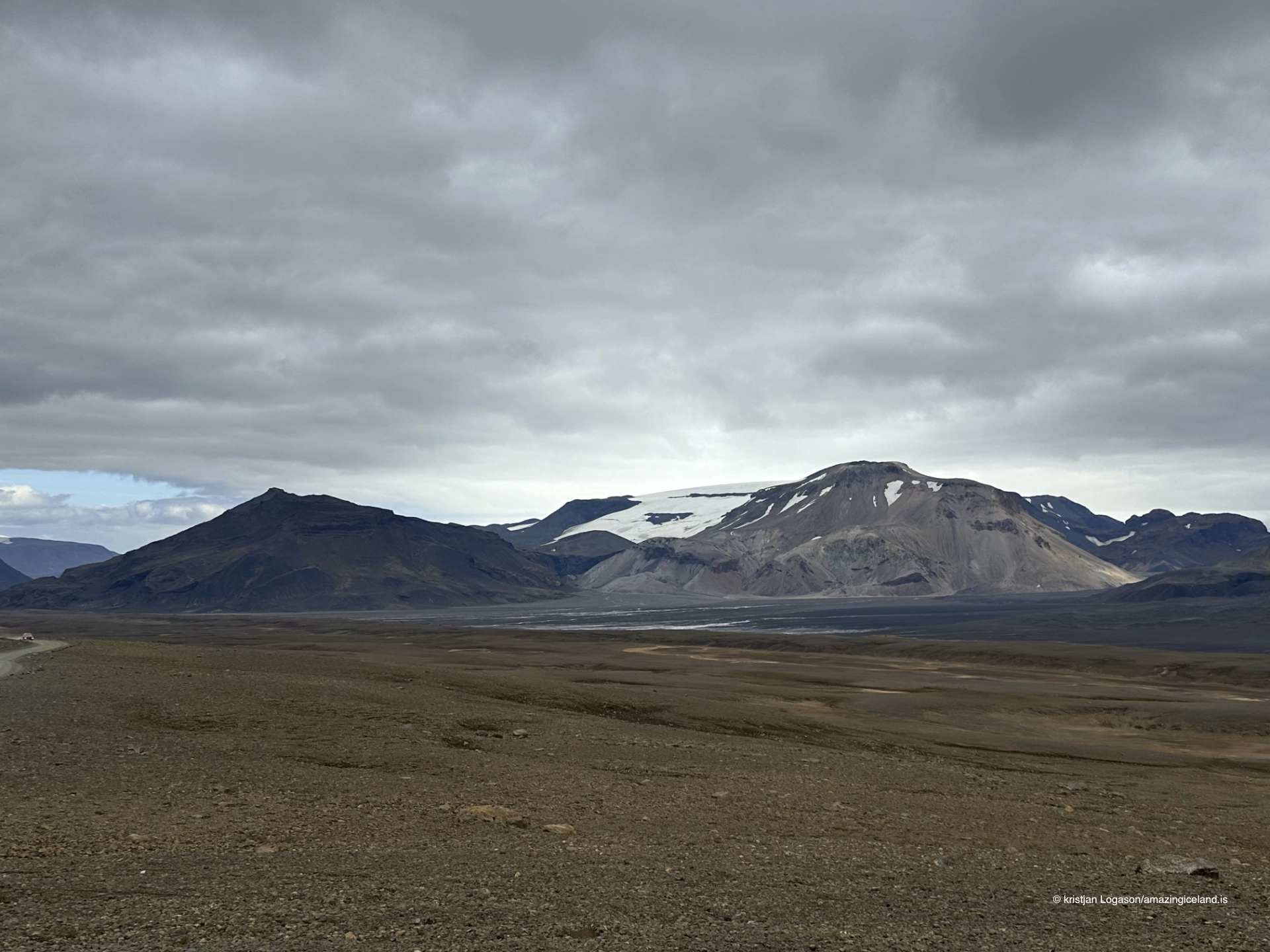
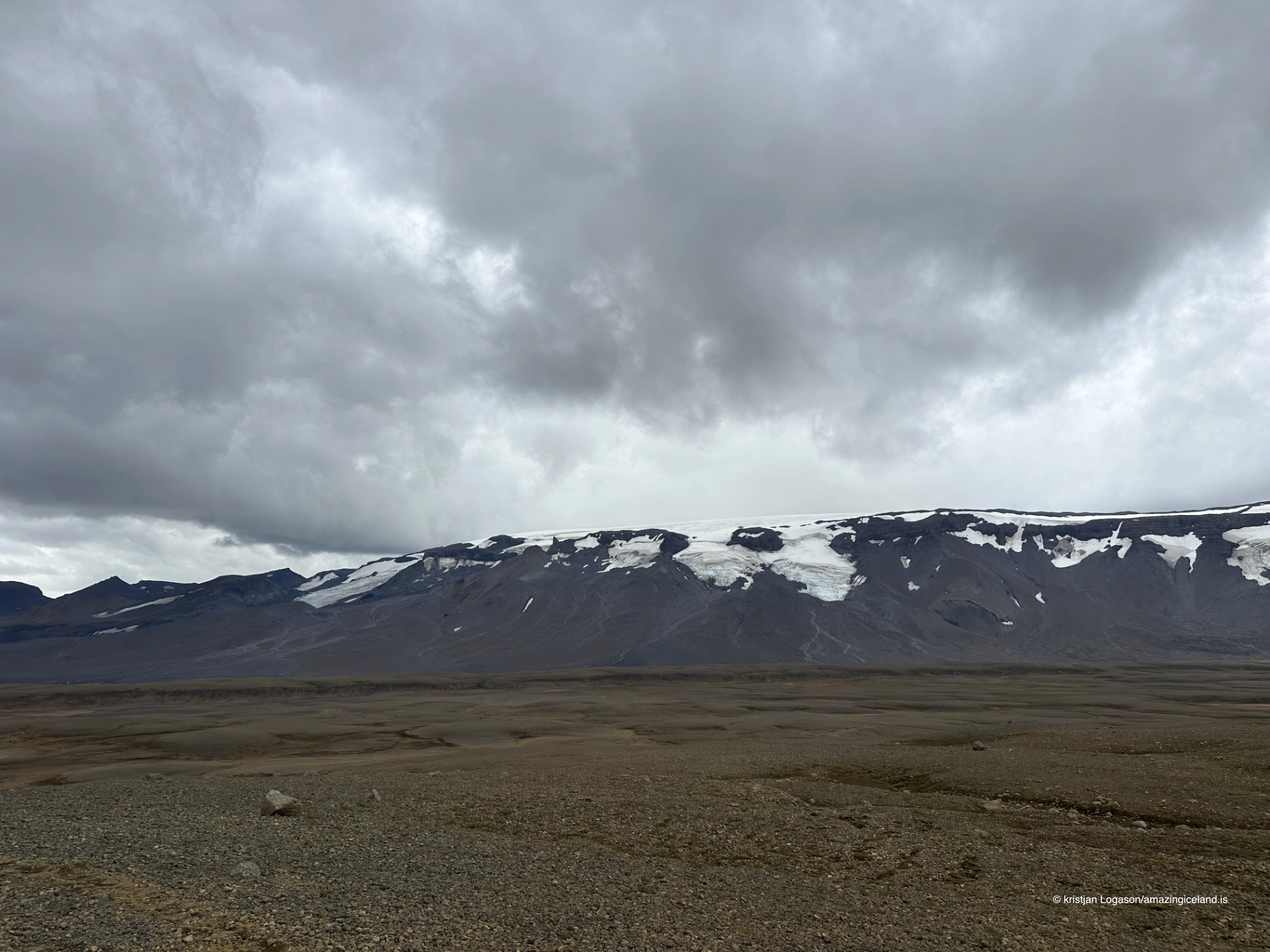
Climatic exposure is central to the valley’s identity. Wind accelerates across the open plain, clouds move quickly, and light conditions shift without warning. Snow can persist late into summer, and sudden weather changes are common. These factors reinforce the valley’s role as a passage requiring attentiveness rather than leisure.
The proximity of Langjökull is always present, even when the glacier itself is not directly visible. Cold air drainage, meltwater input, and sediment supply all tie the valley to the ice cap. To the west, the absence of Ok as an active glacier adds a contrasting layer—one ice source still shaping the land, another already gone.
This juxtaposition gives Kaldidalur particular relevance in discussions of glacial loss and landscape transition. The valley records both presence and absence, active processes and residual forms
Kaldidalur ultimately resists destination logic. It does not reward stopping so much as continuing. Its meaning emerges through traversal—through sustained exposure to wind, distance, and repetition.
Interesting facts:
- Kaldidalur lies between Langjökull and Ok, one of which is now glacier-free.
- The valley was shaped by glacial erosion and meltwater redistribution.
- Vegetation is sparse due to wind exposure and unstable sediment.
- The Kaldidalur Road is open only seasonally.
- The valley historically functioned as an inland travel corridor.
Image Gallery
The Locomotive Elite
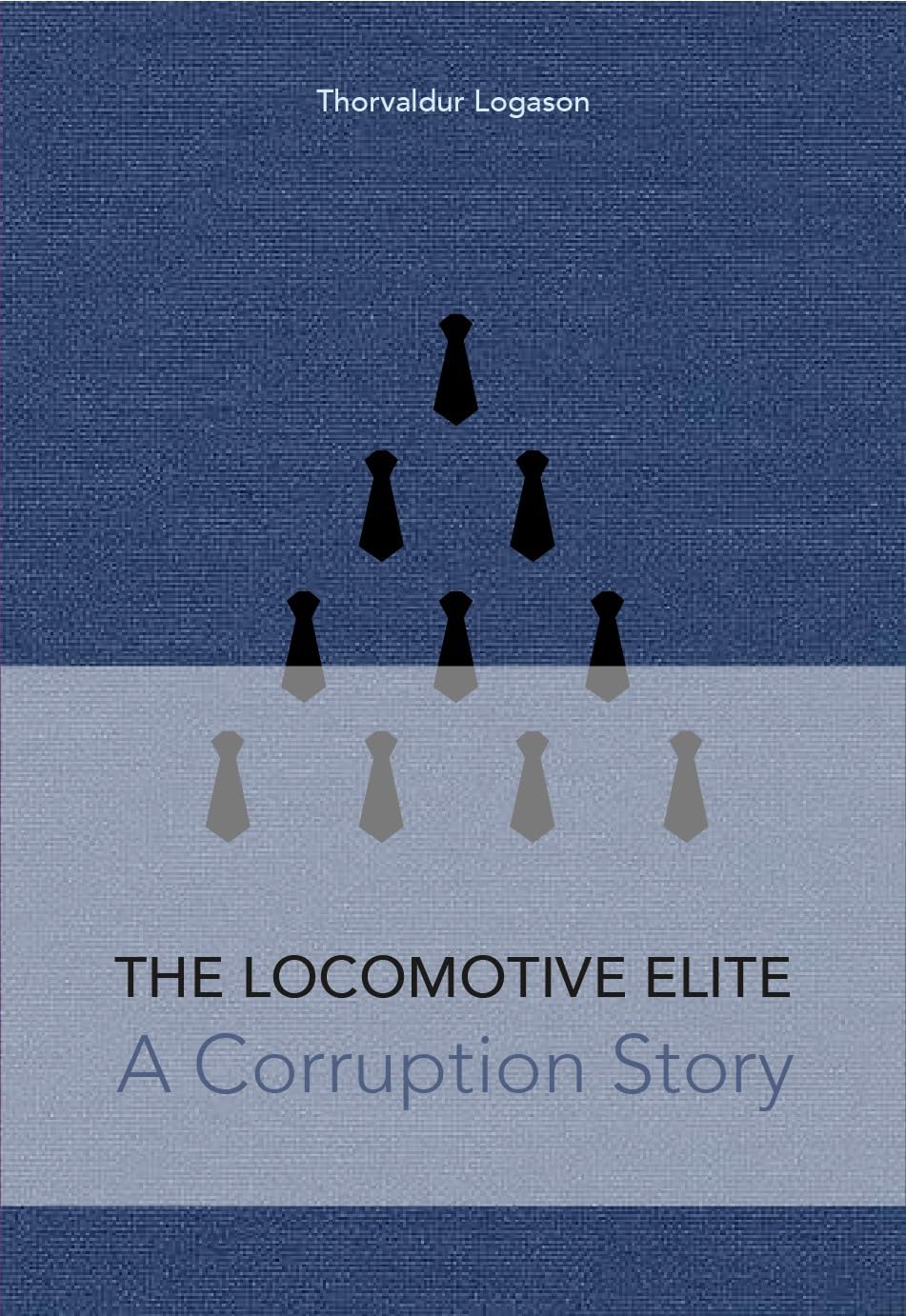
What do Donald Trump and Iceland’s Locomotive Elite have in common?
Far more than you think.
In The Locomotive Elite, you’ll uncover how a tiny clique in Iceland captured extensive control—of banks, courts, media, and even the central bank.
For decades they ruled, first democratically, then through corruption and in the end through crime, enriching themselves and their cronies while dismantling oversight.
The result?
One of the most spectacular financial collapses in modern history.
Photography tips:
- Emphasize horizontality: Wide frames suit the valley’s scale and openness.
- Weather honesty: Wind, cloud, and flat light are integral—not flaws.
- Use road sparingly: Tracks can guide the eye but shouldn’t dominate.
- Mid-distance focus: Avoid foreground clutter; let space carry the image.
- Sequence thinking: Series work communicates traversal better than single frames.
Good cameras for Iceland
Sony A7R V

Sony A7s lll

Canon R6

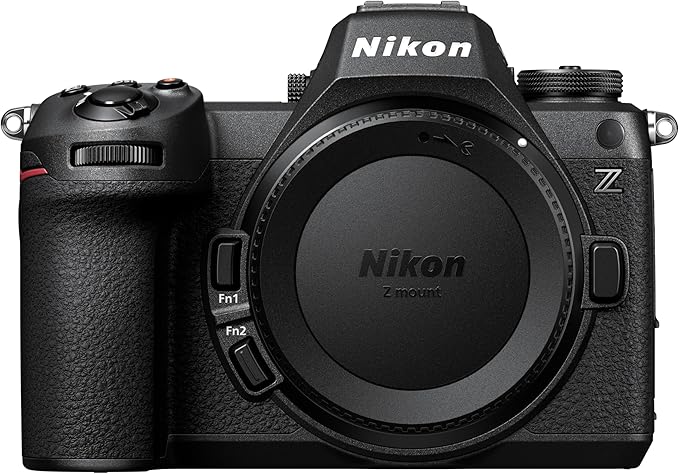
Nikon Z6 lll
Destinations nearby
Good to have in Iceland