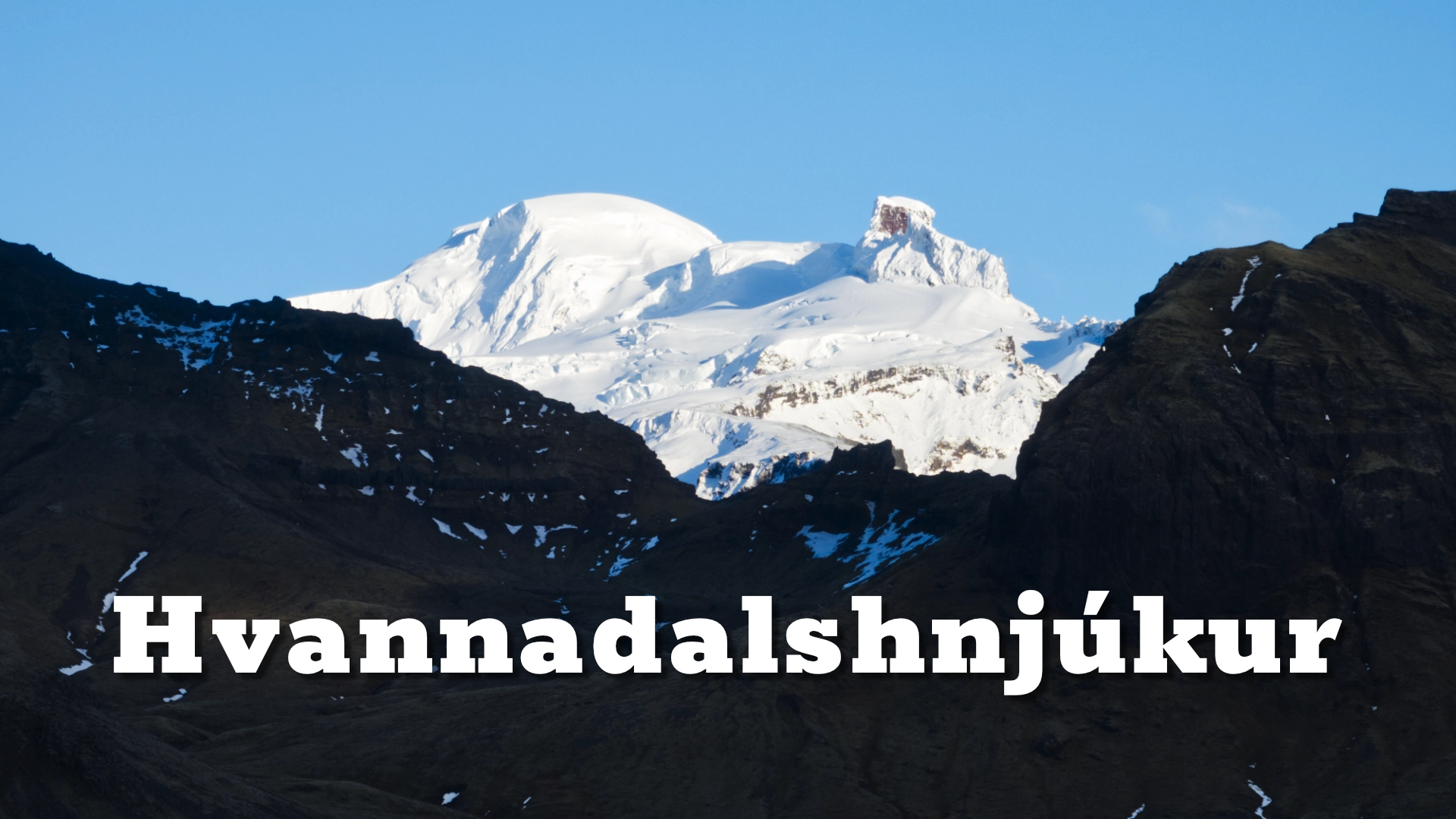
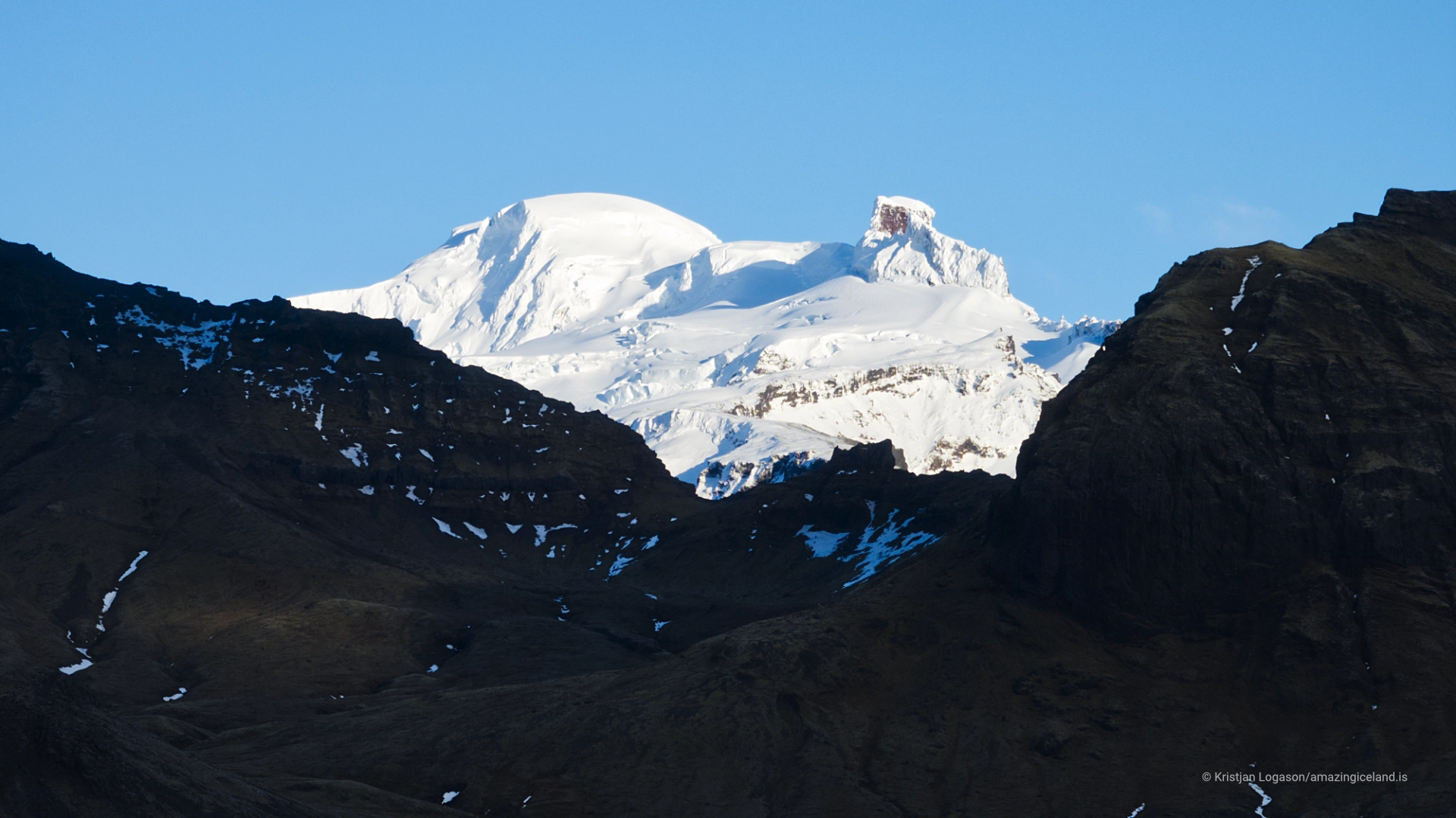
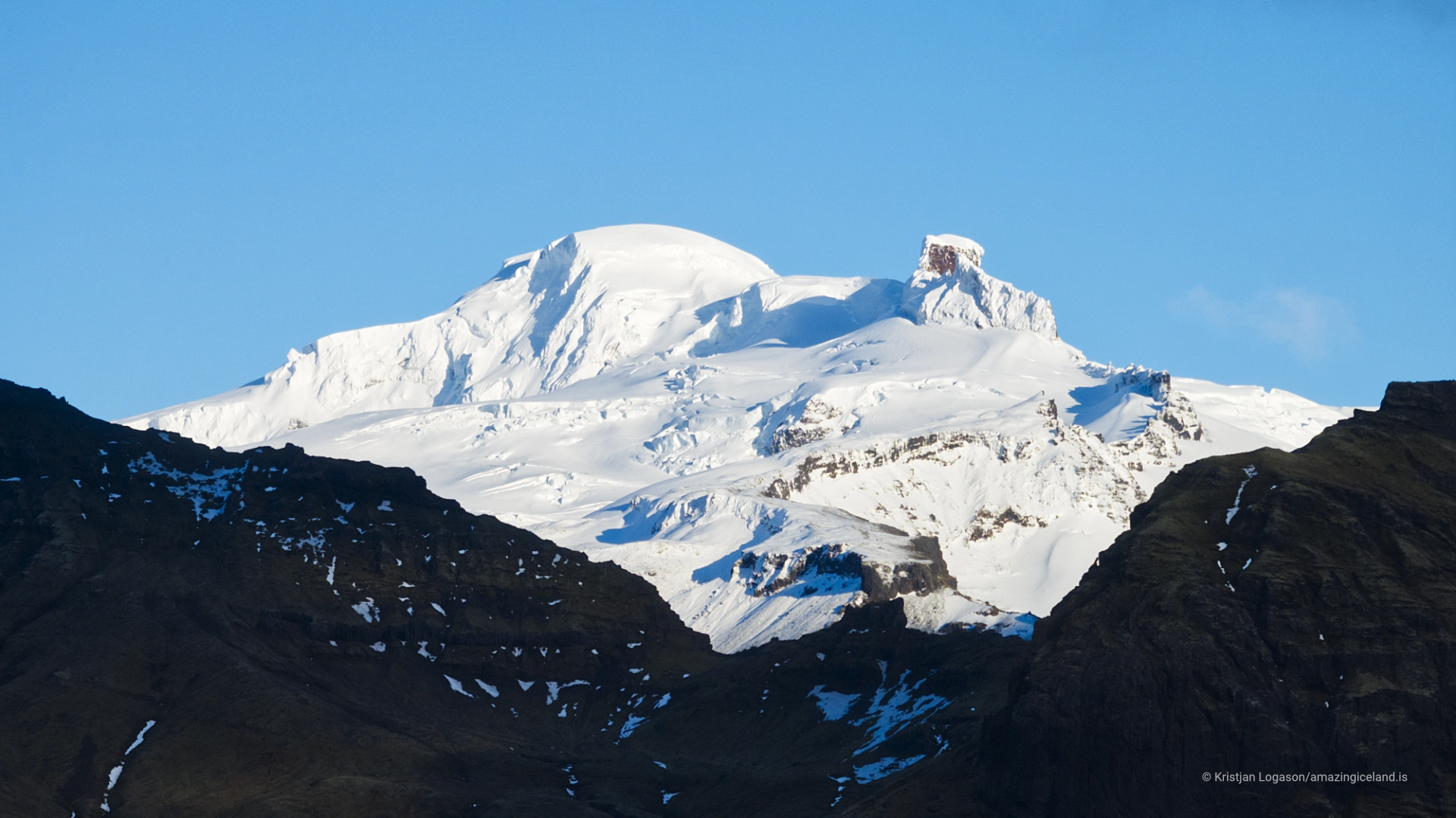
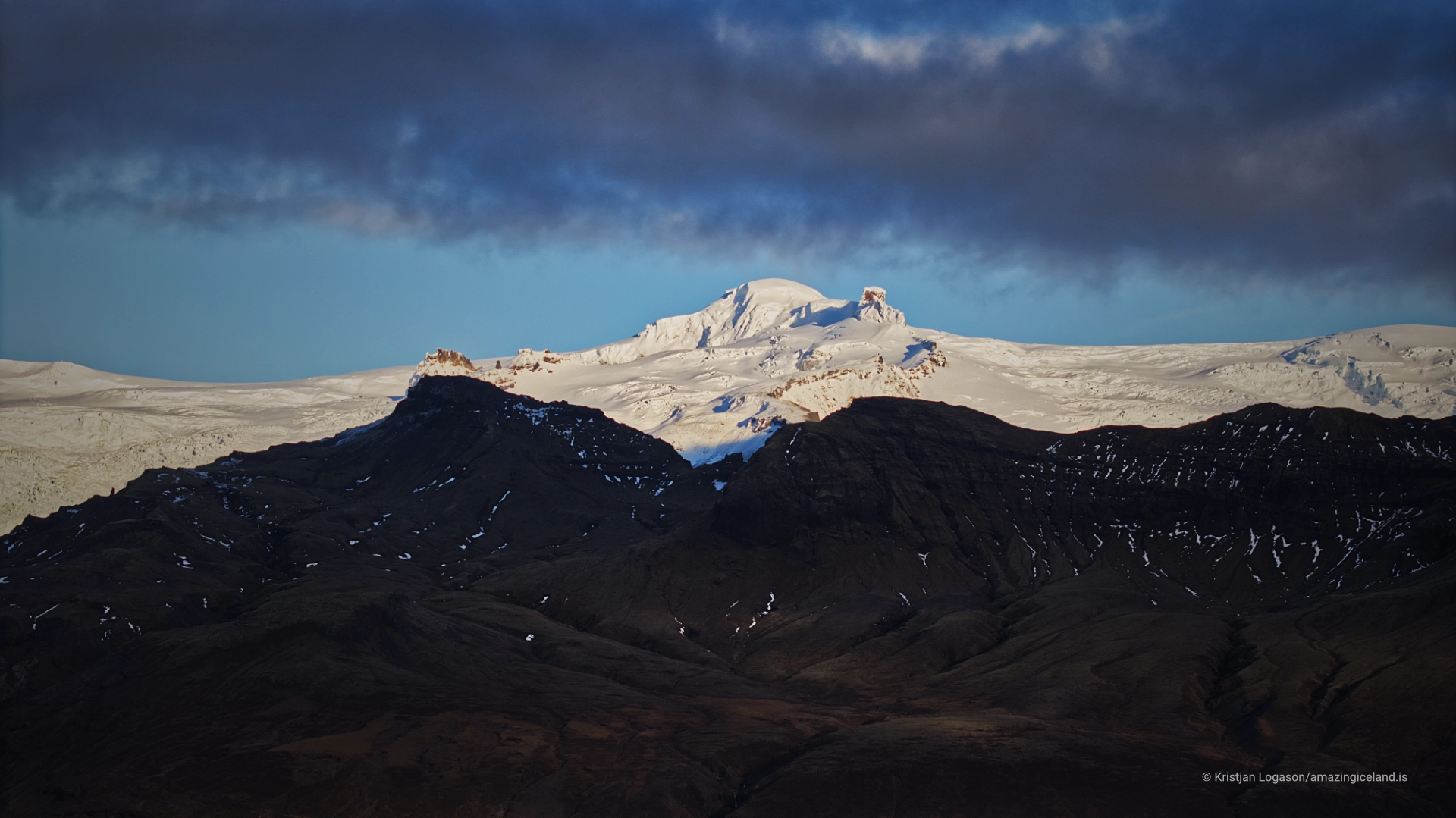
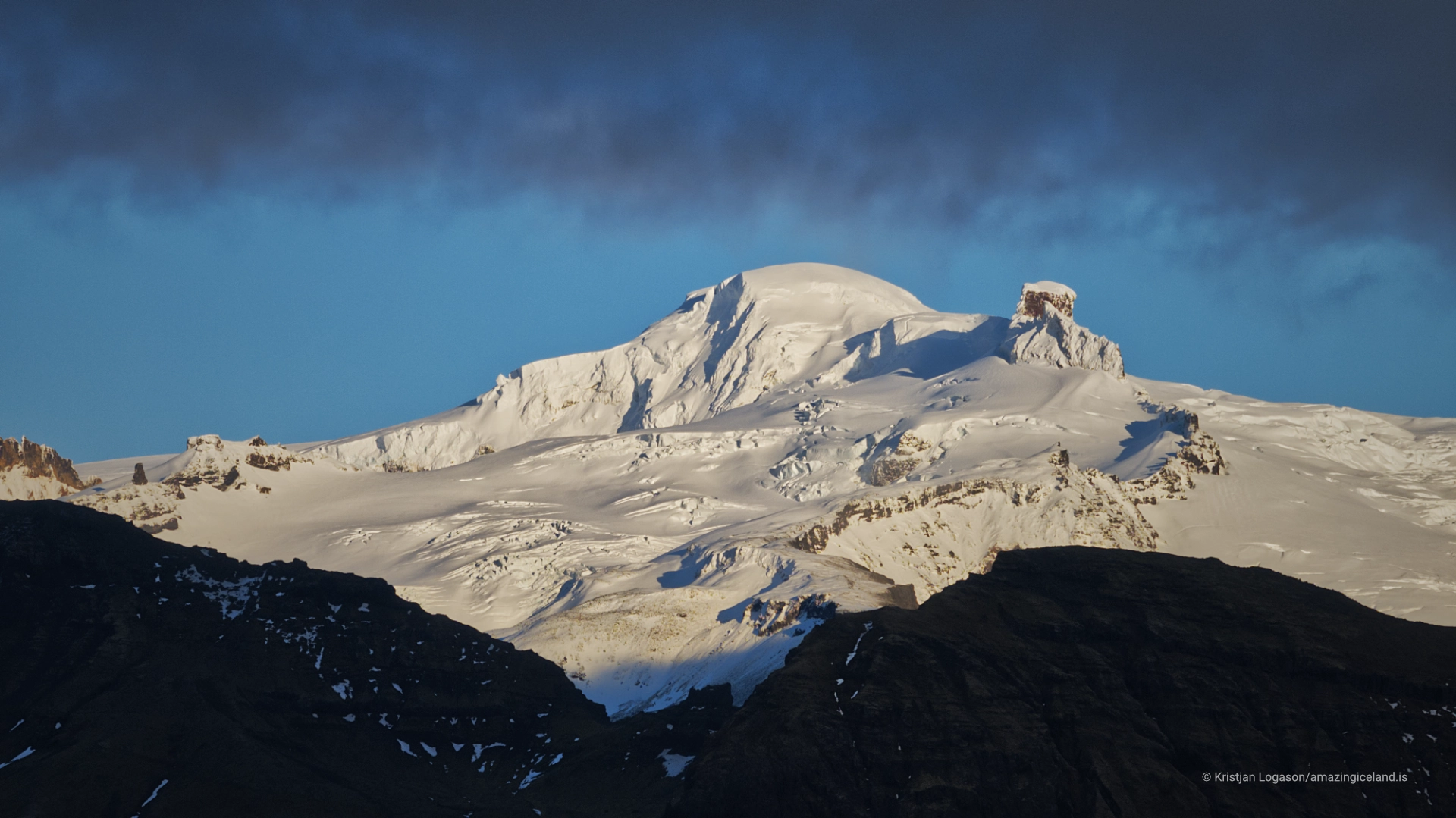
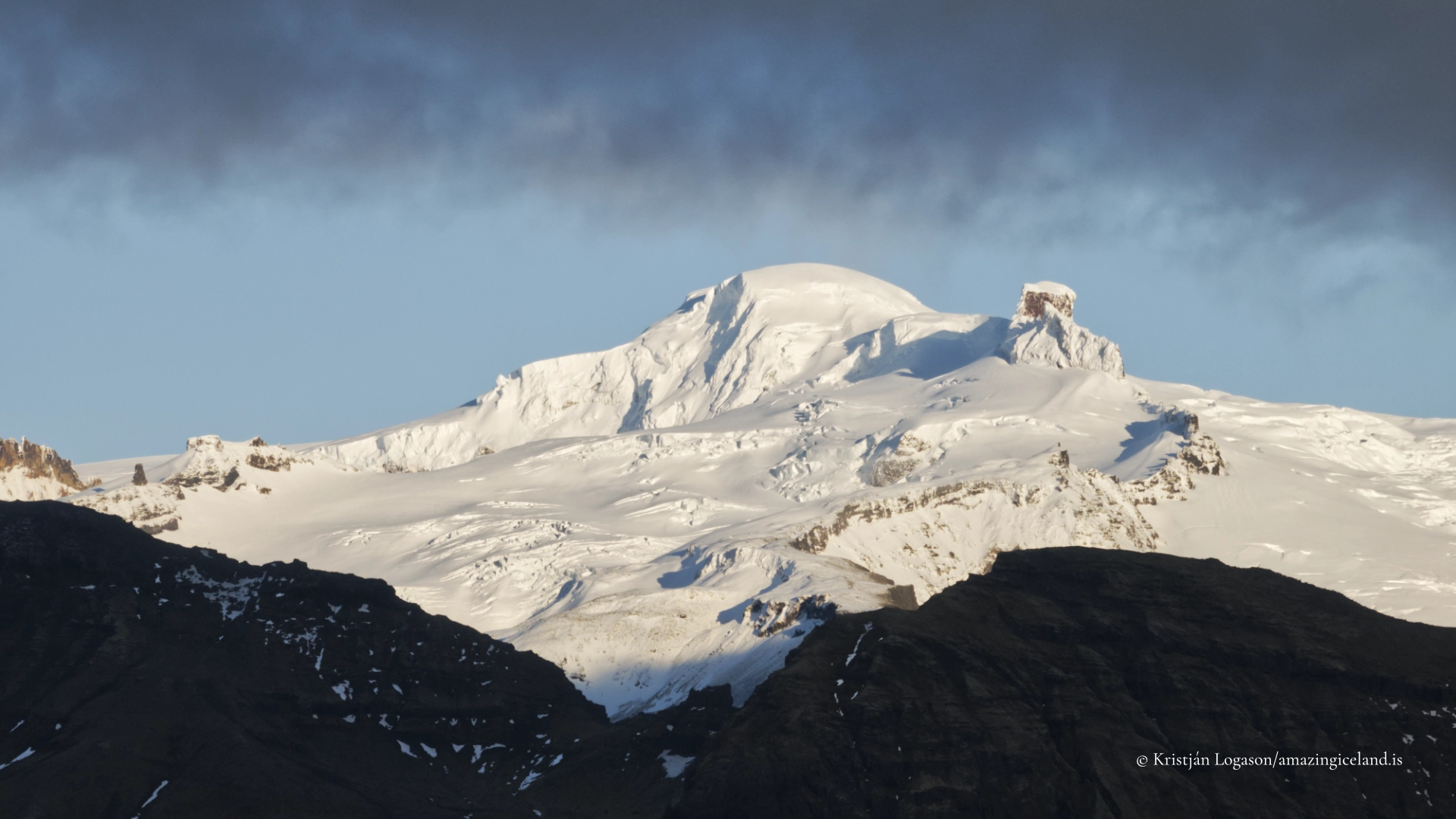
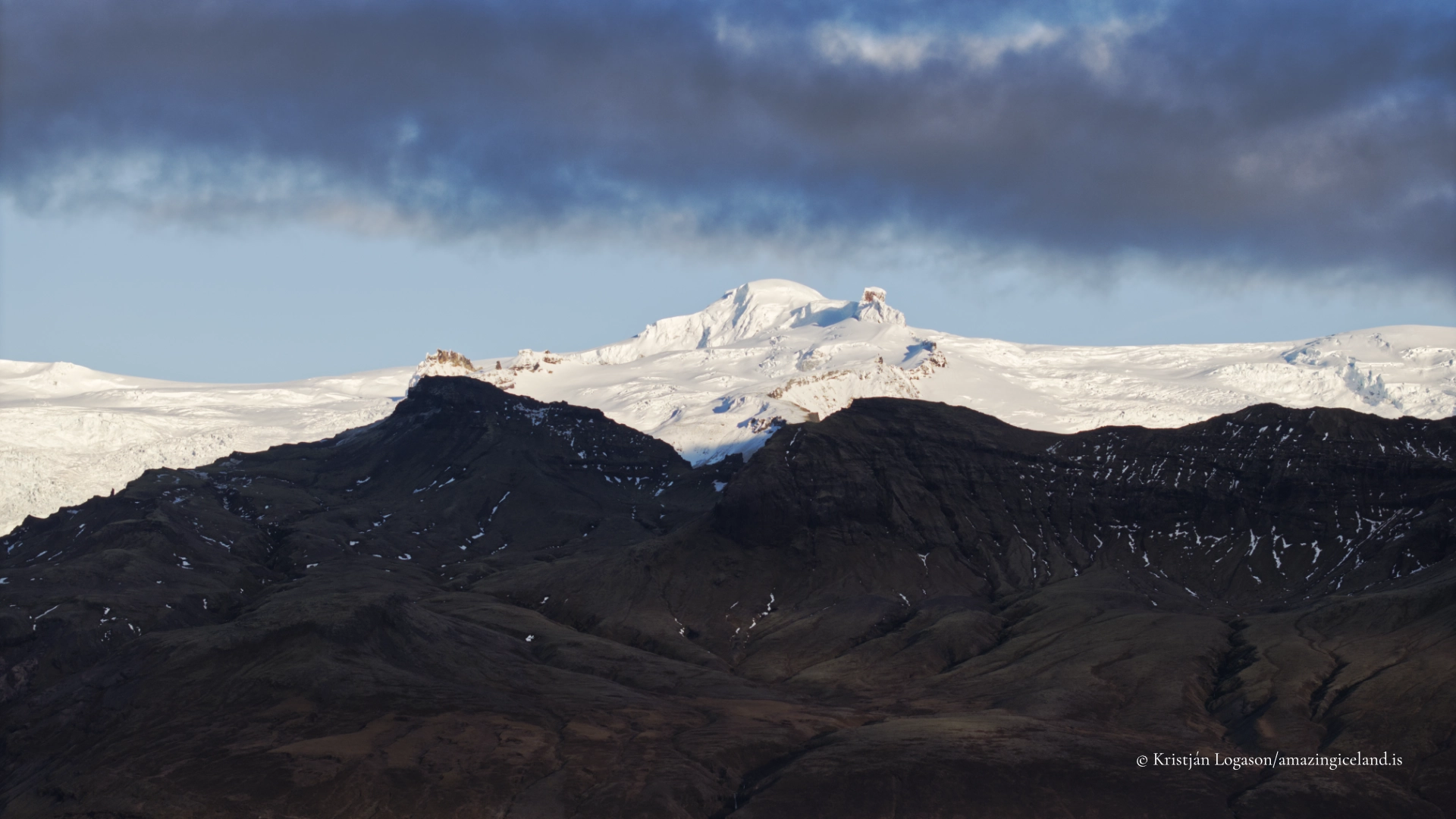
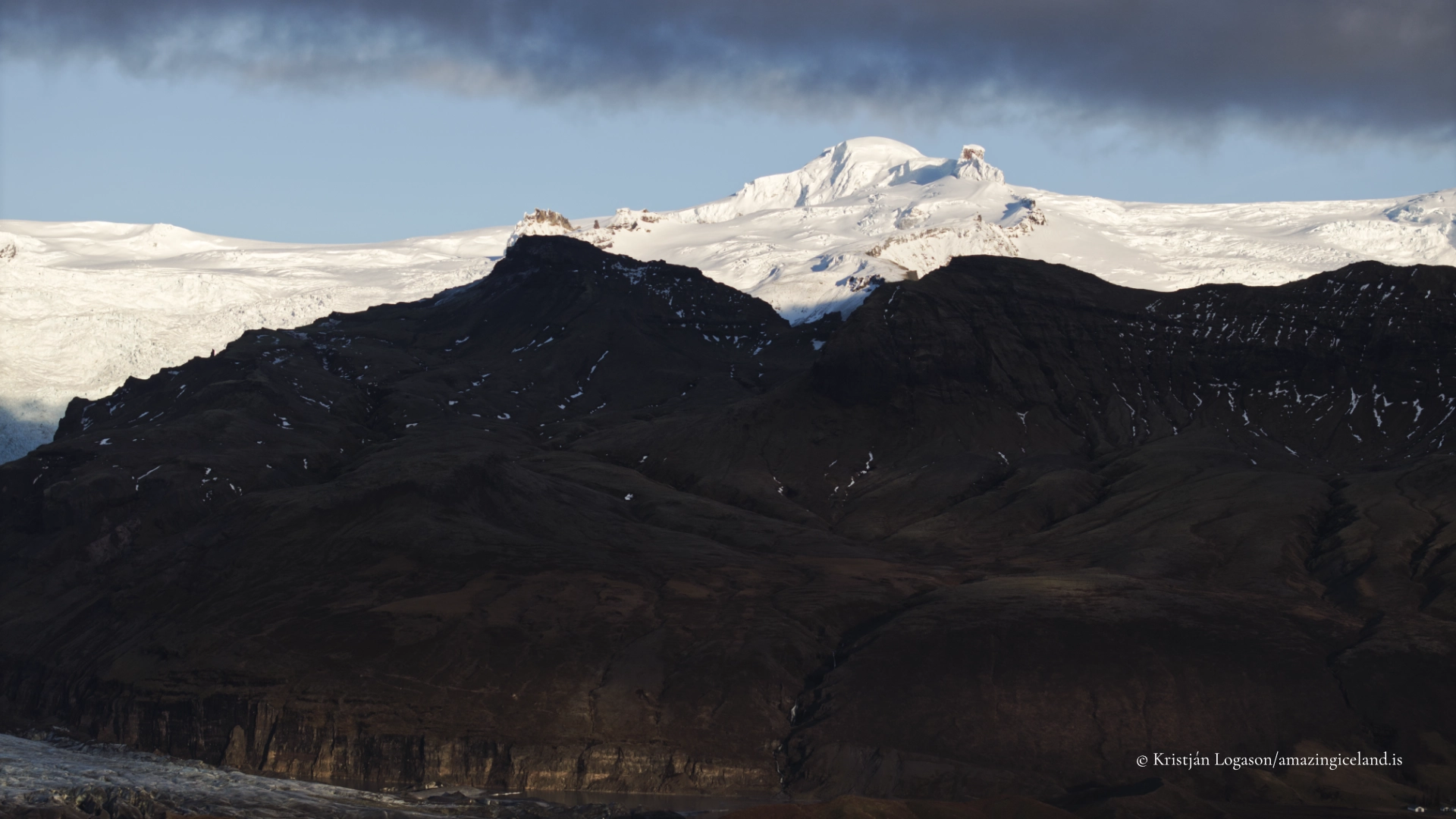
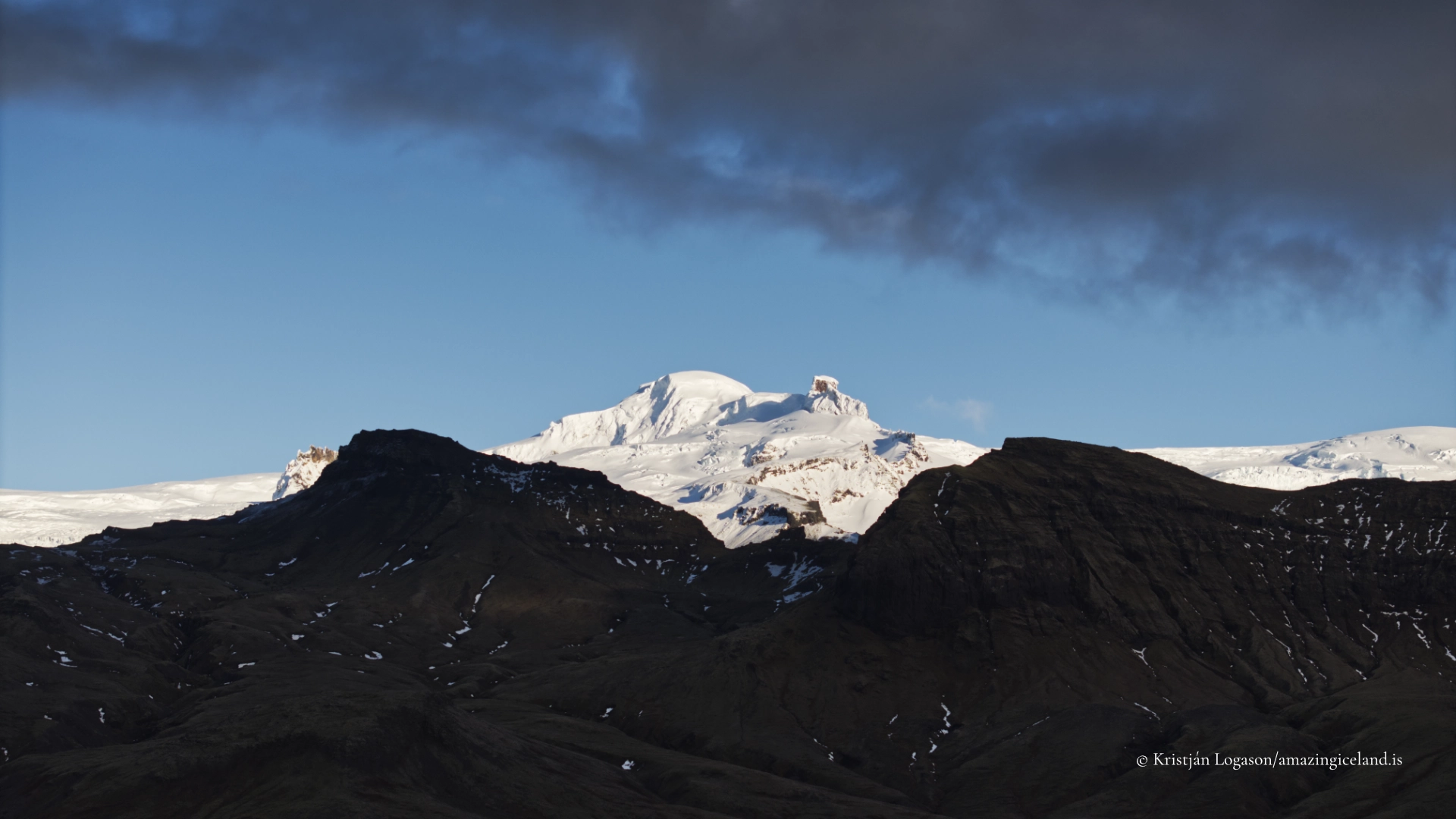
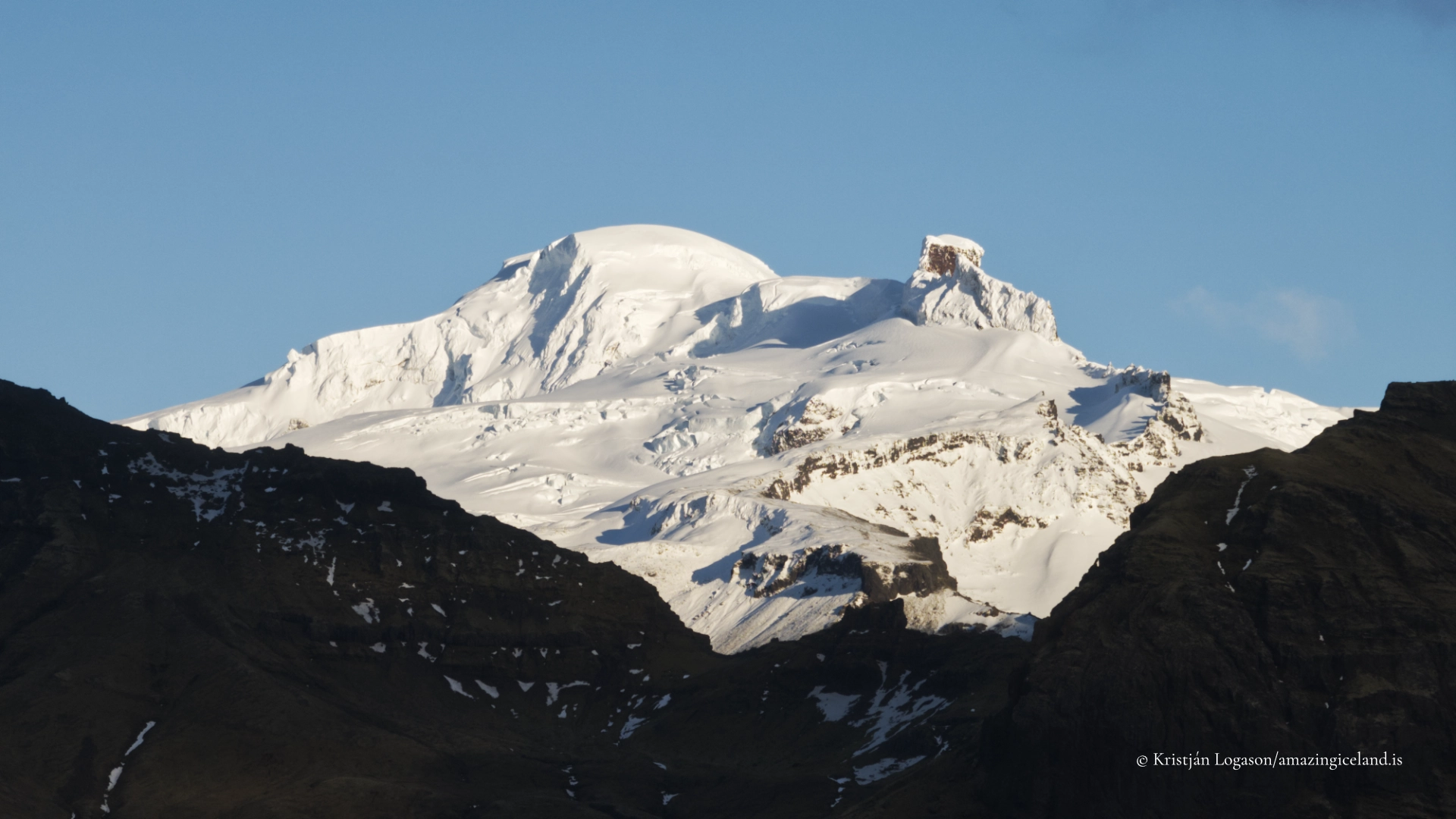
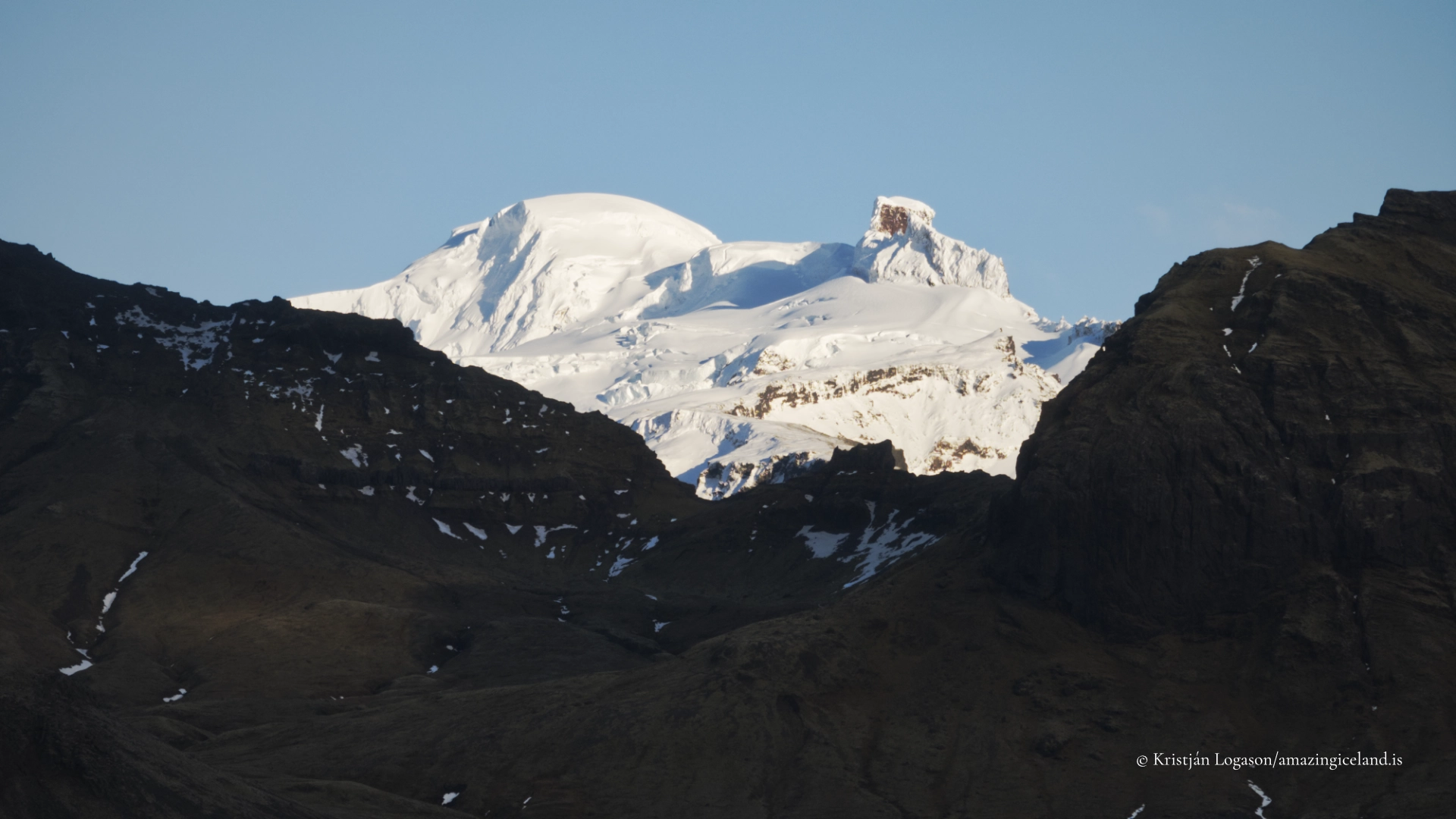
On the southern edge of Vatnajökull, atop the ice-covered volcano Öræfajökull, Hvannadalshnjúkur rises to 2,110 meters above sea level, making it the highest peak in Iceland. The summit is entirely glaciated, defined by snow and ice rather than exposed bedrock.
The location of Hvannadalshnjúkur Mountain top
64.0167
Latitude
Longitude
-16.9750
Hvannadalshnjúkur Mountain top
Hvannadalshnjúkur forms the highest point of the Öræfajökull volcanic massif, itself part of the larger Vatnajökull ice cap. Unlike many of Iceland’s prominent mountains, Hvannadalshnjúkur is not a rocky summit protruding above ice, but a high point within a continuous glacial surface. Its elevation is therefore dynamic, subject to long-term changes in ice thickness.
The mountain’s height—currently measured at approximately 2,110 m—has been refined through repeated surveys, reflecting both improved measurement techniques and gradual thinning of the ice cap. This variability underscores a key fact: Iceland’s highest point is not geologically fixed in the same way as exposed peaks elsewhere.
From a physical geography perspective, Hvannadalshnjúkur is best understood as a glacial summit rather than a conventional mountain top.
Öræfajökull, beneath the ice, is an active stratovolcano. Its massive caldera and eruptive history have shaped the surrounding Öræfasveit region, including some of Iceland’s most destructive historical eruptions. Hvannadalshnjúkur occupies the southern rim area of this volcanic system, elevated by both tectonic uplift and volcanic construction before being buried by ice.
The ice cap masks nearly all surface evidence of volcanism at the summit. However, geothermal heat and subglacial topography influence ice flow patterns, crevasse formation, and accumulation zones around the peak.
This combination of volcanism and ice places Hvannadalshnjúkur among the clearest examples of volcano–glacier interaction in Iceland.
Access to Hvannadalshnjúkur is strictly non-technical in climbing terms but highly demanding in alpine and glacial context. All routes involve extensive glacier travel, crevasse navigation, and significant elevation gain. Weather conditions are often severe, with strong winds, low temperatures, and rapid changes in visibility.
As a result, ascent of Hvannadalshnjúkur is typically undertaken only with experienced guides and appropriate equipment. There are no marked trails, no permanent infrastructure, and no facilities beyond the lowland approach.
Visually, Hvannadalshnjúkur offers no dramatic summit feature. There is no peak marker, no exposed ridge, and no panoramic rock platform. The summit is a subtle rise within a broad ice field, often indistinguishable without instruments.
This absence is central to its meaning. The highest point in Iceland is defined by continuity rather than contrast—by accumulation rather than emergence. The experience of the summit is therefore conceptual as much as visual.
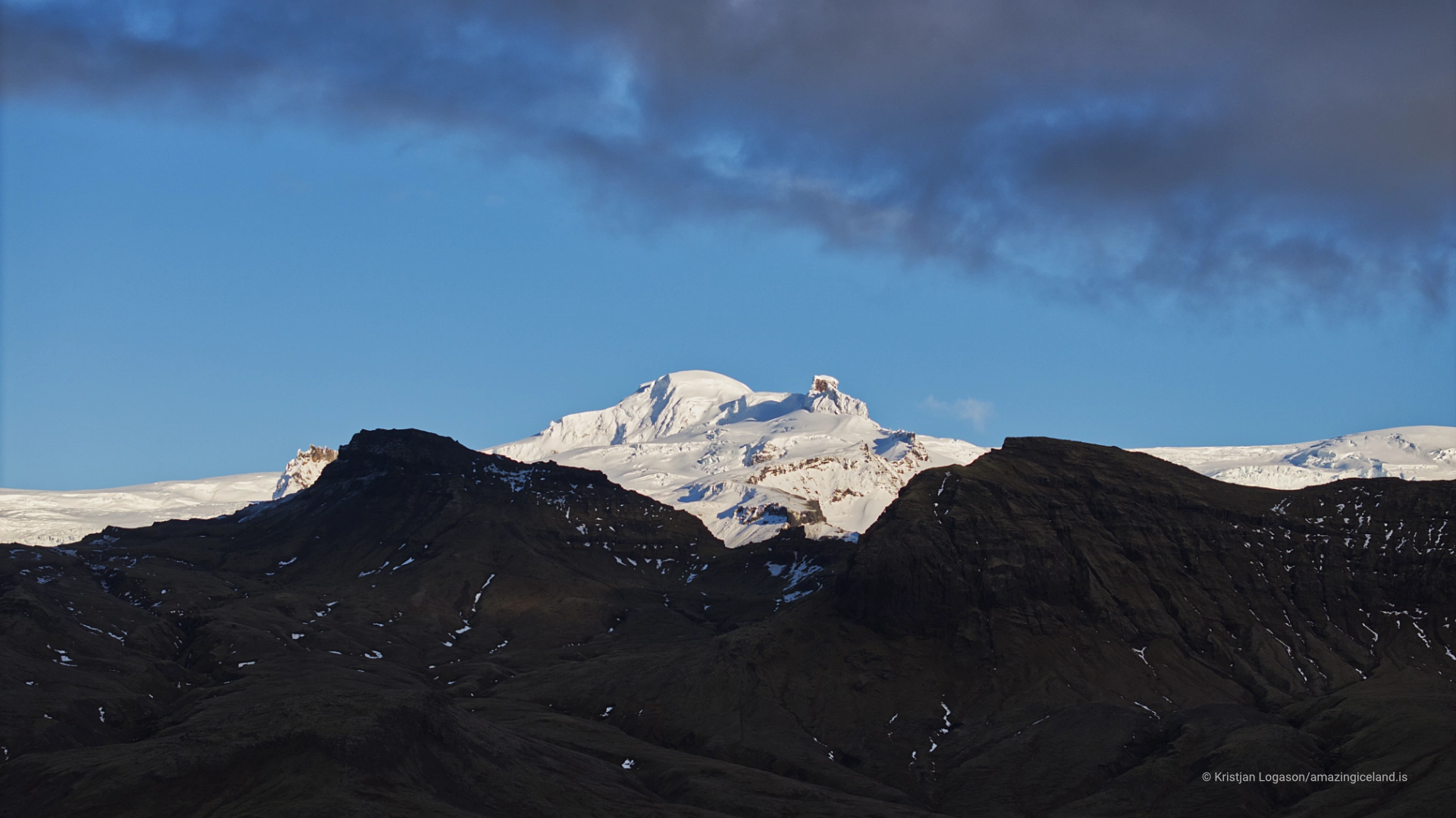
In clear conditions, the view extends across the southern margin of Vatnajökull and toward the Atlantic coast, revealing the scale of ice rather than the dominance of height.
Hvannadalshnjúkur ultimately reframes the idea of a highest point. It is not a symbol of rugged exposure, but of coverage—where ice, not stone, determines elevation. Its significance lies in what it reveals about Iceland: that its extremes are often defined by interaction between systems rather than singular forms.
Interesting facts:
- Hvannadalshnjúkur is Iceland’s highest point, at approximately 2,110 m.
- The summit lies on the ice-covered volcano Öræfajökull.
- Elevation varies slightly due to changes in ice thickness.
- The summit is entirely glaciated, with no exposed rock.
- All ascents involve long glacier travel and alpine conditions.
Image Gallery

The Locomotive Elite
What do Donald Trump and Iceland’s Locomotive Elite have in common?
Far more than you think.
In The Locomotive Elite, you’ll uncover how a tiny clique in Iceland captured extensive control—of banks, courts, media, and even the central bank.
For decades they ruled, first democratically, then through corruption and in the end through crime, enriching themselves and their cronies while dismantling oversight.
The result?
One of the most spectacular financial collapses in modern history.
Photography tips:
- Think in planes, not peaks: The summit is subtle—context matters more than form.
- Wide glacial views: Ice scale communicates elevation better than close detail.
- Minimal contrast: Over-processing destroys surface texture.
- Human scale cautiously: Small figures emphasize exposure but require safe distance.
- Weather defines outcome: Clear conditions are rare and decisive.
Good cameras for Iceland
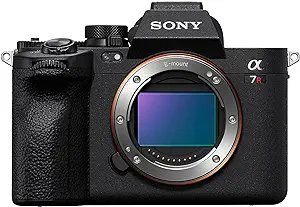
Sony A7R V
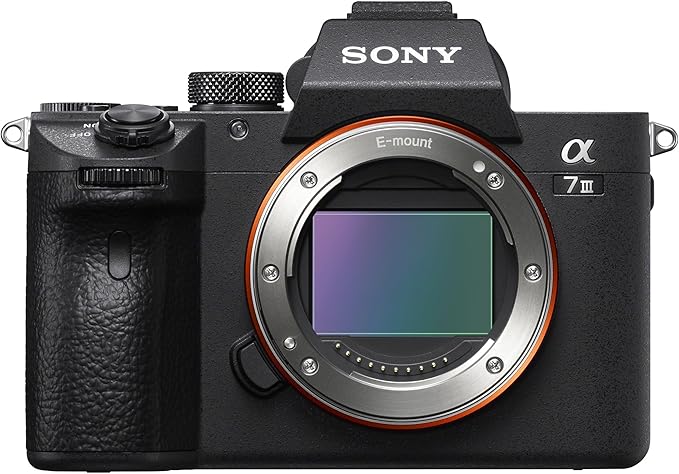
Sony A7s lll
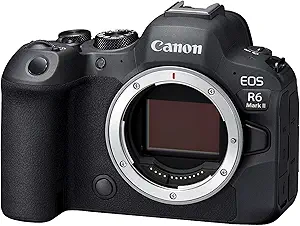
Canon R6
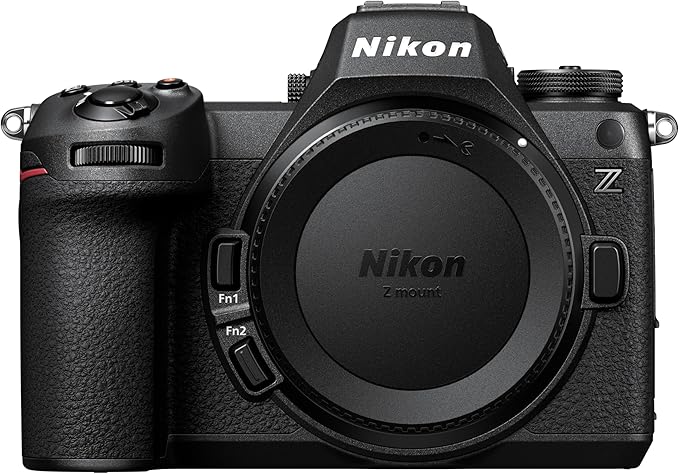
Nikon Z6 lll
Destinations nearby
Good to have in Iceland