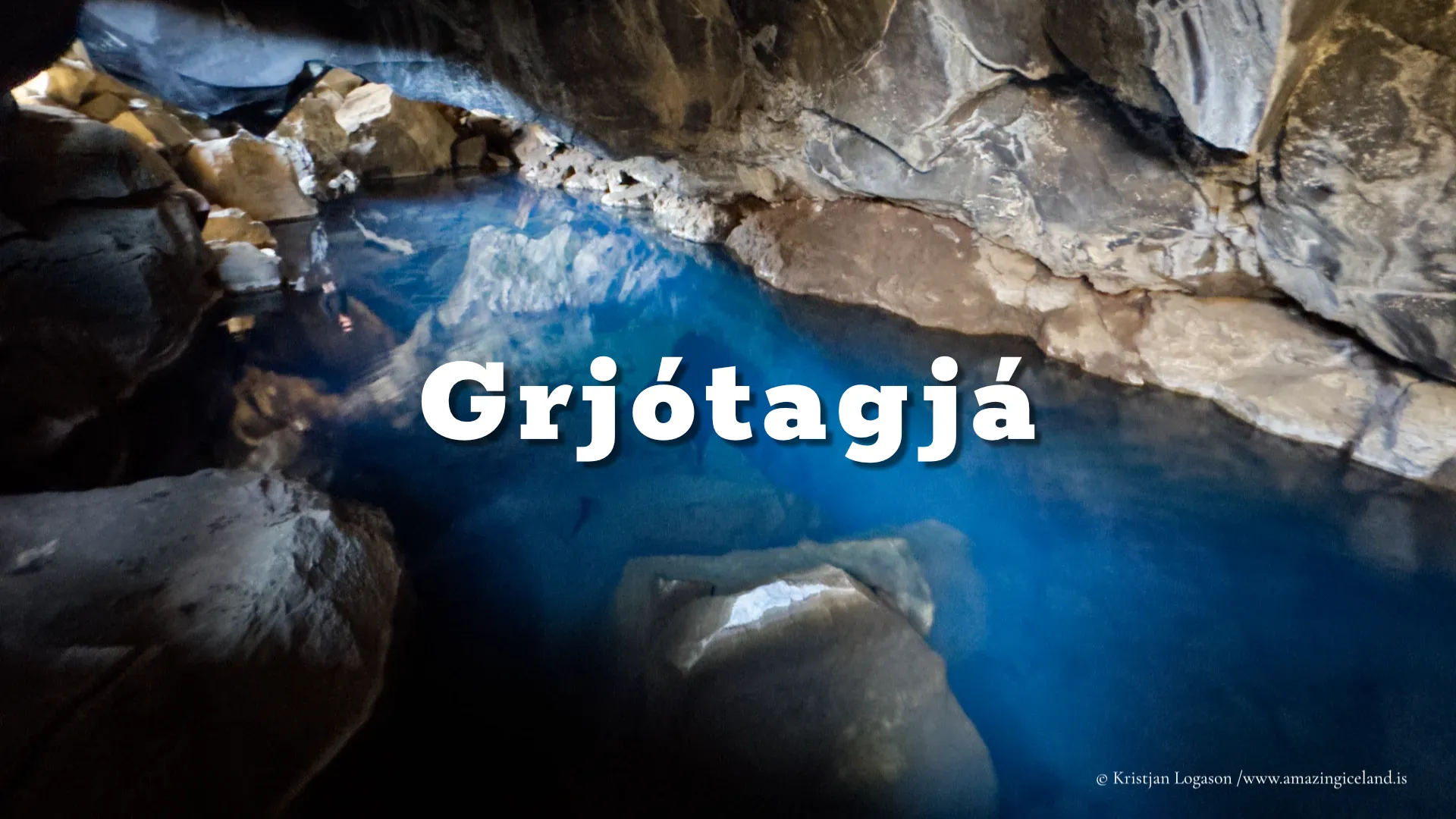
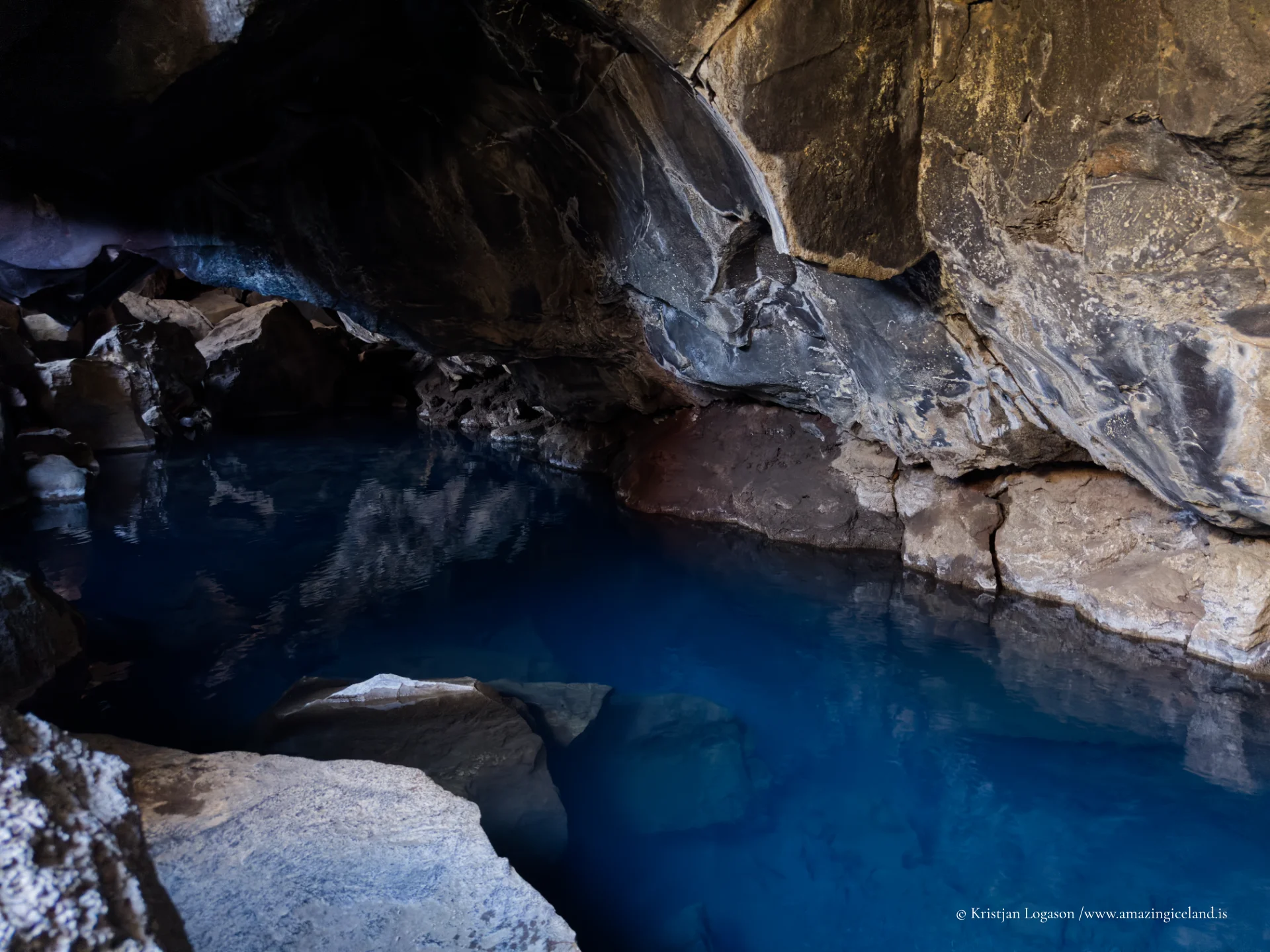
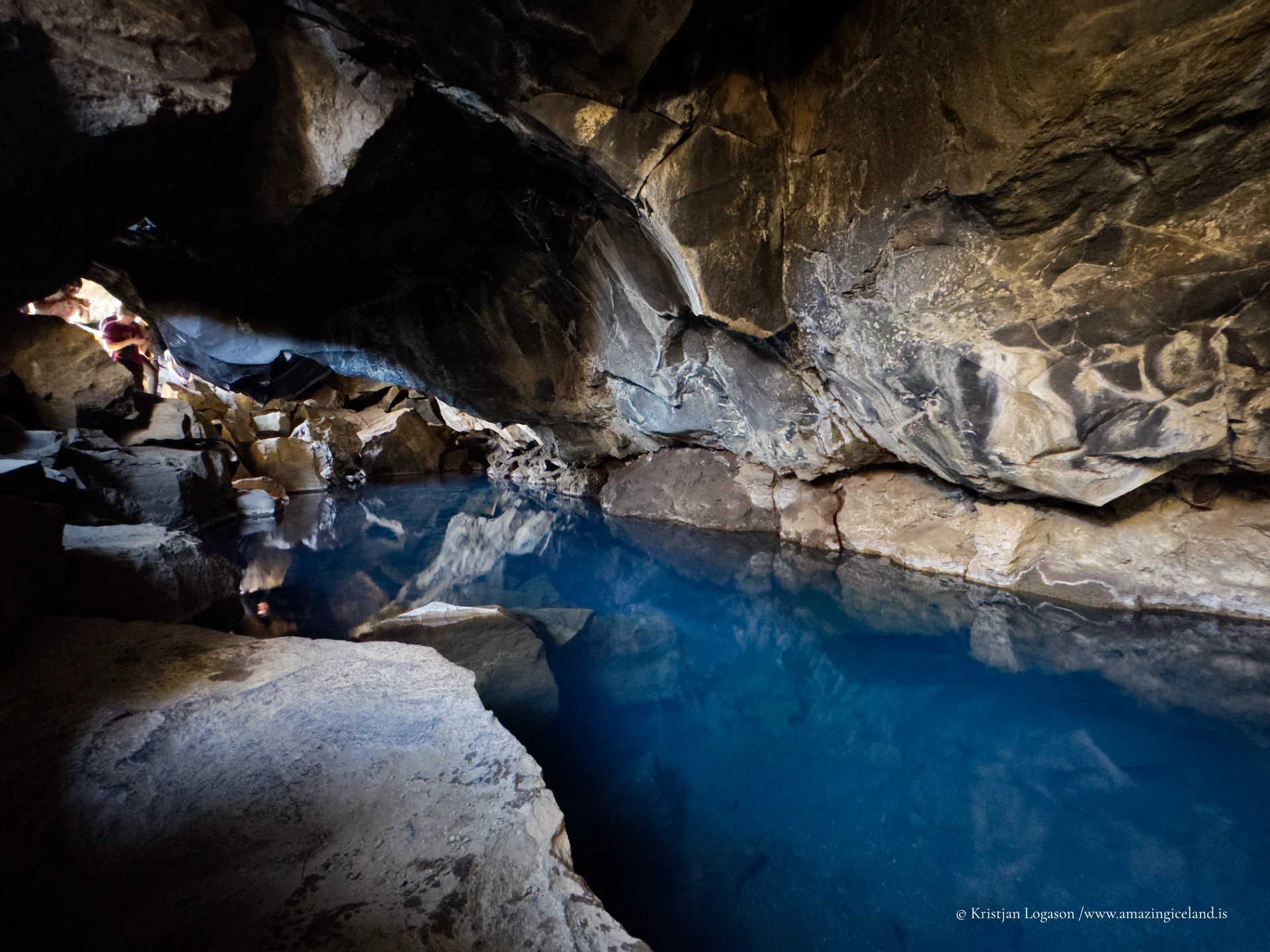
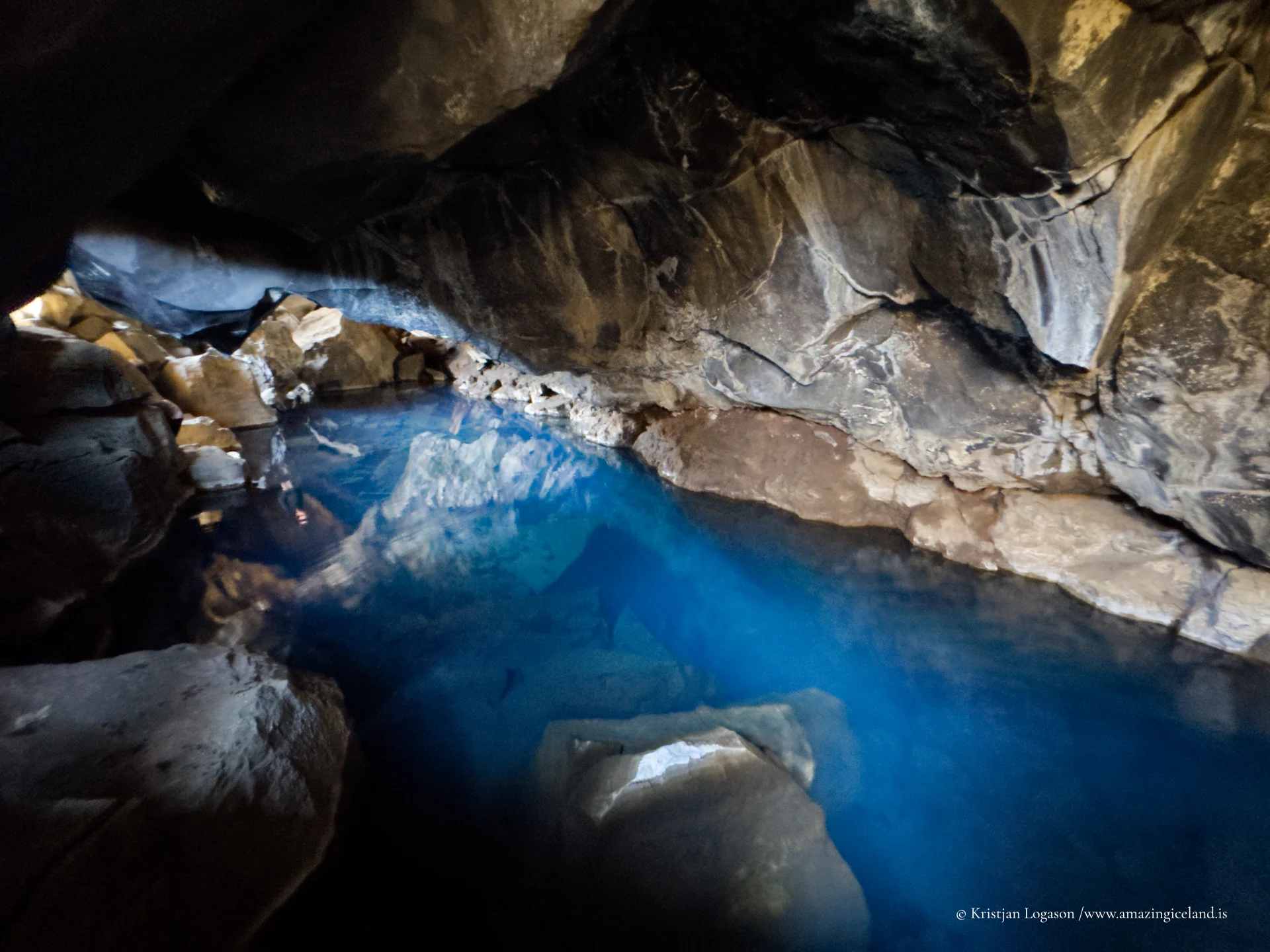
Situated northeast of Lake Mývatn, Grjótagjá is a small but scientifically and culturally significant lava cave within the active Krafla fissure swarm. Unlike open geothermal fields or cratered landscapes, Grjótagjá is entered rather than observed—offering direct exposure to the structural anatomy of Iceland’s rift zone and its geothermal circulation.
The location of Grjótagjá lava cave
Latitude
65.6269
Longitude
-16.8803
Grjótagjá lava cave
Tectonic setting and cave formation
Grjótagjá lies within the active rift environment associated with the Krafla volcanic system. This region marks the onshore expression of the Mid-Atlantic Ridge, where the Eurasian and North American tectonic plates diverge. Rather than forming a single, continuous crack, this divergence is accommodated by networks of fissures, faults, and fractures—of which Grjótagjá is a localized expression.
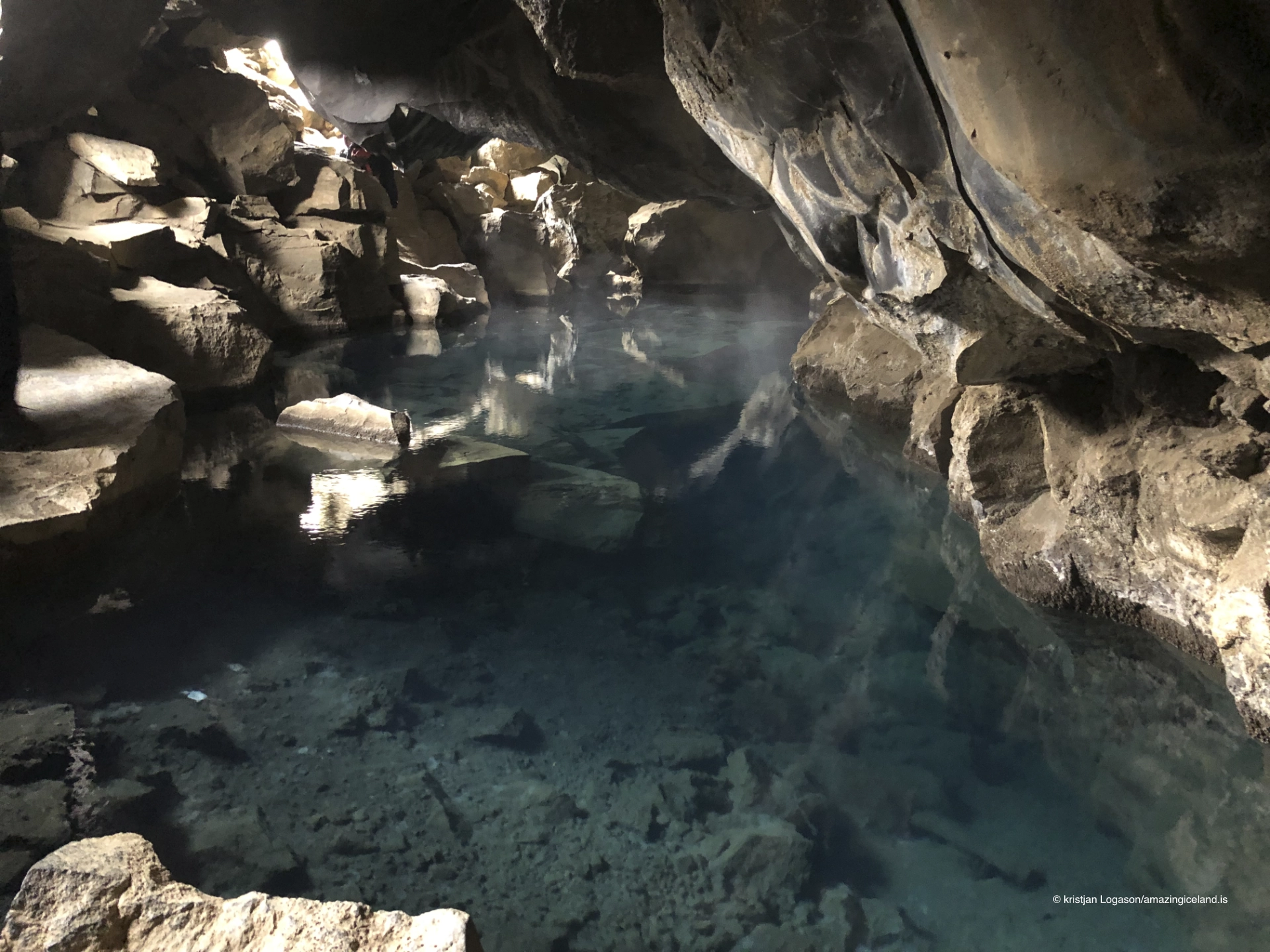
The cave itself is not a lava tube in the classic sense. Instead, it formed through tectonic opening and collapse, where the ground fractured and blocks of basalt separated, creating an accessible cavity. Subsequent geothermal activity introduced warm groundwater into the fissure, transforming it into a hot spring cave.
The water within Grjótagjá is heated by shallow geothermal circulation driven by elevated heat flow from magma intrusions beneath the Krafla system. Rain and meltwater percolate downward through fractured basalt, are heated at depth, and then rise back toward the surface along permeable fissures. The cave represents a point where this circulation intersects open space.
This formation mechanism distinguishes Grjótagjá from many other Icelandic caves. It is not primarily volcanic void space left behind by flowing lava, but a tectonically generated cavity later occupied by geothermal water—an important distinction in both geological interpretation and hazard awareness.
Geothermal dynamics and thermal instability
Historically, Grjótagjá was used as a natural bathing site, valued for its warm, clear water and sheltered environment. However, the cave’s thermal regime is inherently unstable. During the Krafla Fires (1975–1984), geothermal temperatures fluctuated dramatically as magma movement altered subsurface heat flow and fluid pathways.
At times, water temperatures rose well above safe bathing limits, rendering the cave unusable for immersion. These fluctuations were not anomalies but expected responses within an active rift system undergoing deformation and intrusion. Today, bathing is prohibited—not only for safety reasons but also because temperature and gas conditions can change without warning.
From a scientific perspective, Grjótagjá is an example of geothermally coupled tectonic systems, where mechanical movement and thermal behavior are inseparable. A shift in fracture permeability can redirect hot water flow; a minor intrusion can elevate temperatures rapidly. The cave’s current state is therefore best understood as provisional rather than permanent.
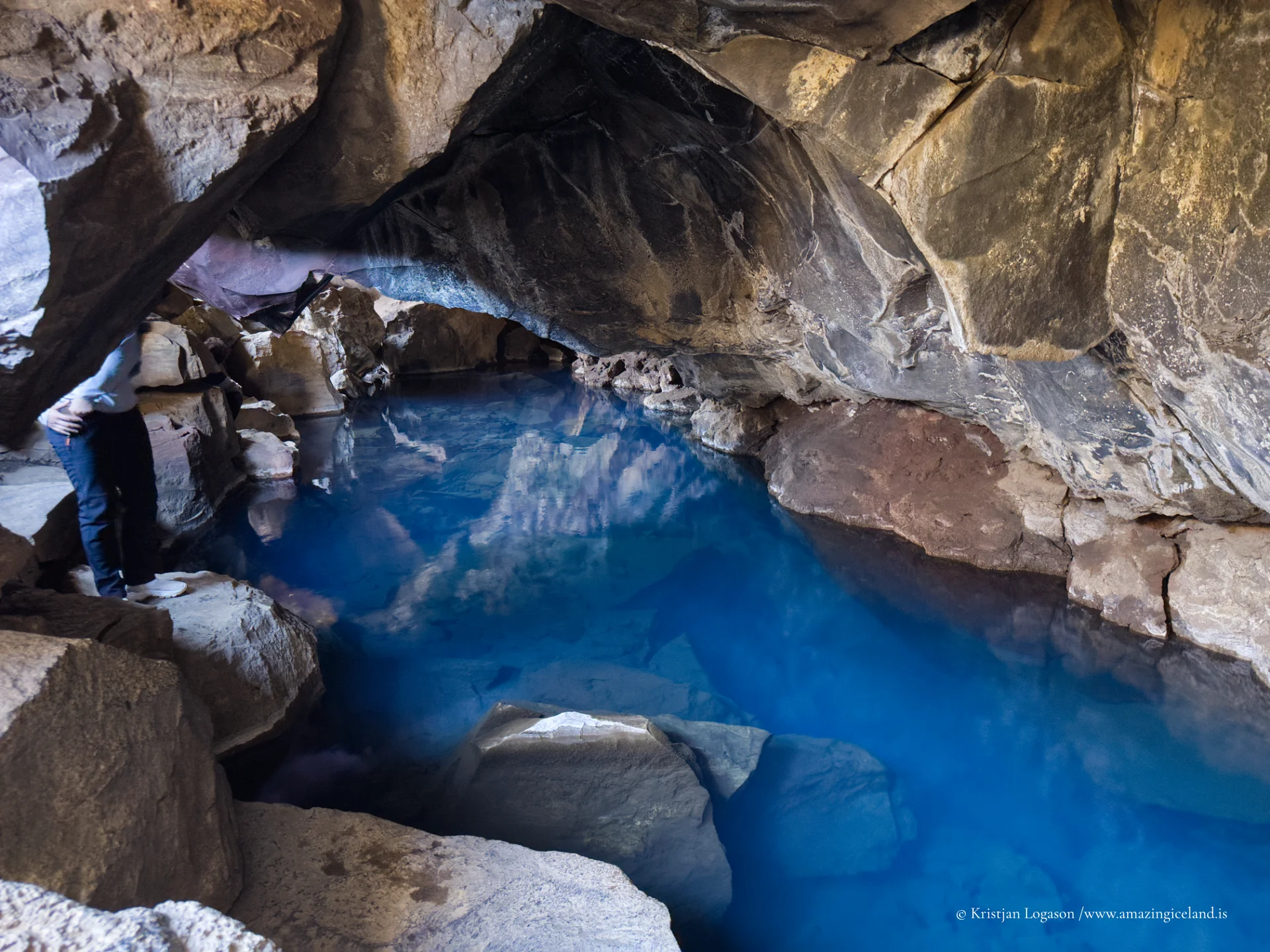
The clarity of the water, often noted by visitors, is a result of filtration through basalt and minimal surface input. However, clarity should not be mistaken for safety. Dissolved gases and temperature gradients remain invisible hazards within confined geothermal spaces.
Cultural significance and modern visibility
Grjótagjá has long occupied a place in local awareness, but its international visibility increased sharply in the early 21st century through its appearance in the television series Game of Thrones. While this exposure introduced new audiences to the site, it also necessitated stricter access management to protect both visitors and the cave itself.
Importantly, Grjótagjá’s cultural resonance predates modern media. Like many fissures and caves in Iceland, it was historically understood as a liminal space—neither fully surface nor fully subsurface, shaped by forces beyond everyday experience. Its use as a bathing site reflects Icelanders’ long-standing relationship with geothermal heat as both utility and refuge.
In the contemporary context, Grjótagjá functions as a representational site rather than a recreational one. Entry is permitted, but interaction is limited. The cave is observed, not used—a shift that mirrors broader changes in how Iceland manages fragile geothermal features under increased visitation.
Visiting Grjótagjá—experience, limits, and care
Grjótagjá is accessed via a short walk from a nearby parking area east of Lake Mývatn. The cave entrance is modest and easily overlooked, reinforcing the sense of transition upon entry. Inside, light levels drop quickly, and the space narrows, focusing attention on texture, sound, and temperature.
Movement within the cave should be slow and deliberate. Uneven rock surfaces, moisture, and low ceilings require situational awareness. There are no constructed paths or safety installations inside the cave; its management relies on visitor restraint rather than infrastructure.
Photography inside Grjótagjá is possible but challenging. Low light, reflective water surfaces, and confined space demand technical control and patience. Tripods may be useful, but care must be taken not to obstruct others or damage rock surfaces.
Seasonality alters access subtly rather than dramatically. In winter, snow and ice outside the entrance contrast sharply with the warmth inside, while in summer the cave offers thermal and visual refuge from open landscapes. In all seasons, the cave’s atmosphere remains sensitive to human presence—noise, heat, and movement are amplified in the enclosed space.
Grjótagjá within the Mývatn volcanic system
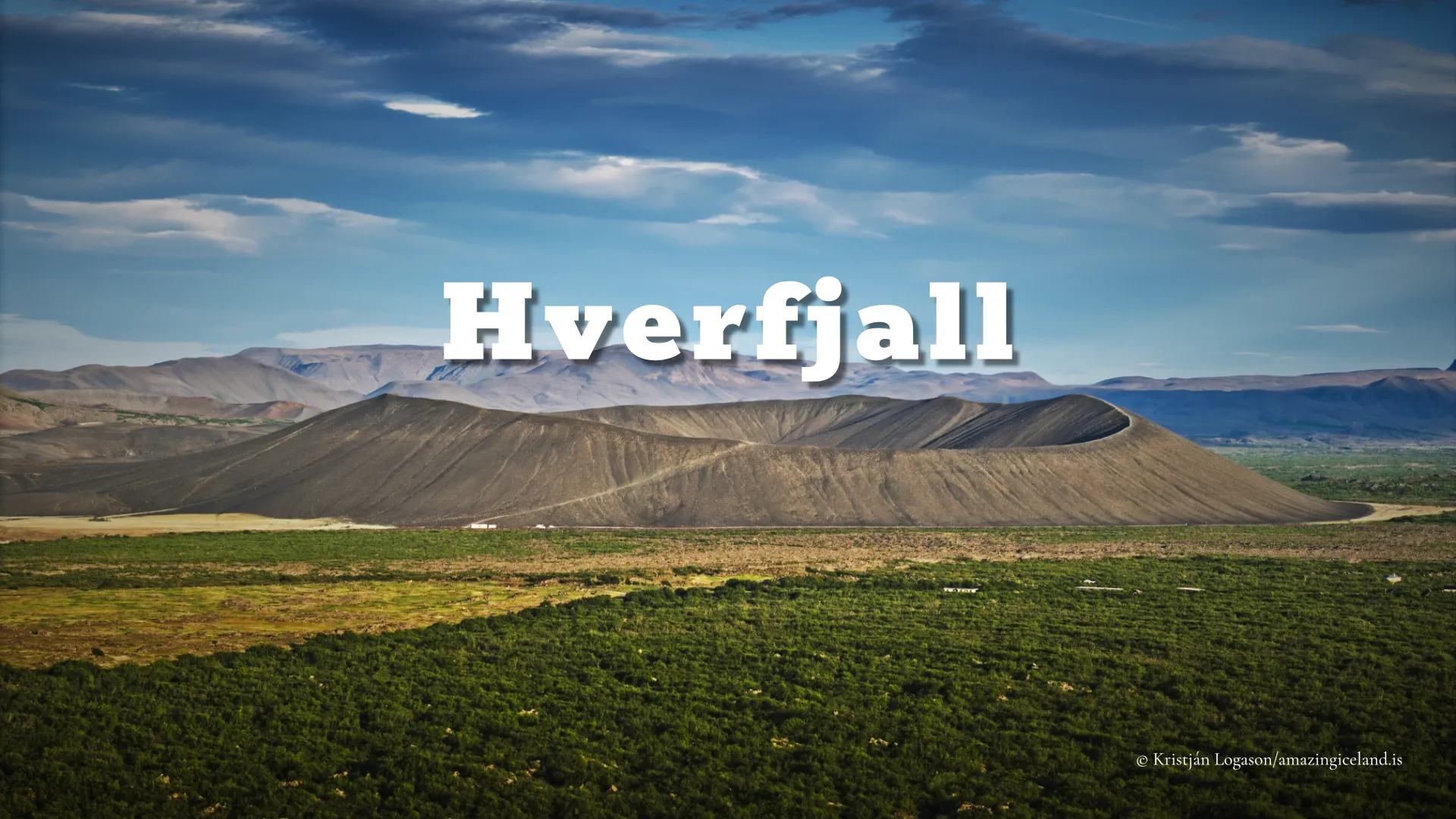
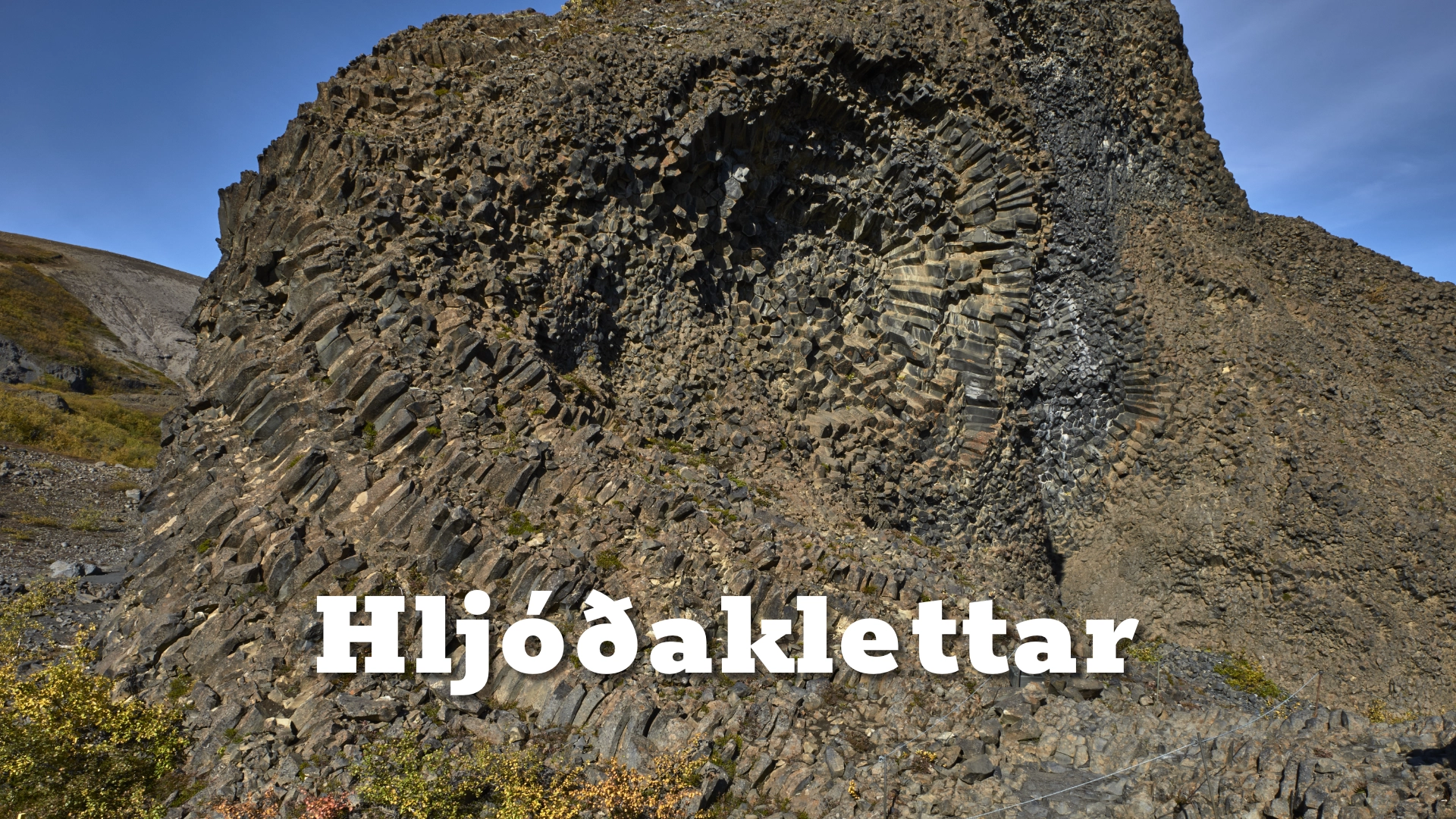
Within the broader Mývatn landscape, Grjótagjá represents the internal mechanics of the volcanic system. Where Hverfjall illustrates explosive surface construction and Dimmuborgir reveals collapsed lava architecture, Grjótagjá exposes the fractures that connect surface and subsurface processes.
This progression is instructive. It demonstrates how magma, water, and tectonic stress interact across scales—from kilometre-wide craters to metre-wide fissures. Grjótagjá does not compete visually with larger landmarks; it completes them conceptually.
As a destination, its value lies in precision rather than spectacle. It demands attention, quiet, and context. Visitors who understand what they are seeing—rift dynamics made accessible—will find Grjótagjá disproportionately meaningful relative to its size.
Interesting facts:
- Grjótagjá is a tectonic fissure cave, not a classic lava tube.
- The cave’s water temperature became dangerously high during the Krafla Fires (1975–1984).
- Bathing is strictly prohibited due to unstable geothermal conditions.
- The cave lies directly within an active rift zone.
- Grjótagjá gained global recognition through television exposure, increasing conservation pressure.
- Grjótagjá gained international recognition after being used as a filming location in Game of Thrones (Season 3), where it served as the setting for a cave scene north of the Wall involving Jon Snow and Ygritte.
- The cave was selected for filming due to its naturally clear geothermal water, enclosed fissure structure, and minimal need for set construction, making it visually convincing as a remote, volcanic refuge.
- Despite its appearance in the series, no bathing scenes were filmed in the actual water; the geothermal pool was too hot and unstable at the time, and additional studio filming was required.
- Following the broadcast of Game of Thrones, visitor numbers to Grjótagjá increased sharply, prompting stricter management and reinforcement of the no-bathing rule to protect both visitors and the cave.
- Grjótagjá had already been well known locally long before its media exposure, historically used as a natural geothermal bathing site prior to temperature fluctuations during the Krafla Fires.
- The cave’s instability during and after the Krafla Fires (1975–1984) is a textbook example of how geothermal systems respond dynamically to magma intrusion and tectonic deformation.
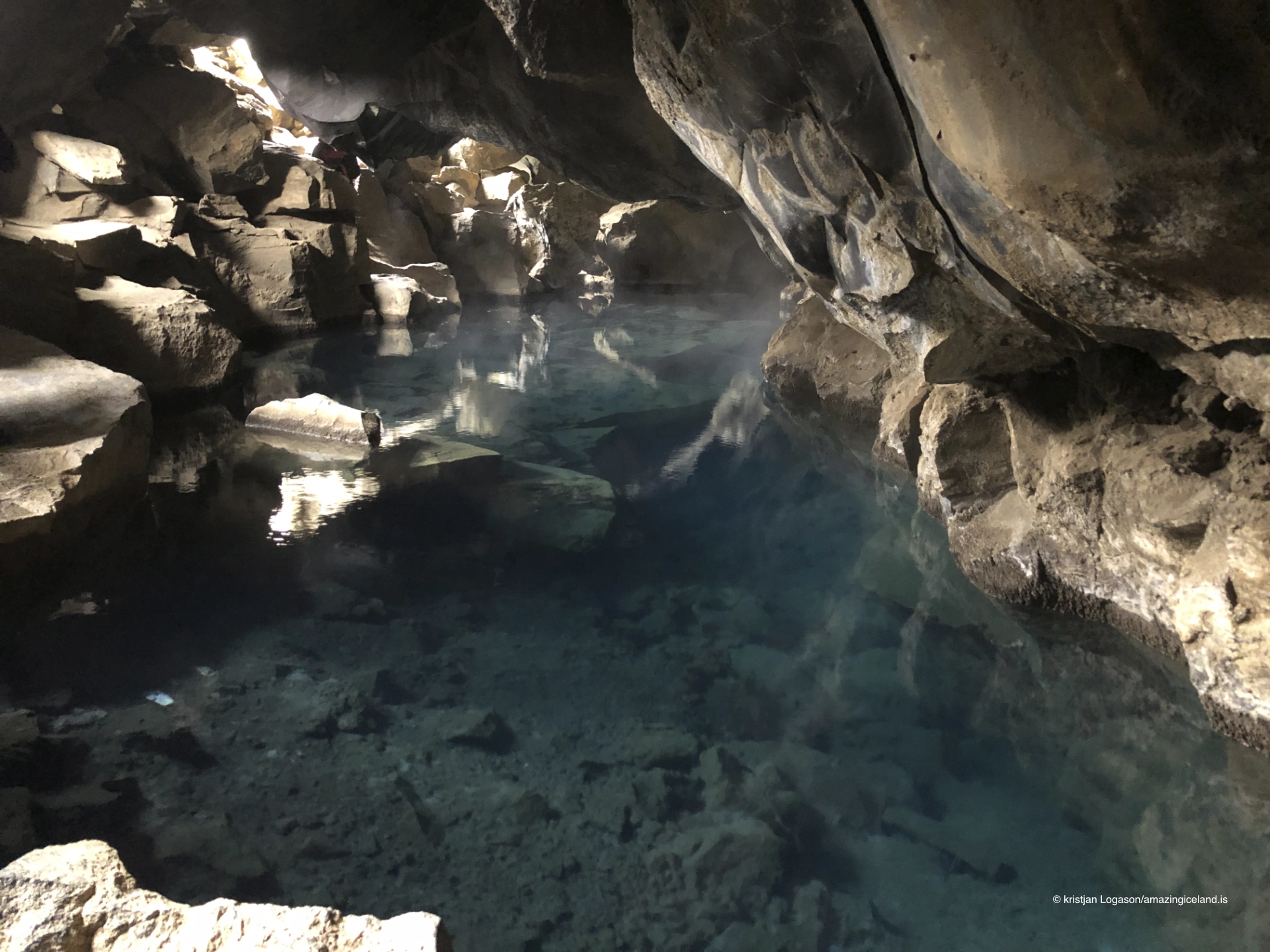
Image Gallery

The Locomotive Elite
What do Donald Trump and Iceland’s Locomotive Elite have in common?
Far more than you think.
In The Locomotive Elite, you’ll uncover how a tiny clique in Iceland captured extensive control—of banks, courts, media, and even the central bank.
For decades they ruled, first democratically, then through corruption and in the end through crime, enriching themselves and their cronies while dismantling oversight.
The result?
One of the most spectacular financial collapses in modern history.
Photography tips:
- Use low ISO discipline: preserve shadow detail without excessive noise.
- Reflections matter: calm water can double visual impact in confined frames.
- Avoid artificial color casts: geothermal lighting is subtle—do not overcorrect.
- Work quietly: sound and movement affect both atmosphere and others’ experience.
- Respect boundaries: never step into the water or disturb rock surfaces.
Good cameras for Iceland
Sony A7R V

Sony A7s lll
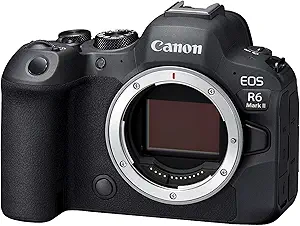
Canon R6
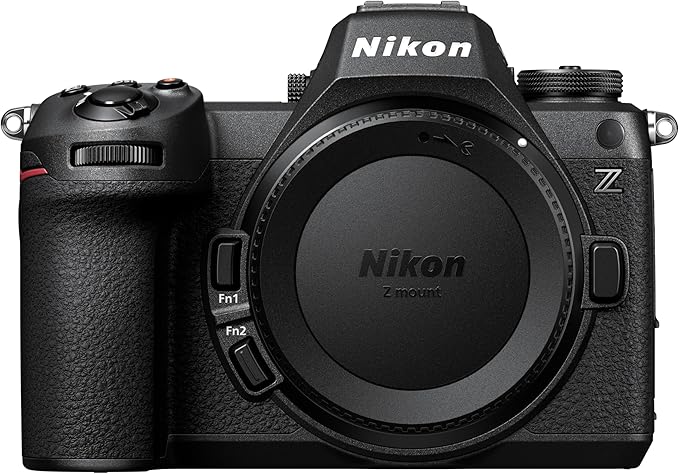
Nikon Z6 lll
Destinations nearby
Good to have in Iceland