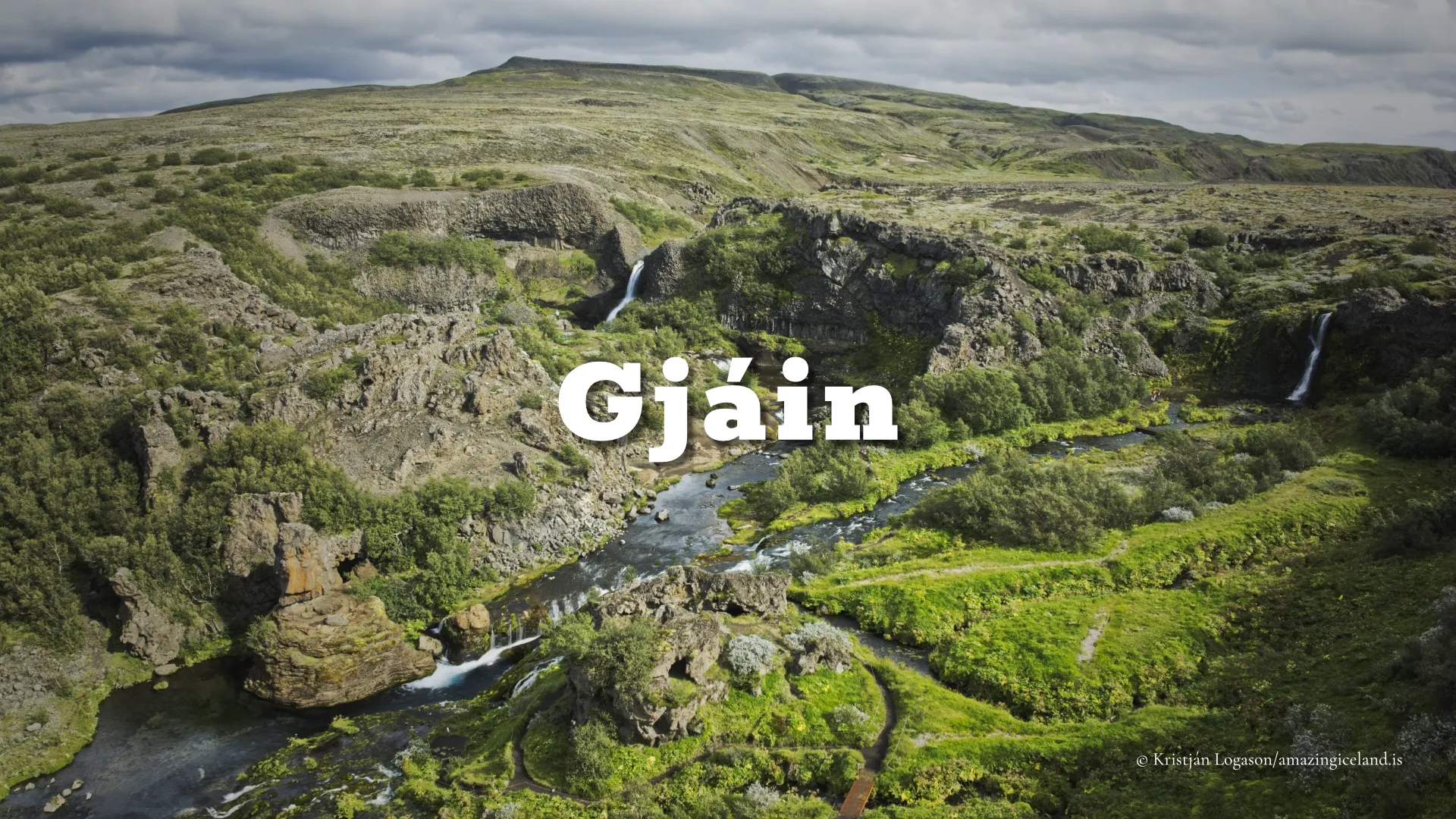
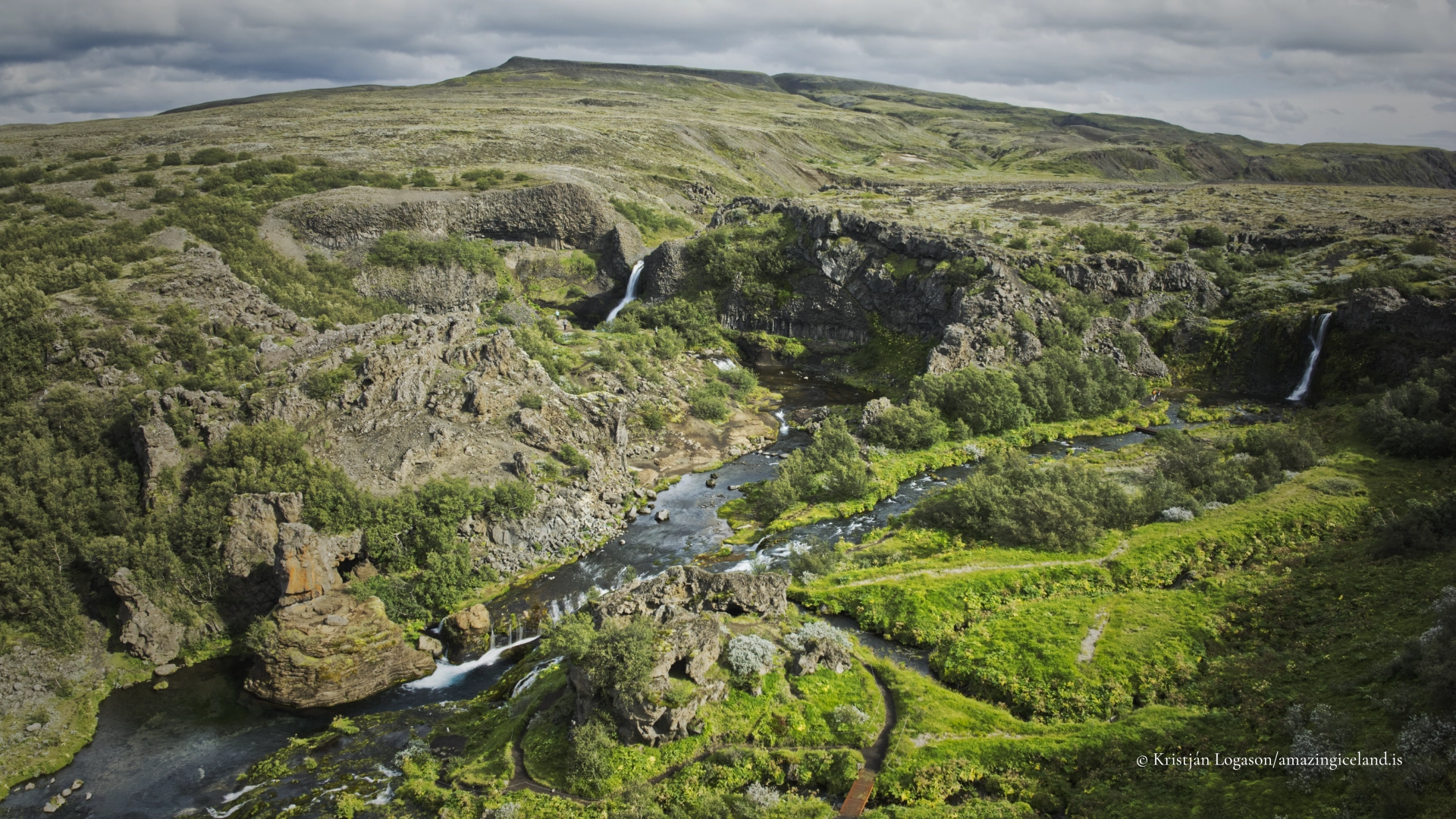
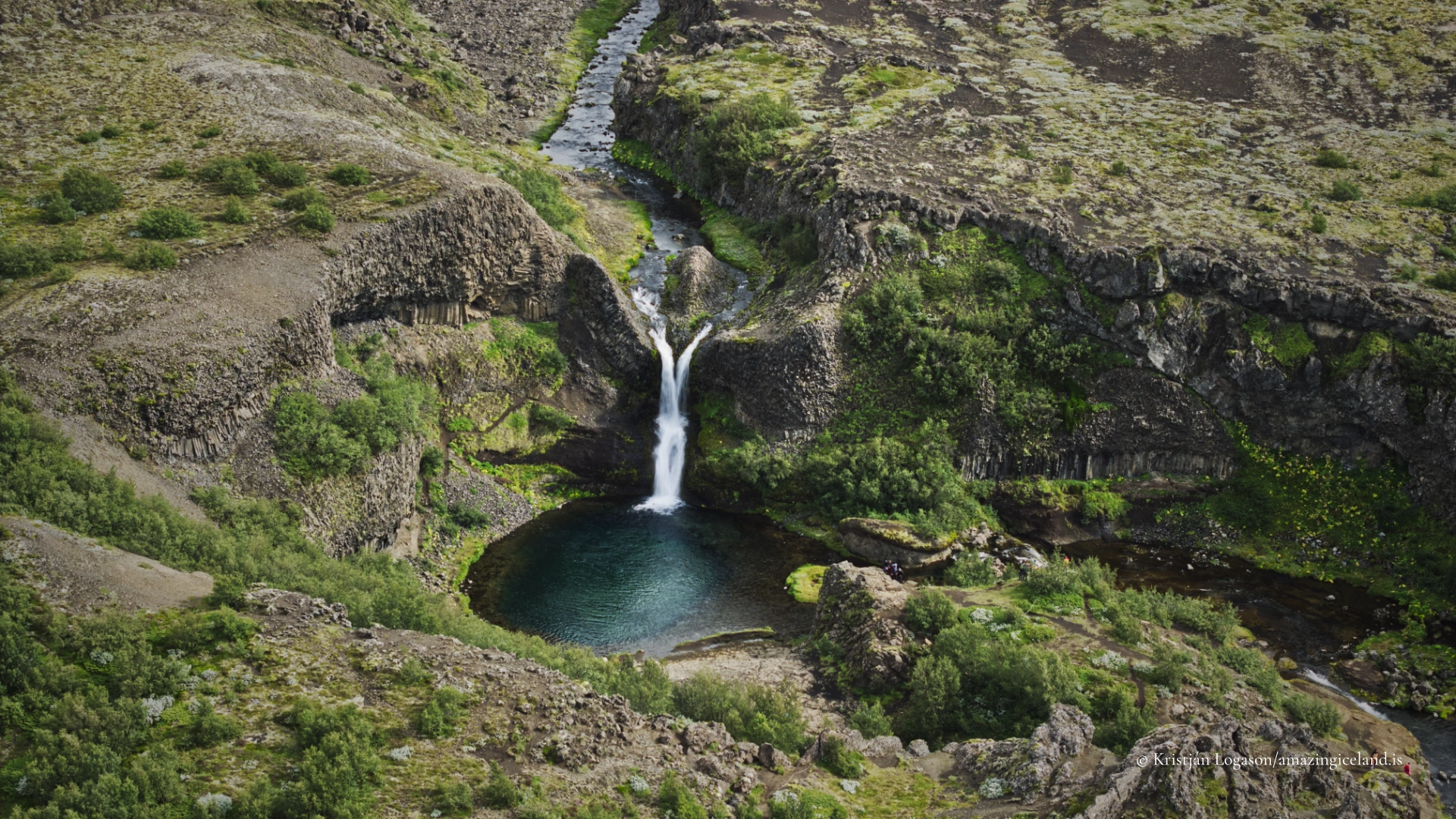
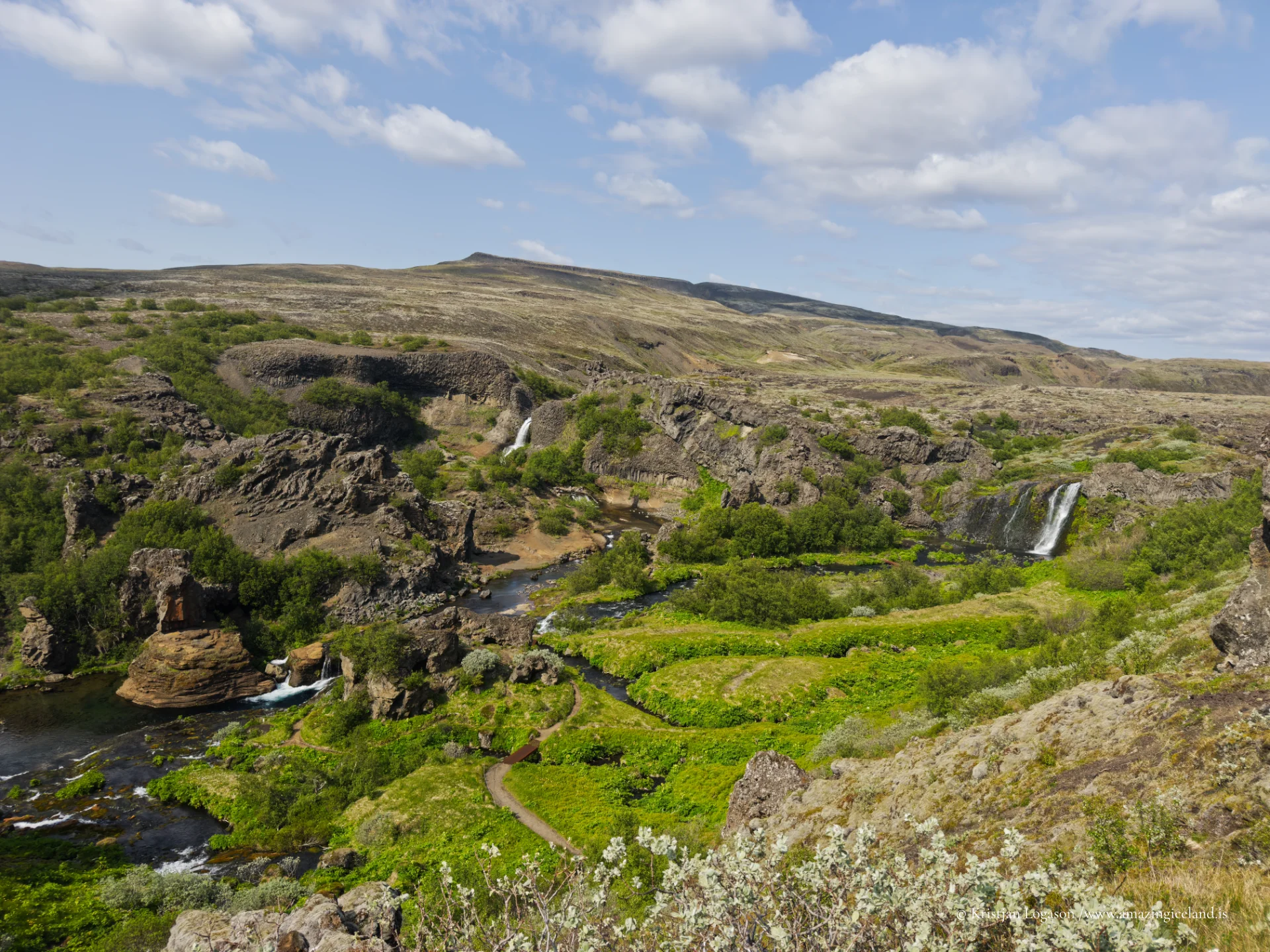
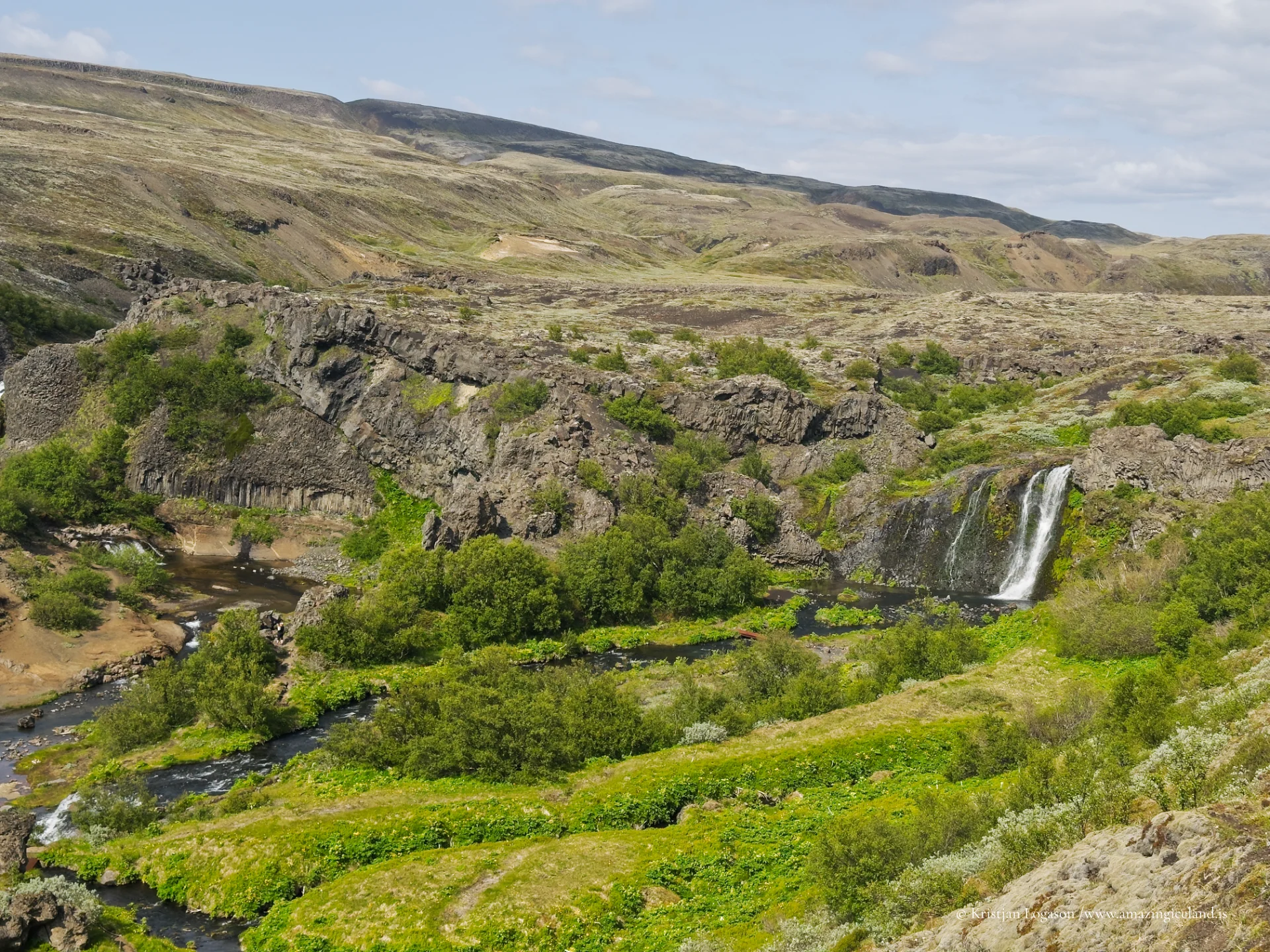
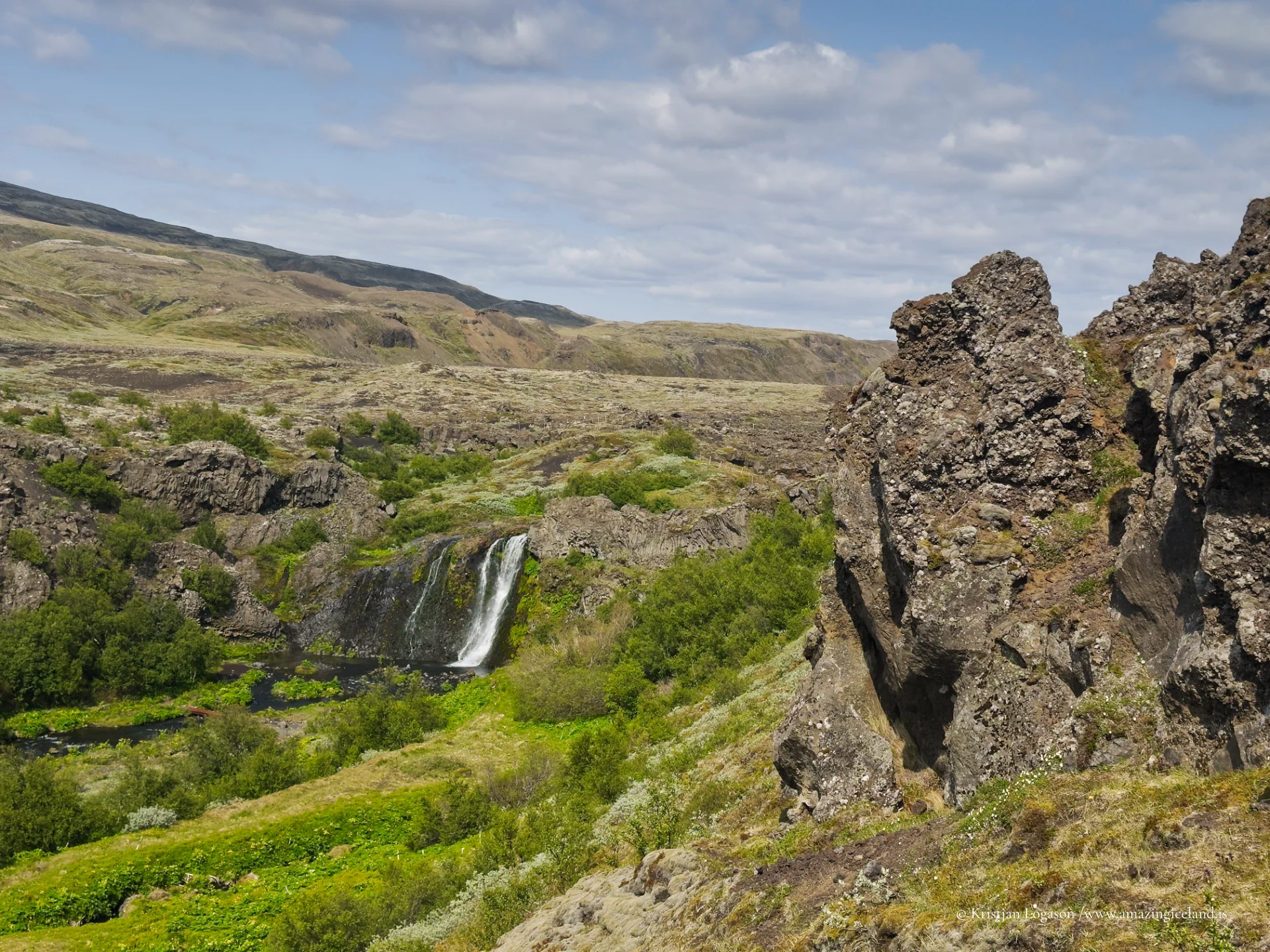
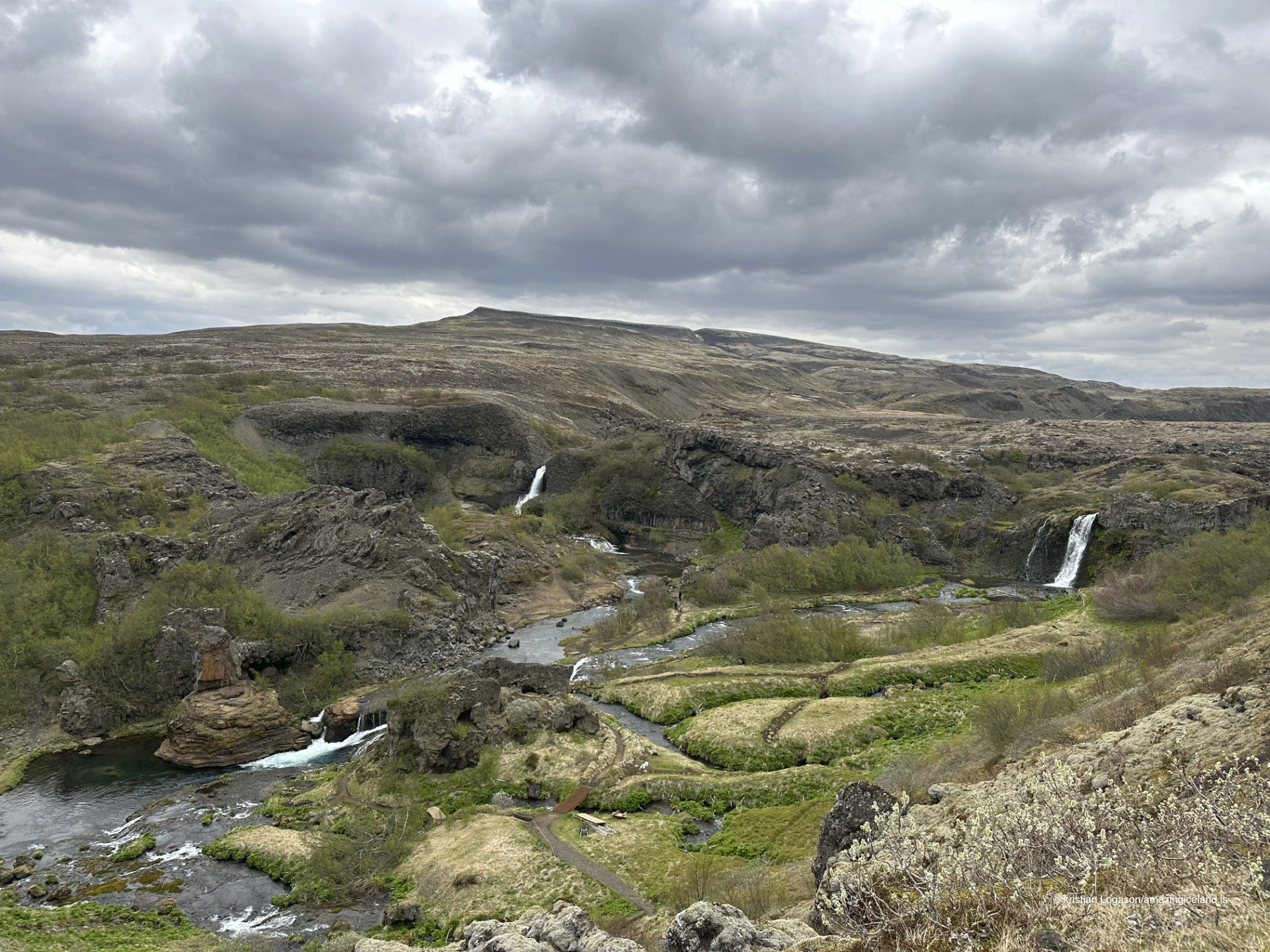
Within Þjórsárdalur, east of the river Þjórsá, Gjáin cuts into lava fields deposited during historical eruptions of Hekla. The canyon contains multiple small waterfalls, clear streams, and unusually lush vegetation compared to the surrounding highland margin.
The location of Gjáin canyon in Þjórsárdalur
Latitude
64.0504
Longitude
-19.9586
Gjáin canyon in Þjórsárdalur
Gjáin is a narrow canyon formed primarily through fluvial erosion into relatively young lava flows. These lava fields, associated with eruptions of Hekla during the late Holocene, created a fractured basalt surface vulnerable to incision by meltwater and tributary streams.
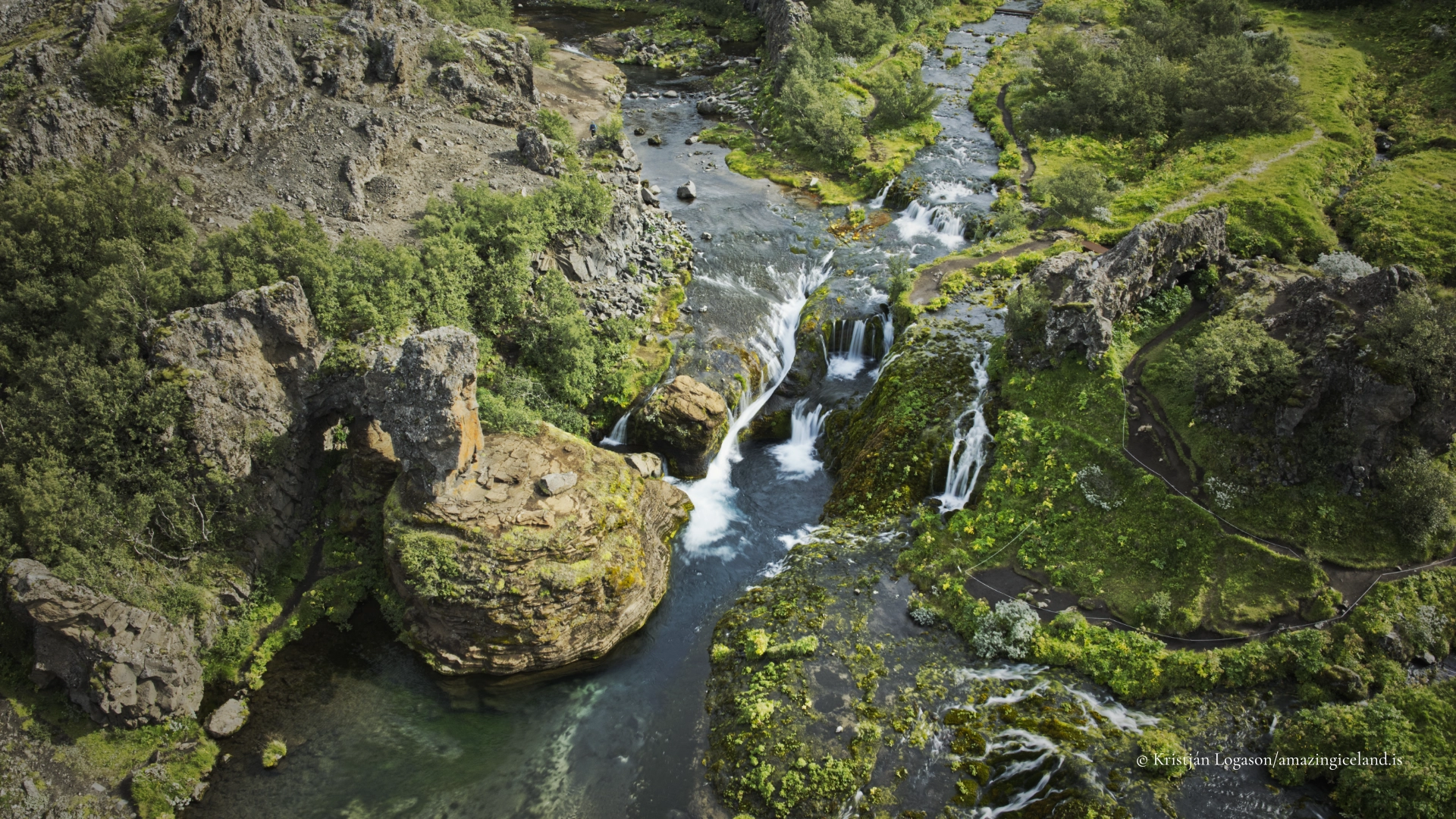
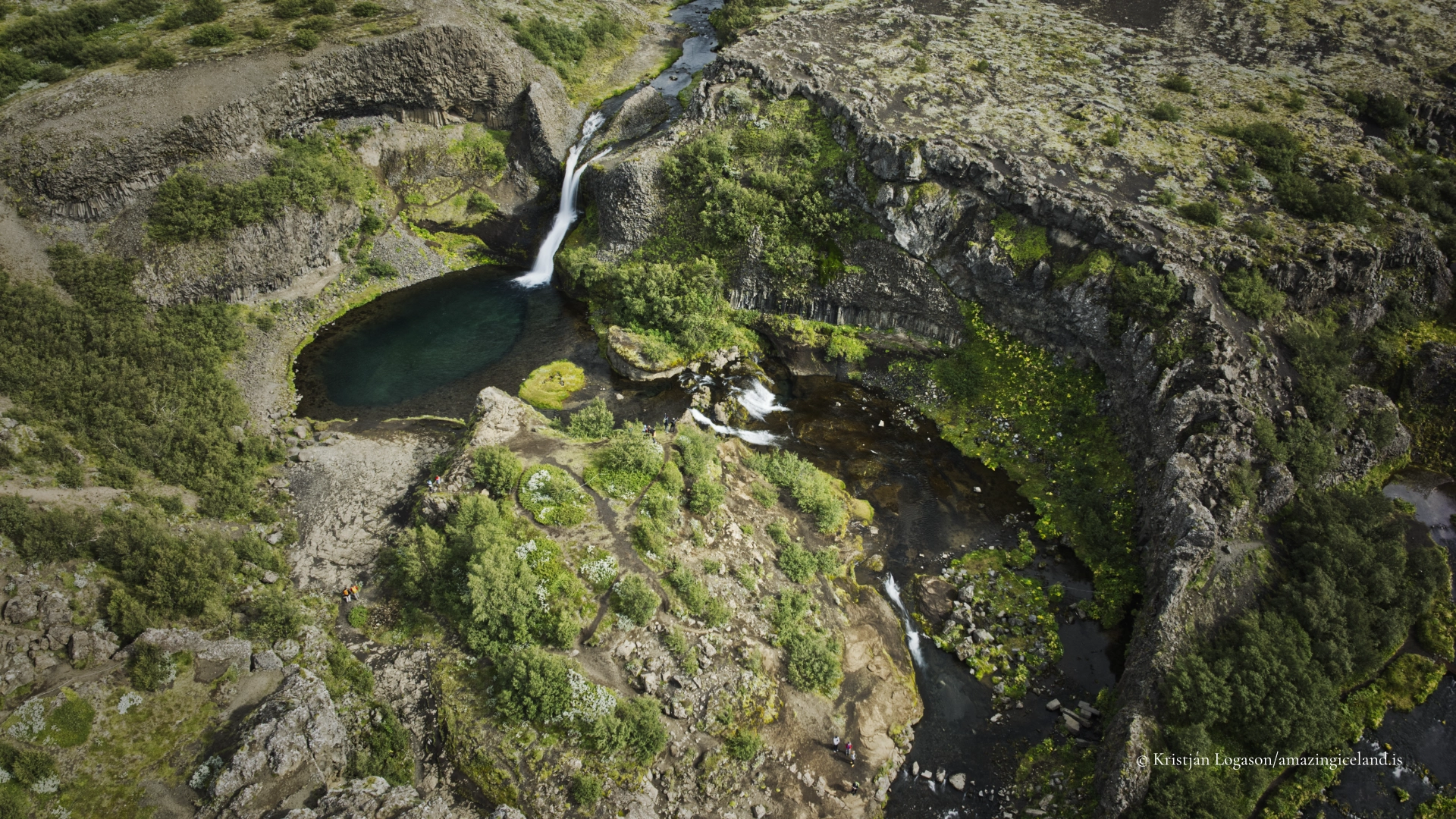
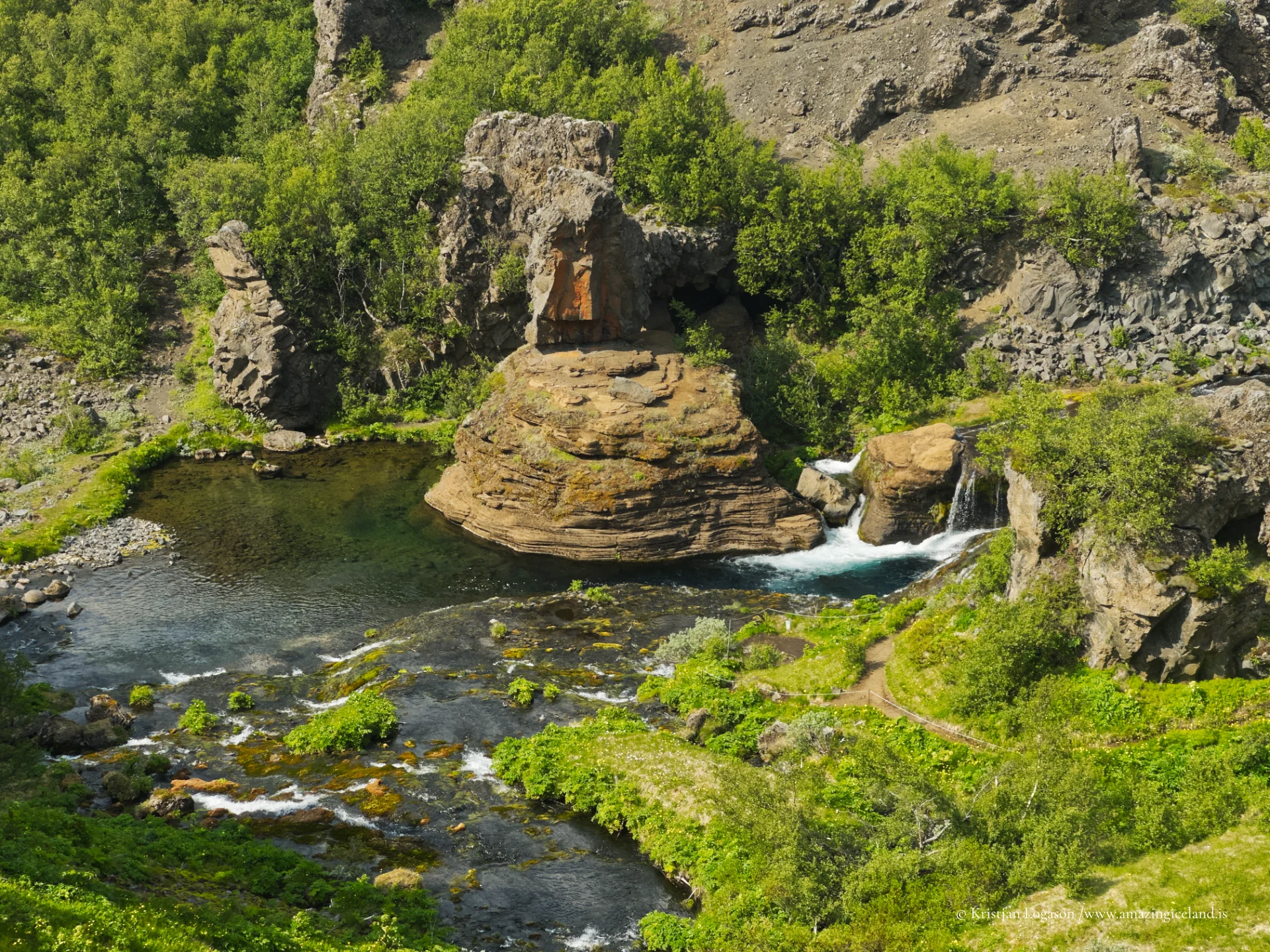
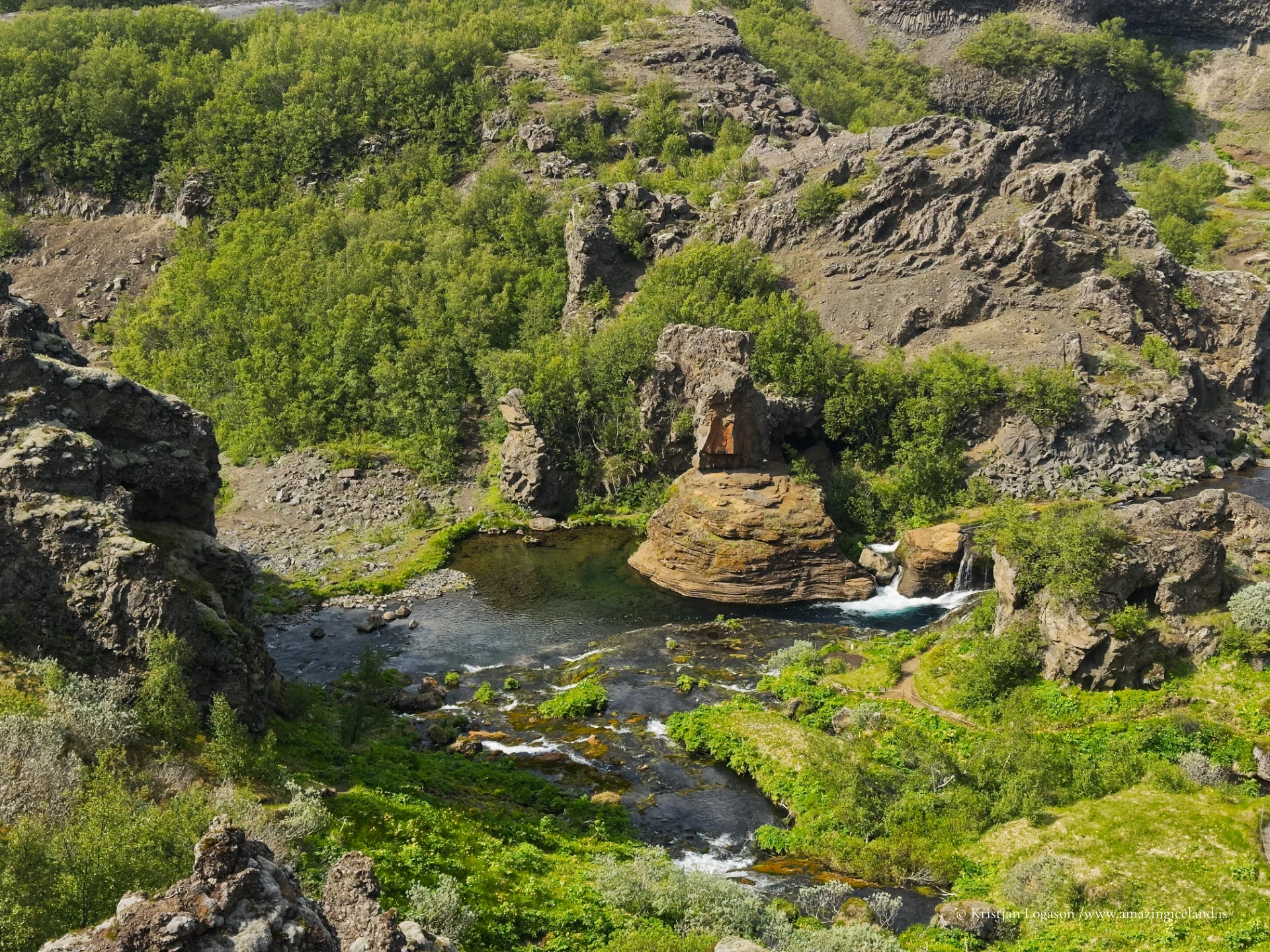
Over time, water exploited weaknesses in the lava, carving channels and undercutting ledges. The result is a multi-tiered canyon with steep walls and irregular platforms, where small waterfalls descend between basalt steps. Unlike deep glacial gorges, Gjáin’s scale remains intimate and contained.
From a geomorphological perspective, Gjáin represents post-volcanic fluvial incision rather than glacial excavation.
The hydrology of Gjáin is closely linked to springs and tributaries feeding into the Þjórsá river system. Water clarity is notable, reflecting limited sediment load and relatively stable flow conditions outside extreme weather events.
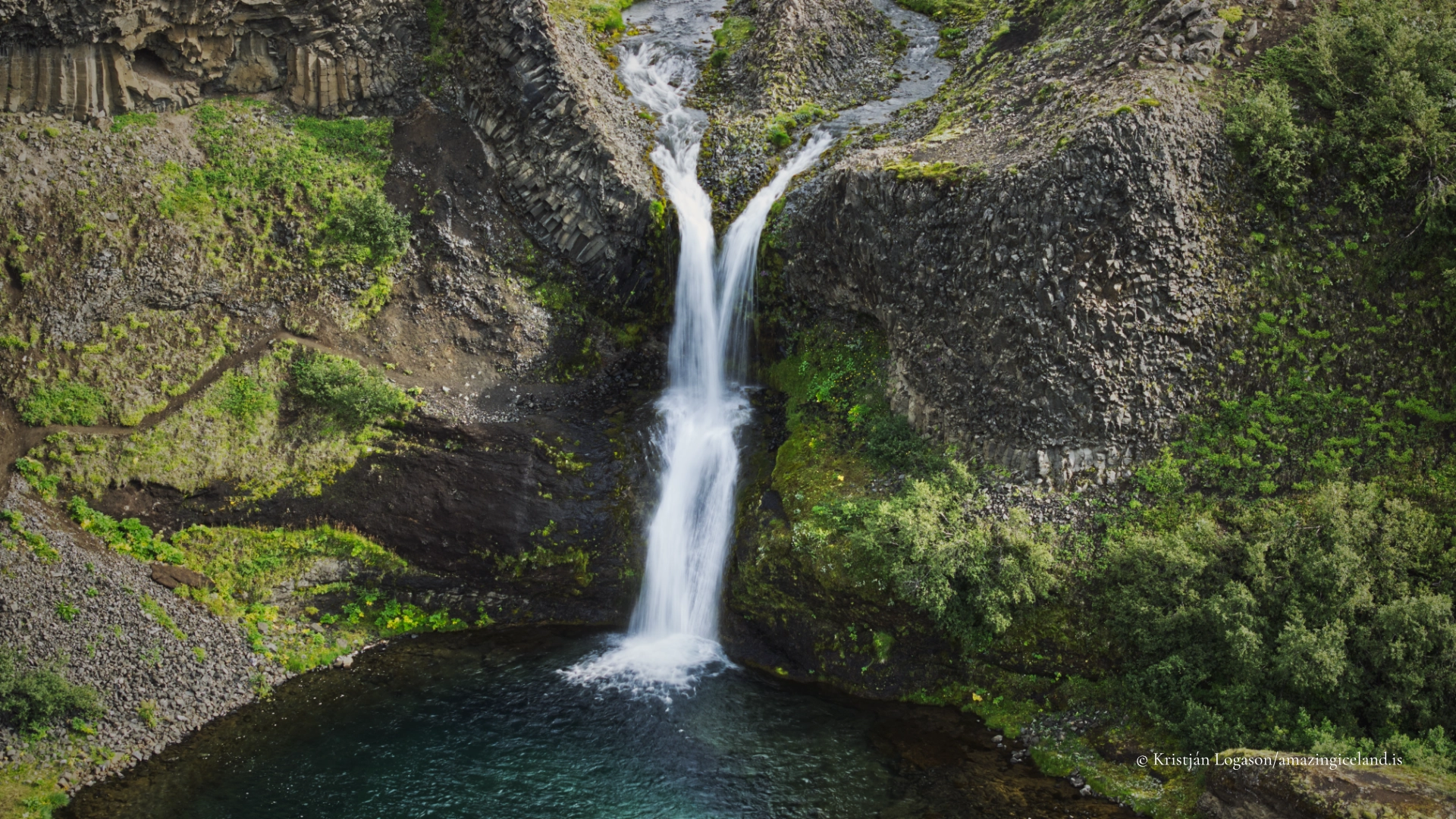
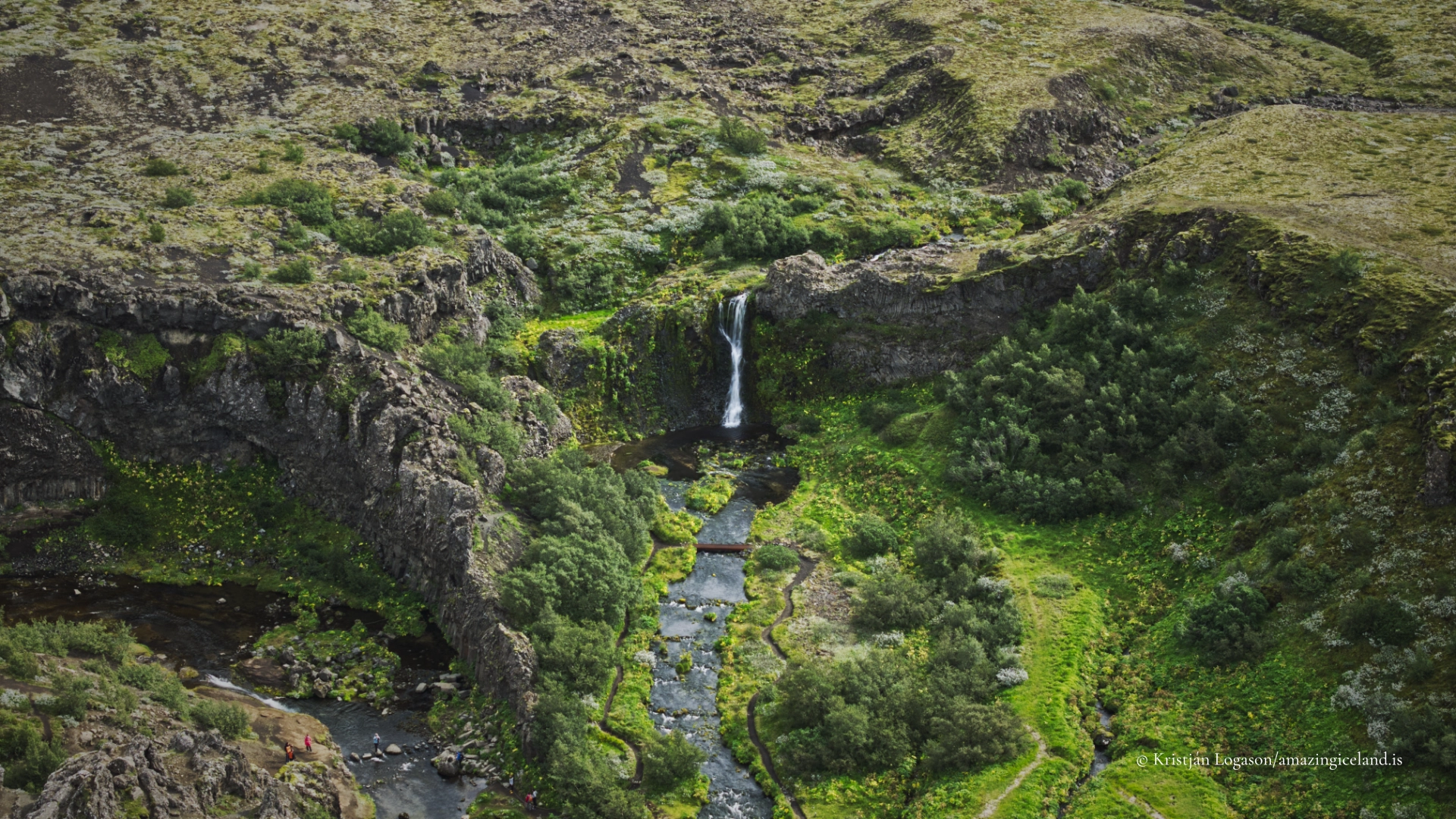
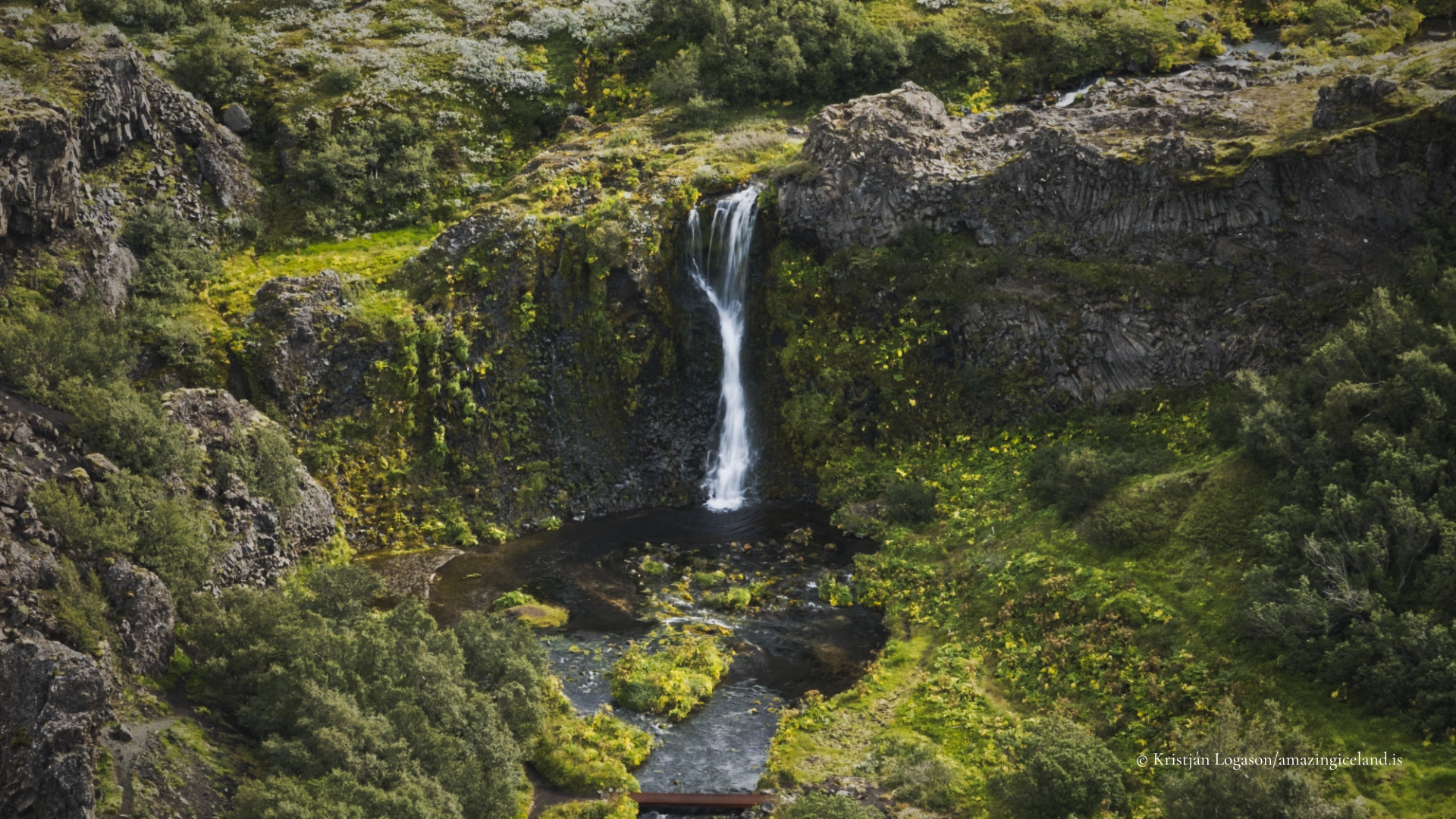
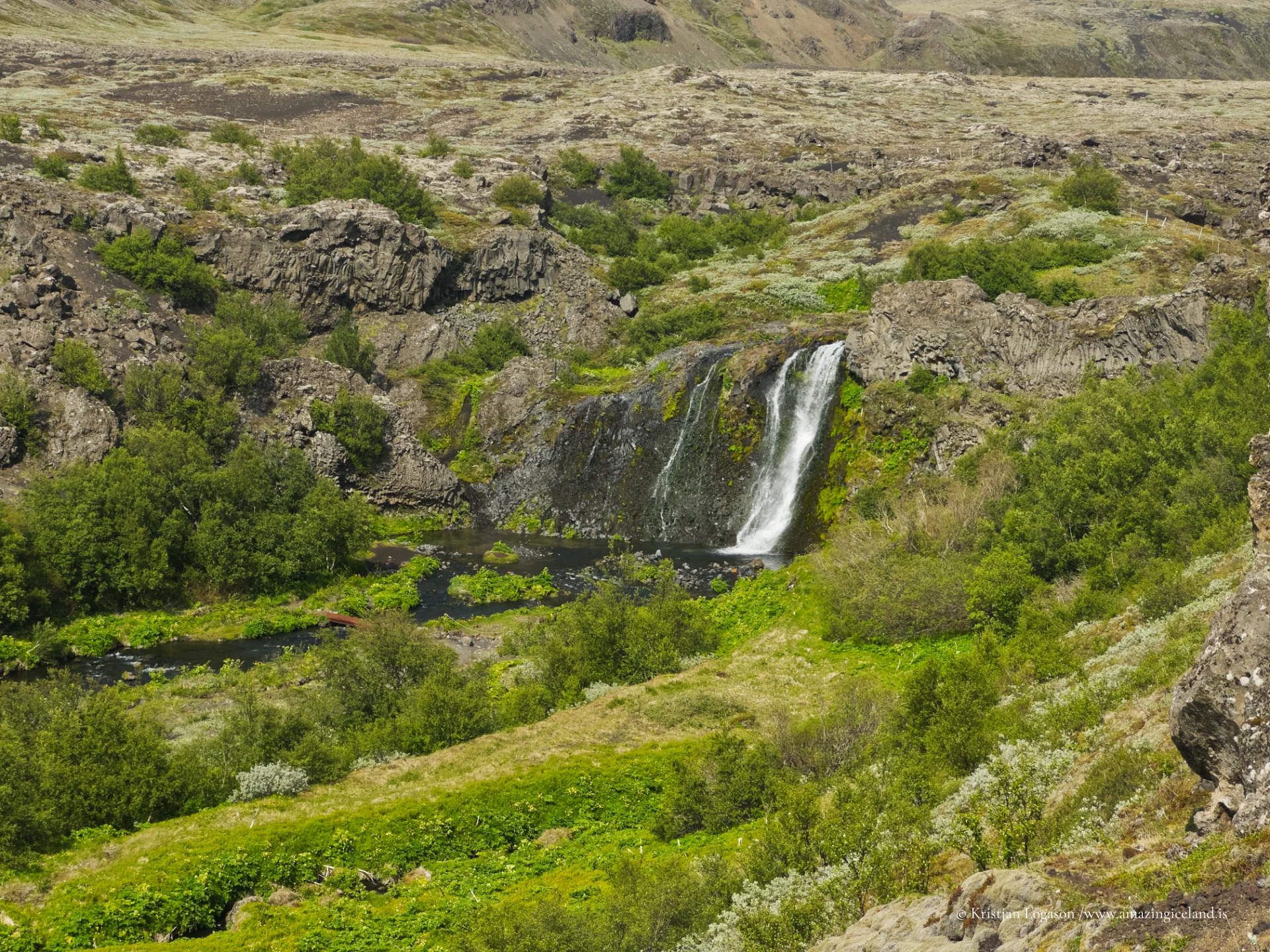
Within the canyon, waterfalls descend in short vertical drops rather than long plunges. These cascades maintain moisture levels that support mosses, grasses, and low shrubs, creating a microclimate distinct from the surrounding open lava plains.
This ecological contrast is one of Gjáin’s defining characteristics. The canyon appears disproportionately green when compared to the darker, sparsely vegetated terrain above.
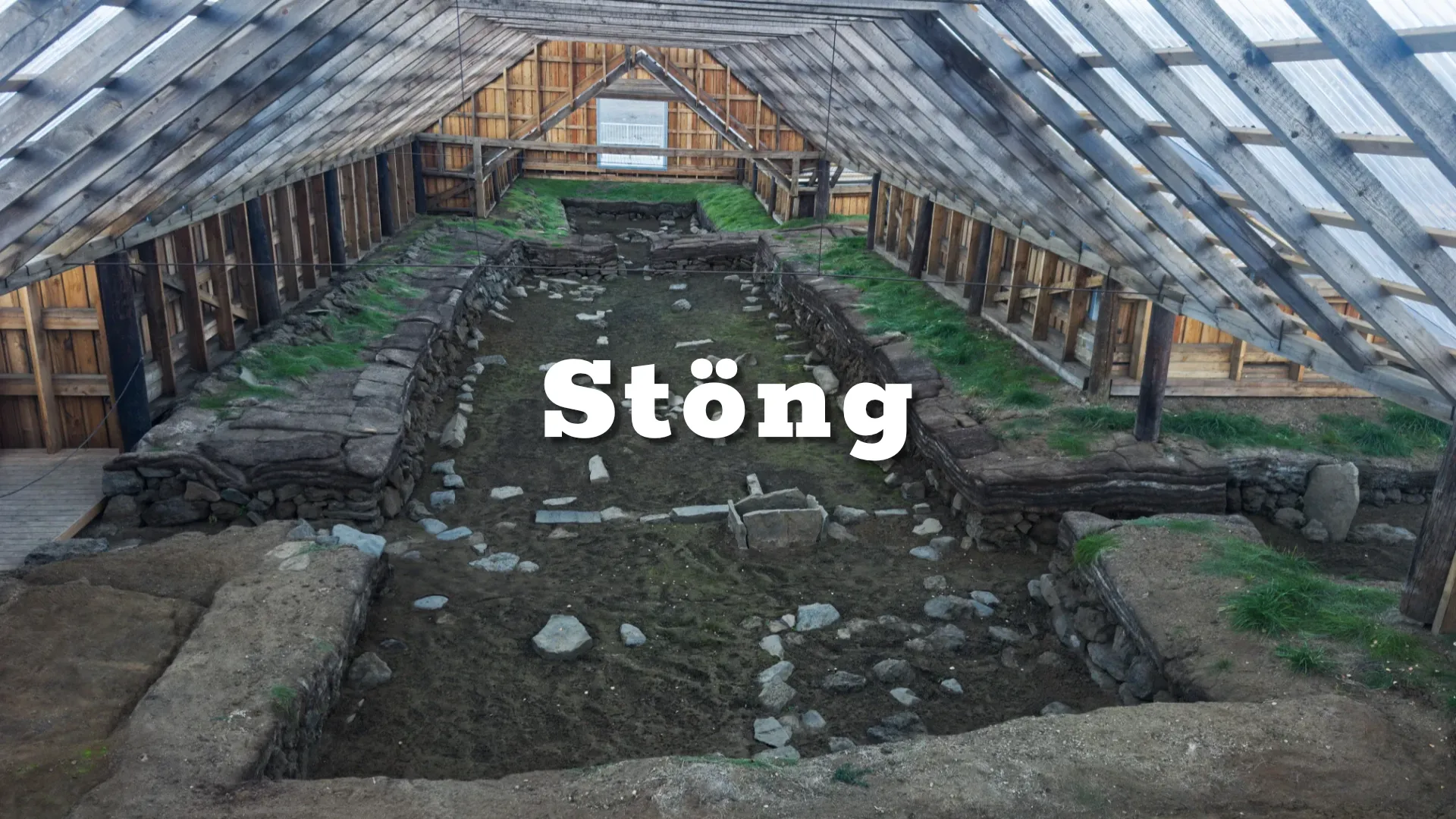
Culturally, Gjáin is associated with the broader settlement history of Þjórsárdalur. The nearby archaeological site of Stöng demonstrates that medieval farms once occupied this valley before the 1104 eruption of Hekla altered settlement viability.
While Gjáin itself was not a farm site, its presence within the valley illustrates how water access and sheltered terrain would have been valuable within a marginal volcanic environment.
The canyon has also served as a filming location in modern times, reflecting its visually concentrated landscape.
Unlike larger canyons in Iceland, Gjáin is accessible without long approach routes, though road access requires suitable conditions. Infrastructure remains minimal, consisting primarily of informal paths and viewing points. The absence of heavy development preserves the canyon’s layered structure.
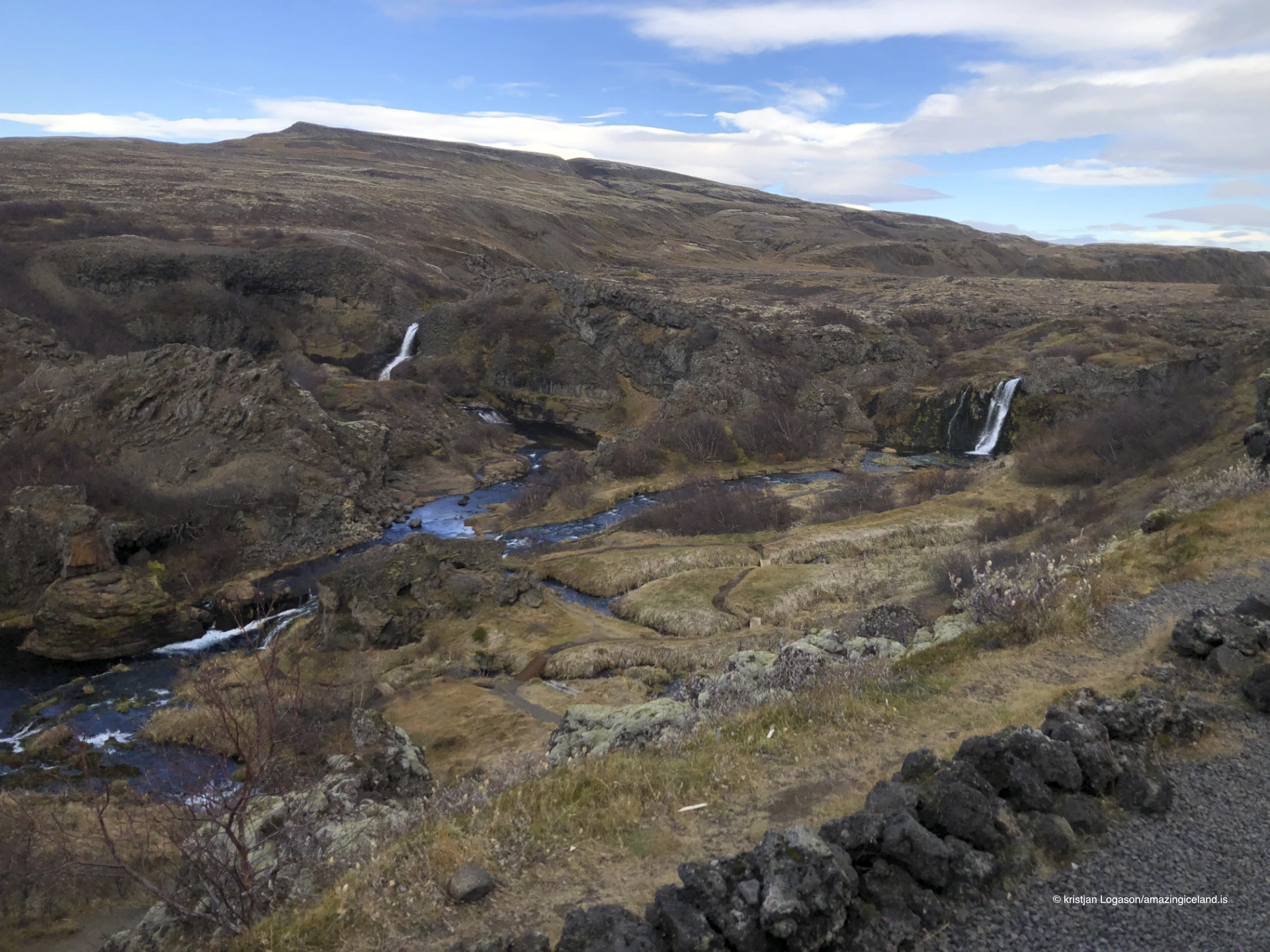
Seasonal variation strongly affects the experience. In early summer, meltwater enhances waterfall volume, while late summer emphasizes vegetation texture and lava contrast. Snow and ice in winter partially obscure watercourses but accentuate basalt form.
The canyon’s modest scale allows it to be observed in its entirety from elevated positions along the rim.
Gjáin ultimately functions as a compressed landscape—volcanic origin, river incision, ecological recovery, and archaeological context converging within a small area. Its importance lies not in depth or height, but in density of interaction.
The canyon demonstrates how lava fields evolve once exposed to sustained water flow, and how micro-environments develop within otherwise harsh volcanic terrain.
Interesting facts:
- Gjáin was carved into lava flows linked to Hekla eruptions.
- The canyon contains multiple small waterfalls rather than a single major fall.
- Water clarity reflects relatively low sediment input.
- Vegetation inside the canyon is denser than on surrounding lava plains.
- Gjáin lies close to the medieval farm site of Stöng.
Image Gallery
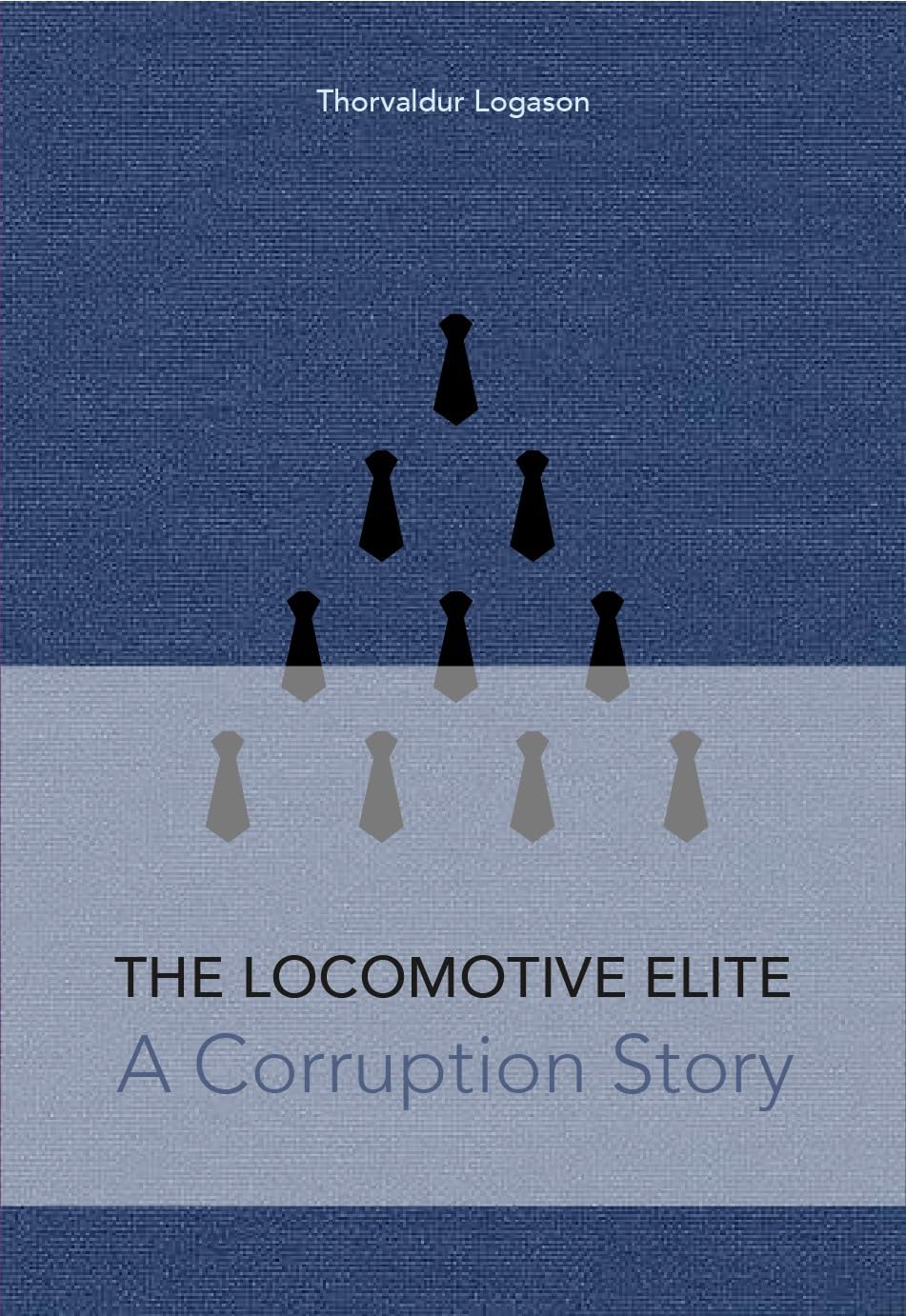
The Locomotive Elite
What do Donald Trump and Iceland’s Locomotive Elite have in common?
Far more than you think.
In The Locomotive Elite, you’ll uncover how a tiny clique in Iceland captured extensive control—of banks, courts, media, and even the central bank.
For decades they ruled, first democratically, then through corruption and in the end through crime, enriching themselves and their cronies while dismantling oversight.
The result?
One of the most spectacular financial collapses in modern history.
Photography tips:
- Elevated viewpoints work best: Capture the canyon’s full structure.
- Balance water and lava: Avoid overexposing bright cascades.
- Use mid-range focal lengths: Extreme wide lenses distort scale.
- Work in soft light: Moss and basalt textures respond well to overcast conditions.
- Include depth layers: Foreground lava, mid-ground waterfalls, background cliffs.
Good cameras for Iceland
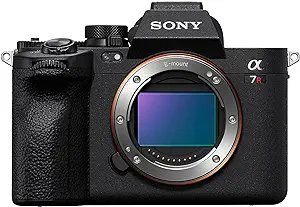
Sony A7R V
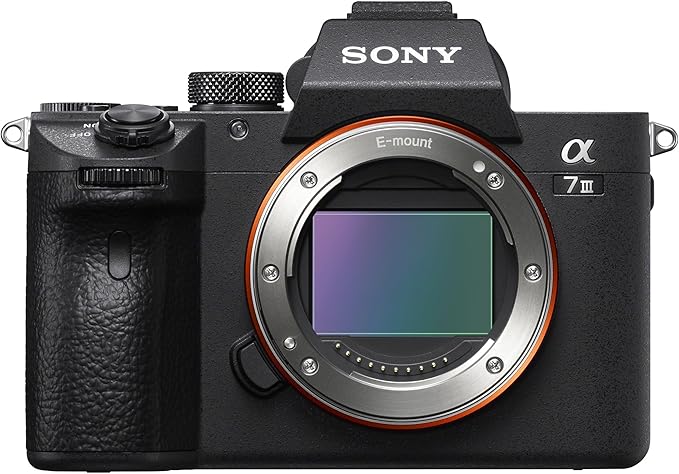
Sony A7s lll
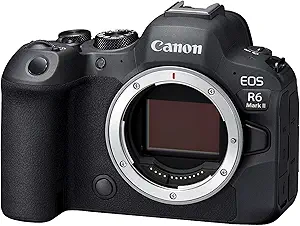
Canon R6
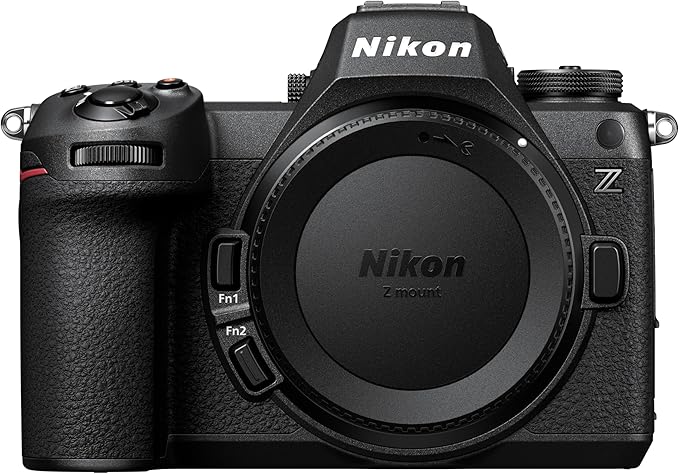
Nikon Z6 lll
Destinations nearby
Good to have in Iceland