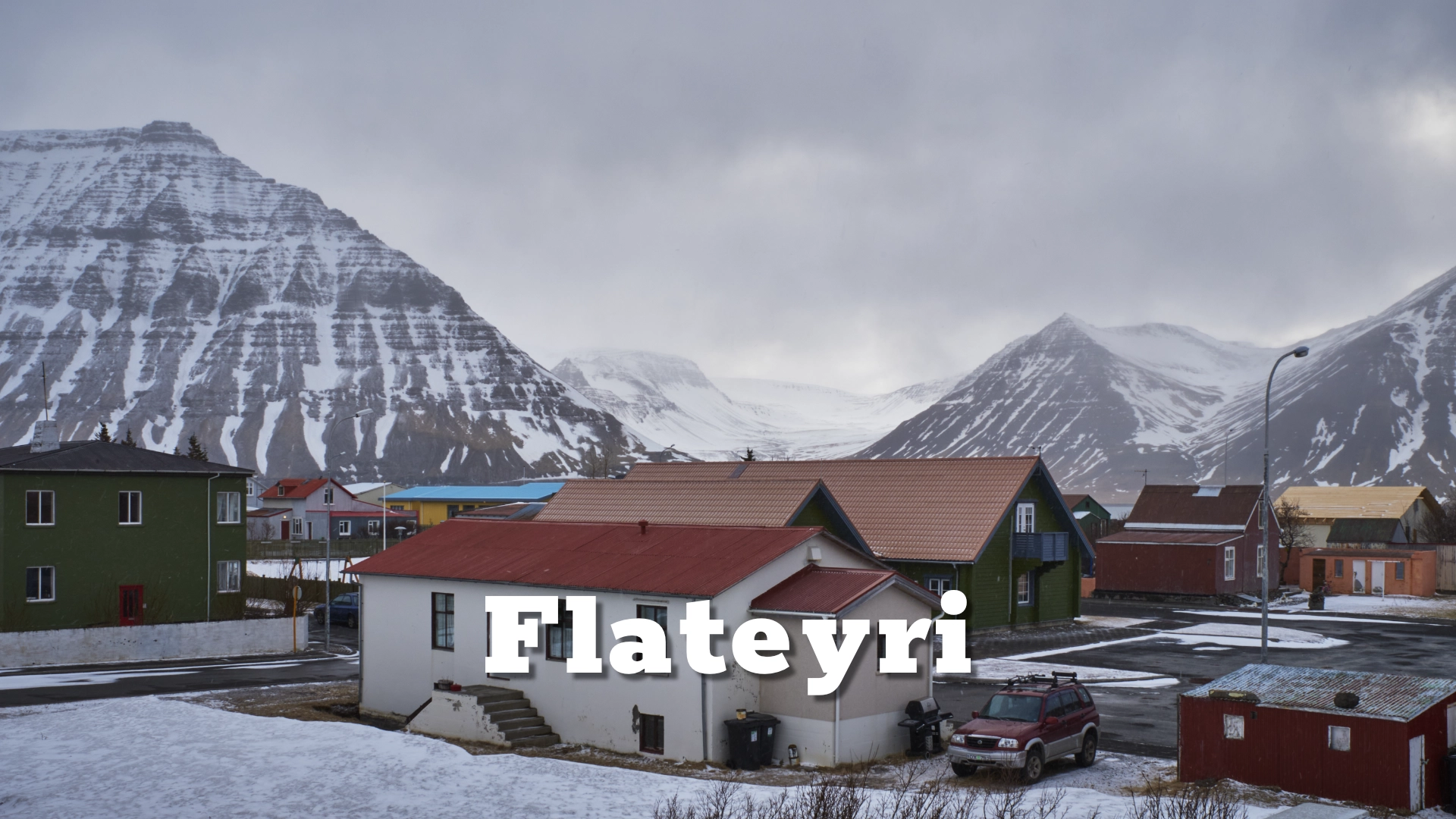
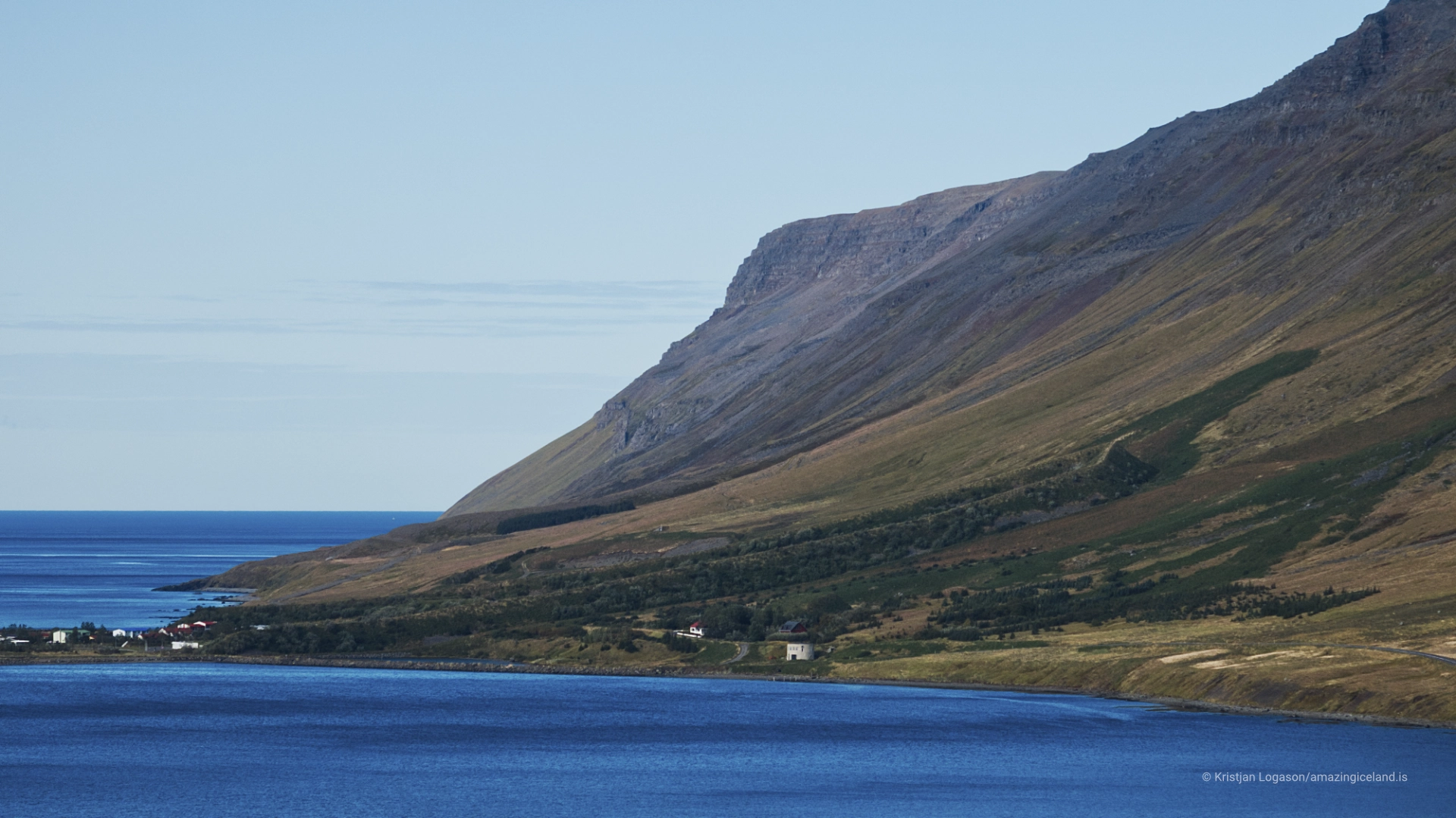
On the southern shore of Önundarfjörður, Flateyri occupies a narrow strip of land between the sea and steep alpine slopes. Historically oriented toward fishing and maritime trade, the village’s form and fate have been governed by limited space, harsh winters, and the constant presence of the surrounding mountains.
The location of Flateyri
Latitude
66.0518
Longitude
-23.5169
Flateyri
Flateyri lies within the Westfjords of Iceland, a region characterized by deeply incised fjords, limited lowland areas, and persistent exposure to Atlantic weather systems. The village sits on a small coastal plain at the base of sharply rising slopes, where settlement expansion has always been constrained laterally by the sea and vertically by terrain. This compression has shaped Flateyri’s built environment into a linear arrangement oriented along the shoreline.
From a physical geography perspective, Flateyri represents a classic fjord-margin settlement. The fjord provides access, shelter, and livelihood, while the mountains define risk and limit growth. Historically, overland connections were minimal or seasonal, reinforcing maritime dependence and shaping social organization around fishing cycles and harbor activity.
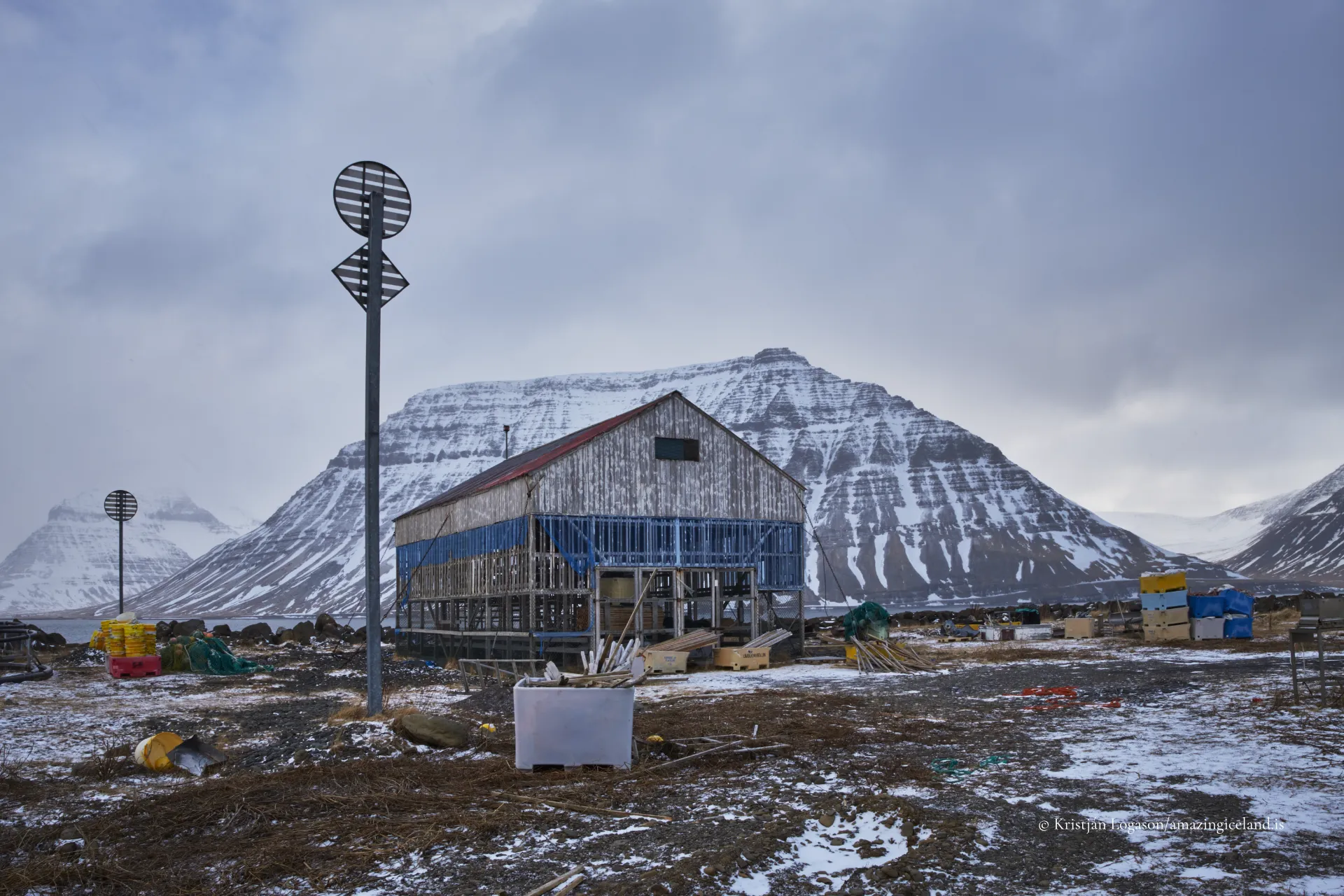
The surrounding bedrock is largely basaltic, formed through successive volcanic episodes and later sculpted by glacial erosion. These steep slopes, while visually dominant, also contribute to instability—particularly in winter, when snow accumulation and temperature variation increase avalanche risk. The mountain is not a backdrop here; it is an active presence.
Flateyri developed as a fishing village in the 19th and early 20th centuries, with growth closely tied to inshore and offshore fisheries. The harbor became the village’s functional core, and housing clustered tightly nearby. As in many Westfjords communities, prosperity fluctuated with fish stocks, technology, and market access, producing periods of growth followed by contraction.
The village’s history cannot be separated from the avalanche disaster of 1995, when a large snow slide descended from the mountains above, destroying part of the settlement and claiming multiple lives. This event marked a turning point—not only in Flateyri’s history, but in Iceland’s national approach to avalanche risk management.
The aftermath led to extensive reassessment of settlement safety in avalanche-prone areas across the country. For Flateyri, it resulted in large-scale protective infrastructure designed to intercept and redirect future slides. These measures fundamentally altered the relationship between village and mountain.
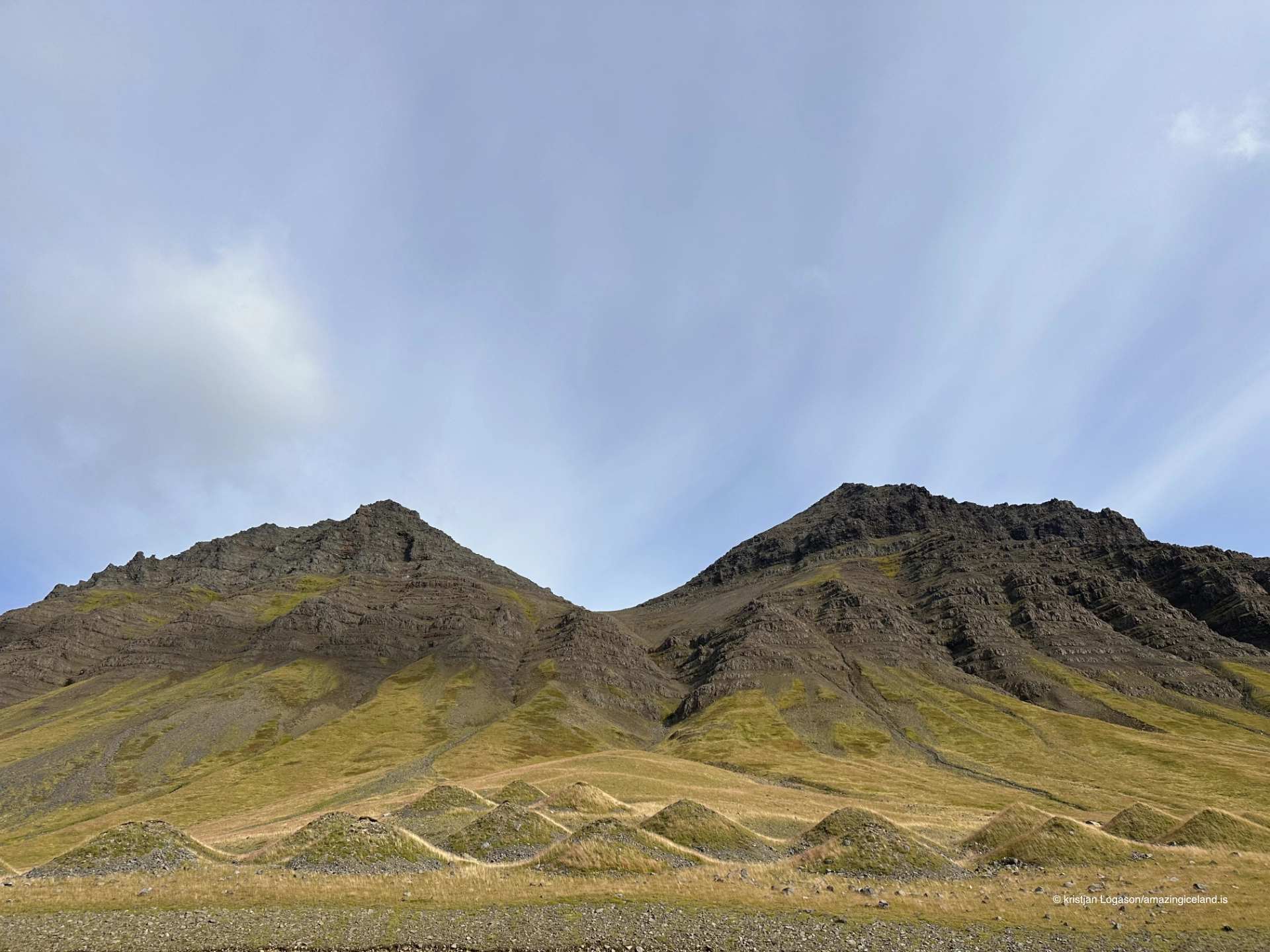
Today, Flateyri is one of the most visibly protected settlements in Iceland. Large avalanche defense structures, including earthworks and reinforced barriers, line the slopes above the village. From an engineering standpoint, these structures represent applied geophysical risk mitigation—designed to work with terrain rather than against it.
Culturally, their presence adds a new layer of meaning to the landscape. The defenses are not hidden; they are legible and deliberate, signaling both memory and resolve. They stand as physical acknowledgments of loss while allowing continued habitation in a place that residents chose not to abandon.
This coexistence of settlement and protection offers an instructive case study. Flateyri demonstrates how small communities respond to environmental risk through adaptation rather than relocation, maintaining continuity while accepting altered visual and spatial conditions.
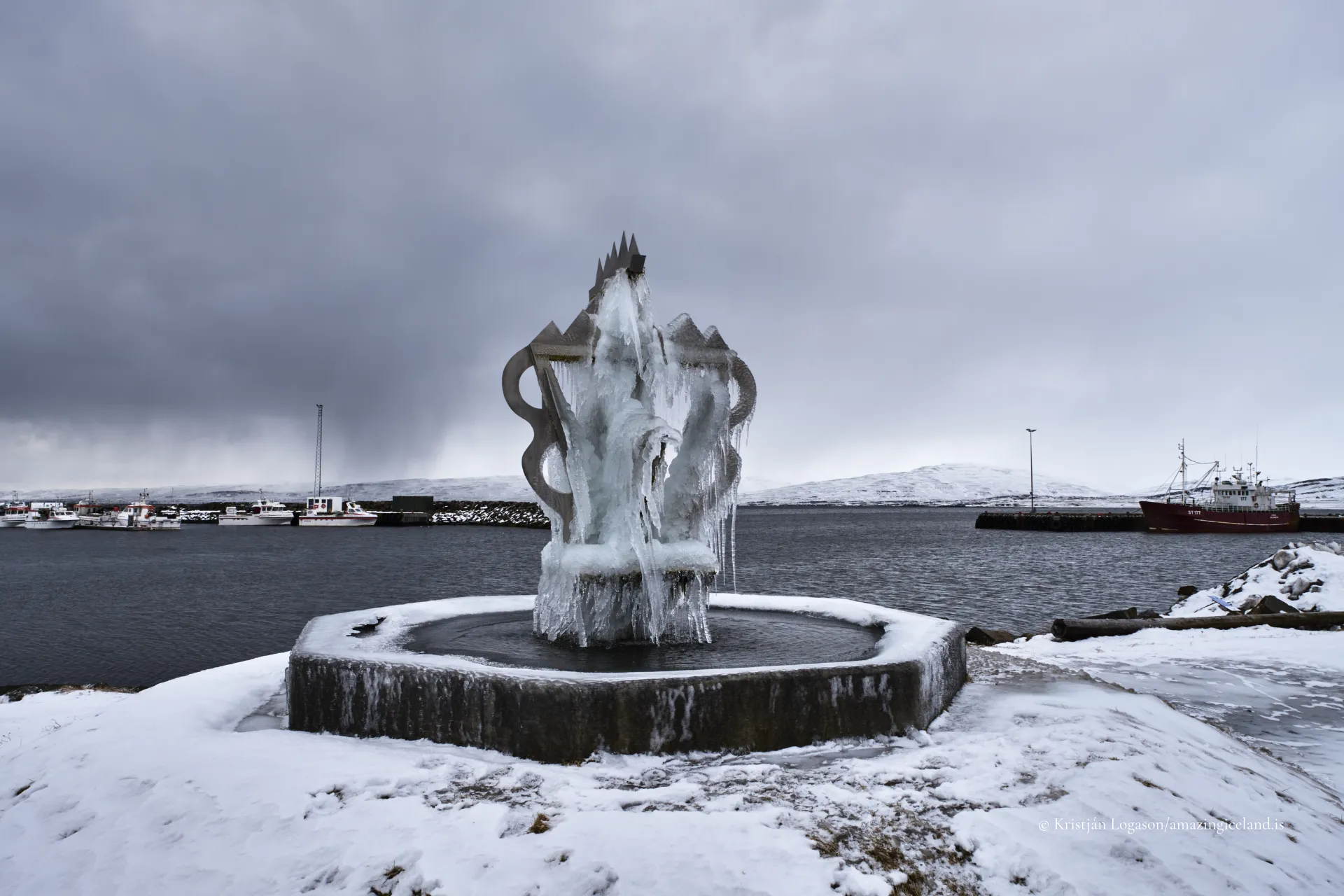
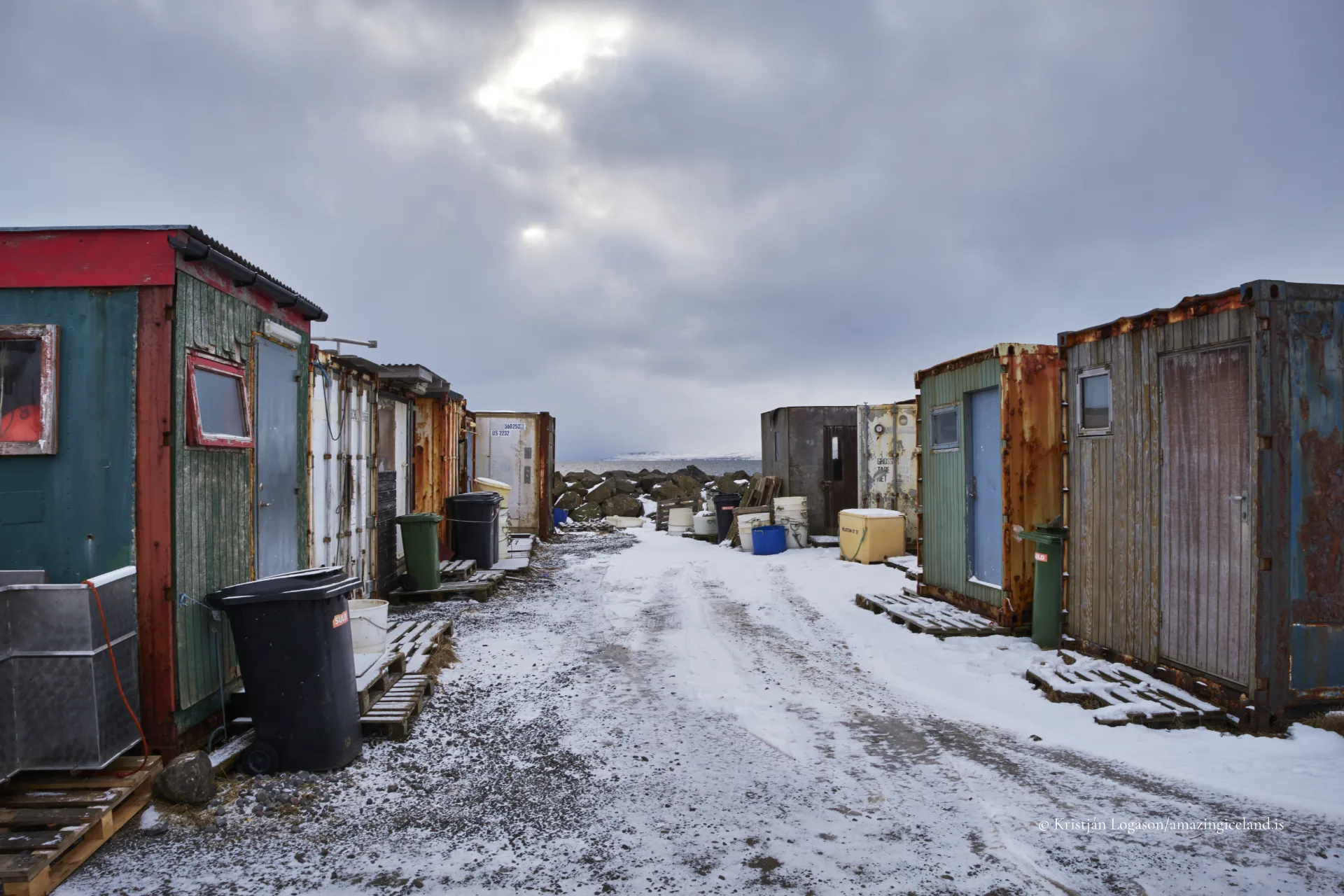
Despite its history of loss, Flateyri has retained a strong sense of identity. Cultural initiatives, small-scale tourism, and creative reuse of historic buildings have helped sustain the village in the face of demographic and economic pressure. The harbor remains central, not only economically but symbolically—connecting the village to wider maritime traditions of the Westfjords.
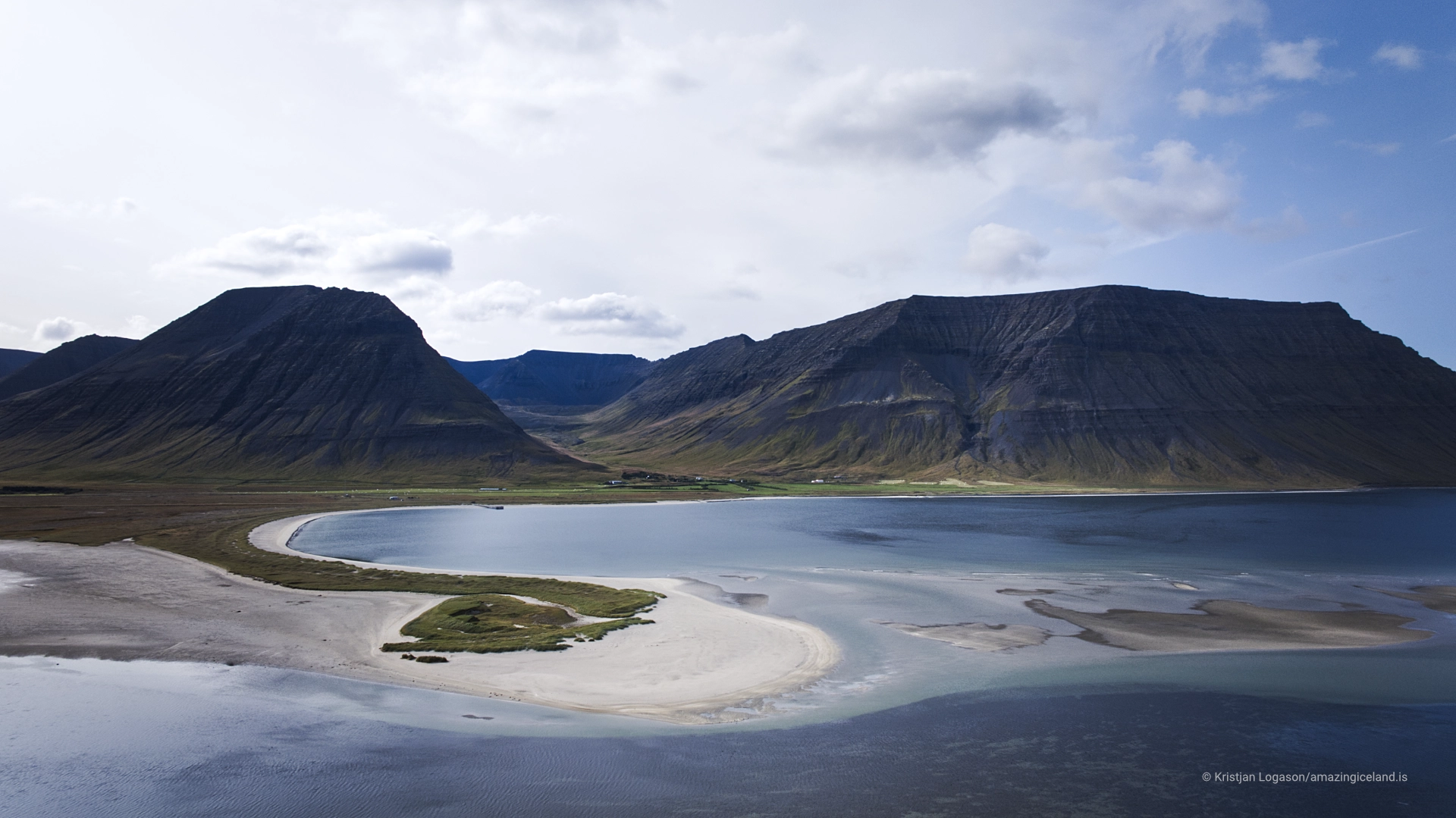
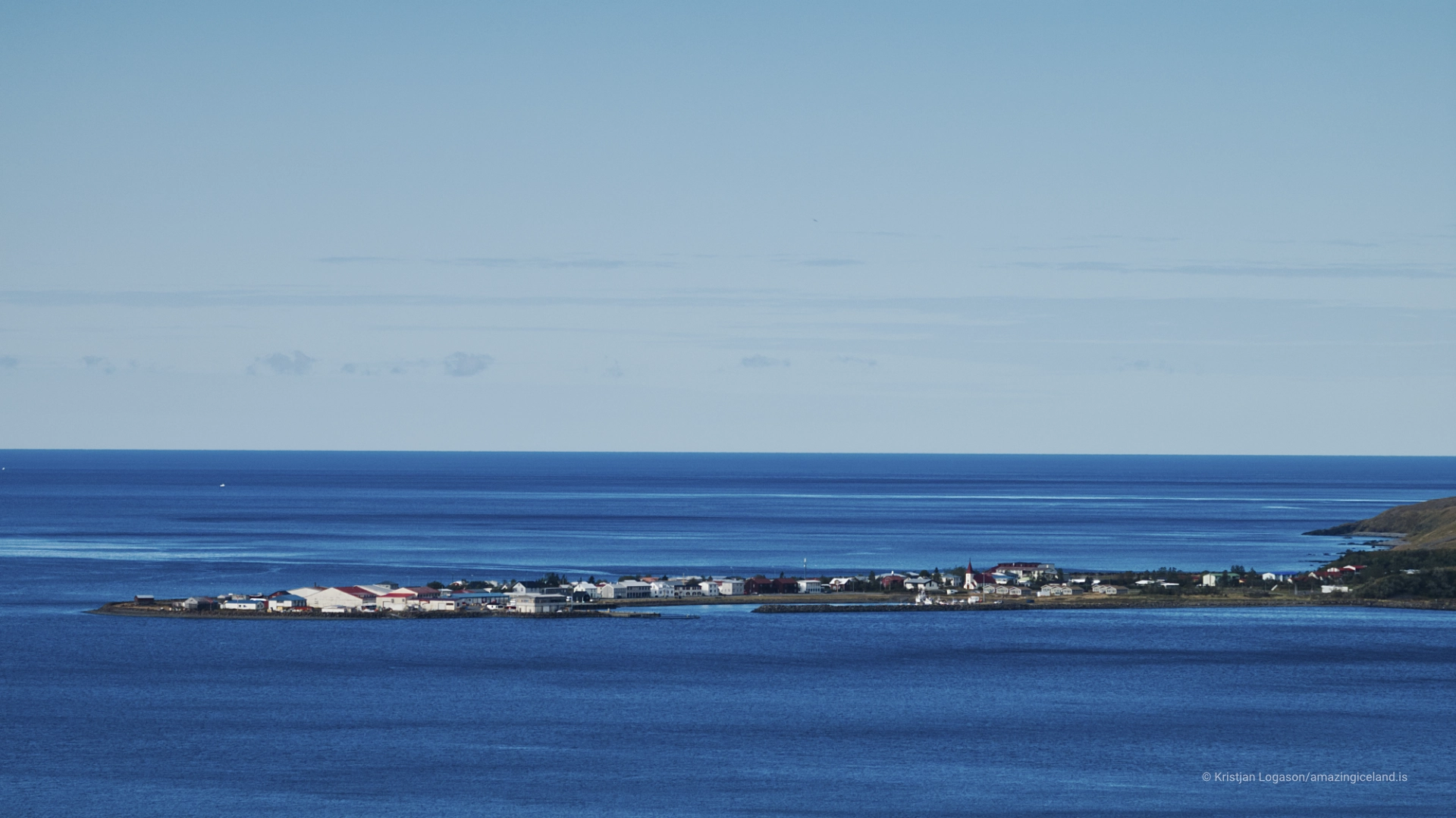
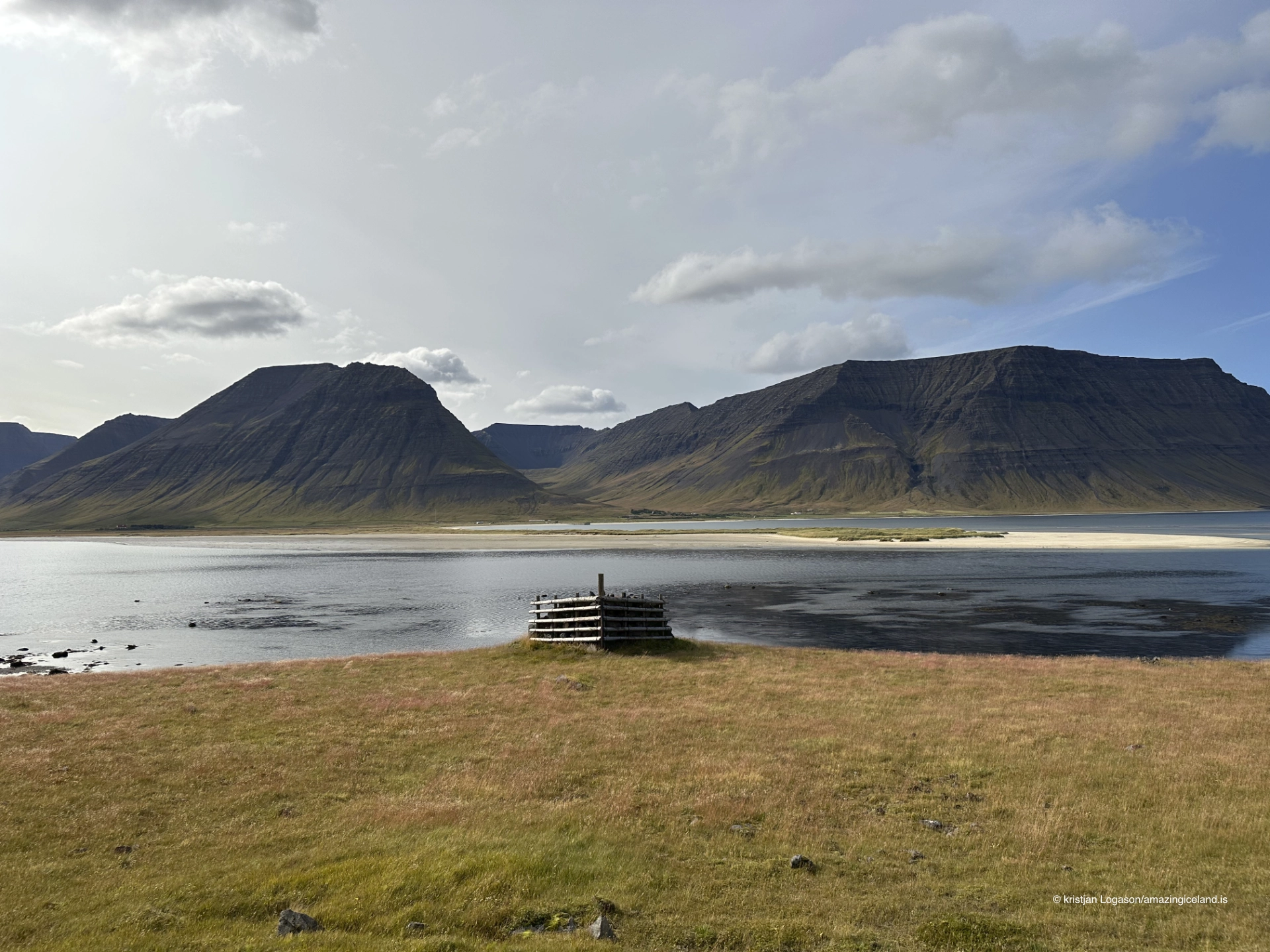
The surrounding fjord landscape reinforces this continuity. Önundarfjörður opens gradually toward the sea, offering a sense of outward connection that contrasts with the steep confinement of the landward side. This dual orientation—open to water, closed to land—has always defined life in Flateyri.
The village resists simplification. It is neither tragic nor picturesque by default. Its meaning emerges from accumulation: daily life under constraint, long-term adaptation, and the visible integration of engineering, memory, and place.
Flateyri ultimately stands as a lesson in proximity. Here, people live close to the forces that shape their environment—snow, slope, sea—and have chosen engagement over retreat. The village is not a monument to disaster, but a working settlement that incorporates risk awareness into its physical form.
Interesting facts:
- Flateyri is located on the shore of Önundarfjörður in the Westfjords.
- The village was affected by a major avalanche in 1995, which reshaped national safety policy.
- Extensive avalanche protection structures now shield the settlement.
- Historically, Flateyri developed around fishing and harbor activity.
- The village layout is constrained by sea on one side and steep slopes on the other.
Image Gallery

The Locomotive Elite
What do Donald Trump and Iceland’s Locomotive Elite have in common?
Far more than you think.
In The Locomotive Elite, you’ll uncover how a tiny clique in Iceland captured extensive control—of banks, courts, media, and even the central bank.
For decades they ruled, first democratically, then through corruption and in the end through crime, enriching themselves and their cronies while dismantling oversight.
The result?
One of the most spectacular financial collapses in modern history.
Photography tips:
- Include the defenses: Avalanche barriers are part of the story—don’t exclude them.
- Work with compression: Telephoto lenses emphasize slope steepness and settlement scale.
- Harbor foregrounds: Boats and docks anchor compositions against the mountain backdrop.
- Overcast honesty: Flat light suits the village’s restrained palette and avoids dramatization.
- Seasonal contrast: Winter emphasizes risk and protection; summer emphasizes continuity and daily life.
Good cameras for Iceland
Sony A7R V

Sony A7s lll

Canon R6

Nikon Z6 lll

Destinations nearby
Good to have in Iceland