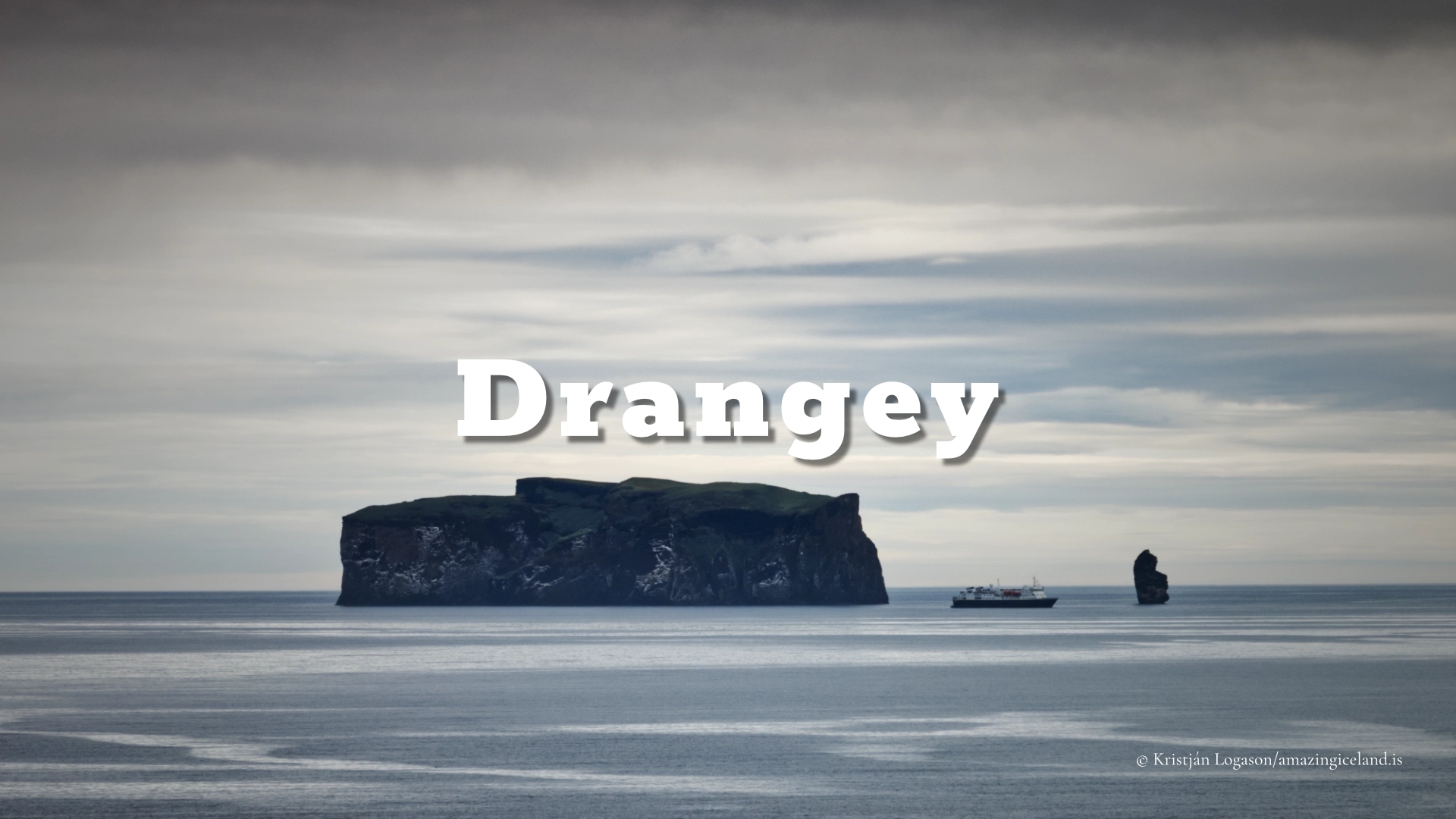
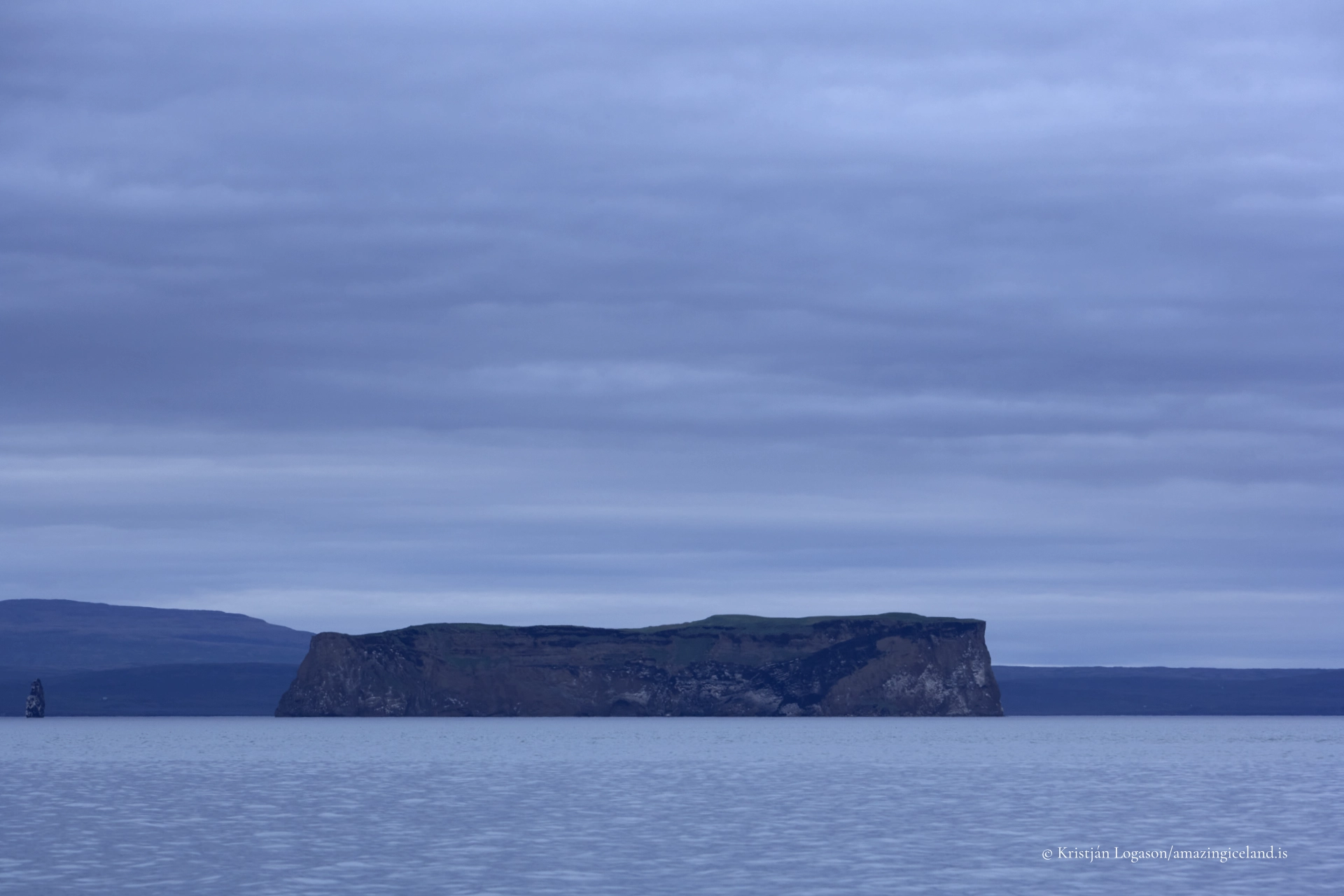
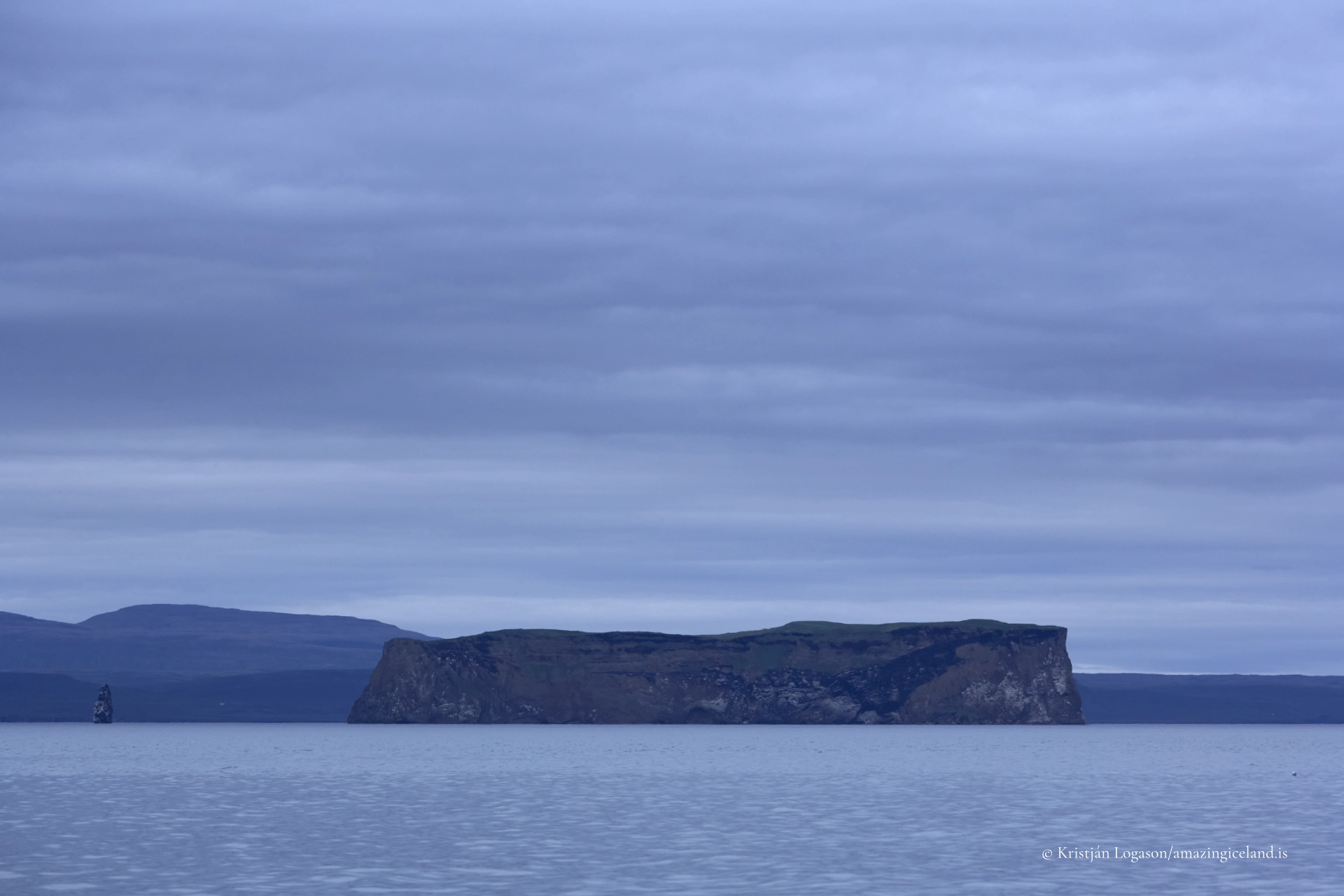
In Skagafjörður, off the northern coast of Iceland, Drangey stands as a near-vertical basalt outcrop rising sharply from the sea. Known both for its seabird colonies and its association with medieval outlaw narratives, Drangey represents one of Iceland’s clearest examples of how geography shapes survival, myth, and historical interpretation.
The location of Drangey Island
Latitude
65.9522
Longitude
-19.3637
Drangey Island
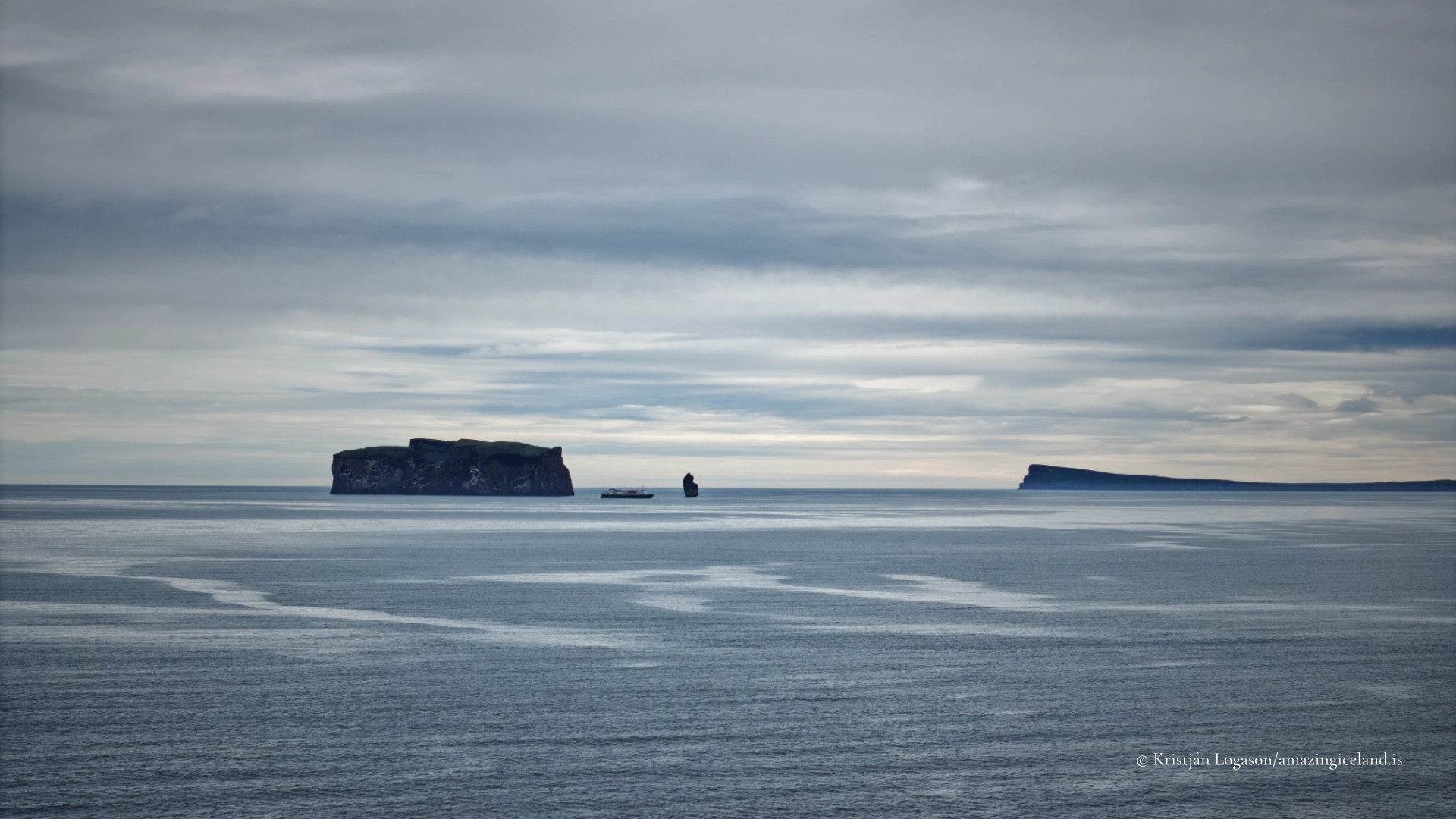
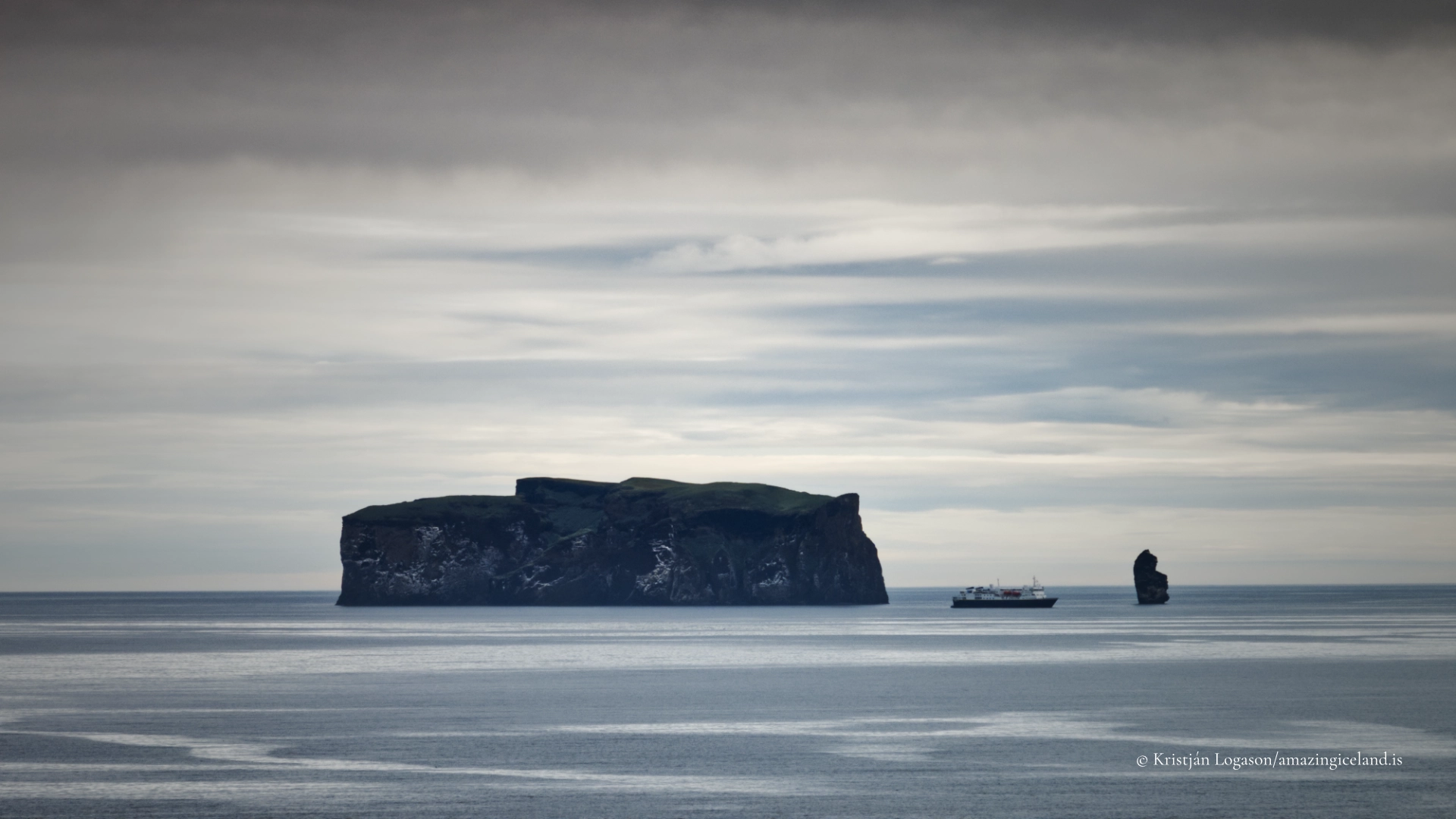
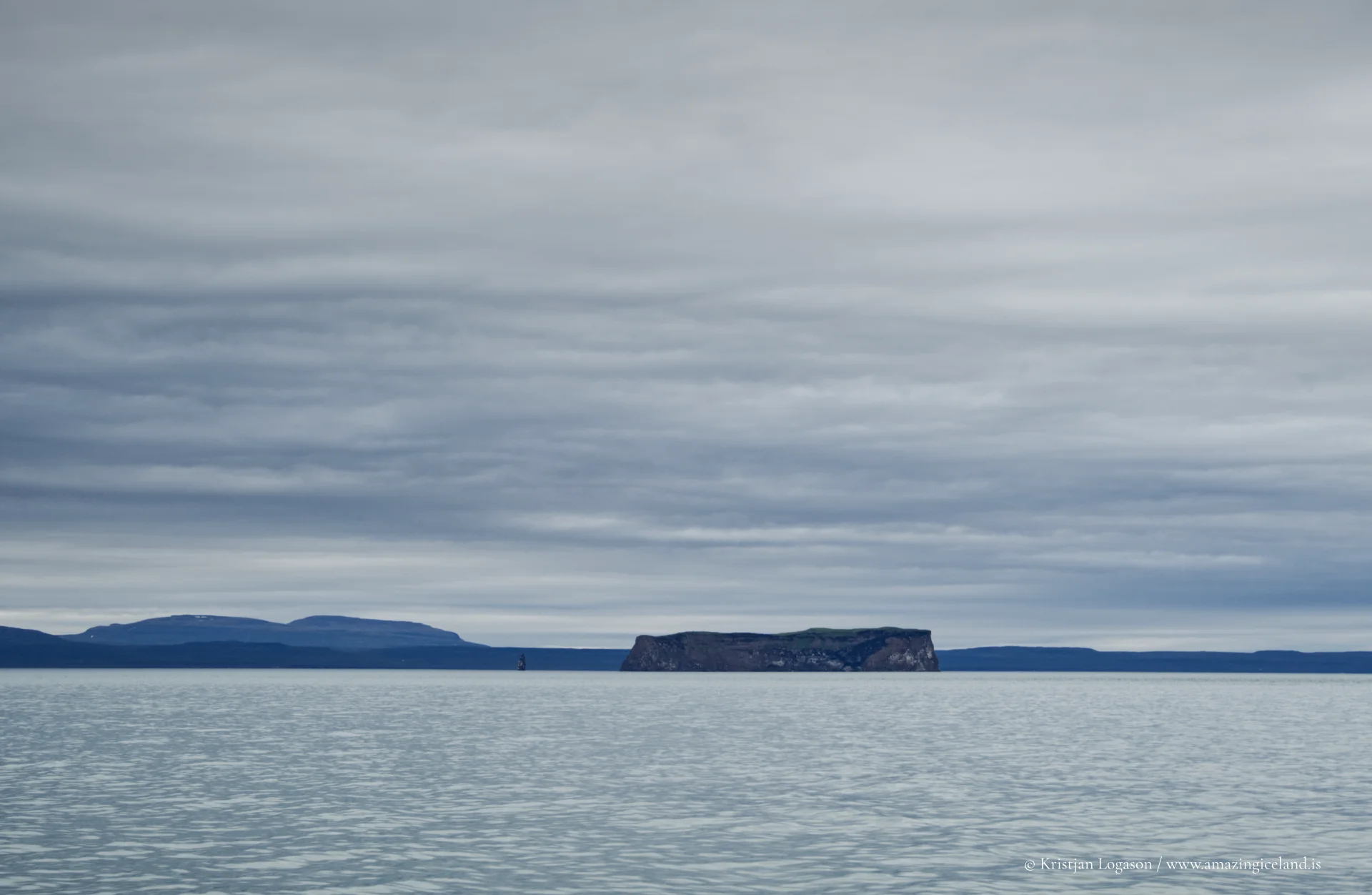
Drangey is a small island, approximately 160 meters high, composed primarily of basalt formed during volcanic activity in Iceland’s geological past. Its cliffs are steep on all sides, with only a single narrow ascent route from the sea. This topography makes the island naturally defensible, while also severely limiting access and habitation.
From a geomorphological perspective, Drangey is a remnant of lava flows eroded by marine and glacial processes. Softer surrounding material was gradually worn away, leaving the harder basalt core isolated in the fjord. The island’s flat upper surface contrasts sharply with its vertical edges, emphasizing its abrupt emergence from the water.
The surrounding waters of Skagafjörður are relatively calm compared to open ocean conditions, but landing on Drangey still requires careful timing and stable weather. Even today, access is controlled and weather-dependent.
Drangey’s cultural significance is inseparable from Grettir Ásmundarson, the central figure of Grettis saga. According to the saga, Grettir lived in outlawry on Drangey during the early 11th century, accompanied by his brother and a companion, surviving through fishing, bird hunting, and careful use of limited resources.
The island’s physical characteristics underpin this narrative. Its height provided protection, while its isolation limited pursuit. However, these same conditions also imposed severe constraints: exposure, scarcity, and dependence on calm seas for resupply. Drangey thus functions as both refuge and trap within the saga.
Whether interpreted as historical fact or literary construction, the association between Grettir and Drangey has become fixed in Icelandic cultural geography. The island is read through the saga, and the saga is grounded through the island.
Ecologically, Drangey is an important seabird nesting site. Species such as guillemots, razorbills, puffins, and fulmars nest on its cliffs and upper slopes, taking advantage of limited human disturbance and inaccessible terrain. The island’s bird populations fluctuate seasonally, with peak activity during the breeding months.
Vegetation on Drangey is sparse but adapted. Grasses and low-growing plants occupy the island’s summit, sustained by nutrient input from seabirds. This creates a compact but productive ecological system where marine and terrestrial processes intersect.
Drangey provides a clear example of island ecology shaped by inaccessibility. Limited predation and human interference allow relatively stable breeding conditions, despite the island’s small size.
Human use of Drangey has always been intermittent. Historically, the island was used seasonally for bird harvesting and egg collection, activities requiring precise timing and specialized climbing skills. Permanent settlement was never feasible, and the island’s role remained peripheral and conditional.
Modern visitation follows similar constraints. Access is typically restricted to guided trips during stable summer conditions, with strict limitations to protect both visitors and wildlife. The climb to the island’s top remains exposed and physically demanding, reinforcing the island’s reputation as a place that must be earned rather than consumed.
The absence of infrastructure preserves Drangey’s character. There are no buildings, no paths beyond the ascent route, and no interpretive installations competing with the landscape itself.
Drangey ultimately exists as a boundary space—between land and sea, history and legend, refuge and isolation. Its meaning is inseparable from its form. The island does not accommodate; it resists.
Interesting facts:
- Drangey rises approximately 160 meters above sea level.
- It is composed primarily of basalt.
- The island is strongly associated with Grettis saga.
- Drangey hosts major seabird colonies during summer.
- Access is limited to calm weather and guided climbs.
Image Gallery

The Locomotive Elite
What do Donald Trump and Iceland’s Locomotive Elite have in common?
Far more than you think.
In The Locomotive Elite, you’ll uncover how a tiny clique in Iceland captured extensive control—of banks, courts, media, and even the central bank.
For decades they ruled, first democratically, then through corruption and in the end through crime, enriching themselves and their cronies while dismantling oversight.
The result?
One of the most spectacular financial collapses in modern history.
Photography tips:
- Distance matters: Telephoto lenses emphasize verticality and isolation.
- Avoid nesting disturbance: Birds define the island—keep ethical distance.
- Use water as scale: Boats and sea surface reinforce height.
- Flat light works: Overcast conditions reduce contrast on dark basalt.
- Narrative framing: Cliffs tell the story better than the summit.
Good cameras for Iceland
Sony A7R V

Sony A7s lll

Canon R6

Nikon Z6 lll

Destinations nearby
Good to have in Iceland